Toilet situation: Manual toilet seat
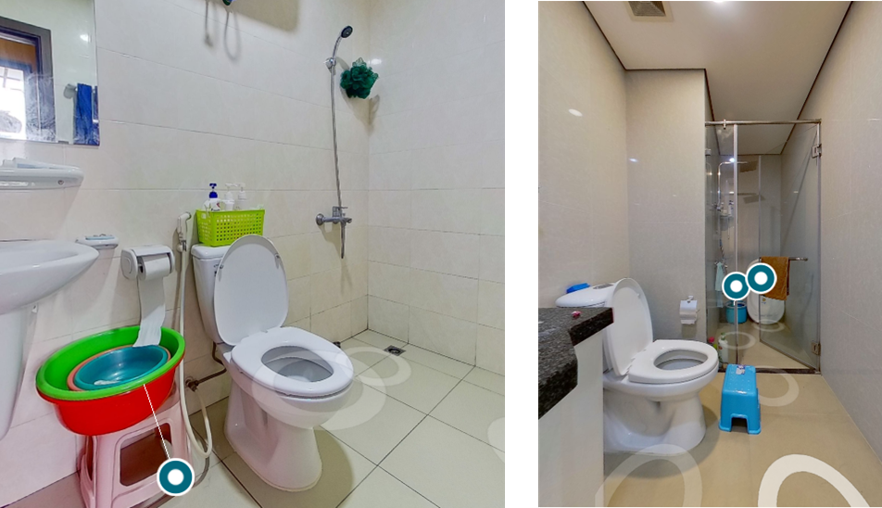
Toilets in Indonesia, even when flushing, rarely have fully automatic toilet seats like in Japan. You won't find them in homes, luxury hotels, or shopping malls. The most common type is a Western-style toilet seat with a faucet attached to the side. When you turn on the faucet, room temperature water spurts out, and when you are done using it, you close the faucet. It can be called a "manual washing toilet seat". Some toilet seats do not have a faucet, but instead have a hose attached. When you hold the tip of the hose, water spurts out vigorously, and you apply the hose to clean the toilet. By the way, the force is quite strong, so you need to get used to it.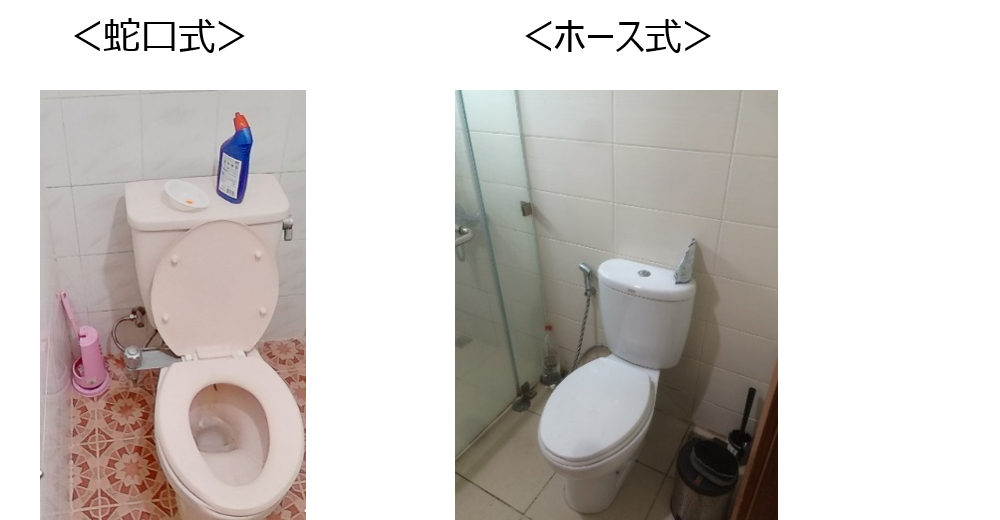
With the world’s fourth-largest population and sustained GDP growth, Indonesia is Southeast Asia’s largest economy.
How well do you understand the “average Indonesian lifestyle and values”?
Drawing on various data sources, including Intage’s “Global Viewer” international consumer data, we will organize and explain the “average” that defines Indonesian consumers, as well as the latest trends revealed by this data.
Let’s Get to Know the “Average” Indonesian! Understanding the Lifestyle Through Climate, Culture, Halal, and Gen Z
・Lifestyle and Living Environment: Differences by Socioeconomic Class (SEC)
・Religious and Halal Considerations and Unique Consumer Behavior
The Bath Situation : Bathing in water is the mainstream
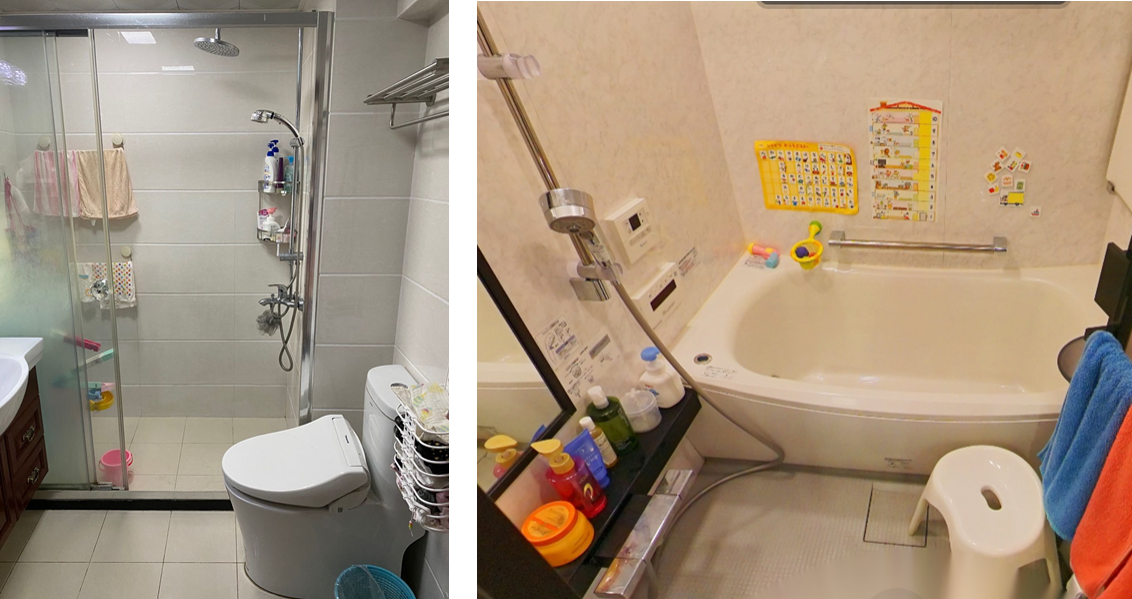
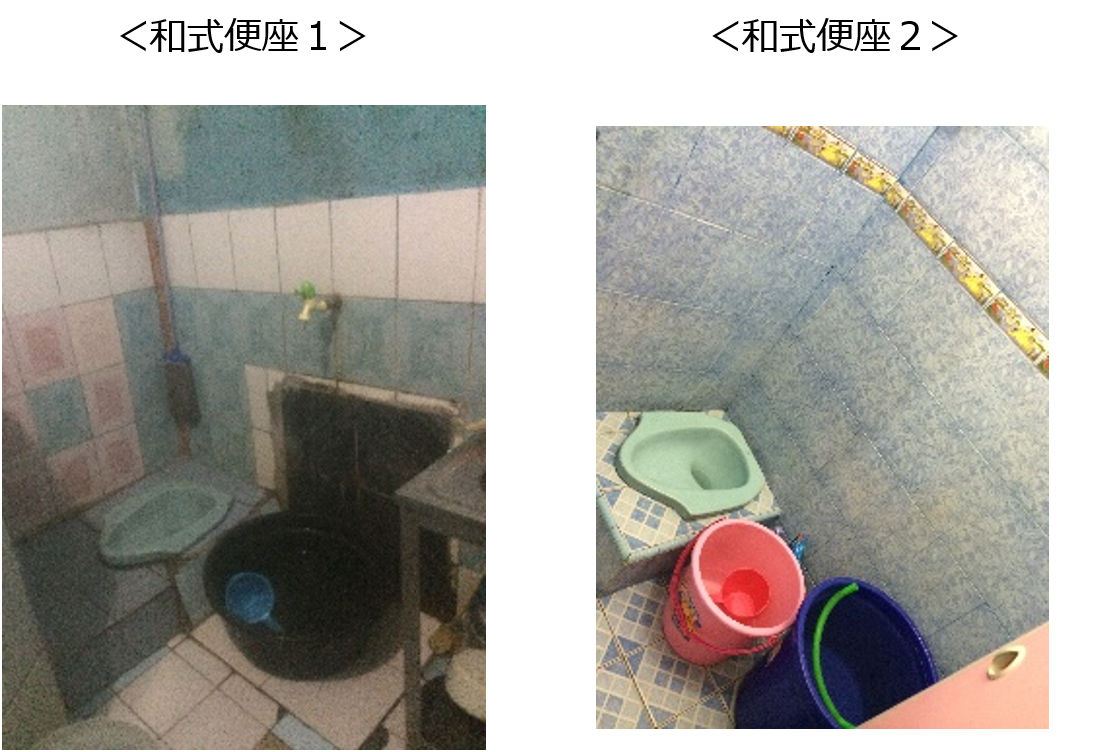
In Japan, it is customary to soak in a bathtub, but in Indonesia, it is not customary to soak in a bathtub, but to bathe in water called Mandi. Bathing is done several times a day, in the morning and evening, or before going out. The purpose of this bathing is to sweat out the heat and humidity of the climate and to cool the body. For this reason, most bathers do not have a bathtub, and those who do have a bathtub are limited to luxury hotels and apartments. A shower is usually installed in the bathroom, but some middle-class and lower class families do not have a shower, in which case they use a hand bucket to bathe. Some houses have a pool of water in the corner of the bath, from which people use a hand bucket to scoop water and bathe. In some cases, the shower booths are separated, but more often than not, they are not.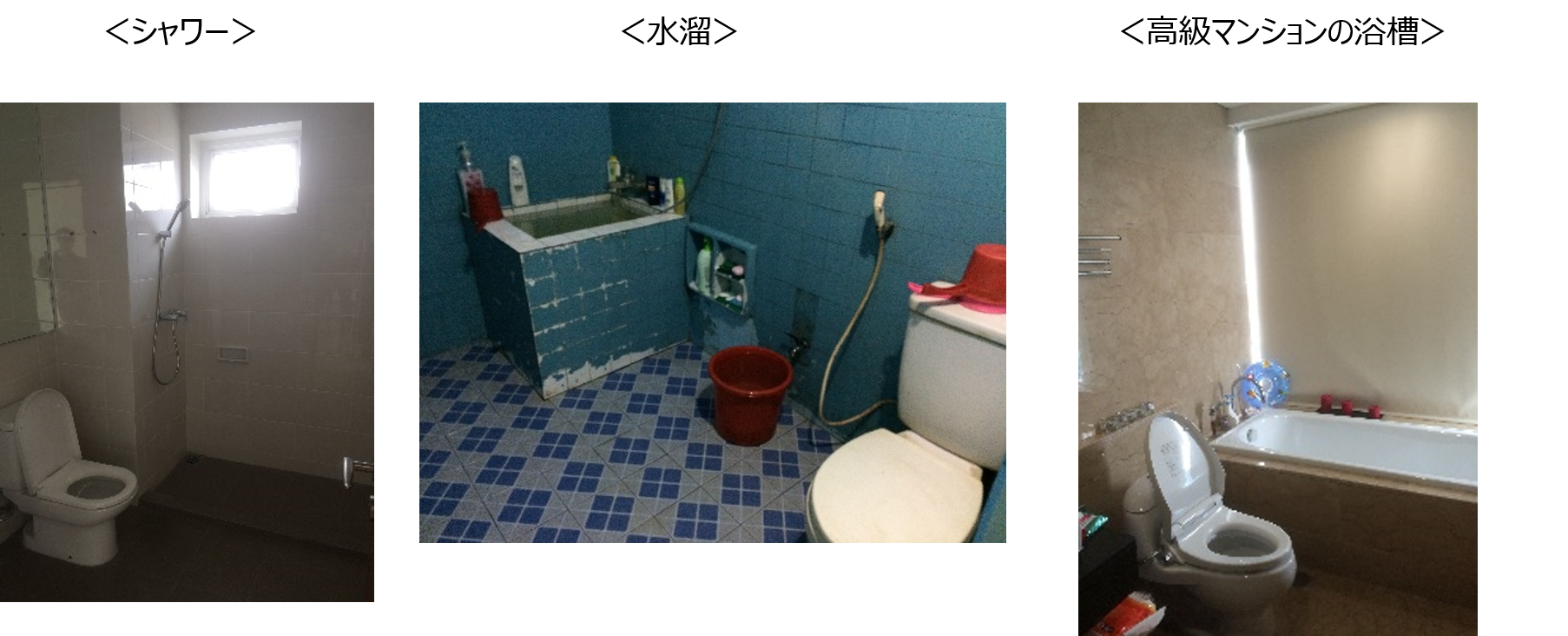
Toilet, Bath and Washroom are integrated.
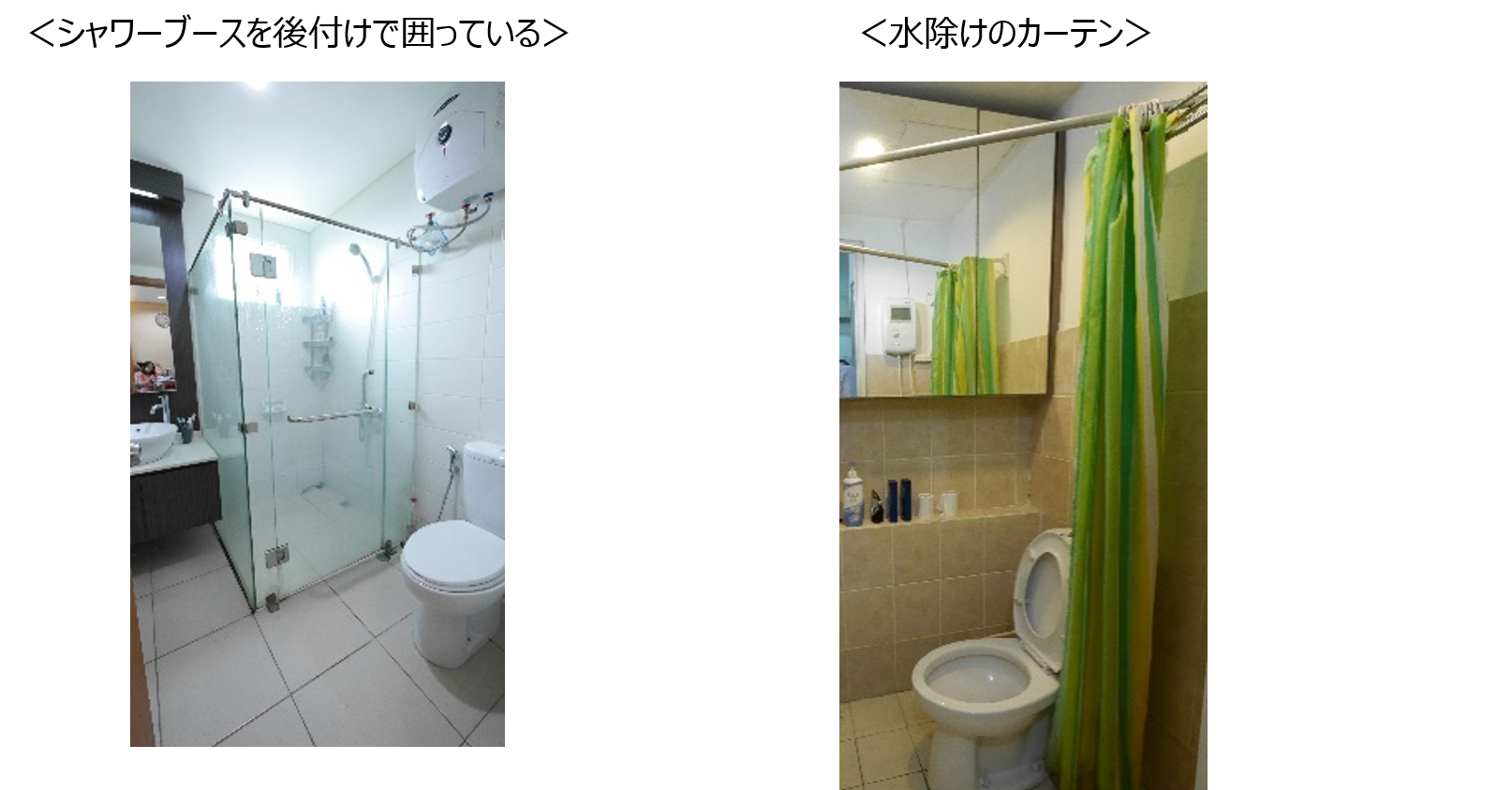
In Japan, washrooms, bathrooms, and toilets are often separated, but in Indonesia, toilets, bathrooms, and washrooms are often integrated. In Indonesia, however, the toilet, bath, and washroom are often integrated into a single unit. In some rather high-class apartments and hotels, the shower booth may be enclosed by a transparent panel, but there is rarely a separate toilet or washroom. In Indonesian, the word "kamar mandi" (bathing room) or "kamar kecil" (small room) is sometimes used to refer to toilets in a more elegant way, but this term can be used to describe the way in which the bath, toilet, and washroom are integrated into a small room. While this is hygienic in a sense because everything can be washed away with water, it also means that every time you take a shower, the toilet seat and the entire bathroom gets wet, and the floor becomes slippery. Most of the floors are made of tiles, not plastic like in Japan, so the drainage is not good. For this reason, some households are beginning to install shower booths as retrofits to prevent the entire floor from getting wet. In the past, when I visited homes and interviewed people about their water systems, I found that some households had installed curtains to keep out water because they did not want the floor to get soaked. Some Japanese manufacturers are moving to introduce unit baths, but only in a few upper-class apartments. It is expected that shower booths will be enclosed, but it will take some time before toilets, bathrooms, and washrooms are separated like in Japan.