Based on my experience of working in Vietnam and conducting hundreds of home surveys, I would like to introduce some of the housing environment and the attitudes and values of the Vietnamese people that are revealed through these surveys.
House construction: Eel beds are built with red bricks!
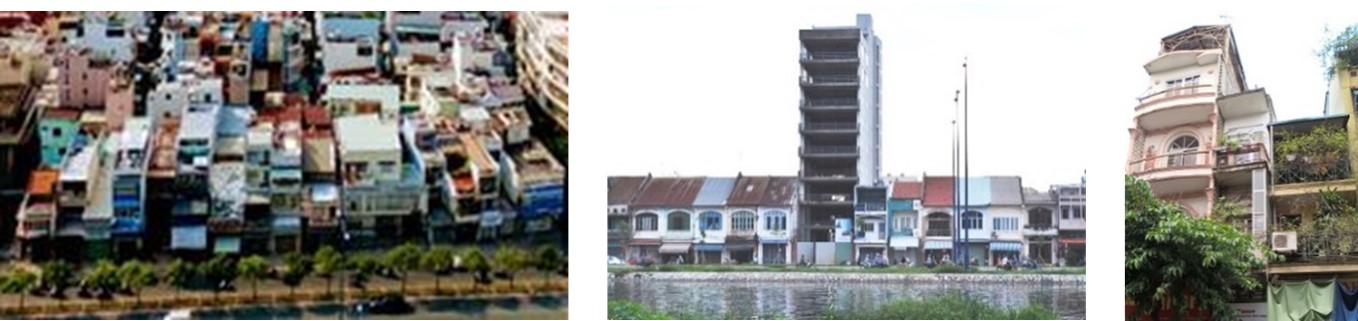
Visitors to Vietnam, especially in the urban areas (Ho Chi Minh City, Hanoi, etc.), are often surprised to see detached houses with narrow frontage and wide back, like a bed of eels. The reason for this structure is said to be a tax-saving measure, similar to the machiya houses in Kyoto (because in the past, taxes were based on the size of the frontage, not the land area). A typical house has a frontage of 4 to 6 meters and a depth of about 20 meters.
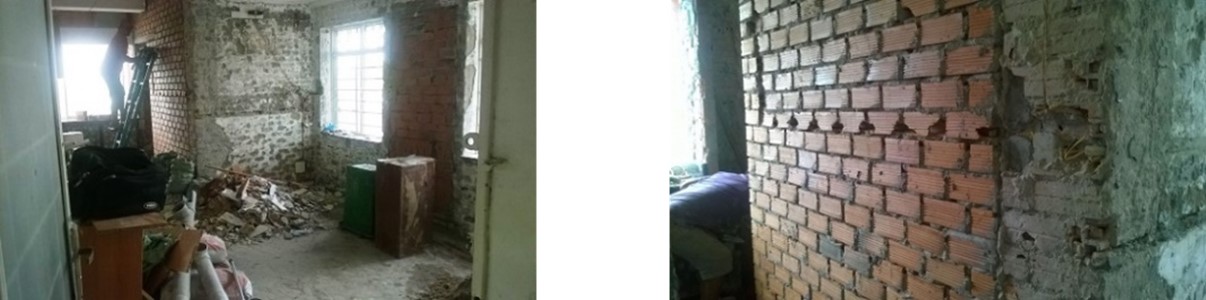
Also, bricks are used for the walls of the houses instead of concrete or wood. The reason is said to be the high cost of wood and the influence of French culture. However, this is expected to change in the future as the government is recommending the use of non-fired building materials due to environmental concerns.


Inside the house: The first step from the front door is a large tiled living room!
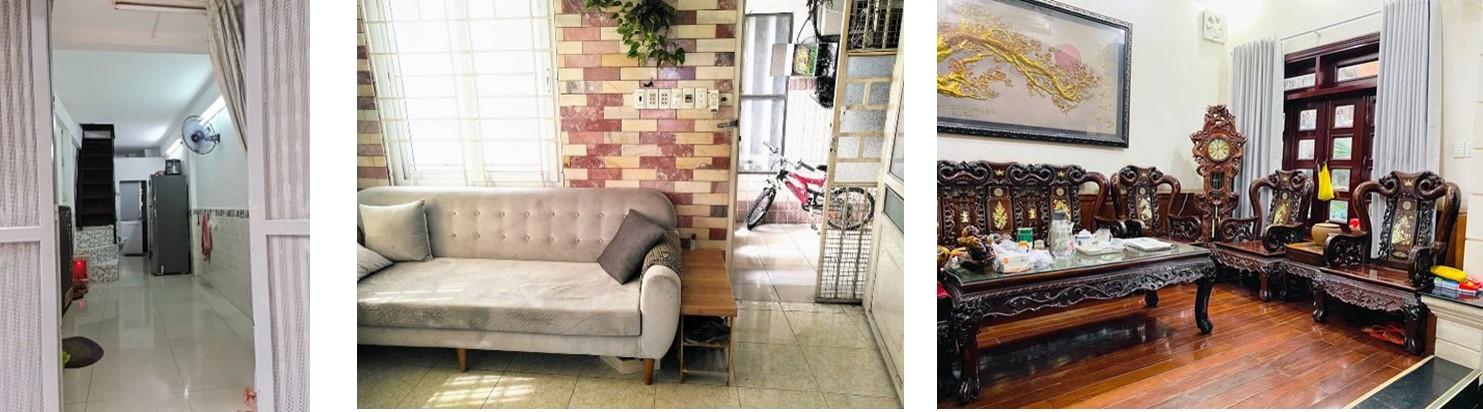
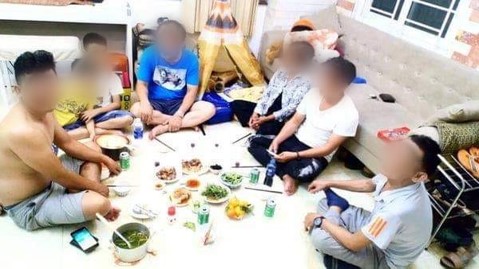
The layout of many houses in Vietnam is such that the large living room is located right after the entrance. There is no entrance or hallway like in Japan, and the structure is well ventilated. In addition to spending a lot of time in the living room with the family and inviting friends and relatives for dinner parties, people often come to the living room unexpectedly for a chat, so the living room is widely located right outside the entrance. The living room is large and located right outside the entrance, making it the center of communication between people.
For floors, tiles tend to be preferred over wood flooring due to the ease of cleaning, high humidity, and high price of wood. In general, most households have Chinese style rugged wooden furniture that represents status on tiled flooring, but the demand for western style furniture is expanding among the younger generation. With the current increase in the number of nuclear families living in apartments, there is a growing need for compact and simple furniture such as small sofas and dining table sets. In the future, we can expect to see various changes in the outside of the house (exterior) and the inside of the house (interior).


* Source: Consumer Life Database ((Consumer Life Panorama))[http://consumer-life-panorama.com/demo/]
* For an overview of Consumer Life Panorama ((click here))[https://www.global-market-surfer.com/solution/]
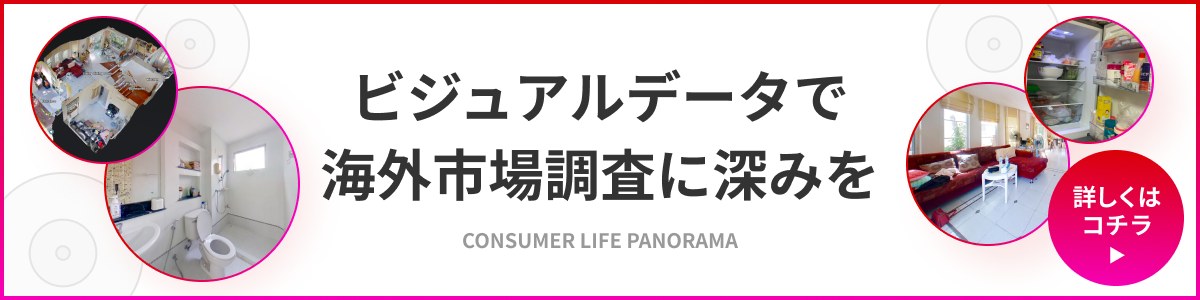
What is Consumer Life Panorama?
Intage's web-based database of real consumer lifestyles in Japan and overseas.
The database can be used to intuitively understand the daily flow of life, living environment, and digital life.
To view the Consumer Life Panorama demo site
here
For an overview of Consumer Life Panorama
here Translated with AI Translator