In recent years, Vietnam has emerged as a popular destination for Japanese companies looking to expand overseas and for female travelers. While Vietnamese cuisine—such as pho and banh mi—is becoming increasingly well-known in Japan, there are likely many aspects of daily life that remain unfamiliar, such as the eating habits and household chores of ordinary Vietnamese people. In this article, we’ll explore the home-cooked meals Vietnamese people prepare and enjoy, as well as the daily routines and etiquette associated with cooking.
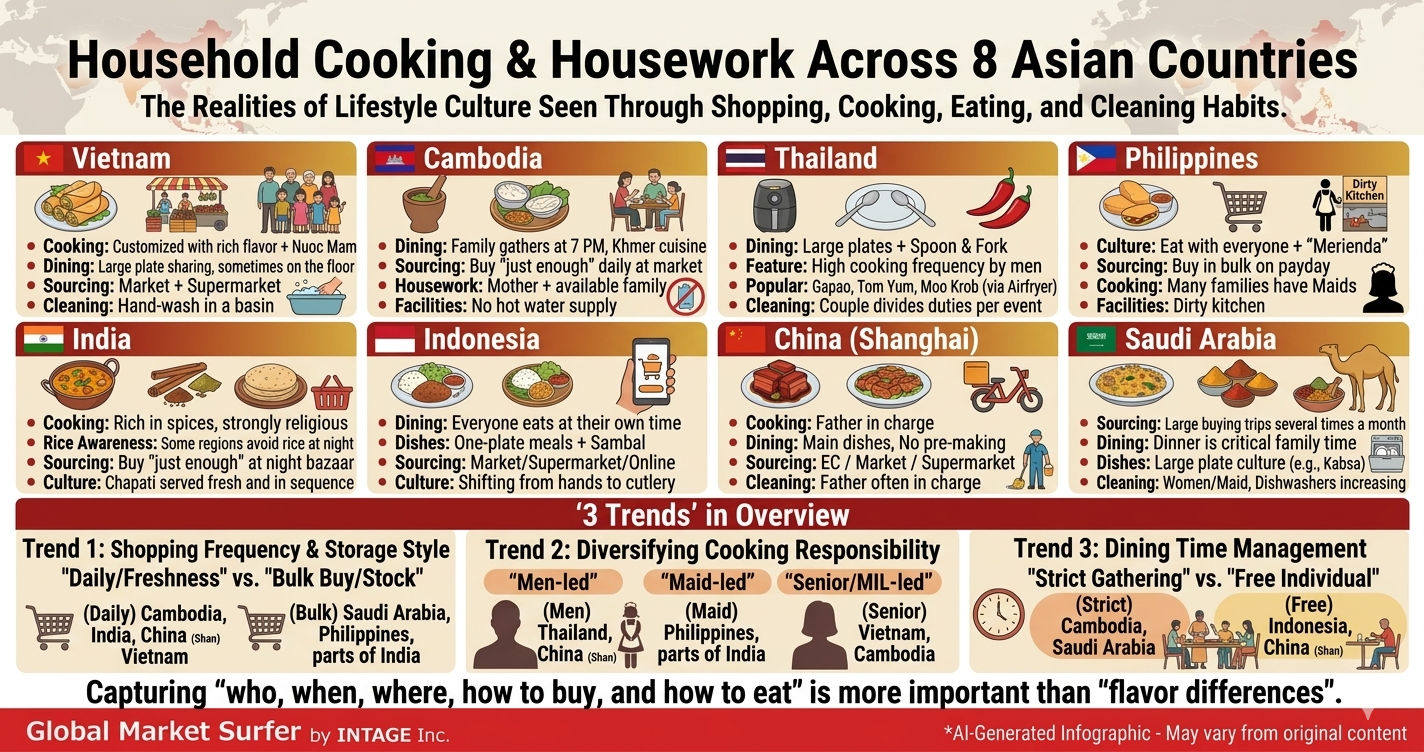
If you’d like to learn more about home cooking and household routines in various Asian countries, please also check out this article.
From Stocking Up on Ingredients to Cleaning Up: Home Cooking in 8 Asian Countries ~Three Trends Revealed Through Food Culture~
・Countries where groceries are bought daily vs. countries where people buy in bulk
・Seasoning and presentation styles in each country
・Who cooks? Who cleans up?
・Does the family eat together? Or do they eat whenever they like? and more
Use both the market and the local supermarket
Grocery shopping is generally divided into two categories: markets and supermarkets, and people often choose between them depending on the time of day and the items they need. At markets, vegetables, meat, and seafood are sold every day starting early in the morning. In Vietnam, where motorcycles are the primary mode of transportation, it’s not uncommon to shop at markets while riding a motorcycle. While many people still use markets today, one drawback is that food can sometimes be spoiled or stale by the evening. Therefore, when shopping after work—especially in urban areas where women are mostly the ones working—people often turn to supermarkets when they are short on time. Additionally, for families with young children, the busy morning hours are often spent dropping the children off at school and heading straight to work, making it difficult to go shopping in the morning. Consequently, many local supermarkets have opened in the metropolitan area, and people often stock up on groceries there. In the household of Ms. Linh, a self-employed business owner, they buy ingredients for dinner at the supermarket about three times a week, and if they have time on a weekend morning, they sometimes go to the market to shop.
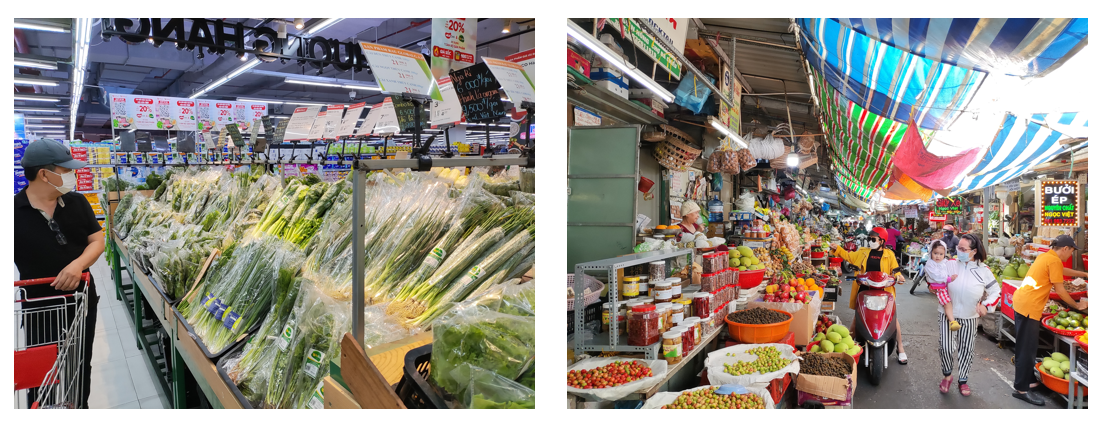
Local supermarket (left), market (right)
Eating Habits in Vietnam
In Vietnam, there is a growing emphasis on educational attainment, and an increasing number of families have both parents working to cover their children’s tuition costs. Many families also live in multi-generational households, in which case the mother-in-law, who has more free time, often prepares meals. She cooks about once or twice a day. Additionally, since numerous food stalls operate throughout the city at all hours, it is not uncommon to eat out. For those who work in offices, it is also common to pack yesterday’s leftovers into a lunchbox to eat.
Its rich flavor, which pairs well with rice, is popular
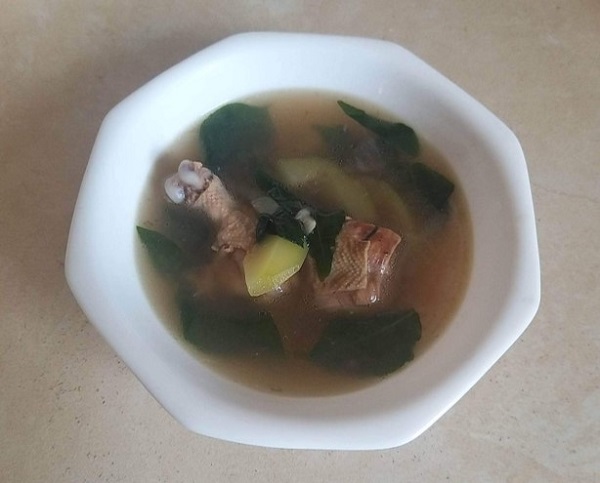
When it comes to Vietnamese cuisine in Japan, dishes like the rice noodle soup “pho” and the Vietnamese sandwich “banh mi” are well-known, but in home cooking, just like in Japan, rice is the staple food. Dishes with a salty or rich flavor that pairs well with rice are popular and frequently appear on the dinner table. Fish stew “Ca Kho” seasoned with Vietnamese fish sauce (nuoc mam) and fried spring rolls “Cha Gio” are widely available as frozen foods, making them popular because they can be prepared simply by frying. Additionally, whether in home cooking, street stalls, or restaurants, people customize their dishes to their liking by adding seasonings such as Vietnamese fish sauce (nuoc mam), soy sauce (nuoc tuong), and chili sauce. A popular vegetable side dish is “Rau Muong Xao Toi” (stir-fried water spinach with garlic). It is easy to make—simply stir-fry the water spinach and season it with garlic and nuoc mam—and because it is nutritious and delicious, it has become a staple of Vietnamese home cooking.
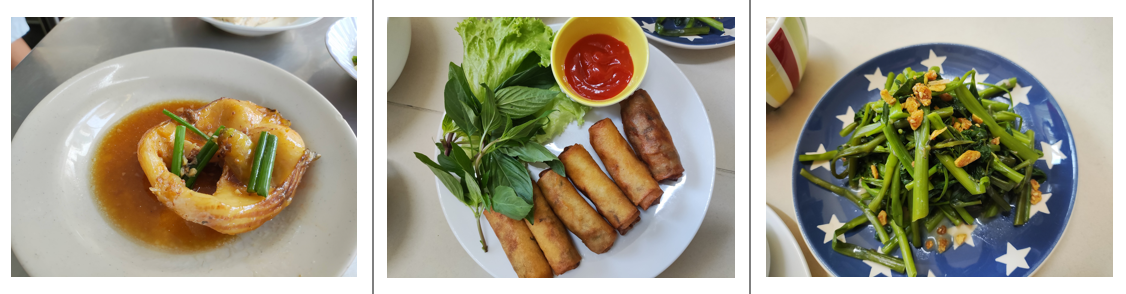
Braised river fish (left), fried spring rolls (center), garlic-stir-fried water spinach (right)
The “wavy knife” used for decorative cutting
In Vietnam, there is a kitchen knife called a “wavy knife” that can be used to cut vegetables and fruits into wavy slices. These knives are sold at general stores and supermarkets in the markets and are used not only in local eateries but also in ordinary households. It is said that cutting vegetables and fruits into wavy slices with this knife not only makes them look beautiful but also allows the flavors to penetrate more deeply. In addition to being used for main vegetable side dishes, pickles—which serve as a side dish for “com tam,” a dish originating in southern Vietnam consisting of seasoned, shredded charcoal-grilled pork served over rice—are also often cut into wavy patterns.
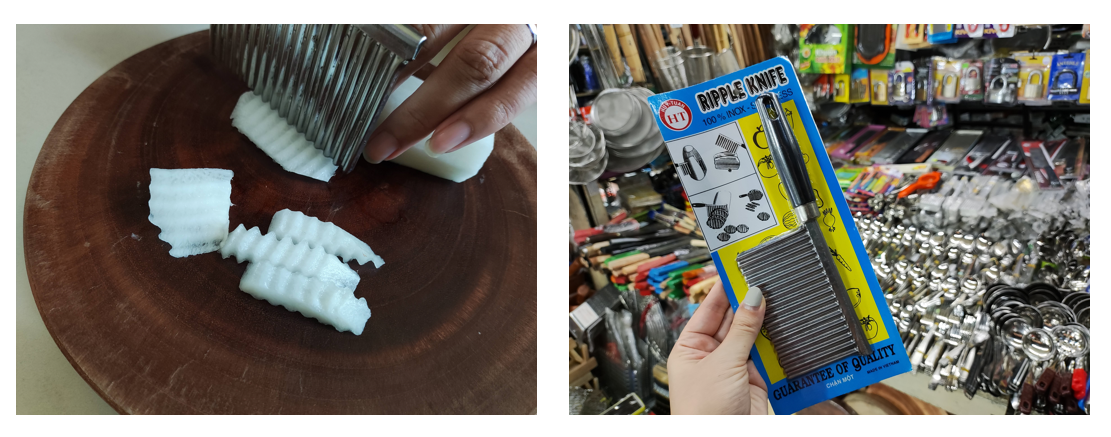
In addition, aluminum pans used for stir-frying are another type of cooking utensil that has long been used in Vietnam.
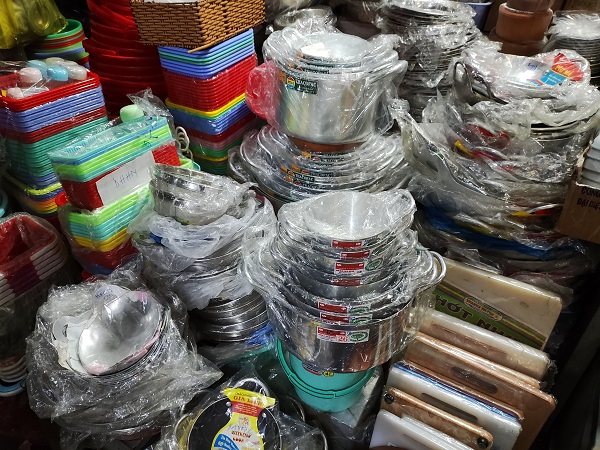
Aluminum dish
Mealtime is a precious moment with the family—before you know it, it turns into a party.
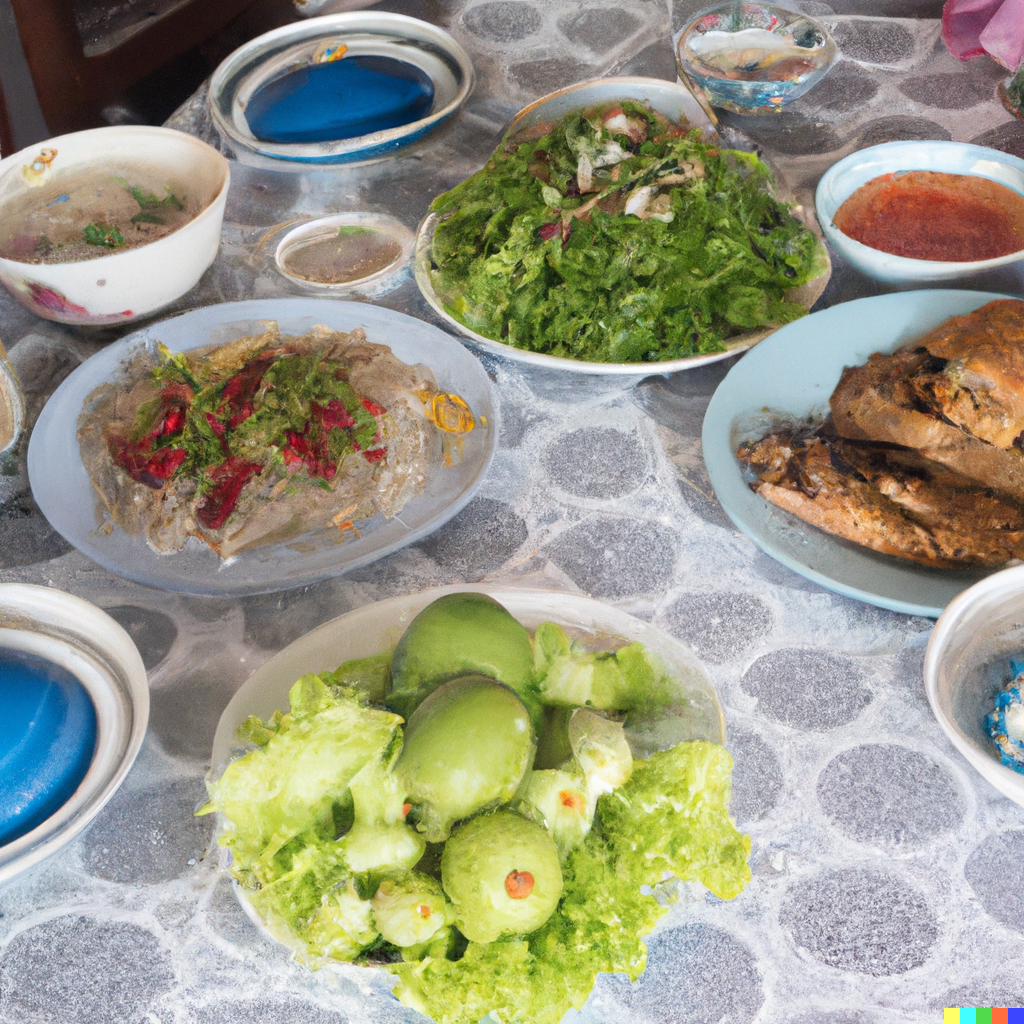
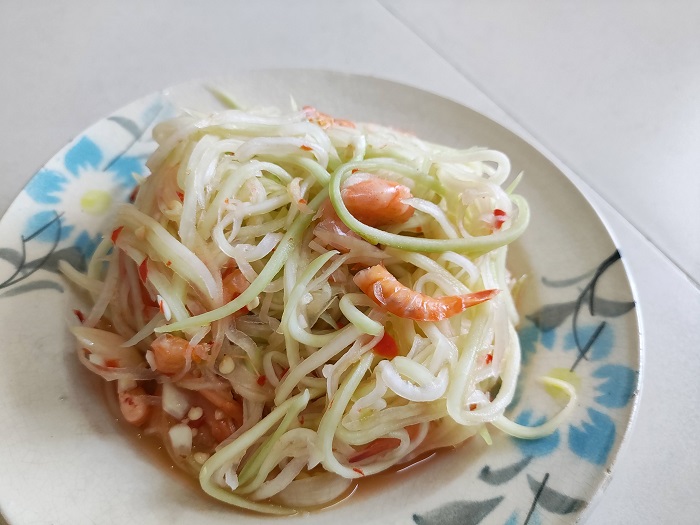
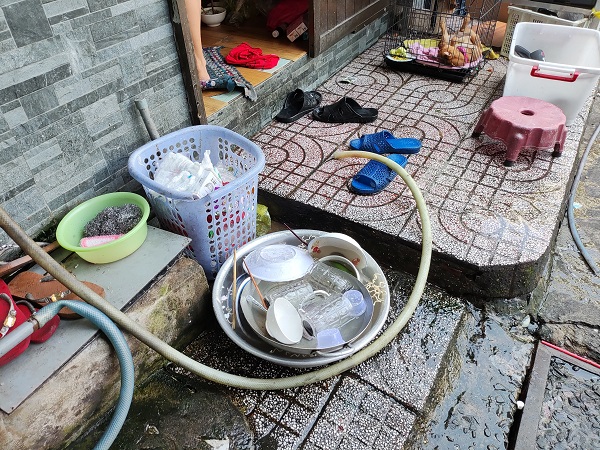
At Vietnamese dining tables, it is common to serve salads, meat and fish dishes, vegetable dishes, soups, and large bowls of steamed white rice on large platters, with everyone helping themselves as they please. Often, plates are placed directly on the floor rather than on the table, and families enjoy their meals together in a relaxed atmosphere. It is not uncommon for people to lay out food on the floor so that neighbors or acquaintances can drop by and join in, and before they know it, a festive gathering has begun. Some families eat soup from soup bowls, while others pour it directly over their rice. After the meal, dishes are gathered and placed in a large basin filled with detergent and water, and cleaned up all at once. While this varies by household, women are often responsible for the cleanup. When rinsing, detergent and dirt are washed off outside the house using a hose (some households wash dishes with water alone, without detergent). Since most Vietnamese households do not have water heaters, cold water is used for washing dishes instead of hot water.
Although nuclear families have been gradually becoming more common in recent years, particularly in urban areas, it is still common for families to eat together across two or three generations. In cities, where both parents often work, time spent together is inevitably limited, making mealtime—when the whole family gathers to share a meal—especially precious. This reflects the cultural value of “family bonds,” which is central to many Vietnamese people. Precisely because Vietnam has a high proportion of dual-income households, mealtime—when family and loved ones come together—is cherished deeply. We hope that people will continue to cherish mealtimes as a way to spend quality time with their families.
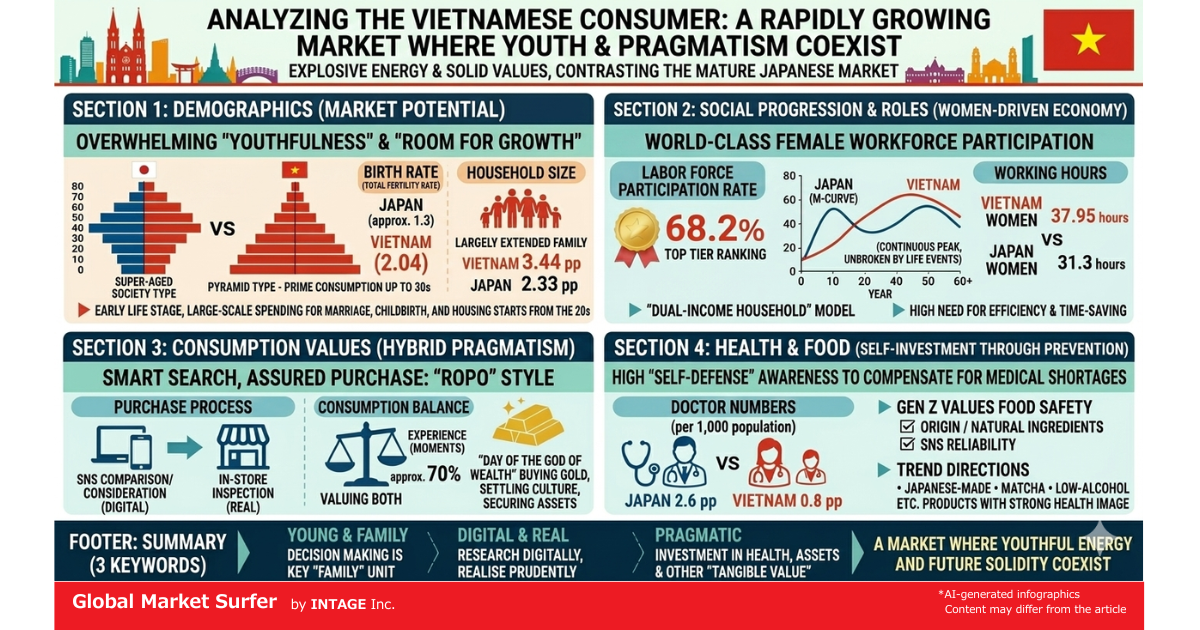
If you’d like to learn more about the “average lifestyle” of Vietnamese people, please also check out this article.
Understanding the Average Vietnamese Consumer A Rapidly Growing Market Where “Youth” and “Practicality” Coexist: Decoding the Fundamentals of Vietnamese Consumers Through Data
・A young average age and high birth rate
・Vietnamese people who prioritize “practicality”
・Growing health consciousness
and more