Shanghai's home cooking scene is quite unique even within China. When invited to a local friend's house, you're greeted by the wife or mother. Just as you're told “Come sit down” and start chatting, the husband or father emerges from the kitchen in an apron, wiping his hands. For many Shanghainese, home cooking isn't their mother's cooking, but their father's.
If you’d like to learn more about home cooking and household routines in various Asian countries, please also check out this article.
From Stocking Up on Ingredients to Cleaning Up: Home Cooking in 8 Asian Countries ~Three Trends Revealed Through Food Culture~
・Countries where groceries are bought daily vs. countries where people buy in bulk
・Seasoning and presentation styles in each country
・Who cooks? Who cleans up?
・Does the family eat together? Or do they eat whenever they like? and more
Using e-commerce, markets, and supermarkets
In Shanghai, food delivery services have been established since around 2018, with Hema Fresh and Dingdong Maicai being the most prominent examples. Both deliver groceries in as little as 30 minutes. Since many middle-aged and older adults are adept at using the apps, these services are utilized by nearly all generations. Additionally, most people seem to split their shopping between local fresh markets, independent greengrocers, and supermarkets within their living areas. Mr. Li (43, male) is a company employee living with his wife and middle school-aged daughter. Both work, but he handles cooking and other household chores since he has more free time. His wife also isn't very good at cooking. They eat out frequently, so he cooks only about 2-3 times a week. He buys groceries either online or at a nearby supermarket, purchasing fresh produce on the day he plans to cook. He explains this is because he insists on “freshness.”
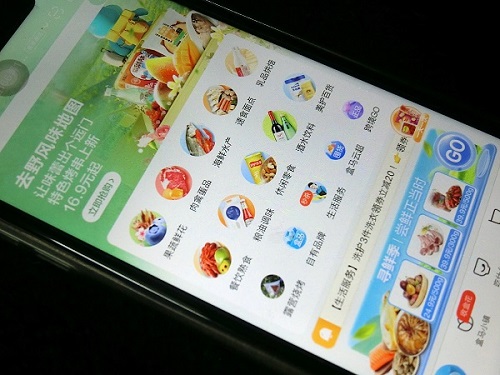
(Photo 1: Hema Fresh screen) Seafood is delivered alive.
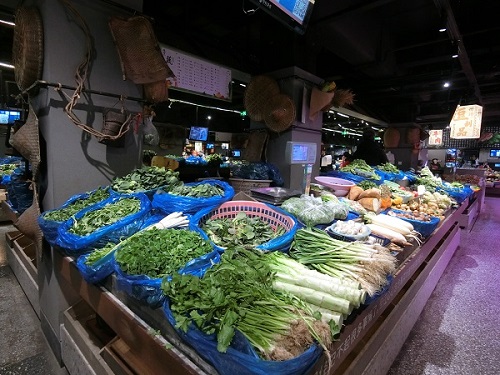
(Photo 2: Food Market) Vegetables, seafood, meat, eggs, dried goods, and more—all sold by weight.
No data was found regarding how often Shanghai natives cook. According to Mr. Li, “The frequency of cooking probably varies from person to person. It depends on work style too, so it's hard to survey.” Ms. Chen (41, female), a company employee and native of Shanghai, lives with her husband's parents, who are from the countryside. Her mother-in-law cooks for them every day. However, her teenage daughter sometimes refuses to eat her mother-in-law's cooking, so they occasionally order Western-style delivery meals. Mr. Zhang (28, male) often stops by his parents' house to drop off his kindergarten-aged son and eats meals prepared by his father alongside his wife. Otherwise, the couple mostly eats out. “Lately, many restaurants welcome young children, so we can bring our kid without hesitation,” he says. Even when asking just a few people close to me about their meal situations, the answers are remarkably varied. However, when cooking, the golden rule seems to be not preparing meals in advance, but rather cooking vegetables and fish bought that very day.
Down-to-earth dishes rooted in Huaiyang cuisine
Recently, more people have been incorporating cooking methods from various regions of China or preparing Western dishes like pasta and steak, but fundamentally, Shanghai cuisine is what's eaten at home. Shanghai cuisine developed under the influence of Huaiyang cuisine, one of China's four great culinary traditions. As Shanghai has a relatively short history as a city, its cuisine lacks the deep historical roots of styles like Cantonese or Sichuan cooking; instead, it reflects adaptations made from the perspective of the common people. Typical dishes include braised pork belly (紅焼肉), sweet and sour spare ribs (糖酢排骨), sweet and spicy braised eggplant (油燜茄子), stir-fried seasonal vegetables (炒時蔬), blanched shrimp (白灼蝦), and steamed freshwater perch with soy sauce (清蒸鱸魚). These are often accompanied by soups like winter melon and salted pork soup or tomato and egg soup. From autumn to winter, Shanghai crab graces the table, and families sometimes enjoy hot pot together in winter. Although Shanghai faces the sea, its cuisine is influenced by inland culinary traditions like those of Jiangsu Province. Consequently, pork, chicken, freshwater fish and shellfish, and vegetables are frequently used. Rice is the staple food, but in Shanghai households, the style is to fill up on side dishes first, eating rice only if still hungry. Often, plain white rice isn't served automatically in homes or restaurants unless specifically requested. For quick meals like breakfast or lunch, dumplings, wontons, or noodles often serve as the main staple.
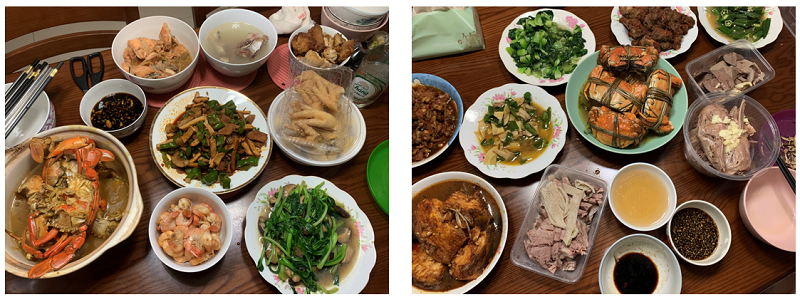
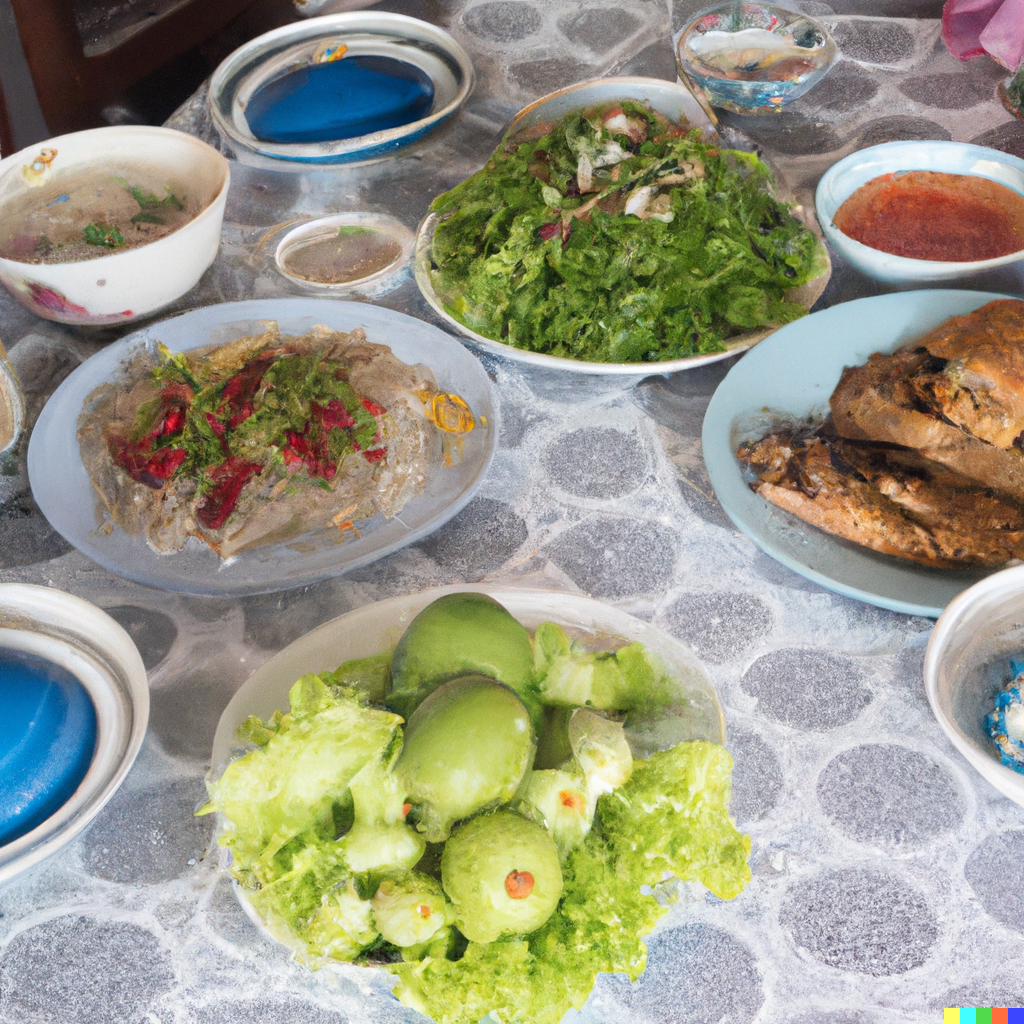
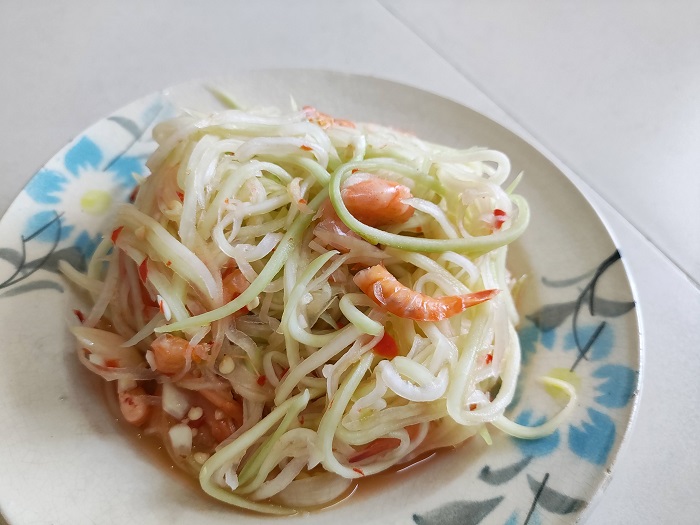
(Photos 3 and 4: Menu at a Shanghai acquaintance's home / Photos from another day at the same household)
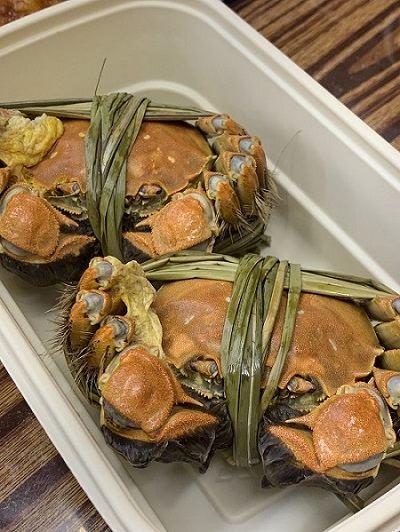
(Photo 5: Shanghai Crab) Generally, Shanghai locals eat Shanghai crab at home (they rarely eat it at restaurants except for entertaining guests). Even middle-class residents in Shanghai frequently enjoy it.
The base flavor is sweet and savory. Seasonings are simple.
Shanghai cuisine is fundamentally characterized by its sweet and savory flavor profile. Commonly used seasonings include light soy sauce, dark soy sauce, cooking wine (based on aged rice wine), chicken bouillon powder, black vinegar, and, crucially, sugar. With just these six seasonings, plus garlic, ginger, and scallions, you can prepare most home-style dishes. When Li cooked for me at a friend's house once, “I'll just buy vinegar and cooking wine. We'll manage with the rest.” He then skillfully prepared the meal using simple, readily available seasonings. Creating deeply flavorful dishes with basic, on-hand seasonings is one of the hallmarks of Shanghai cuisine. Spices commonly used in Chinese cooking (like star anise and chili peppers) are rarely used in Shanghai home cooking. Furthermore, with growing health consciousness, more households are reducing sugar in their cooking.
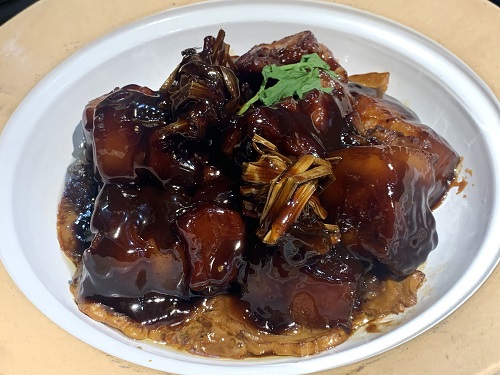
(Photo 6: Red-Braised Pork, a signature Shanghai dish. Rich and sweet.)
The kitchen in an ordinary home
Many middle-class residents in Shanghai live in condominiums or apartments. A key difference from Japan is that kitchens are located near the entrance. While counter kitchens are common, buyers typically choose the layout and interior design, resulting in varied kitchen configurations even within the same building. Cooking is done with gas (not bottled gas), offering stronger heat than in Japan. The wok is the primary cooking utensil. It's used for stir-frying, deep-frying, stewing, boiling noodles, and various other purposes. Clay pots (for stews, soups, etc.), steamers (for steaming buns, Shanghai crabs, etc.), and hotpot sets (including the pot, stove, and pot) are also essential. The square Chinese cleaver is commonly used. Households preparing Western-style meals also use frying pans and saucepans. Microwave ovens are frequently used (for reheating store-bought side dishes or leftovers). Those who enjoy cooking as a DIY hobby often own ovens and home bread makers.
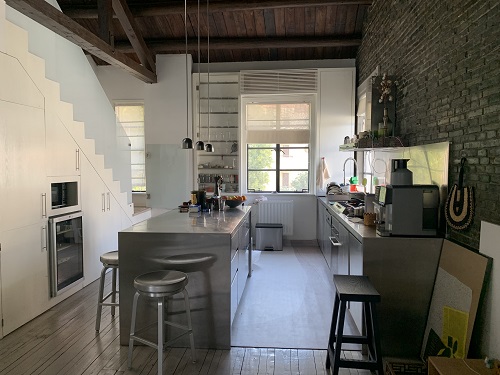
Photo 7: A friend's home in the suburbs. The kitchen of a somewhat spacious apartment. In the center of the counter kitchen is a work surface that doubles as a dining table.
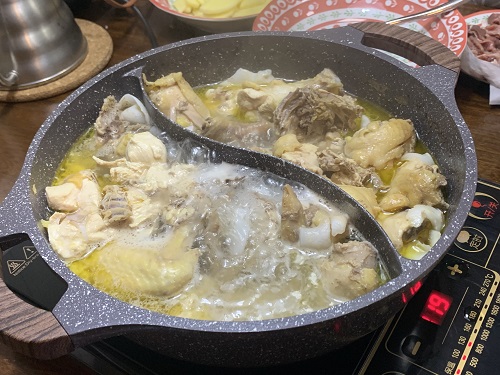
Photo 8: Every household has at least one hot pot stove and pot.
Dinner is a time for everyone to enjoy themselves.
Visiting a Shanghai family, the dining table is a place for gathering, yet it often feels like everyone eats as they please. Children wander off once they're full, and the adults don't call them back. Grandpa might finish something in his room before joining the meal (starting to eat without waiting for everyone to be seated). Dad might still be cooking in the kitchen, and if you wait patiently with a Japanese sensibility, you might get scolded: “Why haven't you started eating yet? It'll get cold!” Food is generally served on large platters, and everyone takes portions into their own bowls. Meals often include beer or other alcoholic drinks, and plain rice is served toward the end. Cleaning up is Dad's job. If you try to help, thinking “At least carry it to the sink,” you might be firmly told off with “Sit down!” Mom and Grandma usually just stay seated at the table, chatting or watching TV.
As I mentioned earlier, the dining experience in Shanghai households feels quite unique to Japanese people. Yet, meals at colleagues' or friends' homes always leave me thoroughly relaxed. Perhaps it's because there's absolutely nothing to be cautious about. But the fathers in charge of cooking know their children's favorite dishes and ingredients inside out. Sometimes the children are closer to their fathers than their mothers. When I visit, they greet me with words like, “I bought this year's first Shanghai crab for you.” Everything is a bit scattered, but for Shanghai people, home cooking might be about putting the eater's feelings first.