Introduction.
Regardless of the country, one of the most important tasks for expatriates is to take care of their health. And in Bangkok, it's not just me as a Gaijin, it seems that maintaining good health is not easy for Thais either. In fact, about 25% of Bangkok residents are diabetic, and 9% of children under the age of 15 are diabetic, according to one study. It is said that Thais consume an average of about 30 kg of sugar a year (equivalent to 20 teaspoons a day), which is more than three times the global standard. I often see overweight and underweight Thais on the streets. It is not uncommon for home visitors in Bangkok to hear about symptoms of diabetes, many of which are caused by delays in treatment. In this article, I would like to discuss Thai people and health.If you're interested in learning about the health of Generation Z across Asian countries, please also check out this article.
Understanding Generation Z Around the World: Country-Specific Trends Through Values and Daily Life

Low-sodium, low-calorie, and low-sugar measures
Many people may be aware that Thai food is relatively healthy, but Thai food in Thailand is rather the opposite, with many dishes being high in sugar, salt, and oil. For example, Pad Thai (Thai fried noodles) is said to have about 1,000 Kcal per plate. It has a lot of sugar due to its sweet flavor, and when you eat it, you can add more sugar to it (it tastes good). Green curry and Khao Man Gai (chicken rice) are said to contain about 800 Kcal (Big Mac is about 530 Kcal). If you use a lot of these foods because you are familiar with them and think they are easy to eat, you will end up with too many calories without knowing it. It is difficult to completely control calories and additives. That's because eating out and eating in is a basic rule for Thais. You can't see how the food is prepared in a restaurant where you can't see the kitchen, so it's normal to make various requests about seasoning when you order. Not only for food, but even for a cup of coffee, people give detailed instructions on the name of the coffee they want, how cold or hot they want it, and how sweet they want it. This is also connected to the fact that Thailand is a "customize everything" culture. If you don't tell them what you like, Japanese people who are not used to the default taste of coffee in Thailand will be forced to drink something terribly sweet. Of course, the recipe is made that way because a certain number of people prefer that taste, but nowadays, more and more people are specifying black coffee. As for canned coffee, unfortunately, there is no such thing as completely sugar-free coffee in convenience stores. Even if the coffee is labeled as sugar-free, it still contains sweetener and you can feel the sweetness.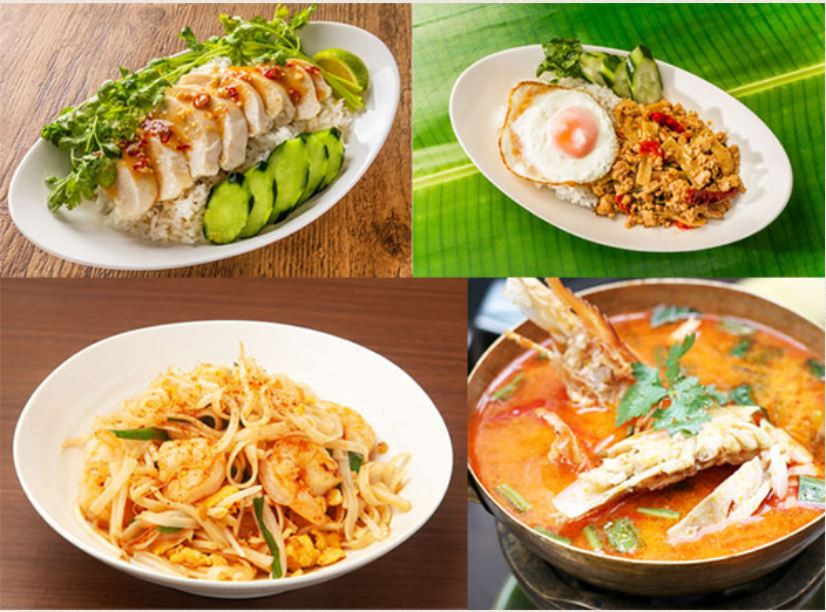
Countermeasures against lack of exercise
Lack of exercise is true for many Thais. For example, office workers commute by car for 2-4 hours a day round trip, and spend about 7 hours in the office, which means they are sitting for about half of the day. Even if you commute by train, you can take a car or a motorcycle cab from your house to the nearest station, and then take a motorcycle cab again for the last mile to the office, so it's actually a very convenient society where you can commute without moving your body that much. I call it the 10-minute walk problem, but since 10 minutes on foot is a distance that Thai people no longer want to walk, cabs and motorcycle cabs are often used, partly because they are cheaper. In response to this lack of exercise in society, running and marathons have boomed in 2017 and have now taken root. As a result, 1,275 marathon events will be held across the country in 2019 alone. At Lumpini Park near my office, many runners sweat every evening until the park closes at 9 p.m. About half of them are wearing T-shirts that they probably got from the marathon with the word "Finisher" printed on the back. The numbers printed on the back of the t-shirts vary from 10km to 100km, but each one carries a sense of pride on its back.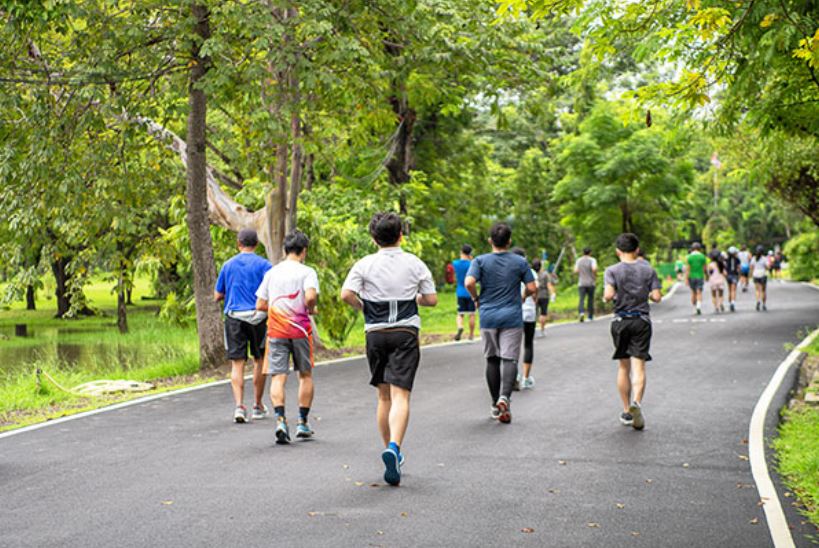
Popularization of health care products and the proposal power of e-commerce sites
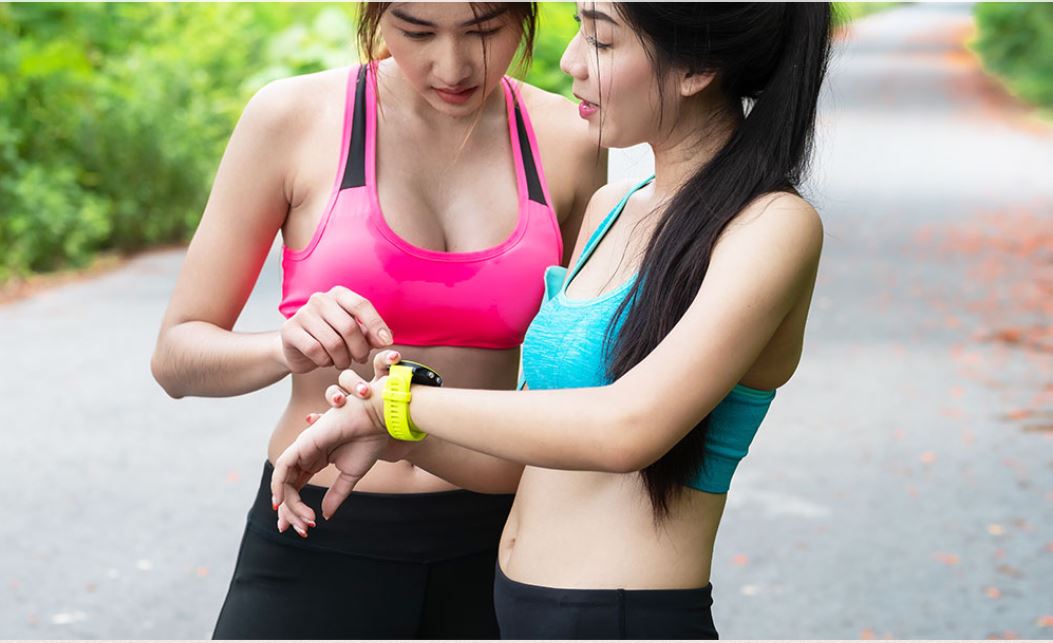
Lastly, I would like to talk about health care products and e-commerce sites. In some convenience stores in Thailand, pay-per-use scales are suddenly placed next to the entrance. Weight management is one of the most important and convenient numerical indicators for health, but the situation on the sales floor makes me think that a scale is not a household item. The other day, I saw a blood pressure monitor on display at Watsons, a major drugstore, and I also saw a scale at a small mall in my neighborhood. Perhaps the demand has changed somewhat, but I think the day when scales have some presence on the sales floor is still far away. When I talked about blood pressure monitors with a teacher of the same age at my Thai language school, she didn't even know that they were sold in the first place, and was very happy when I told her that she could buy one online. It seems like it will be a long time before such health care products become popular in households, but I believe that they will spread rapidly. The reason for this is that Thai people's awareness of health management through diet and exercise continues to grow, and the population of people in their 40s and above will increase as their needs become apparent. By the way, e-commerce sites in Thailand have seen explosive sales growth in the past year. Thailand's EC market is expected to grow by 18% YoY to about 478.8 billion yen in 2019. The percentage of online shopping orders placed via smartphones is 71%, higher than the global average of 55%. I actually purchased a scale from the popular e-commerce site Lazada in June of this year. Since I was using a Huawei smartphone (Nova lite 2), I already got a Huawei Honor Band 4 (about 3,300 yen) of the same brand as my activity meter and linked it to my smartphone. I have been using the app to track my daily calorie consumption, the number of steps I've walked, and the amount of walking exercise I've done. Since I knew that the app on my phone could record my weight and body fat percentage, I gradually began to think that it would be a shame not to take advantage of it, so I started looking for a body fat scale at Lazada and found various brands of body fat scales that could be linked to my phone. The Chinese Xiaomi brand is particularly cheap, costing less than 3000 yen. The Japanese brand scales are quite expensive at 19,000 yen and I can't afford them. The Huawei body fat scale that I originally wanted was also over my budget at about 7,000 yen, but there were enough products with body fat measurement functions for me to compare and consider, and I knew that I could shop much more convincingly on the e-commerce site.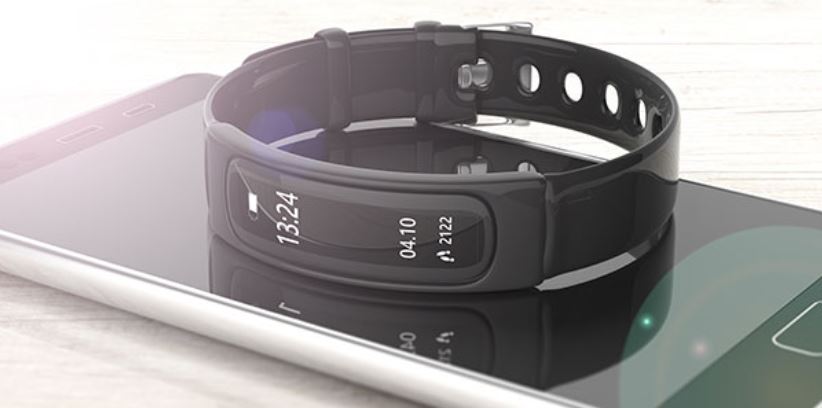

Accelerate decision-making with smart overseas resident data
Global Viewer
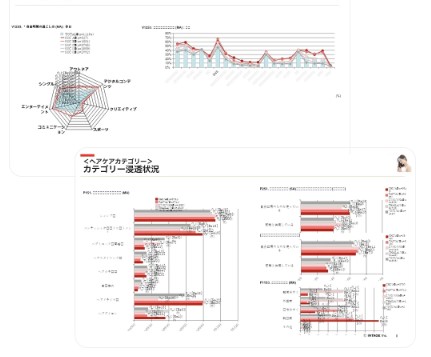
This service provides reports tailored to your issues using questionnaire data on various actual conditions and attitudes of sei-katsu-sha in 11 countries (Asia and US) stocked by INTAGE.
The service covers 400 items, including actual behavioral conditions and awareness, values, and information contact related to various product and service categories.