Kitchen locations and types in Vietnam
In urban Vietnam, a house is generally standardized to be long and narrow ( frontage of 5m, depth of 25m), so there is not much difference in the internal structure, with the kitchen at the far end. Kitchens are usually L-shaped or I-shaped and are not visible from the living room, while island kitchens are becoming increasingly common in new houses. On the other hand, in flats, the kitchen is now located near the entrance. This is because a kitchen near the entrance allows the living room to be located by a window with a bright view. Kitchens in flats are often designed to blend in with the interior, even if they are visible from the living room. The most common kitchen type is the I-shape, but smaller L-shapes are also common.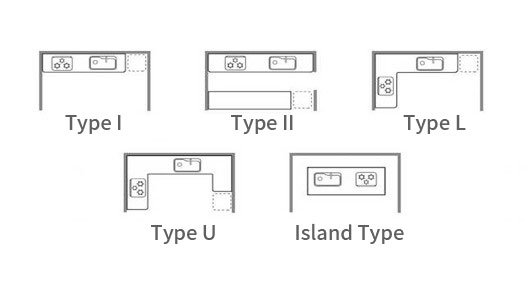
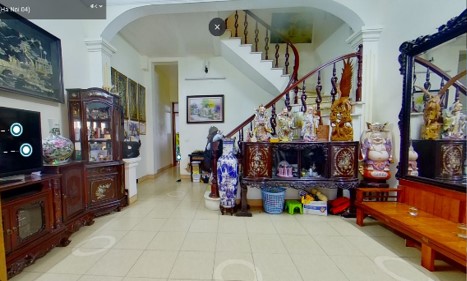
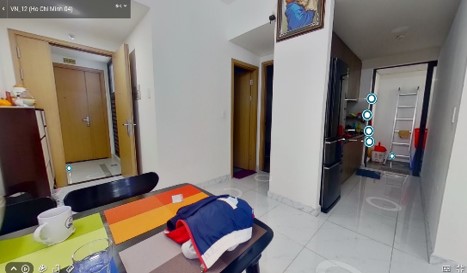
<マンション 居間からキッチンが見える>
Design of the kitchen
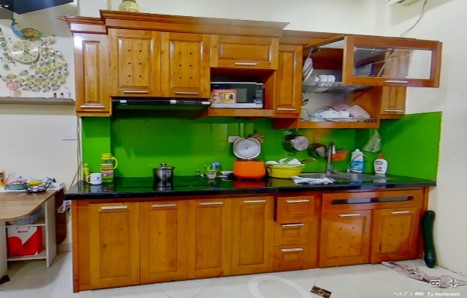
Most of the new houses in Vietnam are equipped with western style kitchens. These include white (e.g. marble), wooden and wood-grained designs. Designers of kitchens for the wealthy are increasingly coming up with clean white designs, with considerable ingenuity to make them easy to take things out. Wooden designs reflect the Vietnamese preference for heavy, luxurious wooden furniture, which is also reflected in kitchens, which are characterized by dark shades. In flats, stylish wood-grain designs are very popular. For cooking, IH cookers or interchangeable gas cylinders are used. As city gas is not well developed, interchangeable gas cylinders are installed under the gas stove in detached houses, but IH cookers are often installed in flats as the use of gas is forbidden in some places.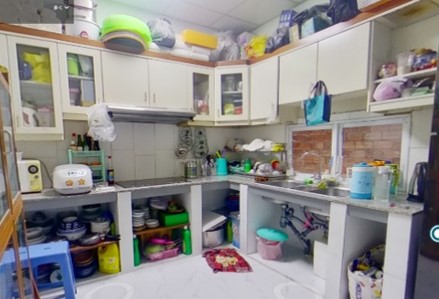
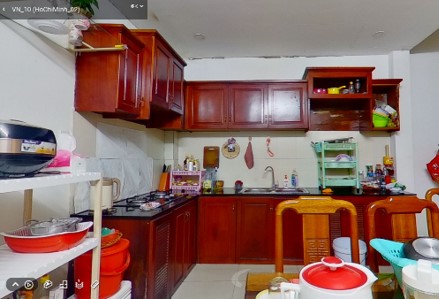
Source: Intage Consumer Database, Consumer Life Panorama
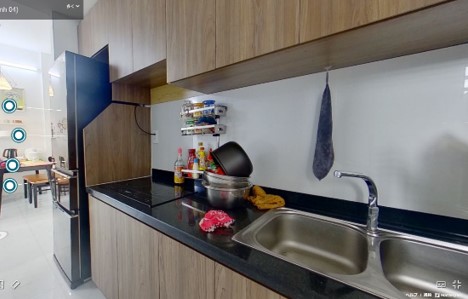
Kitchen cabinet/ cupboard: The difference between wealthy and middle class
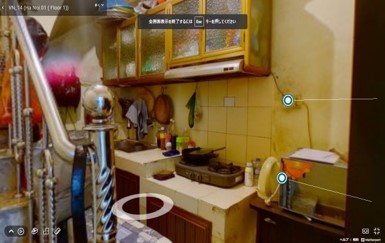
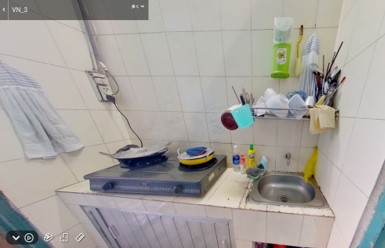
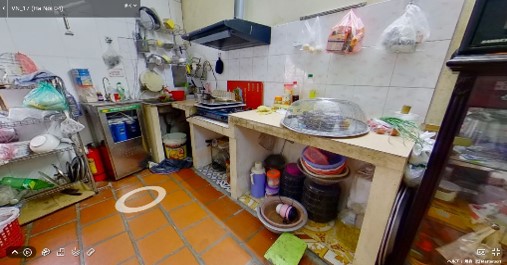
Hanging storage is the most common type of storage in middle-class kitchens. This is because kitchens are simply piled with bricks and fitted with a stand, so there is little space for storage above and below. In addition, most cooking items in Vietnam have holes in them, indicating the high demand for hanging storage. Although the cooking utensils are in full view, the kitchen is very user-friendly with good use of walls and hooks.
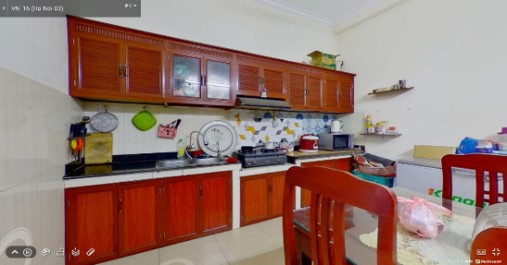
On the other hand, the affluent kitchen has storage shelves in the upper and lower sections, giving it a clean look. The kitchen storage for the affluent kitchen is designed as an "interior," and the storage section is produced elsewhere with wood or heat-resistant board, and then fitted into the kitchen to complete the design.
However, it is worth noting that even among affluent households, hanging storage is commonly used. In Vietnam, job transfers that require relocation are very rare, and there are many cases where three generations live together in homes passed down through families. Against this backdrop, individual income does not necessarily correlate with kitchen design or storage styles, and hanging storage can often be seen even in high-income households’ kitchens.
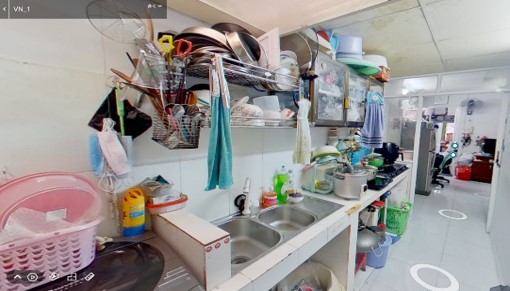
Source: Intage Consumer Database, Consumer Life Panorama
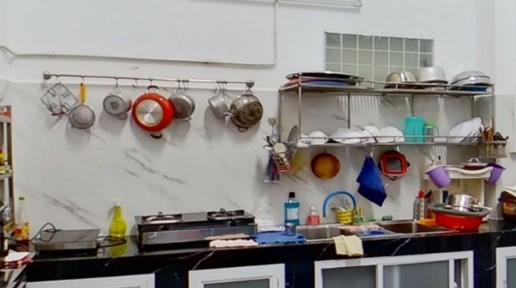
Source: Intage Consumer Database, Consumer Life Panorama
Kitchen Storage: Differences between Ho Chi Minh City and Hanoi
One of the differences between cities is the availability of ventilation fans. In Hanoi, where there are four seasons, ventilation fans are considered essential and most houses, even those in the middle classes, are equipped with fans. On the other hand, in Ho Chi Minh, where the climate is warm all year round and people live with the windows open, the need for ventilation is low and many kitchens do not have ventilation fans, and consequently, some kitchens do not have upper storage.