The spread of the new corona infection seems to have changed Vietnamese people's attitudes toward cooking for themselves and their health.
According to the Vietnam Statistical Survey, the Engel's coefficient, the ratio of food expenditure to consumption expenditure, is on a downward trend, from 51% in 2016 to 47.4% in 2020. However, according to the Japanese household survey, it is 27.5% in 2020, so the Engel's coefficient is still high in Vietnam.
On the other hand, eating out accounts for 12.0% of meals in Vietnam in 2018, the latest data available. It is especially high in urban areas, at 14.3%, which is almost the same as Japan's 2018 data of 16.6%. In other words, people enjoyed eating out even if they were not so affluent.
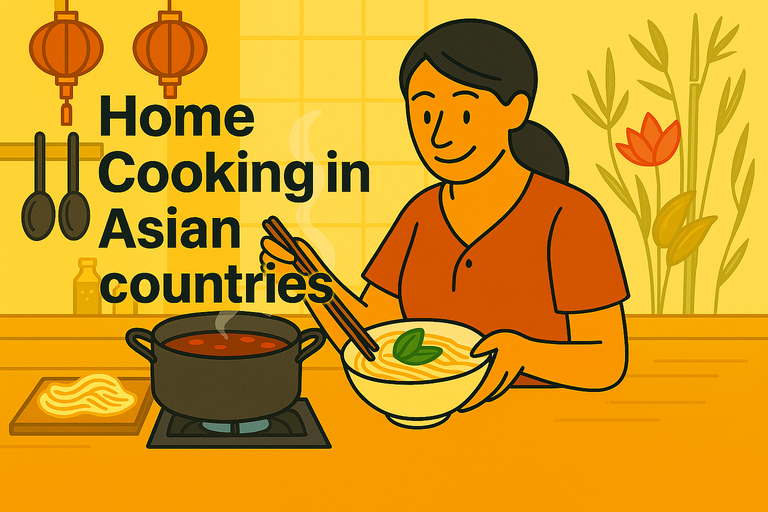
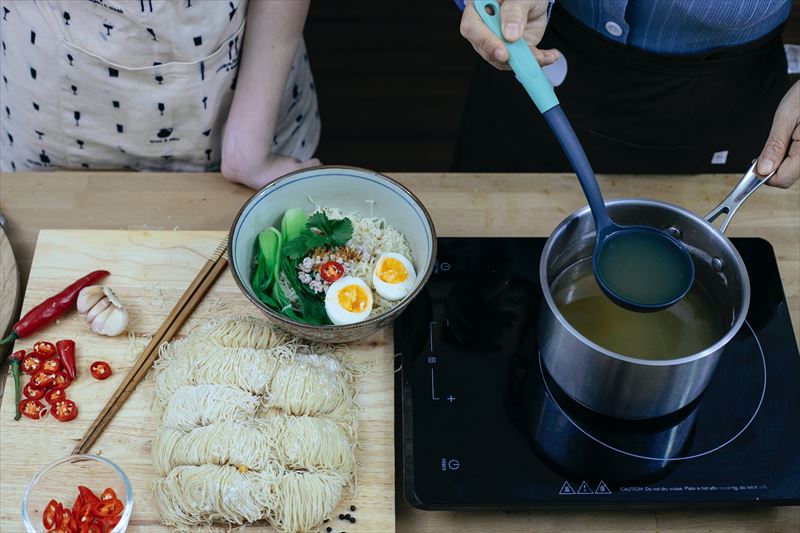
However, the lockdown caused by the spread of the new corona infection deprived people of the opportunity to eat out, and the suspension of restaurant delivery caused a semi-compulsory switch to self-catering. The increase in self-catering opportunities triggered people's awareness of food and health, and it became a trend for a while to cook healthy and creative dishes using ingredients available at home and post them on SNS.
According to our survey, some of these dishes include Japanese seaweed rolls, ramen noodles with Japanese seasonings, and desserts, all of which were previously considered eating out. It is thought that there is a segment of the population that has shifted from the former "taking out a quick meal at a food stall" to "healthy homemade food that pays more attention to health.
However, there are many issues such as not knowing how to use new foods and seasonings. Companies should try to make cooking and self-catering more entertaining by providing instructions on how to cook through recipe videos, or by mixing Japanese and Vietnamese cuisine. This may help cultivate demand.
Source: Monthly magazine ACCESS (November 2021 issue)
Translated with AI Translator
 Global Market Research Knowledge HubGlobal Market Surferby INTAGE Inc.