 Global Market Surfer
 CLP
CLP Column
China: New Function Added to Alipay / A Clue to Solving the Problem of Household Waste Separation
- Release date: Oct 11, 2019
- 2545 Views
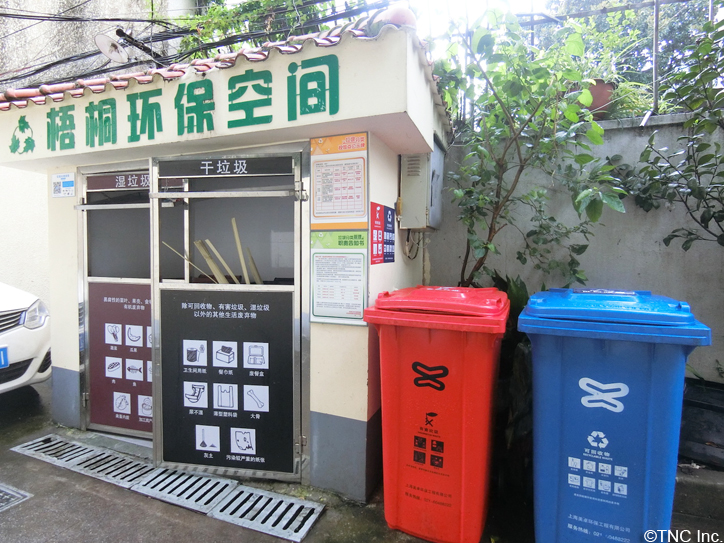
Household Waste Sorting Begins in Shanghai, Complicated and Difficult
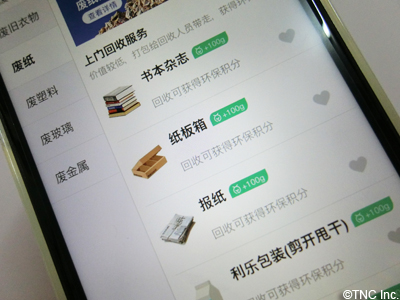
Starting in July 2019, Shanghai became the first city in the country to legalize the separation of household waste. Violations will result in a fine of 200 yuan (about 3,150 yen). However, many people say that the separation is complicated and difficult to understand, such as "food waste and used tissues are separate," and "bottles are recyclable waste, but bottles of medicines are treated as dangerous goods. In such a situation, Alipay, a payment application commonly used by all generations of Shanghai people, has introduced a function that can identify garbage using AR. If you scan a piece of trash that you don't know how to sort, it will show you which trash it belongs to. Another function "易代扔" is a mini program that collects your recyclable and bulky trash. Depending on the amount of waste you put out, you can earn eco-points in the "Ant Forest"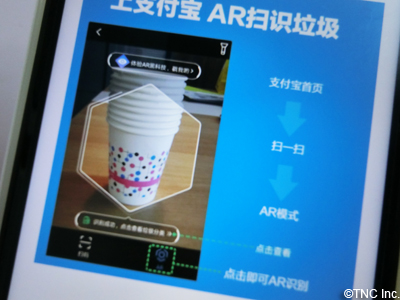
Improving awareness of waste and recycling by adding functions to daily-use apps
The law was enforced after only a one-month preparation period, despite the fact that there had previously been no real concept of sorting household waste. As a result, many people were confused, and even Japanese residents who are accustomed to waste separation have commented that the rules are overly complicated.
For example, at food waste collection points, nothing other than food waste—not even plastic bags—may be disposed of. This means that food waste cannot be put in drain nets or plastic liners; instead, it must be placed directly into the bin, often after being kept in a colander or strainer (leftover food may even be poured directly from a pot into the collection container).
Some media reports describe strict monitoring and enforcement against violators, but from the perspective of everyday residents, the rules do not feel particularly harsh. There are not guards constantly watching the collection sites, and violations do not automatically result in fines. Even if waste is thrown into the wrong bin, it is said that local sanitation staff will correct it.
It is also believed that by adding waste-related functions to apps that people already use in their daily lives, the authorities aimed to encourage greater awareness of waste separation and recycling collection.
-
Author profile
TNC ASIA Trend Lab
TNC ASIA Trend Lab is an information organization run by TNC Inc. that researches and shares trends in Asia. It supports corporate marketing activities by finding insights from trends rooted in the lifestyles and habits of local consumers. http://tnc-trend.jp/
-

Editor profile
Intage Inc.
***