Global Market Surfer
 CLP
CLP Column
Pillion Passengers: The Data Behind Indonesia's Motorbike Gender Gap
- Release date: Feb 05, 2026
- Update date: Feb 05, 2026
- 1285 Views
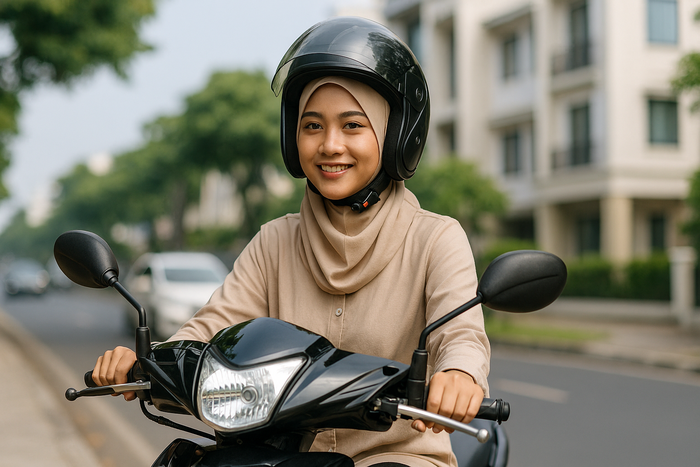
JAKARTA – Meet Rani (28) from Medan. She’s brave, smart, and last year she got her SIM C (motorbike license). Her boyfriend taught her in empty parking lots, laughing and wobbling under the streetlights. She was so proud. But that pride now sits unused in her wallet.
She hesitates to navigate the chaotic "perempatan Amplas" intersection alone. Male friends joke, "Ah, memang perempuan belum bisa kalau di jalan yang ramai" (See, women can't handle busy roads). The one time she took her father’s motorbike out, she returned to a subtle lecture about being "reckless." Her confidence, painstakingly earned in those parking lots, slowly eroded by a single, disapproving look.
Rani’s story is at the heart of the latest data from Intage Indonesia's survey of 400 households. It shows that even on the nation's great equalizer—the motorbike—a significant gap persists between who is on the bike and who is in control.
目次
1.The License to Ride: The First Barrier
The survey results show that the most fundamental question of mobility—who has the legal right to operate a vehicle—still yields a gendered answer. Rani has cleared this hurdle, but many haven’t.
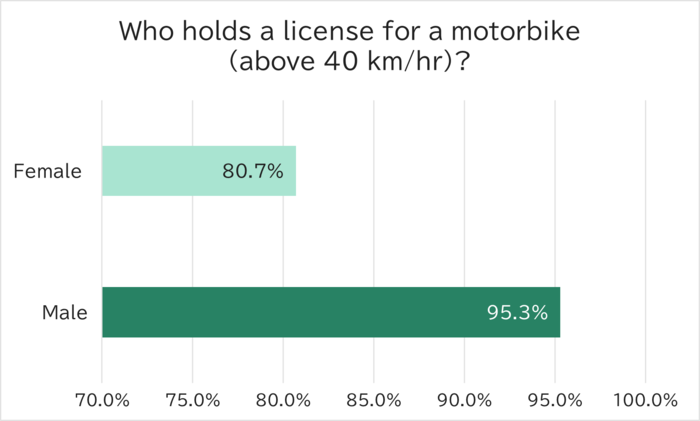
Graph 1: The Motorbike License Gap
Who holds a license for a motorbike (above 40 km/hr)?
Source: Intage Indonesia Survey, N=403 respondents across 3 major cities
While four out of five women are licensed to ride—a significant figure—there's still a 15-point gap. This is the first and largest hurdle. For every Rani who gets her license, there’s another woman who is told it’s unnecessary, or too dangerous, or just not her place.
2.The Riding Reality: Who is Twisting the Throttle?
But as Rani knows, a license in your wallet doesn’t mean wind in your hair. The survey's questions about weekly usage reveal how confidence—or the lack of it—shapes reality.
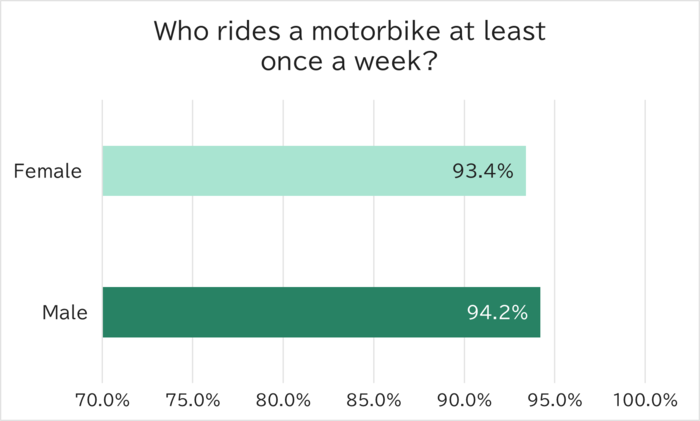
Graph 2: The Weekly Rider Gap
Who rides a motorbike at least once a week?
Source: Intage Indonesia Survey, N=403 respondents across 3 major cities
This is the smallest gap, which is hopeful! But it means a portion of women with licenses are still not weekly riders. They are perpetual passengers, their mobility dependent on someone else's schedule and willingness to drive. They are, in a sense, licensed to… wait.
11カ国の定量データを即座に活用Global Viewer
世界11カ国・数万人規模のアンケート結果を凝縮した「定量ストックデータ」サービスで、主要カテゴリーの購買行動や意識を国間比較分析。ゼロから調査を企画する時間を省き、スピーディーに対象者理解。
3.A Shock of Progress: Bunga and the Electric Escape
Yet, amidst this landscape, there is a fascinating and hopeful trend. It’s the story of Bunga (23), a digital native in Jakarta.
She never felt comfortable with the loud, greasy motorbikes her brothers used. They felt like “boy’s toys.” But when sleek, quiet electric scooters hit the market, it was different. This wasn’t a macho machine; it was a smart, modern gadget. She used an app to learn, bought it with her own salary, and now weaves through traffic on her own terms. Her family didn’t feel the need to “protect” her from this new technology.
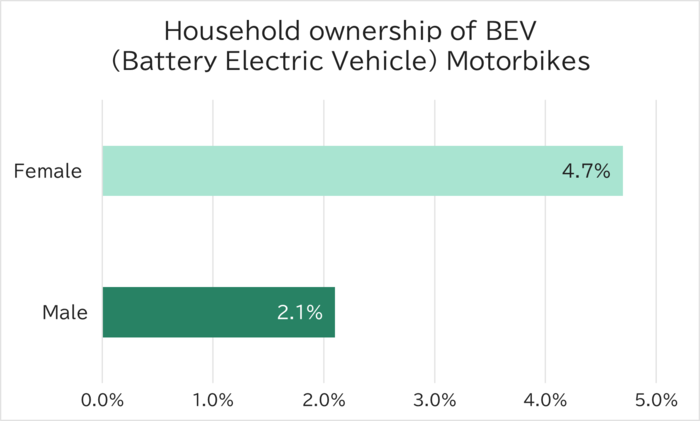
Graph 3: Who's Adopting Electric Motorbikes?
Household ownership of BEV (Battery Electric Vehicle) Motorbikes
Source: Intage Indonesia Survey, N=403 respondents across 3 major cities
Women are more than twice as likely to report household ownership of an electric motorbike. Bunga’s story shows why: new technology can create a loophole in cultural norms. It offers a path to independence that doesn’t challenge old paradigms head-on but simply bypasses them with a quiet, electric hum.
For Rani, still building her confidence, and for Bunga, charging ahead on her e-scooter, the dream is the same: the uncomplicated freedom of the open road, and the right to decide for themselves which way to turn.

-

Author profile
Intage Indonesia
***
-
Editor profile
Chew Fong-Tat
Malaysian researcher who has lived in Japan for 14 years and has handled many surveys on ASEAN countries.