目次
- 1. The key to understanding the Vietnamese national character lies in their “unbreakable victorious nation mentality.”
- 2. Instantly shedding “inconvenience.” Remarkable adaptability to navigate dramatic infrastructure shifts.
- 3. The key to successful market entry lies beyond “taste.” Why added experiential value is essential.
- 4. The Sweeping Popularity of Korean Trends and the Evolving Traditional “Ao Dai”
- 5. The True Nature of “Unbreakable Pride” That Accelerates Change
1. The key to understanding the Vietnamese national character lies in their “unbreakable victorious nation mentality.”
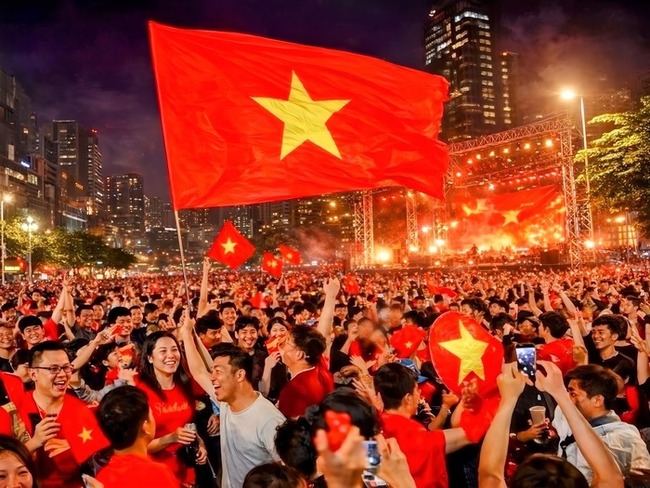
It is not merely patriotism, but rather an unshakable sense of self-worth and a powerful optimism about the future, cultivated by a history of triumphs over major powers.
This intense pride—this conviction that “we cannot lose”—is the driving force behind the nation's current dramatic economic growth.
Vietnam now stands at a pivotal moment where societal foundations are shifting—marked by the opening of the metro and the shift toward EVs. People's values are also updating at an unprecedented speed. Yet, no matter how much infrastructure modernizes, the essence of their underlying “unbreakable pride” remains unshaken.
Using the dramatically changing local trends as our lens, we aim to delve into the multifaceted national character driving this nation forward.
2. Instantly shedding “inconvenience.” Remarkable adaptability to navigate dramatic infrastructure shifts.
Vietnam's transportation infrastructure is now at a historic turning point. The Ho Chi Minh City Metro Line 1 is symbolic of this shift. During its construction, skepticism was widespread locally, with many saying, “Vietnamese people love their motorbikes, so no one will ever use the train.”
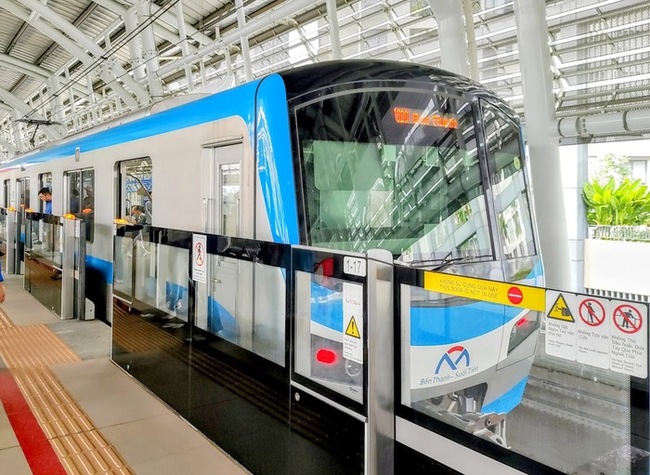
However, when service began at the end of 2024, that prediction was spectacularly proven wrong. The sight of citizens flocking to the cool, comfortable carriages symbolized their rationality and resilience to change—the moment they experienced the convenience, they effortlessly shed their old habits.
※This is a reel video, so please be mindful of the volume when playing it.
In southern Vietnam especially, this “fondness for novelty” and “cash-only” nature was strikingly evident when ride-sharing service Grab first entered the market. At the time, fierce turf wars erupted with individual motorcycle taxis known as “xe om,” leading to a series of troubles and news stories across the region.
But that's ancient history now. Once people experience the convenience firsthand, it quickly becomes established as part of their daily infrastructure, as if the past friction never happened.
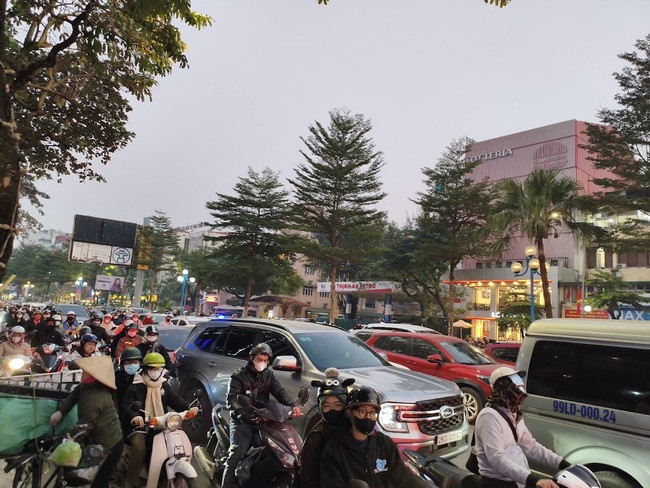
And now, this country is in the midst of an even greater transformation: moving away from gasoline. In Hanoi, exposed to winter air pollution said to be among the world's worst, regulations restricting gasoline motorcycles were decided on July 12, 2025, by order of the Prime Minister, aiming for environmental protection and air pollution control. Strong government steering is rapidly pushing forward the transition to electric motorcycles.
Parallel to infrastructure development, electric vehicles (EVs) are also surging. The demand from the affluent class for imported cars, despite high tariffs, is so strong that 2025 is set to record the highest number of imports ever.
The urban landscape, once described as “bikes filling the streets,” is being transformed into a smarter city vision where public transport and EVs are gaining prominence. Rather than fearing change, the adaptability seems to embrace the wave—a proactive stance fueled by an indomitable pride.
3. The key to successful market entry lies beyond “taste.” Why added experiential value is essential.
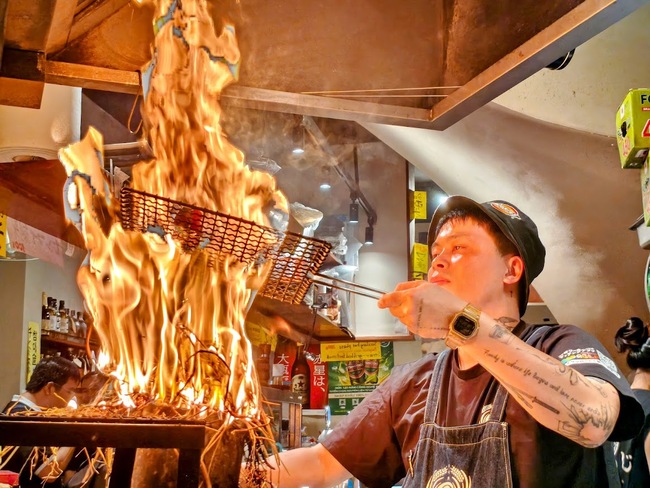
Owners considering entering the Vietnamese market often say, “If the taste and quality are good enough, we can compete.” However, the reality on the ground isn't that simple.
First, it's crucial to understand the ‘conservatism’ of the general population regarding food. While restaurants serving cuisines from around the world continue to open in urban areas, traditional dishes like pho and banh mi remain central to daily meals. Foreign cuisine is still firmly positioned as a “once-a-month event.”
If you aim to capture the everyday stomach, you'll be forced to compete in the already saturated Vietnamese food market, drastically increasing the difficulty of running a successful business.
This is where providing added value—beyond just the dining experience—such as the “space” or the ‘story’ becomes crucial. Among high-income groups and trend-sensitive consumers, the expectation that “deliciousness is a given” is already widely shared, making it increasingly difficult to be chosen based on taste alone.
For example, the trend is symbolized by Ciel Dining, selected as the “World's Best New Restaurant” in 2025, and the popularity of the “omakase” style in Japanese cuisine.
What they seek isn't just the luxury ingredient “uni” itself. It's the value that includes the “sense of exclusivity” – the experience of enjoying it in what kind of space and with what kind of story.
This isn't limited to high-end establishments. Even mid-priced restaurants must incorporate uniquely creative interiors that people want to share on social media or service experiences that feel fresh to locals, or they risk becoming a “one-time visit” spot.
When challenging the Vietnamese market, the question isn't just about “pursuing flavor,” but also about designing how to be perceived and experienced as a “foreign culture.”
It's not just about filling stomachs; the absolute condition for building a business that will be loved long-term is that extra something – the mechanisms that stimulate their ‘curiosity’ and “desire to own.”
4. The Sweeping Popularity of Korean Trends and the Evolving Traditional “Ao Dai”

Image source: https://paradox.vn/blogs/xu-huong-thoi-trang/5-phong-cach-thoi-trang-gen-z
Walking through the streets of Vietnam, one notices how dramatically young people's attire has changed in recent years.
As of 2026, the fashion scene for Generation Z is undoubtedly led by “K-Style,” heavily influenced by Korea.
Looking back at Ho Chi Minh City ten years ago, the attire of people on the streets was extremely simple. T-shirts, shorts, and flat sandals on their feet. That rough, unadorned style was the everyday scene in the south.
However, now that K-POP has permeated beyond music into all aspects of lifestyle, that scene is becoming a thing of the past. It's now commonplace to see young people enjoying clean, sophisticated Korean-style looks or outfits incorporating street elements throughout the city.
What's interesting here is that the “fluffy, cute fashion represented by dresses,” often favored in Japan, doesn't resonate much with today's young Vietnamese.
What they seek is not sweetness, but styles that convey an independent strength—styles that are “beautiful,” “cool,” and “street.”
The dramatic shift in their aesthetic sensibilities is immediately apparent when you see the sophisticated looks of the young people gathering at Saigon's hottest fashion building, “11 Garmentory.”
※This is a reel video, so please be mindful of the volume when playing it.
However, they are not merely imitating foreign cultures. The transformation of the traditional Vietnamese garment, the ao dai—a source of national pride—symbolizes this shift.
In recent years, the ao dai has shed its stereotype as “something worn only for ceremonies,” embracing free variations. New designs released by local brands one after another have evolved into styles enjoyable as everyday fashion, featuring bold reinterpretations of the silhouette and combinations with modern materials.
While maintaining traditional elegance, it has been updated into a piece that Gen Z can wear “stylishly” in their own way.
They are transforming the “casual everyday” of the past into a “refined style” with their own hands.
Their sensibility, which flexibly absorbs foreign trends while also evolving their own national identity, truly embodies the powerful upward momentum that Vietnam possesses today.
5. The True Nature of “Unbreakable Pride” That Accelerates Change
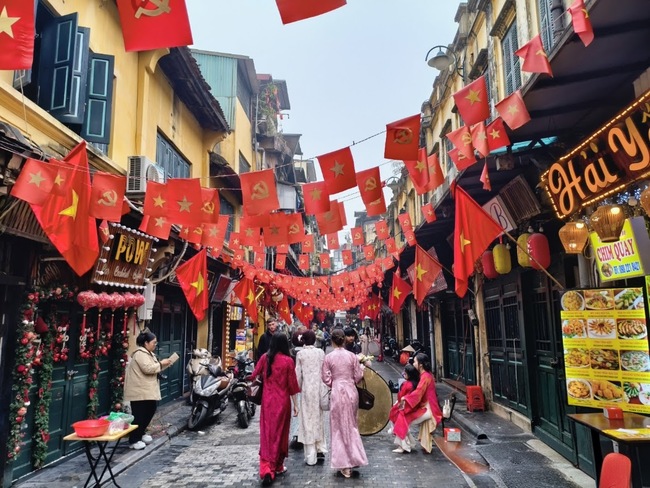
The dramatic infrastructure transformation, the shift toward experiential value in food, and the refinement of fashion we've seen so far.
Underlying all of these is the Vietnamese people's unique “unbreakable pride” and “flexible adaptability.”
Their national character manifests primarily in the business world through the following three traits:
① Pragmatism that embraces change
If they deem something beneficial, they instantly discard old habits. As seen in the adoption of metro systems and the shift to EVs, their transition when they perceive “convenience” or “value” is astonishingly swift.
② A strong focus on self-presentation
There is a powerful desire to satisfy their pride through ‘experiences’ and “styles” that symbolize affluence. In dining and fashion, “how they are perceived” and “how they can talk about it” carry greater significance than “what they consume.”
③ Evolving National Identity
Rather than merely imitating foreign cultures, they continuously reinterpret and update them as their own national culture, as seen in the evolution of the Ao Dai. This goes beyond simple acceptance; their strong self-esteem is evident in their drive to transform these influences into “their own.”
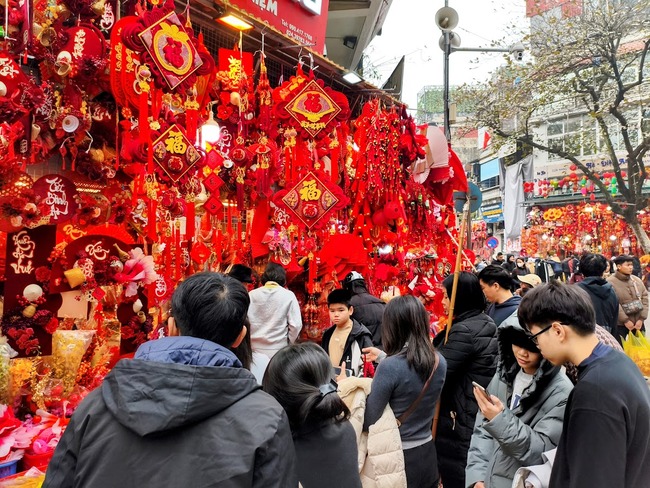
One of the biggest reasons Japanese companies struggle when entering the Vietnamese market is that the Japanese artisan mindset—the belief that “if you make something good, it will speak for itself”—doesn't always align with the Vietnamese people's intense upward mindset of “wanting to become a more refined version of themselves.”
For them, Japanese products and Japanese food are no longer chosen simply because they are “exotic.”
The question now is how well a service or space can satisfy their self-affirmation and provide a story where they can encounter a “new self.”
In 2026, Vietnam's market continues to update at an astonishing pace.
To ride this momentum, the shortest path to success lies in correctly understanding their “unwavering pride” and designing experiences from a “thoroughly local perspective” that aligns with their upward aspirations.