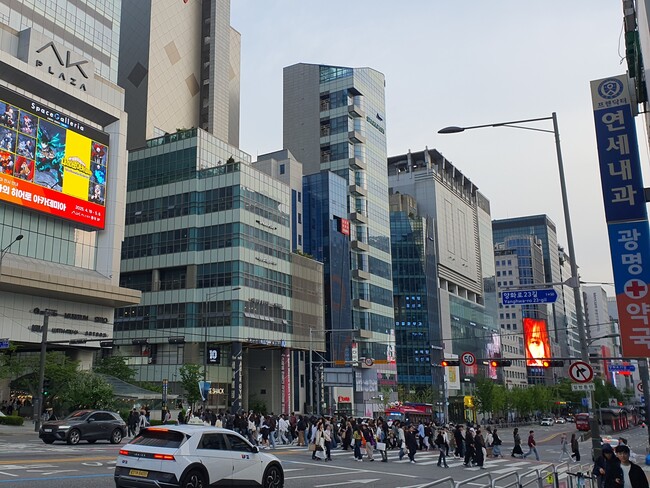
Koreans are deeply emotional and place great importance on family and friends. While they may seem reserved upon first meeting, once a relationship is established, the psychological distance quickly closes. They become very attentive to the other person's needs and form strong emotional bonds.
On the other hand, many Koreans have an impatient nature and tend to prioritize speed in everything. This national character is known as the “Bbal-ri Bbal-ri (빨리빨리) culture,” which now significantly influences economic and social systems. “Bbal-ri Bbal-ri” means “Hurry up, hurry up” in Korean. Koreans, who express emotions directly, often use this phrase when things don't proceed smoothly or when they feel strong stress from waiting.
目次
1. Cash Payments a Waste of Time!? From a Cash-Heavy Culture to a World-Leading Cashless Nation
The Korean value of “parli parli” is not merely a personality trait of impatience, but also a societal mindset that values making quick judgments, acting swiftly, and delivering results rapidly. Being “slow” can sometimes be perceived as unkindness or a lack of ability.
The background to the establishment of the Palri Palri culture is largely influenced by the rapid recovery and economic growth known as the “Miracle on the Han River,” which South Korea achieved in a short period after the late 1960s, following the devastation of the Korean War that left it a poor nation. South Korea's path to high economic growth at an unprecedented pace drew international attention. During this process, a social trend emerged where swift action and immediate decision-making to achieve early results were highly valued.
In modern South Korean society, waiting and going through procedures are considered inefficient. Products and systems designed for speed are deeply ingrained in every aspect of life, from daily routines to business, administration, and IT services. One reason South Korea ranks among the world's top cashless payment nations is the widespread perception that “cash payments = slow and troublesome.” Many people view the entire process—handing over cash, receiving change, putting it back in their wallet, and then receiving their goods—as wasteful.
A representative system promoting cashless payments is the “kiosk.” Kiosks are touch-panel terminals that enable unattended completion of orders, payments, and check-ins. They are installed not only in restaurants but also in movie theaters, hospitals, pharmacies, and public facilities. While kiosks themselves are common in Japan, South Korea's adoption rate is on another level. The term “kiosk” has become so deeply embedded in everyday language that these systems are now indispensable to daily life. Most are dedicated to cashless payments, and finding a restaurant where you order verbally and pay with cash is actually harder.
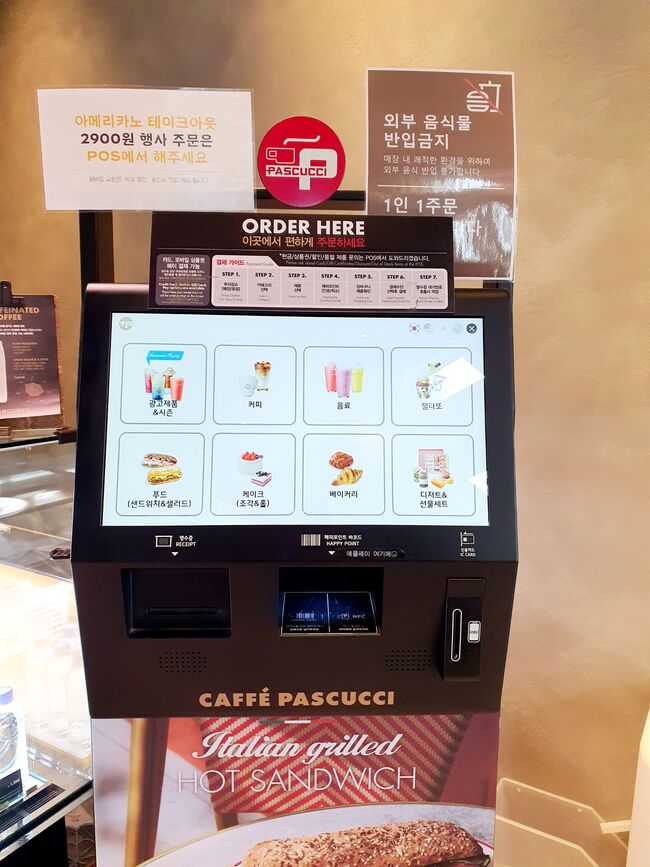
Another major difference from Japan is that most kiosks in Korea allow you to complete payment right at the time of ordering. This eliminates the hassle of having to pick up your order or pay separately after eating, letting you leave the store smoothly.
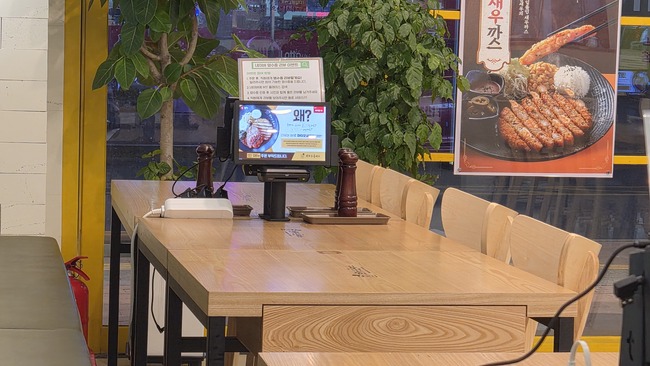
Table-mounted kiosks are also quite widespread. Since you order and pay while seated at your table, you can simply leave the restaurant once you've finished eating. This is incredibly smart and efficient for situations like office workers' lunch breaks, when you need to eat within a limited timeframe.
2. The national character that demands speed has changed the common sense of delivery.
The national character that craves speed has also changed the norms of delivery.
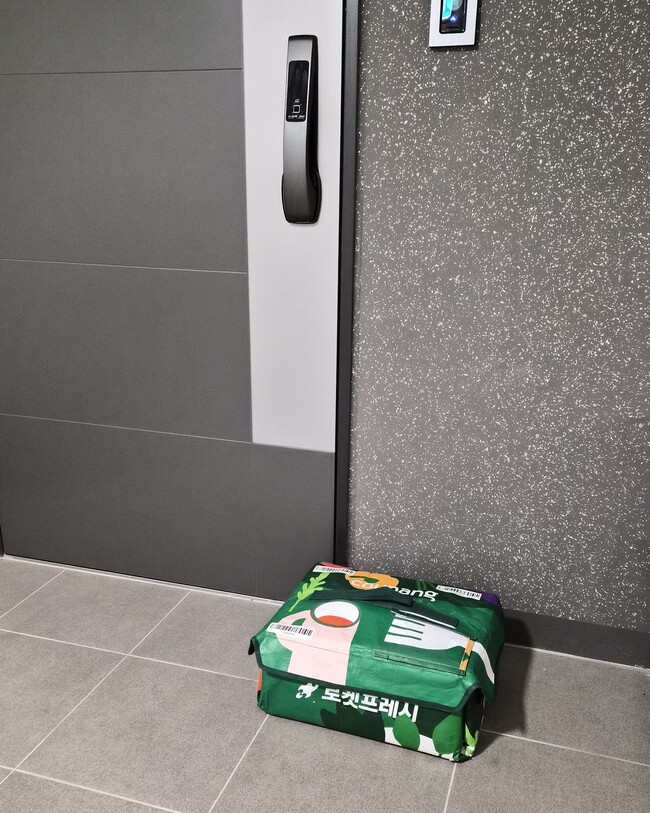
South Korea's largest e-commerce platform, Coupang, has offered its Rocket Delivery service since 2014, utilizing its own logistics network to provide next-day and same-day delivery. This ultra-fast delivery service guarantees items will arrive at your doorstep by 7 AM the next day if ordered by midnight. Rocket Delivery perfectly aligns with the needs of busy office workers, parents, dual-income households, and consumers who simply want their goods quickly. Above all, it resonated with many citizens who value speed as a core benefit, propelling Coupang to become South Korea's largest e-commerce site almost overnight. Subsequently, other e-commerce sites like Market Kurly launched similar delivery services, making early morning delivery a commonplace occurrence.
Beyond that, the Palri Palri culture can also be seen in public transportation and on expressways.
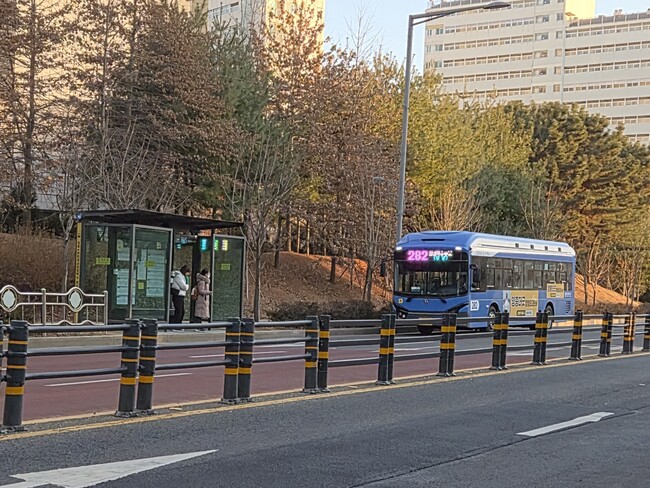
In urban areas, bus stops for route buses do not have timetables posted. Instead, electronic display boards are installed that show real-time arrival information. These boards display arrival prediction information for each route number, reflecting GPS and traffic control systems along with actual travel conditions, stating “Arriving at this stop in X minutes.” This allows users to know “how much longer until the bus arrives.”
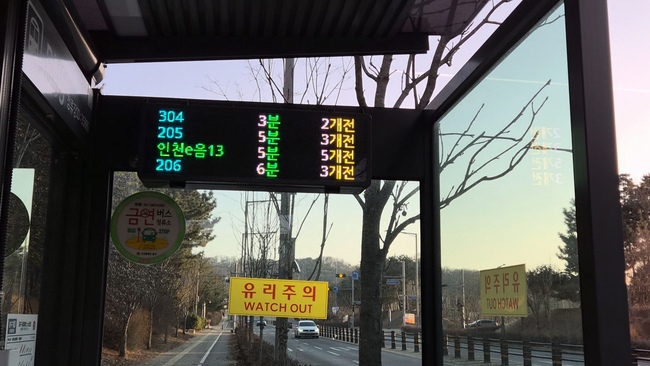
This system integrates with map apps like NAVER Map and Kakao Map, as well as dedicated bus apps such as Kakao Bus. Users can check bus arrival times from home or their current location, minimizing wait times and optimizing their schedules. In bus systems with fixed schedules, delays due to traffic congestion create uncertainty and stress about how long passengers must wait. However, when the remaining time until arrival is clearly displayed, users can decide whether to consider alternative transportation or wait at the stop.
Since there are no fixed schedules, drivers also don't need to adjust their timing. While buses with the same number may sometimes arrive in quick succession, this bus operation system aligns well with the Korean national character, where people dislike waiting and think, “If there's leeway in the schedule, I want it to come even one minute earlier.”
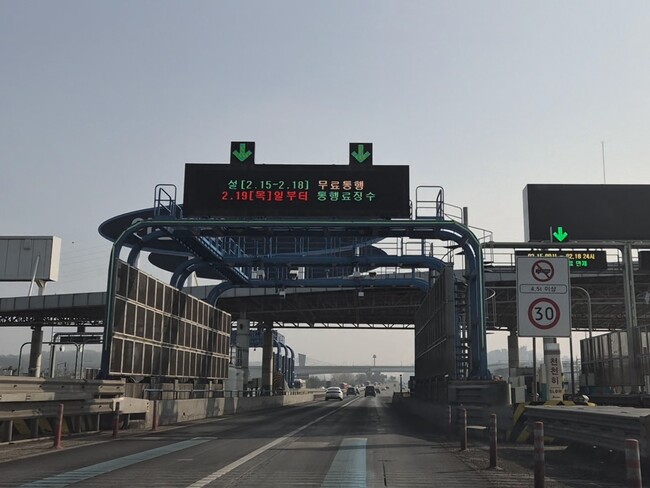
Additionally, to promote smoother traffic flow on expressways, Hi-pass lanes (equivalent to Japan's ETC) without barrier gates have become standard. In South Korea, expressways are prone to congestion, particularly in urban areas. Severe jams often occur near toll gates, so the barrier gates previously installed in Hi-pass lanes were removed to enable even smoother passage.
When barriers were present, drivers had to slow down to 30-40 km/h. Since their removal, all vehicles pass through at high speeds of 80-100 km/h. While the gates still display “Speed Limit 30 km/h” signs, drivers with ingrained reckless tendencies seem completely oblivious to them.
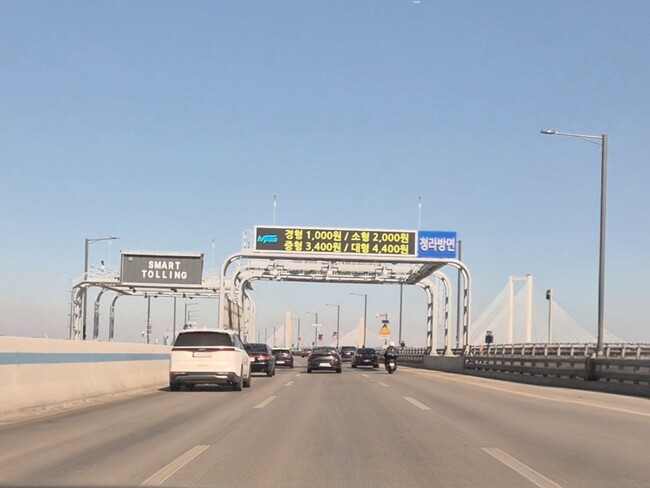
The Cheongna Hanul Bridge connecting Yeongjong Island and Cheongna International City, which opened in January 2026, is a toll road featuring a fully smart toll system with no cash payment lanes. Driving is so smooth that you hardly notice when the toll is charged, making it less prone to congestion even during rush hours.
In the future, toll plazas prone to congestion may gradually transition to this system.
3. The value of striving for “above average” born from competitive spirit
Beyond the Pal-ri Pal-ri culture, Koreans also possess a strong competitive spirit and a stubborn refusal to lose.
However, I believe this too stems fundamentally from the Pal-ri Pal-ri culture. The drive to “achieve more, faster than others” naturally heightens competitive instincts.
This competitive spirit is particularly evident in education. Since academic credentials strongly influence social standing, employment, and future income in Korean society, private tutoring is commonplace even before formal schooling begins. At the end of elementary school days, one often sees numerous yellow buses parked alongside the school. These are provided by various cram schools for student transportation, and elementary students board them to go directly from school to cram school. Furthermore, for middle and high school students, juggling multiple cram schools is commonplace, and it's not unusual for them to return home past 10 PM.
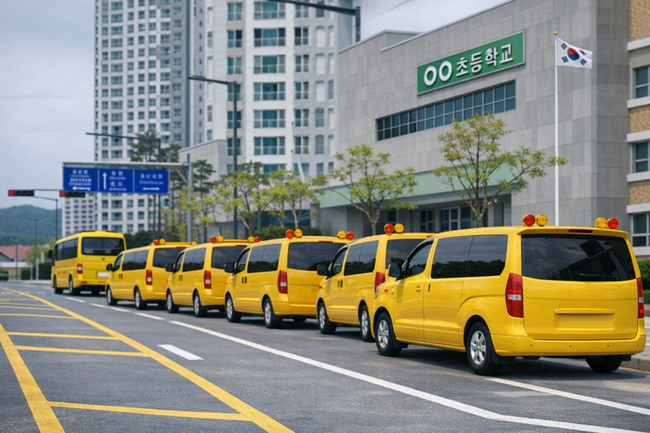
※The image above is an AI-generated image.
From childhood, comparisons based on grades and rankings are a daily occurrence. In a society where academic background and career achievements are also highly valued in the workplace, people gradually develop a stronger sense that they “must be seen as above average” and “do not want to be seen as below average.” Perhaps because of this background, many Koreans dislike being “different from others.”
The easiest way to express being “above average” is through appearance and possessions. Particularly in fashion, popularity tends to concentrate on specific styles or items, leading to streets flooded with similar outfits. By dressing alike, people avoid being judged by appearance, and the wearer avoids feeling inferior.
In Korea, black padded coats (down coats) have been hugely popular as a winter staple for both men and women for several years now. Initially, long coats were mainstream, but around 2024, shorter styles became increasingly popular, especially among younger generations.
When we say something is “trendy,” how many people do we actually imagine wearing it?
In winter Korea, it's no exaggeration to say that over half the population wears black padded coats. In bustling areas near schools, that proportion rises to 70-80%.
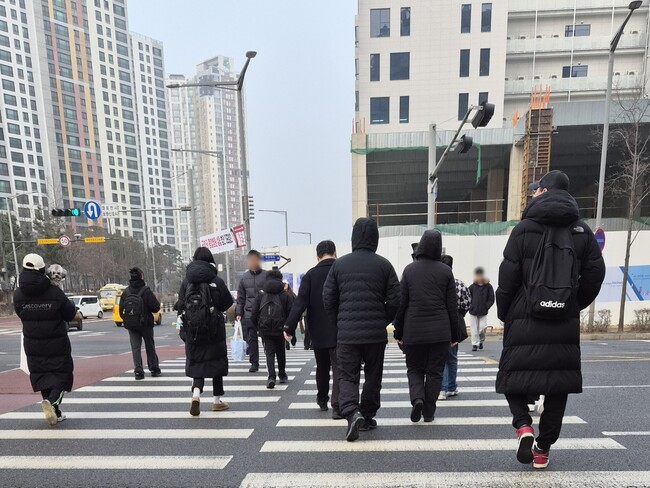
The reason this black padded jacket represents “above average” is that despite its plain appearance, it comes with a price tag that's anything but cheap. It's not just any black padded jacket. Wearing popular brands like “THE NORTH FACE,” “K2,” “Discovery,” or ‘EIDER’ is what satisfies the feeling of “I am above average.” The average price for padded jackets sold by these brands is around 300,000 to 500,000 won (approximately 30,000 to 50,000 yen), and even elementary and middle school students wear these brands.
However, there are several other reasons why everyone here wears black padding. First, black is a safe color that goes with any outfit. It doesn't show stains easily and hides body shape.
It's also a standard fashion everyone wears, so you don't have to worry about what to wear underneath. In other words, you don't have to agonize over what to wear, meaning you can “get ready quickly.” I think this point is what appealed to Koreans.
4. In Conclusion
Koreans absolutely hate waiting and things taking time, demanding speed, simplicity, and quick results in everything. Therefore, products and services must clearly convey their value and usage at a glance, with minimal time or effort required to start using them. Furthermore, slow responses are easily perceived as low interest or lack of trust, making prompt handling of inquiries and after-sales service indispensable.
While trends spread extremely quickly in Korea, the cycle of moving on to the next trend is also fast. Consequently, generating buzz, receiving positive evaluations, and effective promotion during the initial stages appear to be key factors.
What is Consumer Life Panorama?
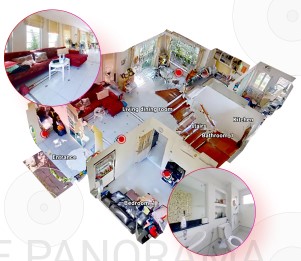
This is a website-type database that has accumulated visual data on more than 1,000 sei-katsu-sha from 18 countries around the world. The database includes many 3D models of living environments and 2D data of items owned by each sei-katsu-sha, and is useful for understanding overseas sei-katsu-sha, which is difficult to grasp using only letters and numbers.
Using visual data such as those cited in this column,
Compare the differences in the attributes of overseas consumers
To get a realistic understanding of the actual usage of each category
To understand the overall lifestyle of target consumers
etc., can be utilized as a “no-go” home visit survey.