 Global Market Surfer
 CLP
CLP Column
The Values and Lifestyle of India's Generation Z Part 1: What Are the Values of India's Generation Z?
- Release date: Mar 13, 2026
- Update date: Mar 13, 2026
- 59 Views
目次
1. Introduction
Generation Z is at the forefront of global trends, and India is no exception. This time, based on surveys and interviews with attendees of an anime event held in Bangalore in January 2026, I would like to explore what kind of lifestyles and values India's Generation Z holds.
2. Regarding Generations
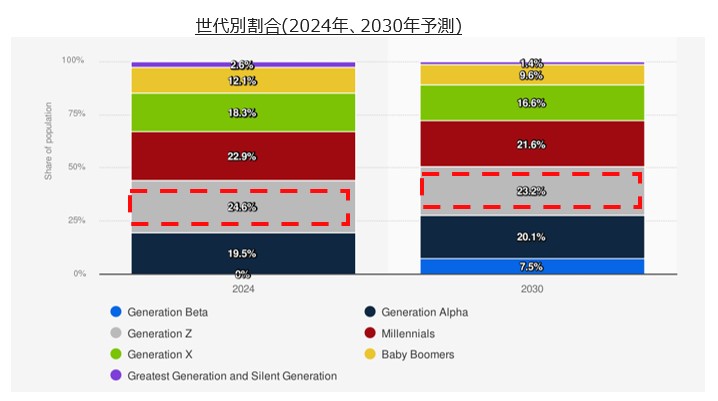
This time we focus on Generation Z, but what exactly is the concept of a generation? Generally, a generation is the idea of grouping people born during the same period together, defined by various factors such as social, economic, cultural, and technological developments. However, there is no official definition for generational divisions, and the current situation is that they differ depending on the research or survey organization. For this article, we will refer to the definition from the Pew Research Center, which categorizes generations as follows:
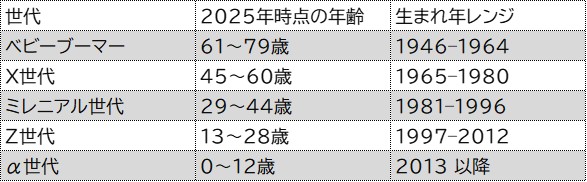
Table 1: Definition of Generations*1
Baby boomers correspond to Japan's “Dankai generation.” They are the generation born during the period of rapid birth rate increases worldwide following World War II, coinciding with the era of high economic growth. Japan also saw high birth rates during this time, and due to the large population of this generation, they experienced intense competition in areas like entrance exams and job hunting.
Generation X is the generation that reached adulthood during the transition from analog to digital. Furthermore, Millennials grew up during the period when mobile phones and the internet became widespread, experiencing the process of digital technology permeating daily life.
Generation Z, meanwhile, grew up in an environment where smartphones and the internet have been part of daily life since the iPhone's launch in 2007. Even those now in their late twenties are a generation that started using smartphones in their early teens and are often called “digital natives.” A defining characteristic is that they grew up in an environment where online communication through social media like Facebook and Instagram is the norm.
The generation following them, Generation Alpha, consists of the children of Millennials. They grew up surrounded by smartphones and AI from birth, becoming highly accustomed to digital communication from a very young age. For this generation, online games like Roblox and social media platforms are already indispensable parts of daily life.
Regarding Generation Z, the subject of this article, I'd like to summarize their characteristics in a bit more detail. The widespread adoption of social media platforms like Facebook, Instagram, and X (Twitter) began in the 2010s. Generation Z is the generation that encountered the internet in their early teens and adapted to the digital environment. For them, online communication is a social tool just as important as face-to-face interaction.
Generation Z is also known as a generation highly conscious of diversity. From childhood, they have been tolerant of diversity and LGBTQ issues, and are known for their high participation rates, understanding, and interest in such diverse communities*2. This background is likely due to the widespread incorporation of MDGs (Millennium Development Goals*3) and SDGs (Sustainable Development Goals*4) into education from an early age, combined with increased exposure to diverse values through social media, which further heightened their interest in diversity.
Conversely, mental health is a significant concern within Generation Z. In the United States, a strong pessimistic outlook toward the future is noted, while in Europe, declining self-esteem is a recognized issue*5. In Japan too, many Gen Zers hold pessimistic attitudes toward politics and society, and they are often described as a generation that frequently contemplates their own future.
*1 Source:Pew Research. https://www.pewresearch.org/short-reads/2019/01/17/where-millennials-end-and-generation-z-begins/
*2 NIQ. https://nielseniq.com/global/jp/news-center/2024/1031-cmi/
*3 International goals set by the United Nations from 2000 to 2015, focusing on poverty reduction, education, and health.
*4 United Nations goals for 2016 to 2030. Covering 17 areas including climate change and gender equality.
*5 McKinsey.
https://www.mckinsey.com/jp/~/media/mckinsey/locations/asia/japan/our%20insights/jn_what-is-Z世代.pdf
3. India's Generation Z
India surpassed China in 2024 to become the world's most populous country. It continues to have a large youth population, with an average age of approximately 28 years. Figure 1 shows the population by generation. The largest generation in India is Generation Z, estimated at around 377 million people. This is roughly three times the total population of Japan. Given this enormous population scale, India's Generation Z can be considered the central force that will drive Indian society and the economy forward.
Furthermore, as shown in Figure 2, India's Generation Z accounts for 43% of total consumer spending. They demonstrate a strong consumer mindset and are considered the generation driving India's spending.
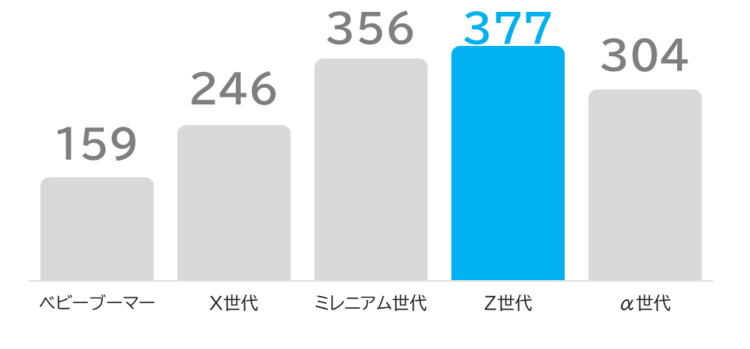
Figure 1: India's Population by Generation*6
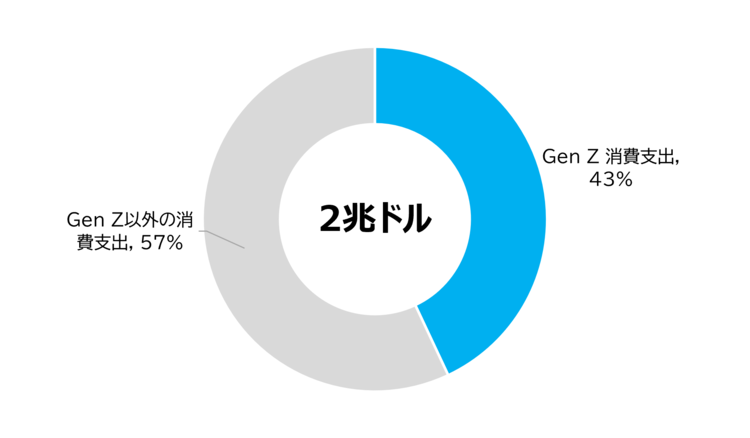
Figure 2: Total Consumer Expenditure in India (Share Attributed to Generation Z)*7
*6 BCG.
https://web-assets.bcg.com/87/51/a23cce4443c0bf65422c724a9b73/the-2-trillion-opportunity-how-gen-z-is-shaping-the-new-india.pdf
*7 BCG.
https://web-assets.bcg.com/87/51/a23cce4443c0bf65422c724a9b73/the-2-trillion-opportunity-how-gen-z-is-shaping-the-new-india.pdf
4. What are the values held by Generation Z?
What values do Generation Z members—who are expected to become the future social and economic backbone of India—hold regarding work and life? To gain insight, we conducted surveys and interviews primarily targeting Generation Z attendees at an anime event held in Bangalore.
Looking at the survey results (Figure 3) on “What do you consider most important in your life?”, it becomes clear that a significant number of both Generation Z and Millennials prioritize “having fun.” The value of seeking fulfillment in daily life appears common to both generations.
However, interesting differences also emerge between the two. Among Generation Z, a slightly higher proportion consider “achieving success” important compared to Millennials. Generation Z may possess an aspect that values enjoyment while simultaneously aspiring to success. However, the “success” referred to here does not necessarily mean the traditional notions of social status or economic achievement. Rather, it is possible they perceive “being able to realize what they desire” itself as success.
To gain a more multidimensional understanding of these values, this survey conducted interviews with Generation Z in addition to analyzing quantitative data. As a result, the following perspectives on life were heard:
“What is most important in life?”
Respondent A: Family and work are important.
Respondent B: Becoming free (independent) from everything.
Respondent C: Personal life and work-life balance are important.
“What do you want to achieve?”
Respondent A: I want to improve my skills and gain financial freedom.
Respondent C: Long-term employment isn't suited to me. So, I want to earn money and enrich my own life.
“Dream job”
Subject A: I like my current job, so I want to continue it.
Subject B: I want a job helping people.
Subject C: Anything I enjoy. It's definitely not about the money.
While aiming for financial independence, Gen Z tends to prioritize “meaningful work for society” and “what they personally enjoy.” Their values suggest a focus on internal satisfaction—such as job fulfillment and self-realization—over salary levels themselves.
Furthermore, Figure 4 shows that among experiences/activities making Gen Z feel “fulfilled and satisfied,” the percentage answering “having free time to spend as I wish” is higher than among Millennials. They seem more likely to find satisfaction in being able to use their time based on their own pace and values than in being evaluated by others.
Based on these results, it appears that what is important to Generation Z is not merely economic success. Rather, “being free” and “being able to be themselves,” that is, whether they can achieve autonomy and a personal life, are considered key factors influencing their life satisfaction.
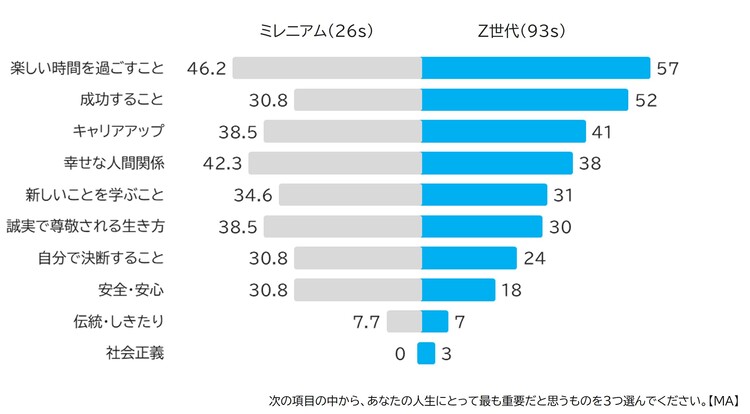
Figure 3: What you consider most important in your life
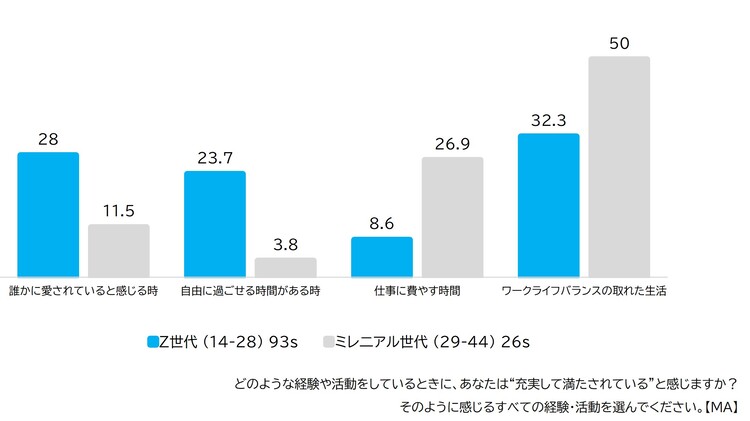
Figure 4: Experiences and Activities That Make You Feel “Fully Satisfied and Content”
Figure 5 shows “What activities would you like to spend more time on in the future?” Among Gen Z, there was a tendency to want to spend time on activities that fulfill “me time,” such as hobbies and beauty. Particularly regarding beauty, interest is growing, especially among young women in India, and the beauty market itself continues to expand. Furthermore, in recent years, beauty awareness is increasing not only among women but also among men, with more men showing interest in skincare and similar areas.
Meanwhile, Figure 6 shows “activities they want to spend less time on in the future.” Among Millennials, a slightly higher proportion than Gen Z want to reduce online communication. They also show a tendency to want to reduce time spent alone, suggesting Millennials may place greater value on face-to-face communication.
In contrast, Generation Z grew up in an environment where online communication is routine. For them, communication seems to be perceived as something that naturally occurs not only face-to-face but also within online spaces.
Regarding shopping for clothing and cosmetics, relatively few in Generation Z want to reduce the time spent on it. Furthermore, many want to spend more time on beauty care, suggesting a growing interest in appearance and self-care, likely influenced by social media.
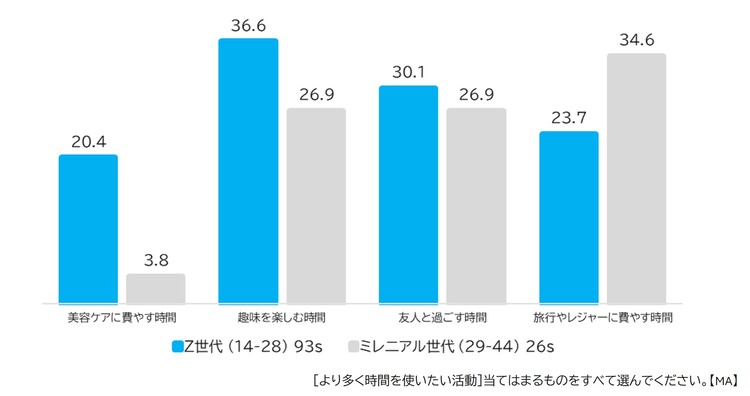
Figure 5: Activities I Want to Spend More Time On
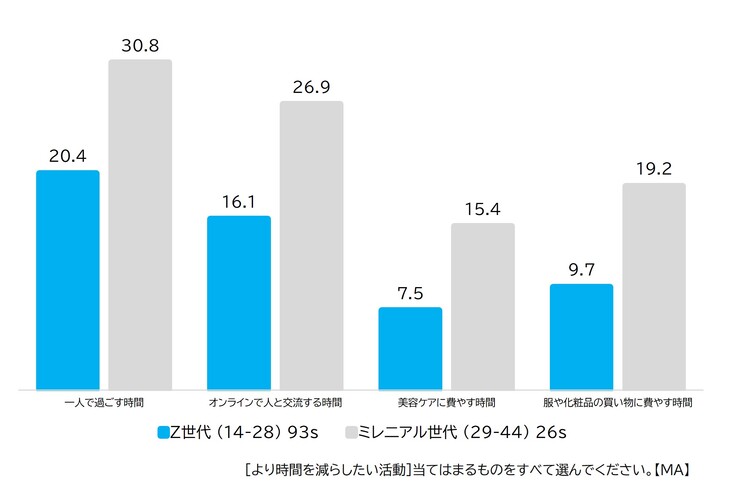
Figure 6: Activities where you want to reduce time further
5. In Conclusion
This survey revealed that many Gen Z individuals aspire to succeed. However, their perception of “success” may differ somewhat from that of Millennials and earlier generations. For Gen Z, success appears to place greater emphasis on “whether they are able to achieve what they desire” rather than traditional notions of success like social status or financial achievement. Indeed, subject C stated, “Anything I enjoy doing. It's definitely not about the money.” This suggests their sense of fulfillment lies in self-realization, regardless of scale. It can be said that living a life they find personally satisfying is valued more than material wealth.
On the other hand, Gen Z also showed a desire to spend significant money and time on clothing and cosmetics. This tendency likely stems not only from a desire for self-expression but also from the influence of the digital environment. In today's world where SNS serves as a daily communication platform, they live constantly in an environment where they are “seen.” Consequently, influencers and similar figures become accessible role models, and the aspiration to “be like that person” may drive investment in appearance and style. Considering these points, Generation Z can be described as a generation that values self-realization and authenticity while also actively investing in appearance and lifestyle as means of expression.
Furthermore, comparing Japanese and Indian Gen Z reveals several shared values. In Japan too, the value of “whether one can achieve what they desire” is widely shared among Gen Z, and investment in beauty and appearance is a common characteristic in both countries. As a member of Gen Z myself, I strongly resonate with the values of prioritizing “authentic self” and “a fulfilling way of life,” feeling a shared sensibility with my Japanese peers. This convergence of values may be influenced by the globalization of content consumption through social media. Today, social networking services (SNS) and over-the-top (OTT) platforms (services that deliver video and music content via the internet) allow access to similar content across countries and regions. Consequently, the ideal “aspirational self” and lifestyle envisioned by Generation Z may also be becoming increasingly shared across national borders.
Survey Overview
This survey was conducted based on questionnaires and interviews carried out at the anime festival “Ōta TOKYO” held in Bangalore in January 2026. The survey included 93 Gen Z participants (66.7% male, 33.3% female) and 26 Millennials (69.2% male, 30.8% female). Additionally, interviews were conducted with three Gen Z participants.
Accelerate decision-making with smart overseas resident data
Global Viewer
This service provides reports tailored to your issues using questionnaire data on various actual conditions and attitudes of sei-katsu-sha in 11 countries (Asia and US) stocked by INTAGE.
The service covers 400 items, including actual behavioral conditions and awareness, values, and information contact related to various product and service categories.
-

Author profile
Rintaro Kobayashi
A Gen Z researcher in her third year living in Bangalore. Primarily covering the mobility industry, she keeps a daily watch on India's electric vehicle sector. Her hobby is exploring Indian coffee. Drawing on perspectives gained through local life, she aims to share insights into the values and lifestyles of India's Gen Z generation from a Gen Z viewpoint.
-
Editor profile
Chew Fong-Tat
Malaysian researcher who has lived in Japan for 14 years and has handled many surveys on ASEAN countries.
Other related article:
-
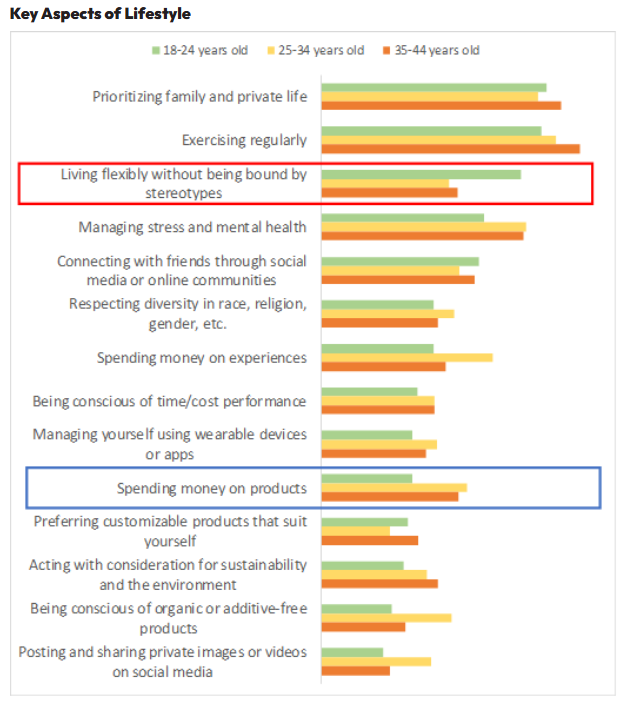
What does Indian Generation Z value? (Chart of the Month April 2025)
-
Data Reveals Generation Z Across 10 Countries: What Are the Values of the Youth Shaping the World? ~ Unraveling Generation Z Lifestyles Through Country Comparisons ~
-
Understanding Generation Z Around the World: Country-Specific Trends Through Values and Daily Life