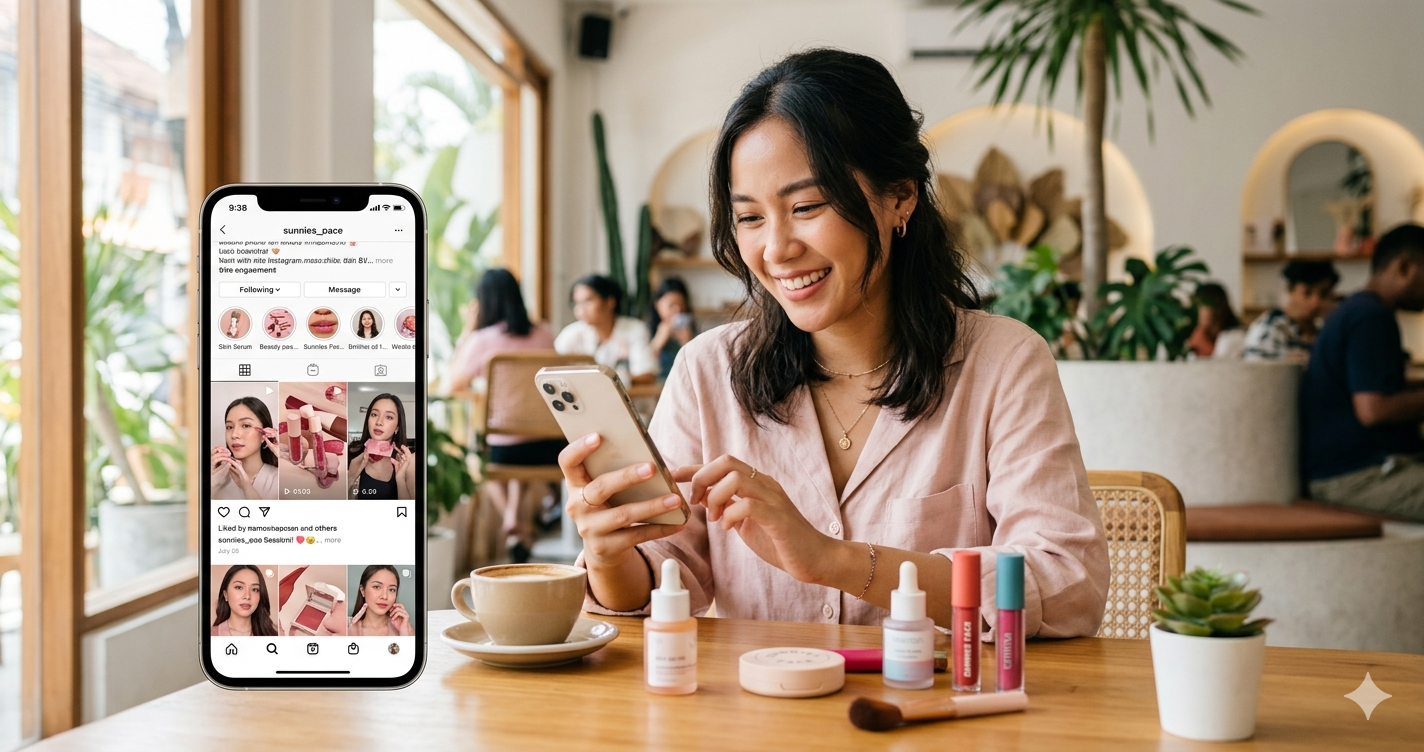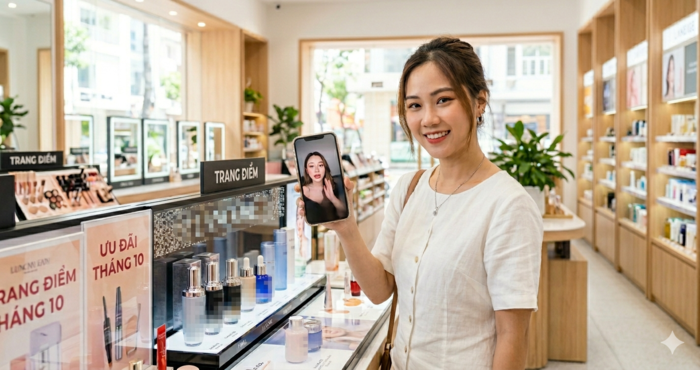
With the widespread adoption of social media, information about cosmetics is now being obtained through a wider variety of channels than ever before. In particular, it is said that content shared by influencers is influencing consumer purchasing behavior. However, does this influence manifest in the same way across different countries? In this article, we will compare information-gathering practices and the influence of influencers on cosmetics purchases across Japan, China, and South Korea, based on Intage’s “Global Viewer (2025)” data on overseas consumers and data from Statista, to examine the differences between these three countries.
目次
1. How much influence do social media platforms have?
In recent years, social media has established itself as a key channel through which consumers seek product information.
Particularly for consumer goods such as cosmetics, discovering products through social media and influencers has become a natural part of the purchasing process.
So, does this influence from social media actually translate into actual purchasing behavior?
According to Intage’s “Global Viewer” survey (conducted in 2025), which tracks consumer behavior overseas, there are notable differences by country in the extent to which people use social media as a reference when seeking information about cosmetics. Among men and women in their 20s to 40s, China ranks highest, followed by Japan, while South Korea ranks relatively low.
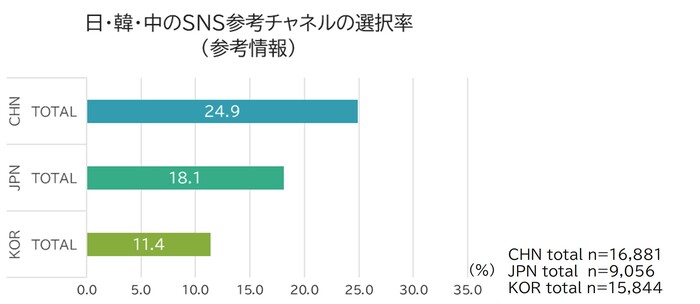
Figure 1: Adoption Rates of Social Media Channels in Japan, South Korea,
and China (Reference Information)
Source: Intage Global Viewer (2025)
On the other hand, when looking specifically at women in their 20s, Japan ranks highest, followed by China and South Korea. This suggests that social media serves as a key channel for gathering information about cosmetics. At first glance, these results may appear to indicate that social media use is particularly active in Japan, but this could be due to differences in how the platforms are used.
In Japan, social media is widely used as a means of information discovery, and users tend to compare multiple sources. In contrast, in South Korea and China, social media often leads directly to purchases, and users tend to focus on specific sources. Consequently, this suggests that the number of channels used for reference may be higher in Japan.
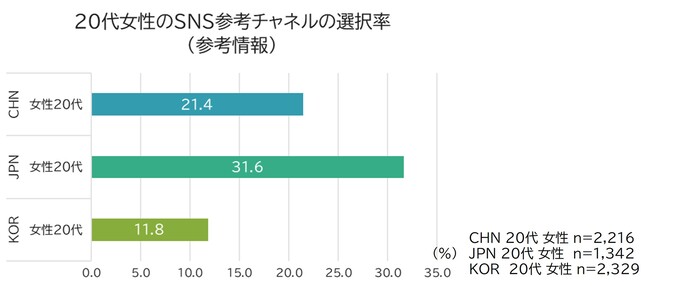
Figure 2: Selection Rates of Social Media Channels Used for Reference Among Women in Their 20s (Reference Information)
Source: Intage Global Viewer (2025)
2. Are Influencers “Reference Information” or “Purchase Channels”?
Furthermore, when we focus on the role of influencers, these differences become even clearer.
While direct comparisons between countries are difficult due to variations in survey questions, there are consistent differences in how influencer influence manifests.
In Japan, for instance, only about 20% of respondents said that “influencer ads influenced their purchasing decisions.” This is a lower level even when compared to brand advertising or other consumer reviews, suggesting that influencers are viewed more as a source of reference information rather than a direct driver of purchases.
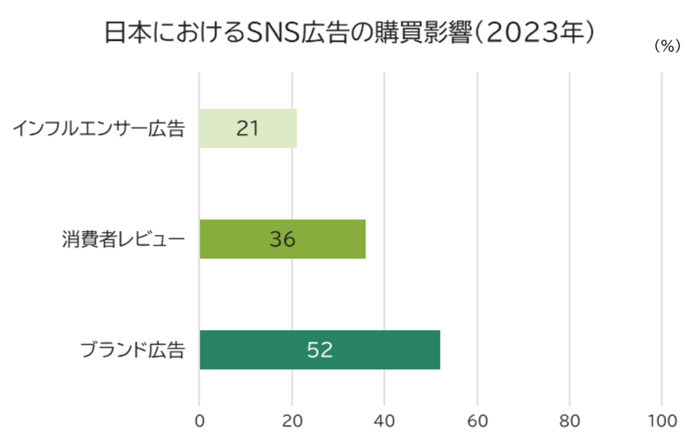
Figure 3: Impact of Social Media Advertising on Purchasing Decisions in Japan (2023)
Source: <Most impactful types of social media advertisements in Japan as of July 2023>
(Cited from Statista)
In contrast, in South Korea, approximately 45% of respondents reported having actually purchased products recommended by influencers. While direct comparisons are difficult because the survey questions vary by country, it is not uncommon for influencer influence to lead to purchases. In particular, there are cases where purchases surge rapidly, driven by influencers—such as group buying campaigns on social media.
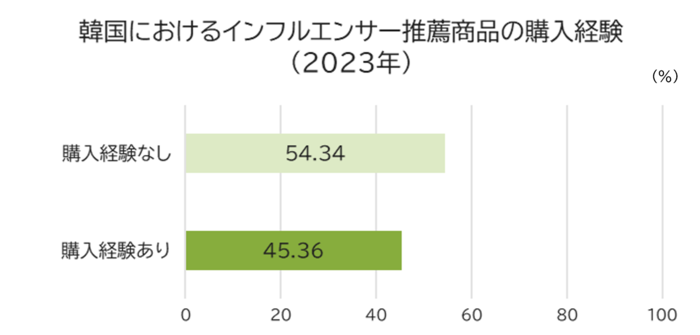
Figure 4: Experience of purchasing products recommended by influencers in South Korea (2023)
Source: <Share of people who have purchased a product endorsed by an influencer in South Korea
as of May 2023> (Source: Statista)
This trend is even more pronounced in China. Over 80% of respondents reported that influencers had influenced their purchasing decisions, the highest rate among the three countries. In live streams hosted by so-called “Wanghong,” it is common for purchases to be made simultaneously with product introductions, and a system has been established where the entire purchasing process is completed on the spot.
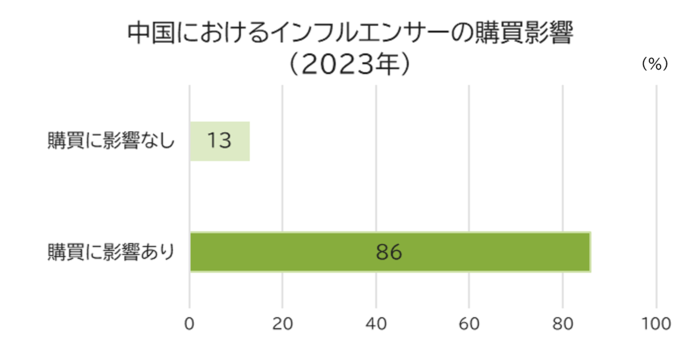
Figure 5: Influence of Social Media Influencers on Purchasing in China (2023)
Source: <Impact of social media influencers on purchasing in China as of May 2023> (Source: Statista)
3. Different Role Structures Even Within the Same Social Media Platform
When comparing these three countries in this way, the differences go beyond mere “level of influence.”
It appears that there are differences in the very roles influencers play within the purchasing process.
In Japan, influencers tend to function as a source of reference information prior to purchase.
In South Korea, on the other hand, they are positioned as figures who encourage purchases through group buying and similar activities. Furthermore, in China, they function as part of the “sales channel” where actual purchases take place within live commerce. In other words, even on the same social media platform, their roles differ. It can be said that a flow has been established where Japan focuses on “information discovery,” South Korea on “connecting to purchase,” and China on “immediate purchase.”
4. Conclusion: It’s Not Social Media—It’s the Way People Shop That’s Different
As noted above, social media serves as a key information channel in all three countries. However, there are clear differences in the purchasing behavior that takes place on these platforms. In Japan, social media functions as a source of information for comparison and consideration. In South Korea, it serves as a catalyst that drives purchases. And in China, it functions as the actual venue where purchases are made. These differences are not merely a matter of varying levels of social media usage. Rather, they are believed to stem from differences in the underlying structure—specifically, what information consumers trust and the processes through which they proceed to make a purchase.
Are you really getting the information you need?
Intage’s International Research
Open data alone may not always provide sufficient grounds for making business decisions.
In such cases, we recommend Intage’s international research services.
Leveraging our in-house offices in 9 countries and a research network spanning over 60 countries,
we specialize in helping you understand local values, purchasing behavior, and
the latest trends.
We support a wide range of research methods—including quantitative and qualitative studies—to help you refine your international strategies. Drawing on our extensive track record and local insights, we provide robust support to help companies advance their global business initiatives.