目次
1. Introduction
As we mentioned in a previous article, the global plant-based milk market has been expanding rapidly in recent years. The market size is projected to reach 25.33 billion USD (approximately 3.9 trillion yen) in 2024 and grow by a factor of 1.6 by 2030.
Among these products, almond milk is gaining a growing presence. It is low in calories, rich in vitamin E, and lactose-free. These characteristics are thought to align well with the younger generation, who are sensitive to health and food trends. Furthermore, it is not uncommon for the spread of new beverages to originate from the daily lives of young people.
Therefore, in this article, using data from our own survey, we will examine the actual consumption patterns of almond milk, focusing specifically on young people (ages 15–29) in seven countries. The target countries include China and the United States—which lead the global plant-based milk market—as well as East and Southeast Asian nations such as South Korea, Taiwan, Thailand, and Vietnam, where Japanese companies often focus their efforts, and Kazakhstan, Central Asia’s largest economy and an emerging market with promising future growth. By comparing countries at different stages of market development—mature markets, major Asian markets, and emerging markets—we will examine how almond milk is being accepted in each of these markets.
The data from our independent survey presented in this article is based on an online survey conducted in December 2025 across seven countries (the United States, China, Taiwan, South Korea, Thailand, Vietnam, and Kazakhstan).
We surveyed men and women aged 15 to 79 in each country to gather information on their beverage consumption habits and health awareness.
To gain a detailed understanding of the attitudes and behaviors of young people in each country, the survey was designed to include a higher proportion of respondents in this age group.
*Of the approximately 200 respondents in each country, about 70% were young adults aged 15–29.
*This article focuses its analysis exclusively on young adults aged 15–29 in each country.
2. Current Trends in Almond Milk Consumption
First, let’s compare the consumption rates of almond milk and cow’s milk among young people (ages 15–29) in seven countries.
The percentage of young people who drink almond milk at least once a week is highest in Vietnam (41%), followed by the United States (36%) and Thailand (32%). This suggests that a significant number of young people in Southeast Asia incorporate almond milk into their daily diets.
In China, while the proportion of young people who drink almond milk at least once a week is only about 20% (21%), this figure rises to nearly half (46%) when expanded to include those who drink it at least once a month. Rather than being a daily staple, it could be described as a “quasi-habit”—something consumed when health is a priority.
On the other hand, Kazakhstan (17%), South Korea (14%), and Taiwan (13%) remain at relatively modest levels, suggesting these are markets with room for future growth.
For reference, looking at the cow’s milk consumption rates in the top three countries with high almond milk consumption, the percentage of people who drink it at least once a week is high in Vietnam (72%), the United States (60%), and Thailand (72%). This suggests that while the habit of drinking cow’s milk remains strong, almond milk is emerging as a new alternative.
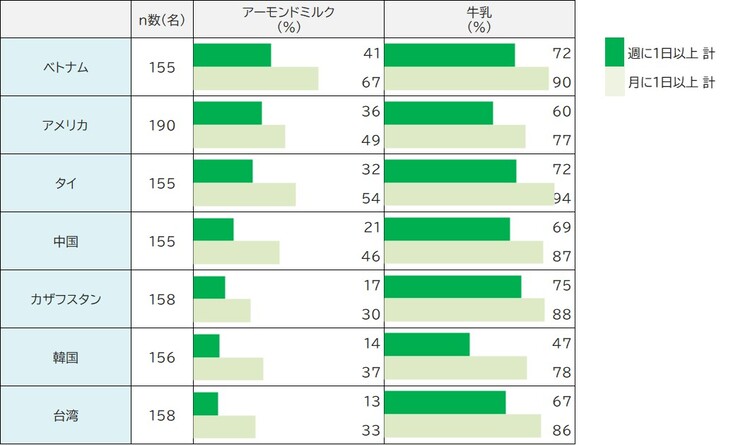
Figure 1: Comparison of Almond Milk and Cow’s Milk Consumption Rates Among
15- to 29-Year-Olds in 7 Countries
Source: Intage Independent Survey (conducted in December 2025)
3. Health Awareness Among Almond Milk Consumers
What kinds of health-related concerns do young people who drink almond milk typically have? While we previously compared consumption rates based on drinking it at least once a week, we will now compare young people who drink it at least once a month (i.e., consumers) with those who do not drink almond milk (i.e., non-consumers) in order to gain a broader understanding of the consumer profile. Based on the response rates for each item, let’s examine the differences between consumers and non-consumers by country using radar charts.
First, in Vietnam and Thailand, the number of consumers significantly outnumbers non-consumers in terms of “choosing additive-free products” and “lactose-free” options. The difference is particularly pronounced for additive-free products, suggesting a high level of concern regarding food safety—including ingredients and additives. Furthermore, since the prevalence of lactose intolerance is said to be relatively high in Southeast Asia, it appears that almond milk is being accepted even by people who have difficulty digesting dairy products due to their physical constitution.
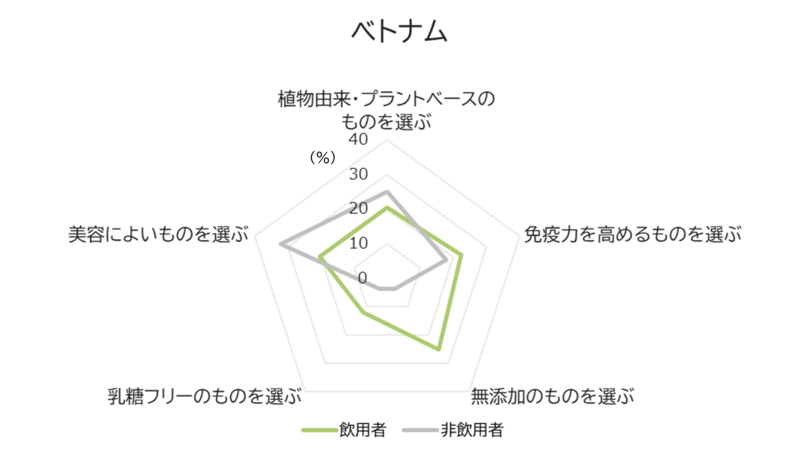
Figure 2: Health Awareness Among People Who Drink Almond Milk at Least Once a Month and
Those Who Do Not (Vietnam)
Source: Intage Independent Survey (Conducted in December 2025)
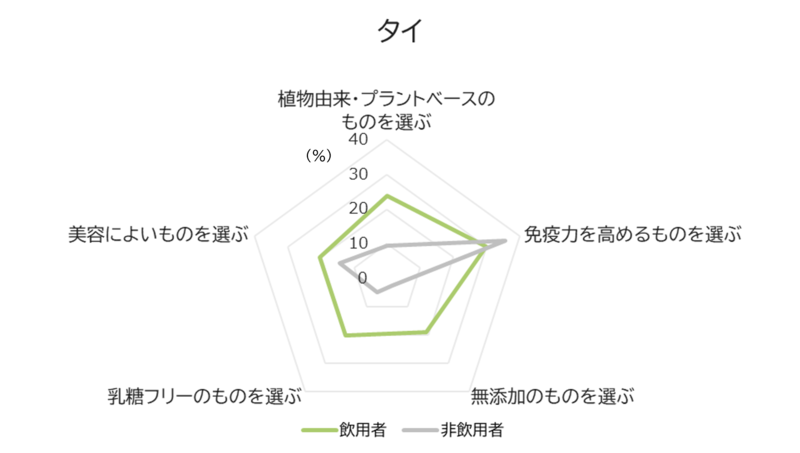
Figure 3: Health Awareness Among People Who Drink Almond Milk at Least Once a Month and
Those Who Do Not (Thailand)
Source: Intage Independent Survey (Conducted in December 2025)
On the other hand, while the number of almond milk consumers slightly exceeds that of non-consumers in each category in the U.S., there does not appear to be any single category where the figure stands out as particularly high. Since almond milk is purchased by a wide variety of people—not just those with specific health concerns—it is possible that the characteristics of consumers are not concentrated in any particular category.
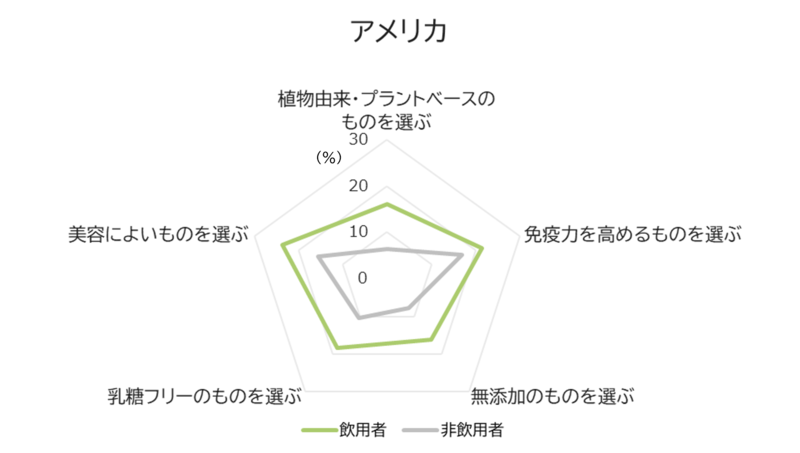
Figure 4: Health Awareness Among People Who Drink Almond Milk at Least Once a Month and
Those Who Do Not (United States)
Source: Intage Independent Survey (Conducted in December 2025)
In China, the number of consumers who “choose plant-based products” far exceeds that of non-consumers. The difference is particularly noticeable when compared to other categories, suggesting that plant-based consumers are relatively more likely to make conscious choices regarding plant-based foods.
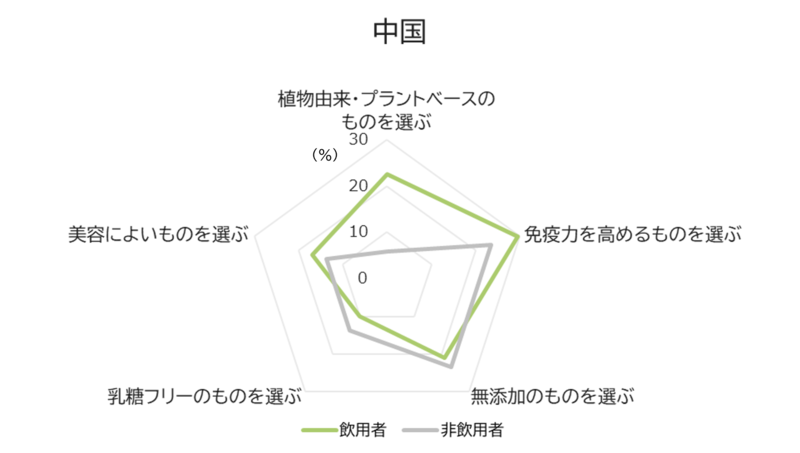
Figure 5: Health Awareness Among People Who Drink Almond Milk at Least Once a Month and
Those Who Do Not (China)
Source: Intage Independent Survey (Conducted in December 2025)
In Taiwan, the number of people who drink these products because they “are good for beauty” or “are lactose-free” exceeds the number of non-drinkers. There is a relative tendency for drinkers to make choices that reflect a daily concern for their health and appearance.
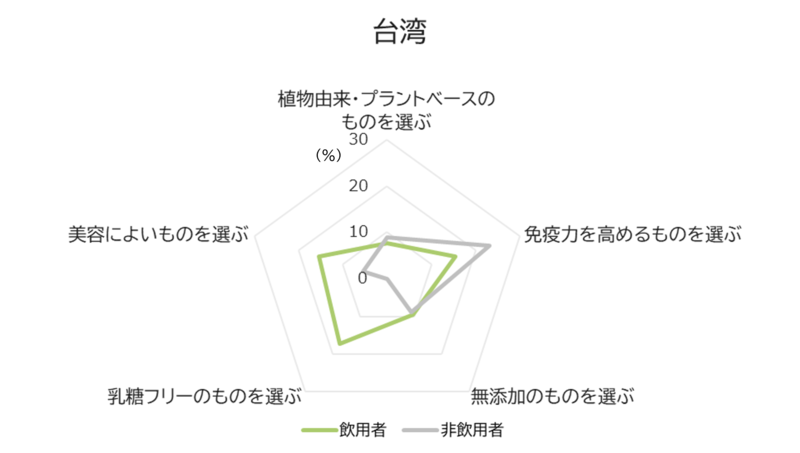
Figure 6: Health Awareness Among People Who Drink Almond Milk at Least Once a Month and
Those Who Do Not (Taiwan)
Source: Intage Independent Survey (Conducted in December 2025)
In South Korea, the number of people who drink these products—in addition to those who choose “additive-free” options—exceeds the number of non-consumers because they “select products that boost immunity.” In recent years, interest in inner care has been growing in South Korea, and there appears to be a strong trend toward being mindful of the quality and benefits of what people consume. For this reason, it is believed that these products are widely adopted by people who are conscious of managing their health and physical condition.
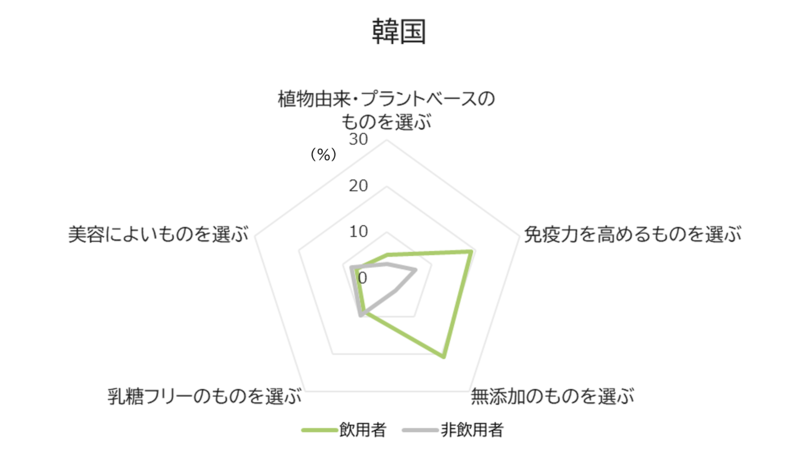
Figure 7: Health Awareness Among People Who Drink Almond Milk at Least Once a Month and
Those Who Do Not (South Korea)
Source: Intage Independent Survey (Conducted in December 2025)
In Kazakhstan, while there are no significant overall differences between consumers and non-consumers, a slight difference can be seen in the tendency to “choose products that are good for beauty.” Since almond milk has not yet become widely popular, and its value is not yet fully understood, it is possible that consumers are adopting it based on the relatively straightforward image of “beauty.”
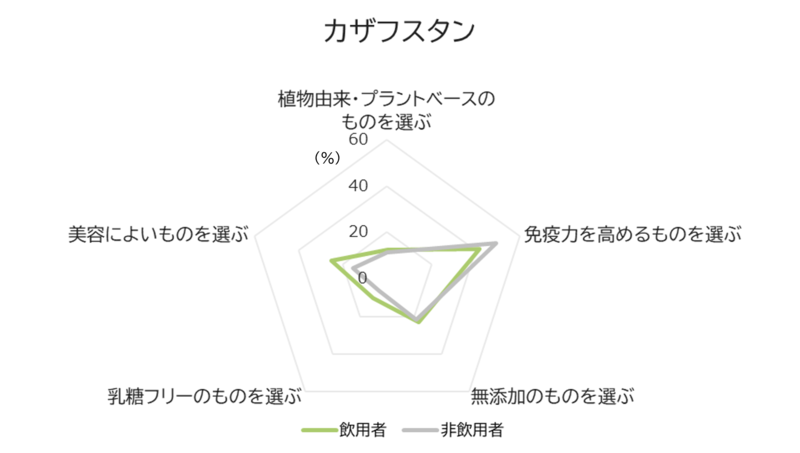
Figure 8: Health Awareness Among People Who Drink Almond Milk at Least Once a Month and
Those Who Do Not (Kazakhstan)
Source: Intage Independent Survey (Conducted in December 2025)
So far, we have examined the health awareness of almond milk consumers by country, and we have observed differences in the factors each country prioritizes, confirming that each country has its own distinct characteristics.
The “Next Step” in Data Collection
Intage's International Research
Have you ever searched through public information and market reports only to find that the information you're looking for isn't there?
Intage’s international research has a track record of over 500 projects across more than 60 countries.
Intage supports the global business operations of many companies through our research, helping them find the answers they need.
We can accommodate a variety of research methods, including quantitative and qualitative research, as well as online and offline surveys.
If you’re struggling with issues such as “I need more consumer data from this country” or “I can’t find the information I’m looking for,”
please contact Intage’s international research team.
4. Future Outlook for the Almond Milk Market
With these differences in mind, we will examine how almond milk is likely to gain traction in each country going forward. From here on, we’ll shift our perspective: we’ll ask young people across these countries about “what they currently do for their health” and “what they’d like to try in the future,” and use the difference between these two (future – current) to identify market growth potential. The larger the positive value, the more people there are who “are interested but haven’t taken action yet”—in other words, the greater the untapped market potential.
When viewed from this perspective, “choosing plant-based milk” is highest in Kazakhstan (+8pt), followed by Thailand (+6pt), the United States (+4pt), and South Korea (+2pt). Although the consumption rate of almond milk in Kazakhstan is still low at 17% (see Figure 1), there is strong intent to “adopt it in the future,” suggesting room for market expansion centered on acquiring new users. Similarly, in Thailand and the United States, the presence of an interested demographic has been confirmed, suggesting there is room for further adoption.
Furthermore, “consumption of dairy products” shows negative trends in Kazakhstan (-5pt) and South Korea (-2pt); combined with the growth of plant-based milk, this indicates a shift away from dairy products.
In Vietnam, however, there has been no increase in the intention to “try it in the future.” This is likely because consumption rates are already high, and there is a significant segment of the population that incorporates plant-based milk into their daily routines. Therefore, going forward, in addition to acquiring new users, “deepening engagement”—such as expanding usage scenarios and increasing consumption frequency—is expected to be a key driver of growth.
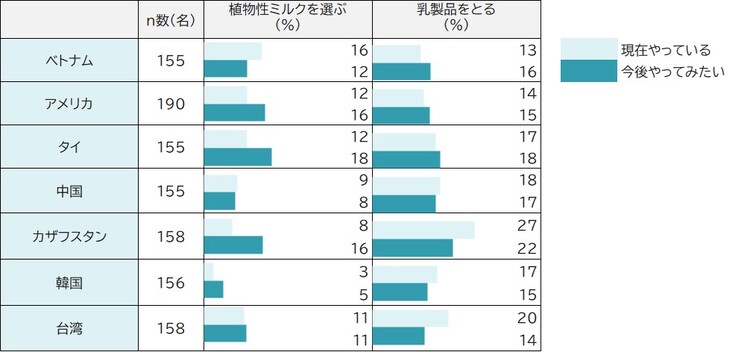
Figure 9: Current and Future Attitudes Toward Consuming Plant-Based Milk and Dairy Products Among 15- to 29-Year-Olds in Seven Countries
Source: Intage Independent Survey (conducted in December 2025)
5. Summary
Two major points emerged from this analysis of younger consumers.
The first is the profile of almond milk drinkers. While characteristics vary by country—such as a plant-based lifestyle in China, a focus on beauty in Taiwan, and a preference for lactose-free and additive-free products in Thailand and Vietnam—we found that drinkers in all these markets tend to have relatively stronger health-conscious attitudes. It appears that almond milk is chosen not simply because “it seems good for you,” but rather by people who have a genuine interest in health and specific health priorities.
The second point concerns differences in how the market is expanding. In Kazakhstan, there is a high intention to adopt the product in the future, indicating significant room for growth in the number of new users. On the other hand, in countries like Vietnam where consumption rates are already high, the key to growth is likely to be “deepening” the market—expanding consumption occasions and increasing frequency—in addition to acquiring new users.
As shown, even for the same product—almond milk—the “expansion phase” and “deepening phase” differ by country. It is therefore important to tailor messaging and approaches according to the stage each market is in.
While this analysis focused on almond milk, seven countries, and the younger demographic, we can also conduct analyses tailored to different categories or target audiences. If you’re curious about how this might apply to your own products, please feel free to contact us.