Search Results
Population/Ethnic groups - 36 results
-
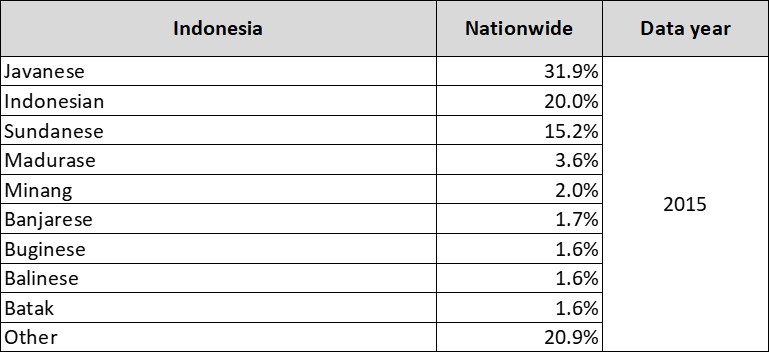
Population ratio by language _ Indonesia
calendar_monthAug 04, 2020
In Indonesia, "Indonesian" is the official language of the majority of the population, but a variety of languages are spoken as mother tongues, including Javanese, Sundanese, and Madurese.―――With the world’s fourth-largest population and sustained GDP growth, Indonesia is Southeast Asia’s largest economy.How well do you understand the “average Indonesian lifestyle and values”?Drawing on various data sources, including Intage’s “Global Viewer” international consumer data, we will organize and explain the “average” that defines Indonesian consumers, as well as the latest trends revealed by this data. Let’s Get to Know the “Average” Indonesian! Understanding the Lifestyle Through Climate, Culture, Halal, and Gen Z・Lifestyle and Living Environment: Differences by Socioeconomic Class (SEC)・Religious and Halal Considerations and Unique Consumer Behavior
-
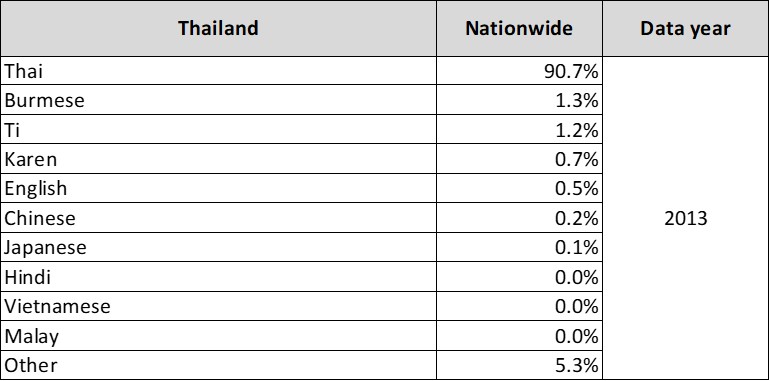
Population ratio by language _ Thailand
calendar_monthAug 04, 2020
In Thailand, about 90% of the population speaks Thai as their mother tongue.
-

Population ratio by language _ Korea
calendar_monthAug 04, 2020
In Korea, most of the population speaks Korean as their mother tongue.---Generation Z, which accounts for about a quarter of the world’s population, is garnering attention as the largest consumer demographic of the future.In this article, we use Intage’s consumer database “Global Viewer” to compare Generation Z across 10 Asian countries and explain their commonalities and differences. Understanding Generation Z Around the World: Country-Specific Trends Through Values and Daily Life・Generation Z’s Values (Health, Parenting, Shopping, etc.)・Generation Z’s Lifestyle
-
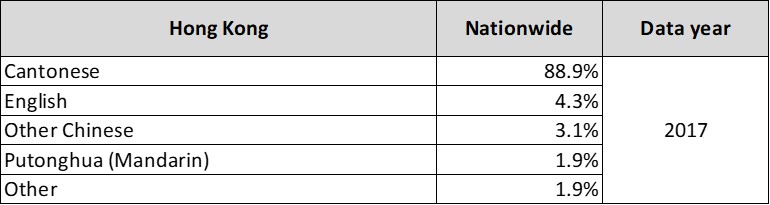
Population ratio by language _ Hong Kong
calendar_monthAug 04, 2020
In Hong Kong, about 90% of the population speaks Cantonese as their mother tongue.
-

Population ratio by language _ Japan
calendar_monthJul 30, 2020
In Japan, most of the population speaks Japanese as their mother tongue.
-
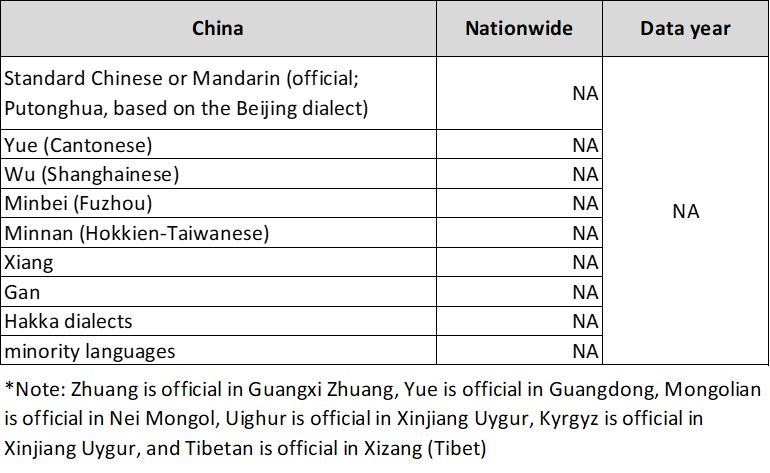
Population ratio by language _ China
calendar_monthJul 30, 2020
The standard language is Mandarin, which was established with reference to the Beijing dialect, but other dialects such as Yue (Cantonese) and Wu (Shanghainese) are also spoken.---For those interested in learning more about daily life in China, please also check out this article. What is Real Life in China? Daily Habits and Current Trends Marketers Should Know・Urban Housing Conditions: Surprisingly Not That Spacious? Floor Plans and Features・Ways to Maximize Space Utilization・Refrigerators in the Living Room? And Entranceways: Different Approaches Compared to Japan・Chinese Households Focusing on Indoor Air Qualityetc.
-
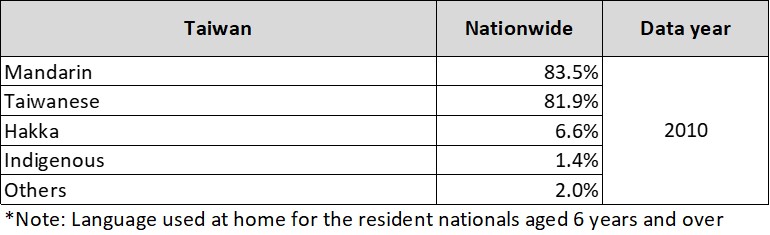
Population ratio by language _Taiwan
calendar_monthJul 30, 2020
In Taiwan, more than 80% of the population uses "Mandarin Chinese" and "Taiwanese" in their daily lives at home.
-

Population ratio by ethnic groups_Saudi Arabia
calendar_monthJul 14, 2020
In Saudi Arabia, nationwide, by gender, about 70% of women are Saudi Arabians, while the ratio of Saudi Arabians to expats is almost 1:1 for men. The same trend is true in the capital city of Riyadh.---If you’d like to learn more about home cooking and household routines in various Asian countries, please also check out this article.From Stocking Up on Ingredients to Cleaning Up: Home Cooking in 8 Asian Countries ~Three Trends Revealed Through Food Culture~・Countries where groceries are bought daily vs. countries where people buy in bulk・Seasoning and presentation styles in each country・Who cooks? Who cleans up?・Does the family eat together? Or do they eat whenever they like? and more
-
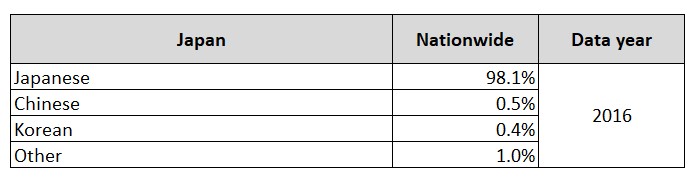
Population ratio by ethnic groups_Japan
calendar_monthJul 14, 2020
Japanese make up more than 90% of the population in Japan.
-
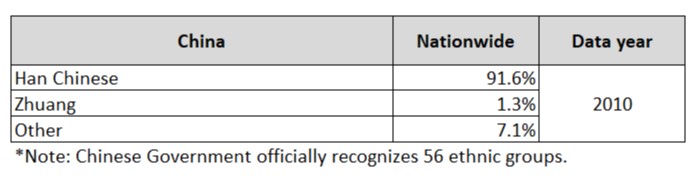
Population ratio by ethnic groups_China
calendar_monthJul 14, 2020
In China, about 90% of the population is Han Chinese. According to official government figures, there are 56 ethnic minorities living in the country, the largest of which are the Zhuang, who live in the mountainous areas of the central and western part of the Guangxi Zhuang Autonomous Region and the southwestern part of Yunnan Province.
-
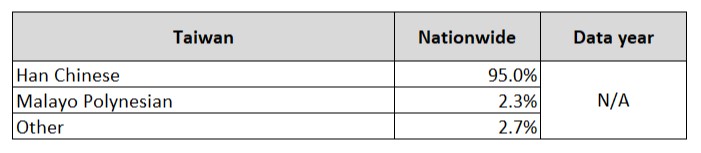
Population ratio by ethnic groups_Taiwan
calendar_monthJul 14, 2020
In Taiwan, more than 90% of the population is Han Chinese. 2.3% of the population is natives who had been living in the area before the immigration from the mainland China began to grow.
-
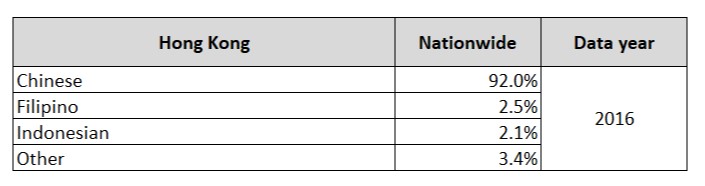
Population ratio by ethnic groups_Hong Kong
calendar_monthJul 14, 2020
In Hong Kong, about 90% of the population is of Chinese descent. Filipino and Indonesian people who come to work mainly as house helpers are also living here.