 Global Market Surfer
 CLP
CLP Column
National Character of Countries Around the World Brazil: A cheerful and friendly national character born from diversity and resilience
- Release date: Jan 13, 2026
- Update date: Jan 13, 2026
- 1153 Views
Brazilians are generally cheerful, friendly, clean, and tend to envision their own ideal body type.
This temperament was cultivated throughout a history of facing economic and social hardship—during colonial times, slavery, and military rule—and has also functioned as a psychological defense. This is underscored by the fact that Carnival was once the only annual outlet for stress relief for enslaved Africans. The recent rise of the body positivity movement is also not unrelated to the history of exclusion and inclusion experienced by a nation of mixed races. In essence, the Brazilian national character can be seen as a cultural trait born of diversity and resilience.
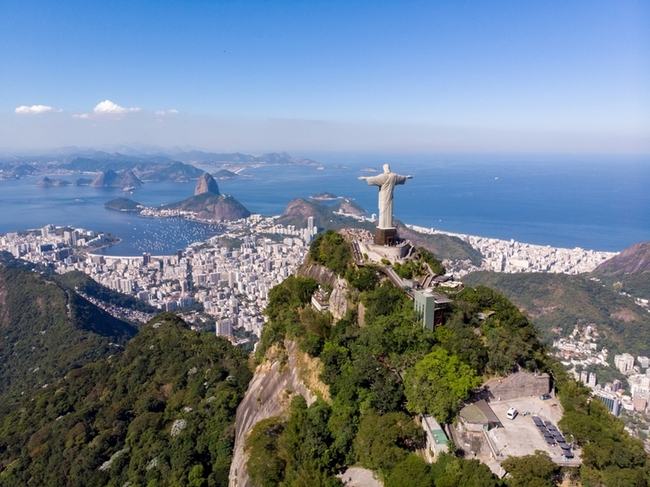
Photo: Courtesy of Shutterstock
目次
1. Loves family life, talkative and enjoys parties
Brazilians tend to seek the foundation and mutual support of life in human connections and celebrate unity. According to a survey conducted by Globo/Quaest in August 2025 , family is the most important thing for 96% of Brazilians. Meanwhile, when asked to define “what family is,” 80% responded that it is not necessarily limited to blood relations but also includes people they trust. And it is “conversation” that plays a role in strengthening these networks of solidarity and mutual trust.
Throughout Brazil's history, oral communication has played a vital role. Furthermore, the mixing of ethnic roots has fostered a culture that is open to others and expresses emotions in a direct and warm manner. Building trust through oral communication remains highly important today. It often takes precedence over formal, bureaucratic rules, serving as a primary means for establishing and maintaining connections—whether for making friends, closing deals, or resolving issues.
“Gatherings,” which serve as spaces for conversation, further strengthen the sense of belonging to supportive groups and families. People enjoy lively conversation while sharing delicious meals, drinking, dancing, and celebrating. It's a “festa,” meaning a party where family and friends gather, and also an opportunity to make new friends.
These gatherings range from city-wide events like carnivals to weddings, corporate year-end parties, birthday celebrations, Sunday churrasco barbecues, dinners with friends at home, and Christmas gatherings—spanning both formal and casual occasions.
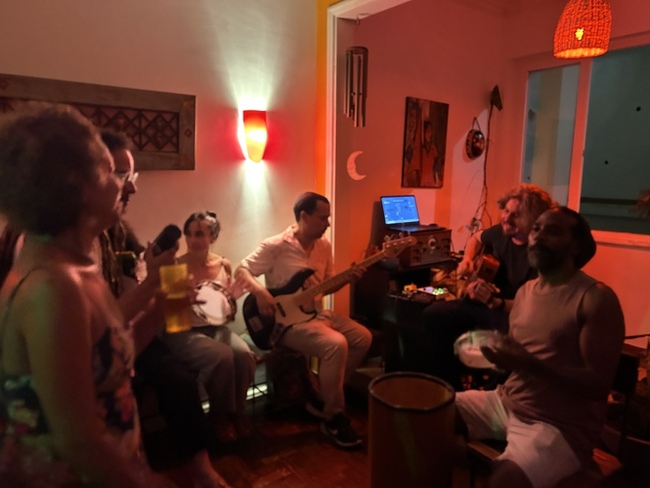
Small birthday party at home
2. “Casa di Festa” Born from Family Love and Festa Culture
One unique facility born from this trend is the “Casa de Festa” (House of Festa). When inviting more guests than can fit in one home, many condominiums typically use the salon in their shared facilities. Tables, auxiliary kitchens, and churrasco spaces are permanently installed, offering the appeal of lower costs compared to renting an external space.
On the other hand, many people choose the “Casa de Festa,” which incurs usage fees. Specifically designed commercial venues for hosting parties like birthdays, they allow free selection of services like decorations, catering, and entertainment, with no cleanup worries afterward. Renters can opt for just the space or add services.
Particularly popular during early childhood, these venues often feature services like live music and puppet shows for kids, thrilling amusement rides, and even facilities for animal interaction. Costs vary significantly depending on the venue, number of guests, and included services (decorations, buffet, entertainment, etc.), ranging from 1,500 reais (approx. ¥43,000) to 45,000 reais (approx. ¥1.3 million) – certainly not inexpensive. (https://hapy.com.br/blog/detalhe/quanto-custa-festa-infantil)
Recent trends in children's Casa de Festa parties center around “immersive experiences and decorations” and “sustainability.”
For immersive experiences and decorations, examples increasingly include workshops like cooking, painting, and puppet shows, or interactive games using tablets and video games. Theme parties like “Magic Garden” or “Space” feature elaborate lighting and scents.
Casa das Ideias in São Paulo specializes in workshops that encourage creativity and interaction, using new materials, recycled materials, and traditional tools and machinery to create objects like cars and boats.
Rio de Janeiro's Espaço Quebra Nozes provides dedicated spaces recreating various environments like “Market,” “Kitchen,” “Tattoo Studio,” and “Changing Room,” allowing children to play within diverse imaginary scenarios.
Spasso Splash Festas, featuring giant toys like mini roller coasters and pirate ships, enhances immersion in specific themed parties like “Under the Sea” or “Enchanted Forest.” They use stage lighting and smoke machines emitting scents like vanilla and fruit to heighten the experience in the main theme area.
From Casa das Ideias Instagram @casadasideias
Spasso Splash Festas from Instagram @spassosplash
Meanwhile, more natural, comfortable spaces with an organic atmosphere are also gaining popularity. Moving away from the traditional “colorful hall,” they incorporate cottage styles and bohemian chic styles (featuring neutral, earth-toned color palettes like nude and terracotta), responding to parents' demand for more sustainable spaces.
Casa Eco Buffet in Rio de Janeiro offers a space integrated with a vegetable garden in a lush green area and activities that allow interaction with nature (such as tree climbing and zip lines). It champions the philosophy of using natural materials for decoration and avoiding plastic and disposable items wherever possible. Another defining feature is its recreation of a “backyard” complete with tree climbing and zip lines, enabling direct interaction with nature and simple play experiences.
From Casa Eco Buffet's Instagram @casaecobuffet
3. Brazil's most important festival: Carnival
And Carnival is undoubtedly Brazil's largest and most iconic festival, known worldwide. By temporarily dissolving social barriers and hierarchies, and sharing joy through music, dance, and parades, it also fosters connections between people. Therefore, marketing during Carnival becomes a crucial time for companies to emotionally connect with audiences through the energy of “festive joy” and “excitement.”
Beyond simply sponsoring parades or street carnivals, brands employ various strategies to associate their image with Carnival's positive emotions like “unity,” “joy,” and “celebration.” Carnival-themed product packaging has become commonplace, with beverage cans featuring designs incorporating masks, feathers, and vibrant colors being a staple.
During the 2025 Carnival period, the beer brand Brahma will sell cans redesigned to incorporate the colors of the various Carnival teams that enliven the parades. They are promoting the fun of choosing and purchasing the color of the team you support via social media and other channels, and have appointed the lead dancer of the team they sponsor as their advertising ambassador.
In recent years, particularly notable are multifaceted initiatives such as visual content, collaborations with influencers, street-level brand actions, and limited-edition kits and product collections.
For example, in 2024, Boticário Group, the largest player in the cosmetics market, not only set up VIP rooms at parade venues and invited celebrities and influencers, but also focused on promoting sustainable “eco-glitter” by linking the glitter essential to Carnival with environmental issues.
Leveraging social media, they distributed tutorial videos for Carnival makeup, emphasizing techniques for creating vibrant looks that withstand the long hours of festivities. They also implemented direct consumer engagement strategies during the event itself, such as setting up makeup touch-up stations and distributing samples.
Furthermore, they launched a limited-edition collection themed around carnival, featuring essential items like Fix Mist, body glitter, and vibrant-colored lip balms. This initiative aims to visualize “beauty” as one of carnival's main protagonists, driving interest in the products while providing participants with practical and trendy solutions.
From Boticário's Instagram
4. The Brazilian Sense of Beauty: Manifested in Fragrance and Physical Grace
Physical intimacy like hugs and kisses during greetings, or casual touch during conversation, is a common gesture in Brazil, a country that values sociability, personal connections, and expressions of affection. And what becomes a concern in these situations is “smell.”
According to a 2025 survey by World Population Review, Brazilians shower an average of twice a day, the highest frequency globally. This is largely attributed to the hot and humid climate and the influence of indigenous lifestyles, but physical intimacy is also a contributing factor. Furthermore, the Brazilian Association of Personal Hygiene, Perfume, and Cosmetics Industries announced that approximately 78% of Brazilians will use some form of perfume by 2025.
Companies are strategically utilizing sensory marketing focused on scent, recognizing that fragrance evokes emotions and memories, creating an emotional connection with consumers. MMartan, which handles bedding and bath products, uses its own signature scent in physical stores to expand brand recognition through fragrance. The soft, fresh, and sophisticated fragrance evokes cleanliness, comfort, and coziness. It is diffused throughout spaces via automatic diffusers and home sprays. Fragrance is also included with bed linens, tableware, and bath products, or the products themselves are scented.
Plastic footwear brand Melissa builds its identity by infusing shoes with scents that evoke childhood and adolescent memories. Its distinctive approach involves blending fragrances—like bubble gum and nostalgic childhood aromas—directly into the plastic resin used as the shoe material. The scent isn't superficial; it's integrated into the material itself, ensuring it lasts long after continuous use, washing, and exposure to wind and rain.
From Melissa's Instagram @melissaoficial
Beyond scent, muscular beauty is also a central element in Brazil's standards of physical beauty. For both men and women, toned muscles and defined contours are highly valued. For women, the ideal is an athletic physique with curves; for men, a physique with more muscle than the average athlete. In any case, a more voluminous physique is preferred over mere muscularity, and exaggerated examples of this can be seen in the bodies of female Carnival dancers.
Meanwhile, the World Obesity Federation (WOF) reports that by 2025, approximately two-thirds (about 68%) of Brazilian adults will be overweight. Against this backdrop, coupled with the global spread of the body positivity movement and growing consumer demand for “realistic representation” in media and advertising, inclusion of diverse body types has been advancing in recent years.
5. Brazil's Flexible Sense of Time
Brazil exhibits a socially flexible tendency regarding punctuality. Perceptions of time and punctuality in the workplace vary by socioeconomic class, with the general impression being that poorer (working-class) individuals tend to be stricter about adhering to work schedules.
On the other hand, a 1980 paper by Robert Levine pointed out that Brazil has a “polychronic” time culture, meaning standards for punctuality are relatively broad and flexible.
Events often start later than scheduled, and arriving at a home party exactly on time is rare. Trains and buses have timetables, but they don't always run on schedule, and renovation work rarely finishes on time. Even with appointments at banks or clinics, waiting times are accepted as perfectly normal. For events, reasons include technical issues or waiting for sufficient audience turnout. Vehicle breakdowns and traffic jams are typical causes of lateness, and it's not uncommon for soccer matches to start late because another program on the broadcasting rights-holding TV station runs over.
Such delays due to force majeure are widely understood and often accepted as “unavoidable.” Regardless of the reason for being late, the crucial point is the existence of a culture that accepts it. This attitude leads to a tendency to prioritize personal relationships and flexibility over strict adherence to time.
For example, arriving exactly at the start time for a casual party can sometimes be perceived as rushing the host and considered rude. It reflects a culture that prioritizes consideration for others and relaxed relationships over formal punctuality.
This flexible sense of time is also reflected in corporate marketing. Many companies run campaigns emphasizing “freedom from delays” or “flexible solutions” because they assume delays can happen, yet their proactive problem-solving approach resonates.
The motorcycle delivery service “99,” with its slogan “Pra quem é ligeiro (For the quick-witted),” strongly emphasizes the convenience of avoiding urban traffic jams. Recognizing that car travel is prone to delays, it posts on social media promoting motorcycles as a flexible alternative.
On the other hand, precisely because punctuality is not a given in society, companies' “efforts to keep time” are highly valued. For example, on domestic flights, if departure proceeds smoothly, an announcement states “We departed on schedule,” and if the arrival time is met, the airline may emphasize “We are a company that keeps time.” Punctuality has become a crucial differentiator, directly linked to gaining trust from customers and partners and establishing competitive advantage.
6. In Conclusion
The attitude of “inclusivity,” a bright and energetic tone, and frequent use of music and dance are recurring features in Brazilian advertising. Scenes of families gathered around the dinner table or friends at parties are also commonly depicted.
Overlaid upon this is a history of repeatedly overcoming socioeconomic hardships, making themes like “hope,”
In Brazil's advertising strategy, appealing solely to functional value is insufficient. It is crucial to create stories that resonate with consumers' cultural traits and emotions, fostering empathy.
This brand understands and respects our culture and values—it is precisely this sense of reassurance and trust that creates competitive advantage within a complex and diverse society.

-

Author profile
TNC Lifestyle Researcher
The more I learn, the less I understand—yet I've been captivated by Brazil for 25 years. Supported by a warm extended “family,” I'm developing my resilience. My expertise extends beyond Brazil to cover all of South America.
-

Editor profile
Chew Fong-Tat
Malaysian researcher who has lived in Japan for 14 years and has handled many surveys on ASEAN countries.
Other related article:
-
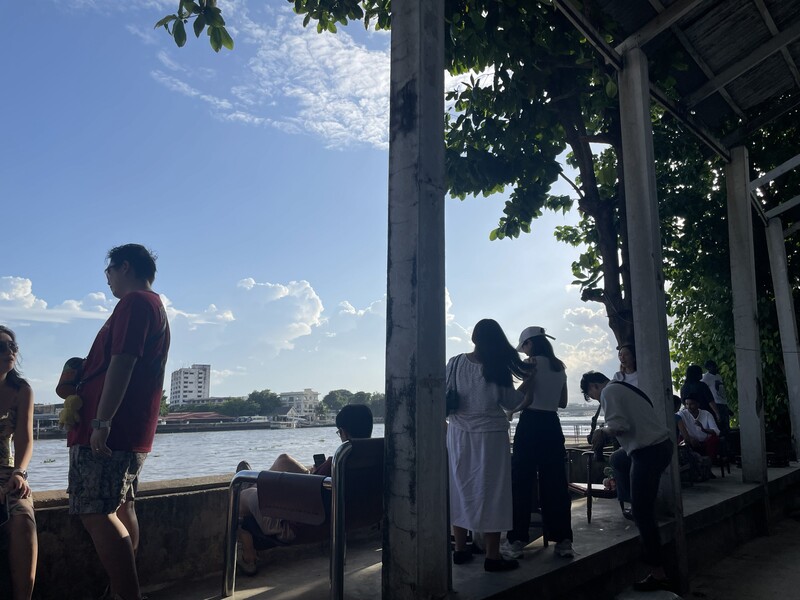
【National Character of Asian Countries】The Surprising Side of the Generous and Tolerant Thai People
-
National Character of Asian Countries: Australia Edition: A National Character Rooted in Mateship and a Coexistence Lifestyle
-
National Character of Countries Around the World Malaysia: A pioneering spirit balanced with the ability to enjoy life while preserving traditions