Global Market Surfer
 CLP
CLP Column
Understanding the Average Vietnamese Consumer A Rapidly Growing Market Where “Youth” and “Practicality” Coexist: Decoding the Fundamentals of Vietnamese Consumers Through Data
- Release date: Mar 03, 2026
- Update date: Mar 03, 2026
- 21 Views
目次
1. Introduction
2. Understanding Vietnamese People Through Demographics
3. Work and Roles — Women Driving Society Forward
4. Consumption and Values — Emphasis on “Practical Benefits”
5. Food — A Critical Eye on the “Source” of Food
6. Health—It is precisely because access to medical care is limited that health awareness grows.
7. Summary: Three Keywords for Understanding the Vietnamese Market
1. Introduction
Why is it necessary to understand Vietnam now? The reason lies in the significant differences between this country's demographic structure and growth phase compared to Japan, a mature market.
In Vietnam, the young population from under 10 to their 30s forms the bulk of the population, contrasting sharply with Japan's low birthrate and aging society structure, where those in their 40s to 70s are numerous.
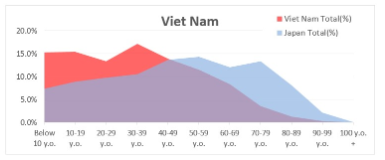
Furthermore, while Japan's total fertility rate hovers around 1.3 amid declining birth rates, Vietnam maintains a relatively high level of 2.04. This unique demographic dynamic—combining a young average age with a high birth rate—is precisely why Vietnam is recognized as a “market with significant growth potential,” offering substantial room for consumption expansion.
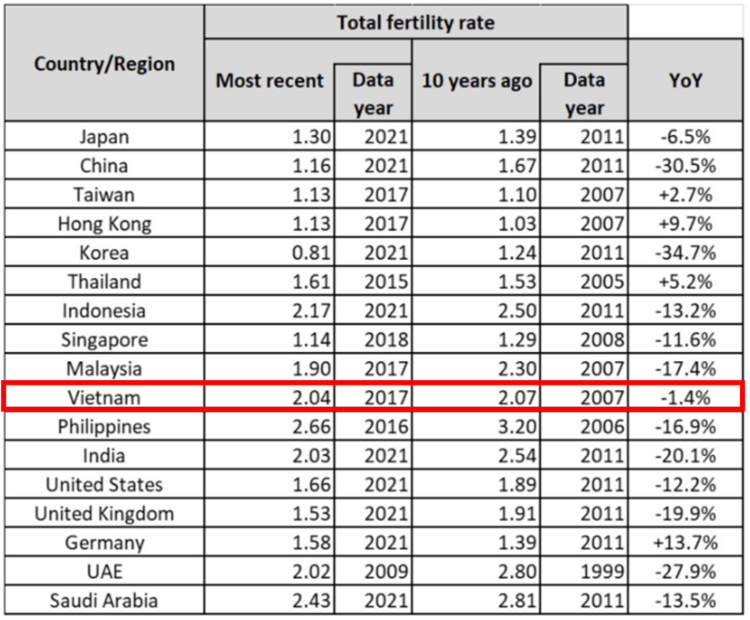
For data on Vietnam's population and birth rate, please refer to this information.
▶Related Data: Population/population ratio by age and sex (10 y.o. range) _Viet Nam
▶Related Data: Total fertility rate_17 countries
What is particularly noteworthy is the palpable “excitement of growth” permeating the market. In Vietnam, per capita spending has reached 2,891,524 VND (approximately ¥17,000), continuing to increase at a pace exceeding the inflation rate. This indicates not merely the impact of inflation, but a simultaneous expansion of real purchasing power and heightened consumer appetite. It suggests a transition to a stage where people are “spending money on better things” as living standards improve.
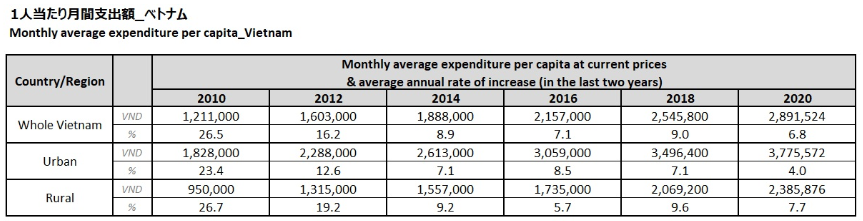
For the expenditure amount, please refer to this data.
▶Related Data: Monthly average expenditure per capita_Vietnam
2. Understanding Vietnamese People Through Demographics
First, it's important to note the rapid progression of life stages. In Vietnam, the average age at first marriage is relatively young—26.9 years for men and 22.8 years for women—making the early onset of life events like marriage and childbirth a key characteristic. This means consumption linked to family formation, such as housing, home appliances, daily necessities, and education-related items, surges significantly starting in the twenties.
This pace stands out even in international comparison. The average age of first marriage for men (26.9 years) ranks third lowest globally, following India and the United Arab Emirates. The figure for women (22.8 years) ranks fourth lowest, behind India, Thailand, and Indonesia.
Thus, the arrival of major consumption events like “family formation” occurring almost simultaneously with the increase in disposable income is a key factor accelerating the demand surge in the Vietnamese market.
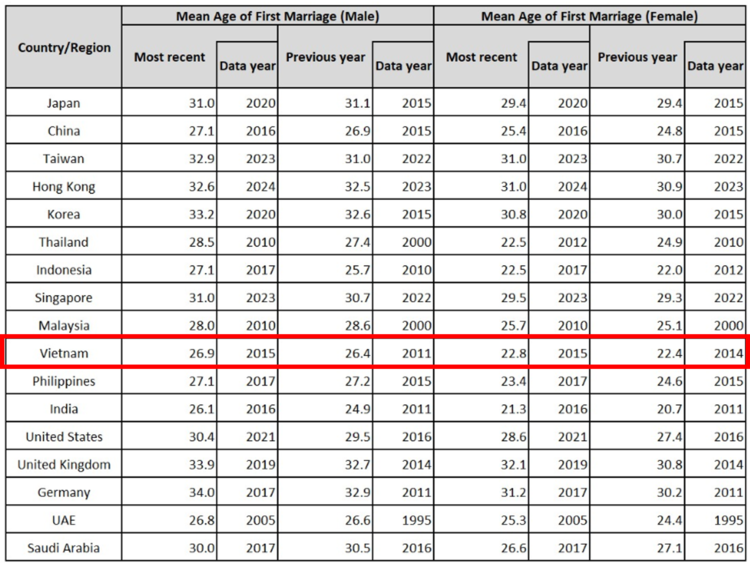
For information on the age at first marriage, please refer to this data.
▶Related Data: Mean age of first marriage by sex
Vietnam's urban population ratio stands at 39.5%, still less than half of Japan's approximately 92%. While this may appear to indicate delayed urbanization, the focus should not be on the current ratio but rather on the rapid pace of its growth.
Vietnam's urban population is steadily increasing, recently recording a rise of about 2%. This represents the highest growth rate among the 17 surveyed countries, indicating that urbanization has entered an acceleration phase.
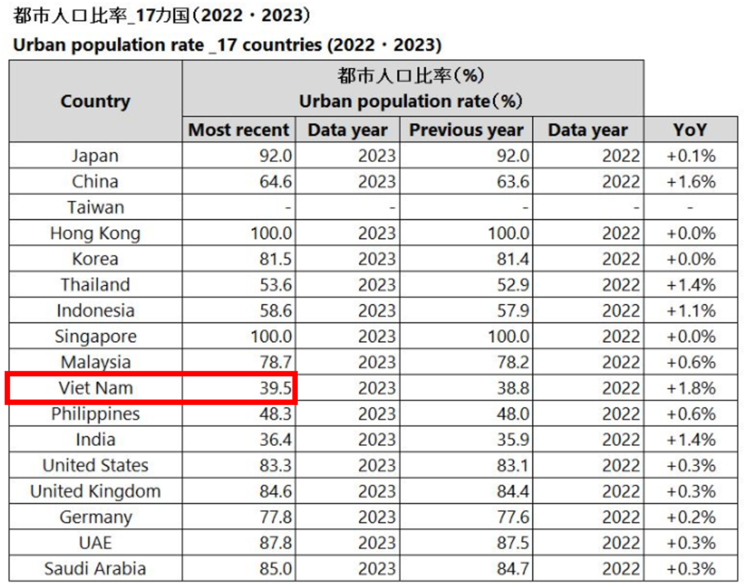
For population ratios comparing 17 countries, please refer to this data.
▶Related Data: Urban population rate _17 countries
In Vietnam, the concept of family-centered living is strong, with the average household size at 3.44 people—over one person larger than Japan's average of 2.33. This represents approximately 1.5 times the scale of Japanese households, characterized by 4-5 person households forming the volume zone.
This large-family orientation prioritizes collective living over individualism, suggesting that consumption strategies designed around the household unit are effective. This includes bulk purchasing of groceries and daily necessities, durable goods intended for shared use, and services utilized by the entire family.
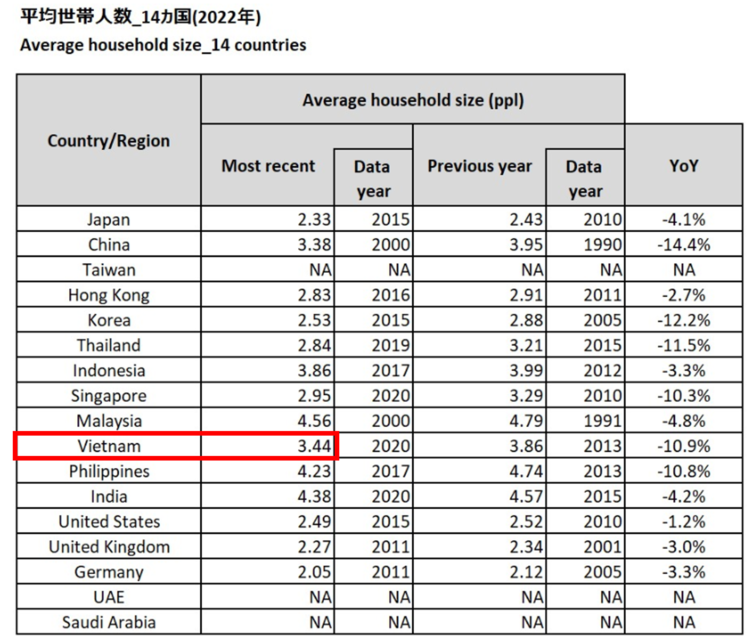
▶Related Data:Average household size_14 countries
3. Work and Roles — Women Driving Society Forward
A key characteristic of Vietnam that cannot be overlooked is its world-leading female employment rate. With a female labor force participation rate of 68.2%, Vietnam ranks first among the 18 surveyed countries, highlighting women's crucial role in social and economic activities.
The “M-shaped curve” phenomenon seen in Japan, where employment rates temporarily dip during childbirth and childcare periods, is virtually absent here. Instead, employment rates naturally peak in the late 30s. This suggests a societal landscape where careers are less likely to be interrupted by life events, and continuing to work after marriage and childbirth is the norm.
*The M-shaped curve refers to the characteristic pattern of female employment where the employment rate peaks between ages 25 and 29, gradually declines, and then rises again.
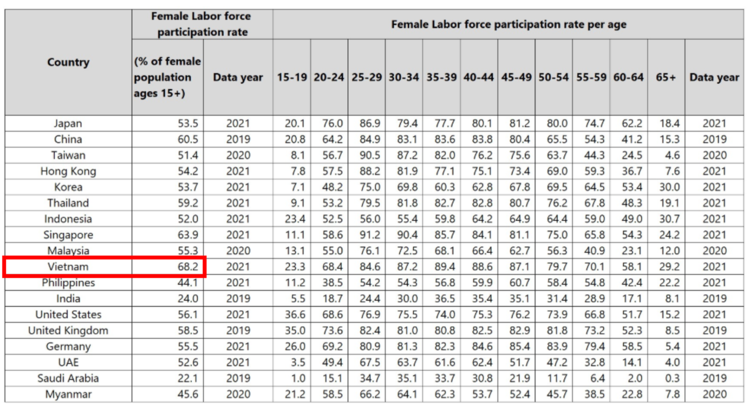
For the female labor force participation rate, please refer to this data.
Looking at the male labor force participation rate, Japan stands at 71.5% and Vietnam at 76.7%, showing little difference. However, among those aged 60 to 64, Japan's rate is 86.4%, while Vietnam's remains at 69.3%. This is thought to be influenced by Japan's institutional background, which facilitates continued employment for older workers through systems like the re-employment system.
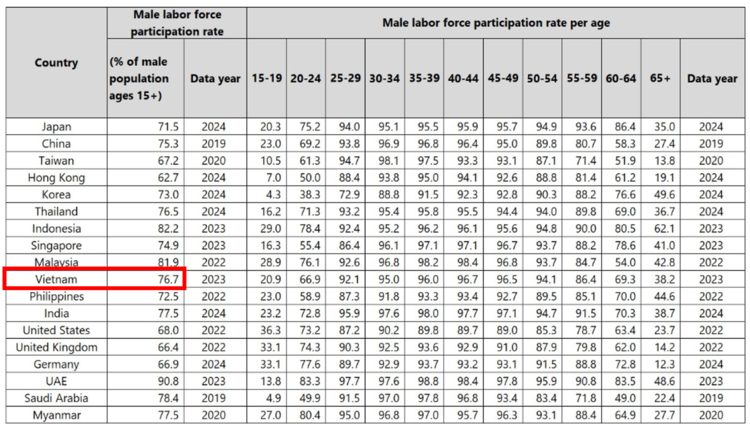
For the male labor force participation rate, please refer to this data.
▶Related Data:Male labor force participation rate
In Vietnam, there is no spousal deduction system like Japan's, and it is common for both men and women to work if they are healthy. Since the institutional concept of “working within dependent status” is less likely to arise, dual-income households are not a special choice but have become established as the “natural” household model. Against this backdrop, the psychological and institutional barriers for women to build careers and thrive in society are low, and the proportion of women in management positions ranks second highest in Asia.
Looking at working hours, the intensity is clear. Weekly working hours for Japanese women are 31.3 hours, while Vietnamese women work 37.95 hours—approximately 6.65 hours longer, indicating a higher workload than in Japan.
Within this lifestyle of long working hours combined with household responsibilities, there is a latent high demand for products and services that enhance household efficiency and save time. In other words, in the Vietnamese market, “time-saving” and “rationality and practicality” are likely to be readily accepted as valuable attributes.
For weekly working hours, please see here.
4. Consumption and Values — Emphasis on “Practical Benefits”
Vietnamese consumers are highly proactive in gathering information before making a purchase. While they thoroughly compare and evaluate products using social media and other platforms, about 60% ultimately choose to buy in-store due to the desire to “see the actual product.”
In other words, digital serves as the “research stage” that supports decision-making, while physical stores function as the “final confirmation stage” where satisfaction is achieved. This has established a distinct division of roles between online and offline channels, solidifying the “Research Online, Purchase Offline” (ROPO) behavior pattern.
Additionally, consumers hold rational values that blend moment-based consumption and experience-based consumption. Moment-based consumption refers to altruistic spending on immediate enjoyment, experiential value, and creating memories. Experience-based consumption, conversely, is self-focused spending prioritizing the functions, effects, and rational benefits gained over mere ownership of the item. The survey found moment-based consumers predominate in the US and China, while experience-based consumers are more common in Thailand.
In Vietnam, however, approximately 70% of consumers value both aspects, making a “hybrid” consumption style—simultaneously seeking emotional satisfaction and practical value—the mainstream. There is particularly high willingness to spend on health-related areas, showing a tendency to actively invest in domains that enhance the quality of life for themselves and their families.
Thus, in the Vietnamese market, merely appealing to emotional values like “fun” or “novelty” is insufficient. Demonstrating how these purchases connect to life improvements and future benefits becomes a crucial factor driving purchases.
For insights on spending habits, see this free report.
▶Related Report: Survey on Spending Habits Across Four Countries
In Vietnam, alongside consumption, there is a very strong awareness of “protecting assets,” and gold—which holds stable value—is positioned as an important means of asset formation. This is characterized by the fact that it is not merely purchased as a luxury item, but carries a practical meaning of preparing for the future.
A symbolic example is the “God of Wealth Day (Ngày Vía Thần Tài)” on the 10th day of the first lunar month. It is said that buying gold on this day ensures a prosperous year in business and financial security, prompting many to visit jewelry stores. The deep-rooted cultural practice of buying gold as an annual event reflects how Vietnamese people clearly distinguish between “money for spending” and “money for saving,” embodying a value system that prioritizes practical benefits.
For more details on marriage and assets, please refer to this article.
▶Related articles:[Global Series: Marriage and Assets] Vietnam: Preparing for Marriage

5. Food — A Critical Eye on the “Source” of Food
In Vietnamese households, just like in Japan, “rice” is the staple food served at the table. Daily meals typically consist of rice paired with several side dishes, often featuring savory flavors that complement rice or hearty, richly flavored dishes.
Ingredients are typically sourced from early morning markets and convenient local supermarkets. With the rise of dual-income households, time-saving preferences have grown, leading to increased use of takeout and prepared foods. Rice remains the staple, and meals—where the family shares dishes with rich flavors using fish sauce from large communal plates—are seen as important times for strengthening family bonds.
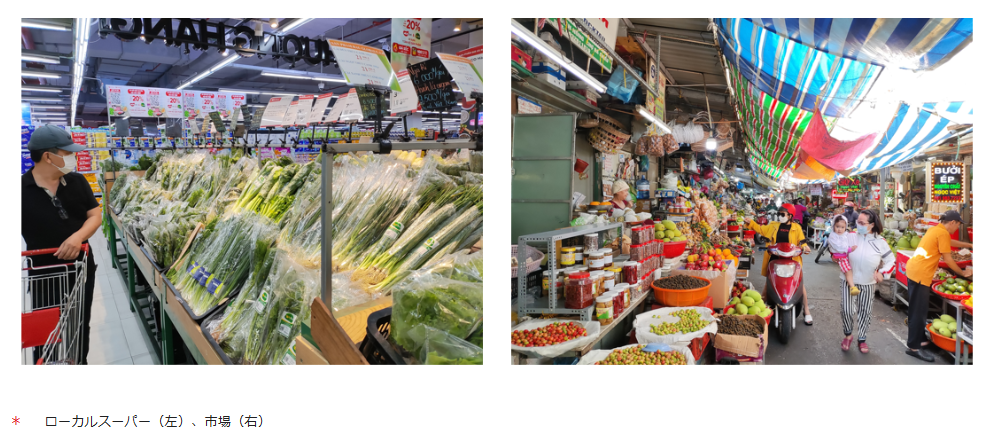
For more details on home cooking, please see this article.
▶Related articles:[Global series: Cuisine and Housework] Vietnam: What to Do When Cooking
Vietnamese Gen Z women, who are highly attuned to trends, are extremely careful about what they consume. Their focus extends beyond taste alone and boils down to the following two points:
① Place of Manufacture & Natural Ingredients:
They rigorously check for clarity regarding where products are made and what ingredients are used, feeling reassured by items whose origins can be explained.
② Social Media Verification of Trust:
They judge whether a brand is trustworthy by referencing content shared by influencers or accounts they trust.
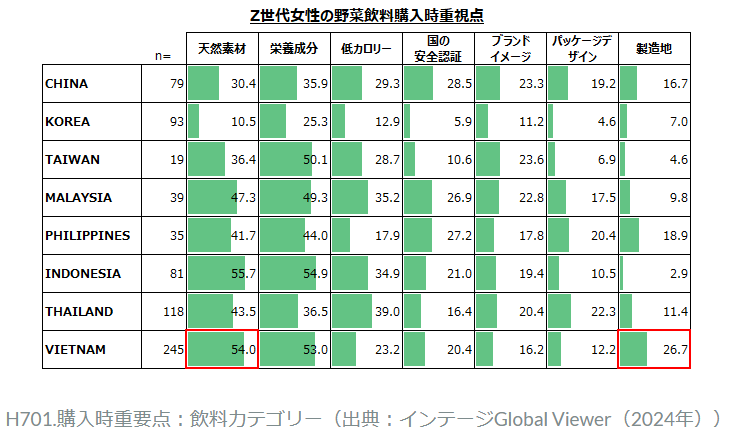
This trend shows that the story behind the production location and disclosure of ingredients directly influence purchasing decisions. Products clearly identified as Japanese-made particularly benefit from a strong perception of high quality. Within the beverage category, sake with a clearly defined origin tends to be highly valued. There is also a preference for low-alcohol types, driven by the perception that “moderate consumption is healthy.”
Furthermore, against a backdrop of heightened health consciousness, matcha is widely recognized as a “healthy beverage” and accepted as a product highly compatible with wellness-oriented lifestyles.
For a detailed look at Gen Z trends, please refer to this article.
Accelerate decision-making with smart overseas resident data
Global Viewer
This service provides reports tailored to your issues using questionnaire data on various actual conditions and attitudes of sei-katsu-sha in 11 countries (Asia and US) stocked by INTAGE.
The service covers 400 items, including actual behavioral conditions and awareness, values, and information contact related to various product and service categories.
6. Health—It is precisely because access to medical care is limited that health awareness grows.
Vietnam tends to have a higher level of health consciousness compared to developed countries like South Korea and Singapore. In Vietnam, which is still developing, a new mindset is spreading—one that seeks to manage health through daily choices rather than relying solely on medical care.
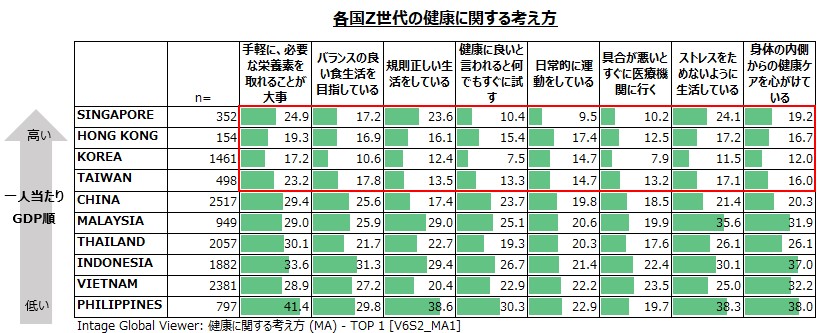
For insights on Generation Z's approach to health, please see this article.
The strong interest among Vietnamese people in maintaining their health stems from pressing social circumstances. In Vietnam, there are only 0.8 doctors per 1,000 people, significantly fewer than Japan's 2.6 doctors per 1,000 people. This means they may not be able to easily receive medical care when needed. These constraints on access to healthcare are thought to heighten a preventive mindset of “taking care of oneself before getting sick,” driving demand for daily dietary management and health-related products.
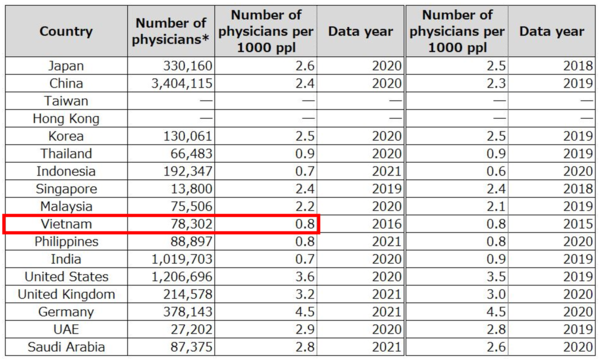
For information on the number of physicians, please refer to this data.
▶Related Data:Number of physicians per 1000 people_17 countries
In Vietnam, there is a strong sense of aspiration for the future characteristic of developing countries, and people tend to be willing to spend on health management and information gathering to improve themselves. What distinguishes this is that these expenditures are not seen merely as consumption, but rather as “self-investment” to safeguard and enhance their future lives. Health is likely perceived not as a cost, but as an investment to increase one's own value.
7. Summary: Three Keywords for Understanding the Vietnamese Market
Vietnamese consumers can be succinctly characterized through the following three perspectives:
① Young & Family:
While the younger generation forms the core of society, decision-making always considers family and community. Values centered on the “household unit” are stronger than those focused on the individual.
② Digital & Real:
They are digitally savvy, thoroughly gathering information via SNS and online platforms, yet they also possess the caution to ultimately verify and judge things with their own eyes.
③ Pragmatic: They prioritize areas directly impacting their future—health, housing, assets—and are willing to spend on “reliable value.”
The energy of youth coexists with a solid focus on the future. This seemingly contradictory combination is precisely the essence of the Vietnamese market.
What is Consumer Life Panorama?
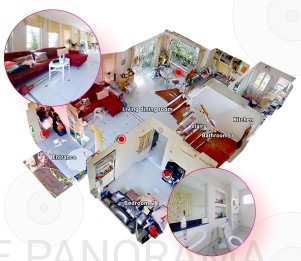
This is a website-type database that has accumulated visual data on more than 1,000 sei-katsu-sha from 18 countries around the world. The database includes many 3D models of living environments and 2D data of items owned by each sei-katsu-sha, and is useful for understanding overseas sei-katsu-sha, which is difficult to grasp using only letters and numbers.
Using visual data such as those cited in this column,
Compare the differences in the attributes of overseas consumers
To get a realistic understanding of the actual usage of each category
To understand the overall lifestyle of target consumers
etc., can be utilized as a “no-go” home visit survey.

-

Editor profile
Chew Fong-Tat
Malaysian researcher who has lived in Japan for 14 years and has handled many surveys on ASEAN countries.