目次
- 1. Introduction
- 2. Why is qualitative research necessary in marketing in the first place?
- 3. Three Common Challenges in Conducting Qualitative Interviews Overseas
- 4. Solution: Incorporating visual data into qualitative interviews
- 5. Case Study: What Does “Health” Mean to Women in Thailand?
- 6. “Lifestyles” and “Values” Revealed Through Visual Data
- 7. However, sometimes visual data alone isn't enough to get the full picture.
- 8. Insights Revealed by Combining Qualitative, Visual, and Quantitative Data
- 9. To make the most of an overseas research budget in the range of several million yen
Are you really getting the information you need?
Intage’s International Research
Open data alone may not always provide sufficient grounds for making business decisions.
In such cases, we recommend Intage’s international research services.
Leveraging our in-house offices in 9 countries and a research network spanning over 60 countries,
we specialize in helping you understand local values, purchasing behavior, and
the latest trends.
We support a wide range of research methods—including quantitative and qualitative studies—to help you refine your international strategies. Drawing on our extensive track record and local insights, we provide robust support to help companies advance their global business initiatives.
1. Introduction
There are increasing opportunities to conduct interview surveys with overseas consumers while based in Japan. At the same time, however, it is not uncommon to feel that “while we were able to hear what the respondents said, we couldn’t fully grasp who they really are as consumers” or that “our understanding wasn’t deep enough to translate into a product concept.”
In overseas research, the information that can be heard verbally alone may not be sufficient to fully capture the respondents’ lifestyles, values, or the context behind their comments. This is particularly true for online and in-person interviews, where it can be difficult to visualize the spaces in which respondents live, the objects that surround them, and their daily behaviors.
In this article, we introduce an approach for overseas qualitative interview research that goes beyond just the respondents’ words. By leveraging visual data gathered in advance to understand their “lifestyles” and combining this with quantitative stock data that captures the broader local consumer population, we can deepen our understanding of consumers and maximize the effectiveness of your research budget.
2. Why is qualitative research necessary in marketing in the first place?
(1) Quantitative data alone makes it difficult to fully understand the “target audience”
In marketing activities, it is common to first define a target audience based on market data and quantitative survey results. For example, you can define your target demographic using criteria such as “women aged 25–35,” “employed,” “married with children,” “living in urban areas,” and “household income above a certain threshold.”
However, such demographic information alone makes it difficult to see what kind of life they lead, what they value, and what problems they want to solve. To understand specific aspects—such as “what they aspire to become,” “how they spend their days,” and “why they are willing to pay for our products or services”—we need to delve deeper into consumers’ words and behaviors.
(2) Qualitative Research: Research to Define Value Proposition
This is where “qualitative research” proves effective. Qualitative interviews, a type of qualitative research, allow you to hear directly from respondents, making it easier to form a concrete image of your target audience. They are also useful for determining what value your company should provide to that audience.
Conversely, without this understanding, the offerings of the product or brand become vague, leading to a lack of consensus among internal stakeholders regarding the target audience, and making it impossible to unify messaging. Qualitative research is not merely a means of gathering consumer feedback; it is a critical process for “defining the value proposition.”
3. Three Common Challenges in Conducting Qualitative Interviews Overseas
However, even conducting qualitative interviews alone presents challenges in international research. What specific issues are likely to arise? Here, we outline three common challenges.
Challenge 1: Recruited participants do not match the target profile
The first challenge is that the participants recruited for interviews do not match the intended target profile.
For example, even if the recruitment criteria specify “people with a high level of health consciousness” and the screening forms (which list information about the recruited participants) suggest they are health-conscious, actual interviews may reveal that they are not as health-conscious as expected. This is particularly common overseas, where respondents tend to lean toward positive answers regarding awareness-related questions; consequently, many people are likely to answer “yes” when asked, “Are you health-conscious?”
Therefore, it is important to recruit participants not based solely on their answers, but by taking into account their actual behaviors, the products they use, and their living environments.
Challenge 2: Understanding is limited to “superficial differences from Japan”
The second challenge is that the insights gained from interviews often remain limited to superficial differences from Japan.
In overseas research, a great deal of information emerges that differs from what is taken for granted in Japan. Consequently, we tend to spend time simply trying to understand those differences. However, the true purpose of qualitative research is to delve deeper into insights that the participants themselves have not yet fully articulated.
If you stop at the stage of simply identifying differences from Japan, it becomes difficult to reach the point of clearly defining the value you should provide to your target consumers. That is why it is crucial to deepen your understanding of local residents in advance and approach the interviews with a hypothesis in mind.
Challenge 3: The “sense of daily life” behind the statements is hard to see
The third challenge is that the sense of daily life underlying the statements is hard to see.
In online or in-person interviews, it is difficult to visualize the respondent’s living environment and lifestyle. Even if a respondent says, “I exercise at home” or “I eat dinner with my children,” it is difficult to imagine, based on words alone, exactly where and in what kind of space these activities take place.
This is particularly true overseas, where people live in housing environments and follow lifestyle habits different from those in Japan, making it difficult to intuitively fill in the context of their remarks as one might in domestic research. Relying solely on the respondent’s words may prevent us from fully understanding their specific daily life or the true meaning behind their statements.
4. Solution: Incorporating visual data into qualitative interviews
An effective way to address these challenges is to incorporate visual data into qualitative interview research.
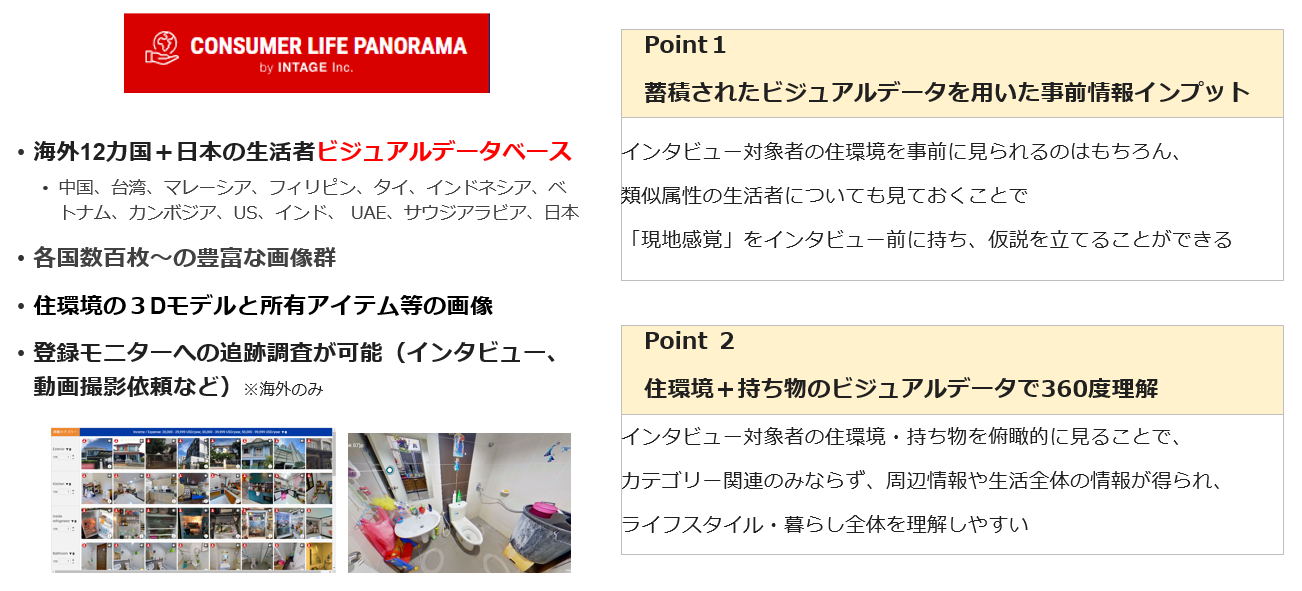
For example, Intage’s “Consumer Life Panorama” service provides visual data that offers a comprehensive view of the living environments and personal belongings of consumers in 12 countries overseas plus Japan. With this visual data, you can “see” the actual lives of the research participants.
Since visual data provides a bird’s-eye view of participants’ living environments and possessions, it facilitates a broader understanding that extends beyond information directly related to a specific category to include the individual’s life context and overall lifestyle. For instance, even in research on the food and beverage category, looking at not just the kitchen and refrigerator but also the living room, bedroom, exercise equipment, pets, and plants provides clues for understanding the values and daily rhythms underlying dietary habits.
There are three main points to consider when utilizing visual data.
Click here for more details on Consumer Life Panorama
Point 1 is to use it for selecting participants. Rather than relying solely on screening forms, we use visual data to observe their actual living conditions and select people who closely match our target profile. This reduces the likelihood of a “discrepancy with the target profile”—where the interview results differ from our expectations.
Point 2 is to use it for preliminary research and hypothesis building. By observing their living environment and personal belongings in advance and identifying “insights,” “questions,” and “differences from Japan or points that differ from expectations,” we can improve the accuracy of the interview flow.
The third point is to use it for interpretation during the interview. By listening to the participant while observing their home and belongings, it becomes easier to grasp the specifics and context of their comments. Scenes from daily life that might have been vague when described only in words become more three-dimensional and easier to understand when linked to specific locations and items.
5. Case Study: What Does “Health” Mean to Women in Thailand?
In the following section, we will use a case study based on the early stages of developing a probiotic beverage for the Thai market to illustrate the limitations of relying solely on traditional overseas market research, and what insights can be gained by supplementing that research with visual and quantitative data.
(1) Assumptions for the Case Study Survey
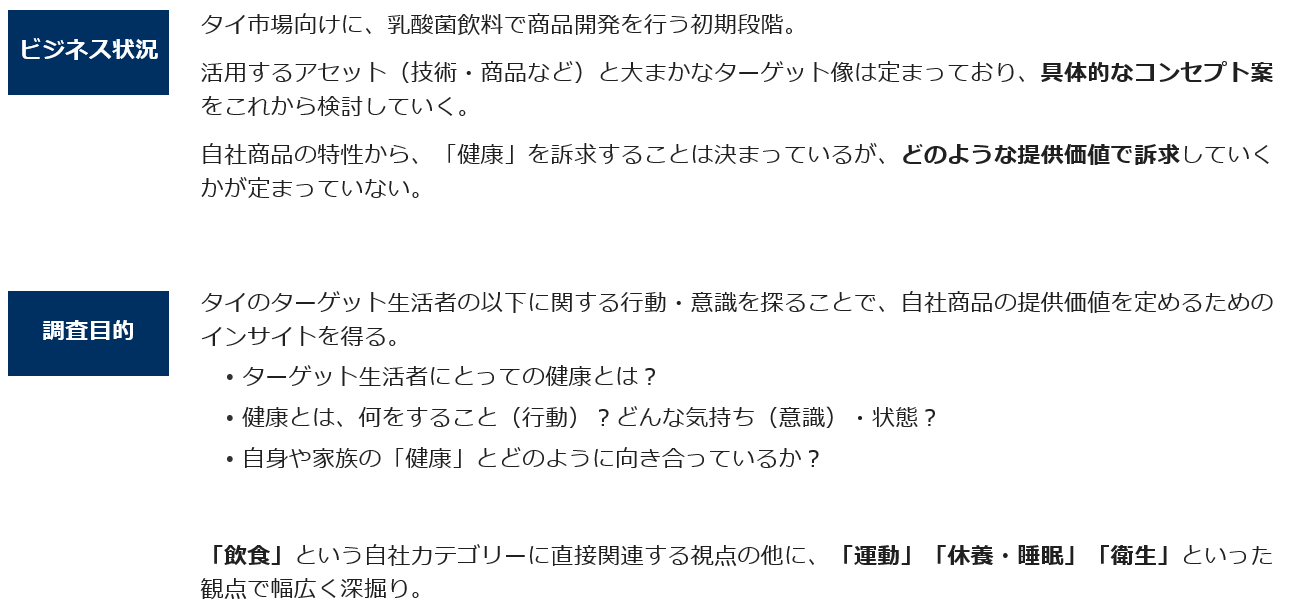
In this case, while the general target profile and the assets to be used had already been determined, we were still in the process of deciding how to position health as a value proposition. The purpose of the research was to gain insights into the behaviors and attitudes of the target consumers in Thailand in order to define the value proposition for our product.
Regarding participant recruitment, we predefined criteria such as residential area, age, presence of children, consumption of health drinks (including probiotic beverages), and exercise frequency, and sought eligible participants using a questionnaire format similar to that used in standard interviews. As a result, we selected participants who were deemed to have “relatively high health awareness,” as outlined below.
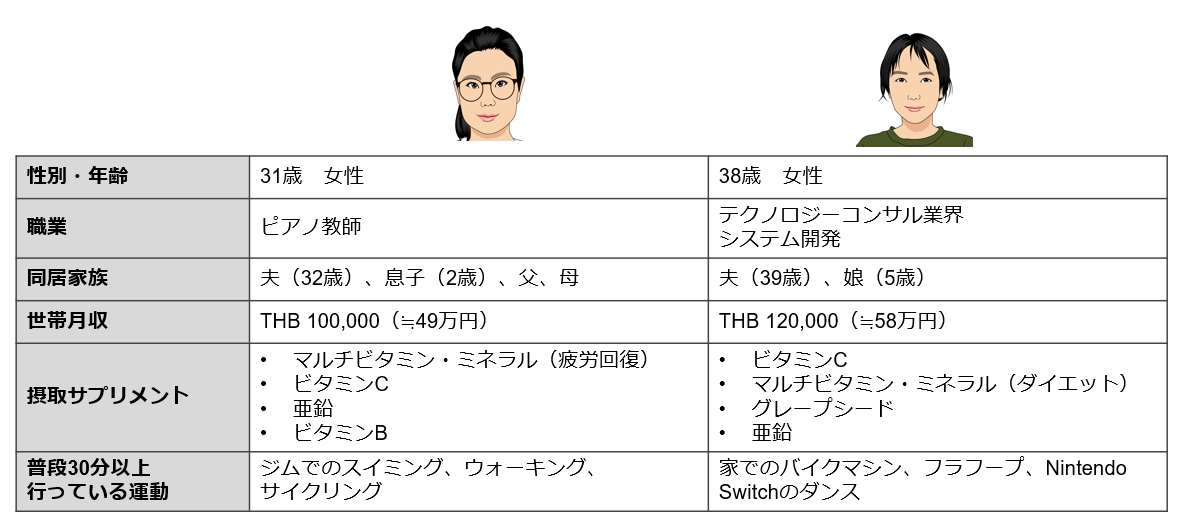
The survey covers a wide range of topics, including daily routines, diet, exercise, rest and sleep, and hygiene, as well as lifestyle, values, and the individual’s personal definition of health.
(2) Views on Health Revealed Through Linguistic Data
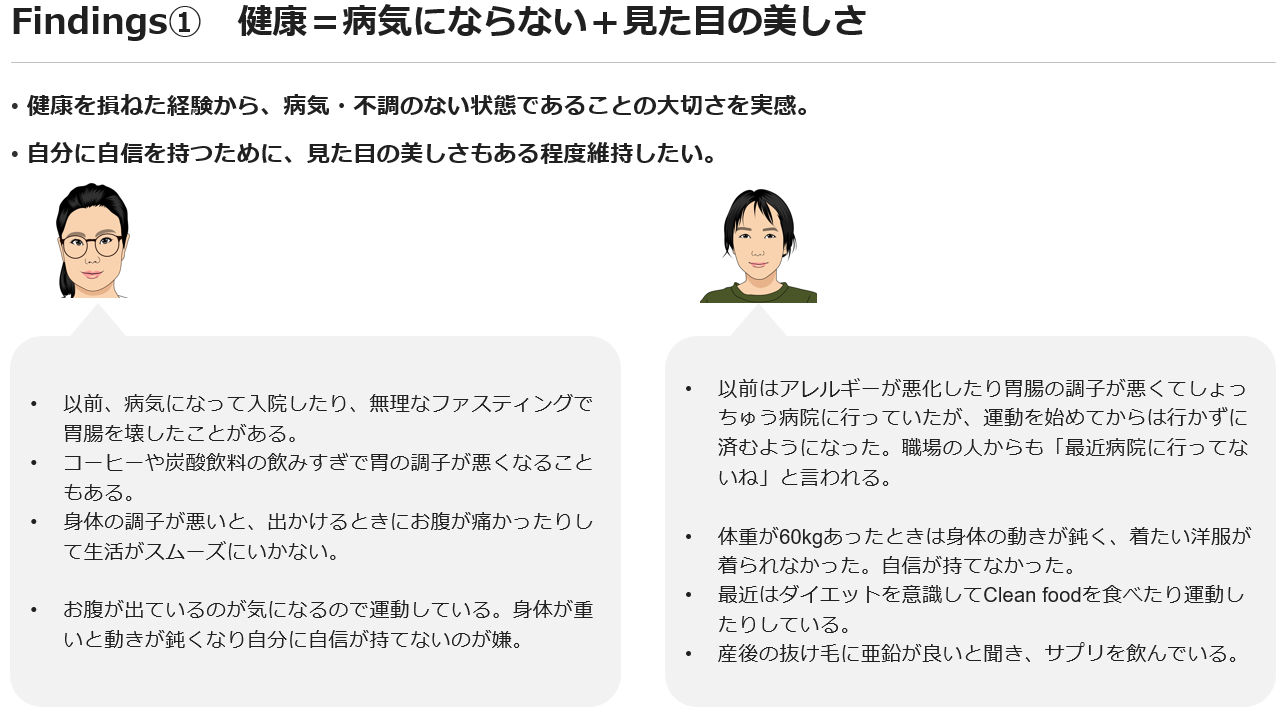
First, what emerged from the interviews was that, for the participants, health meant “not getting sick” and “looking good.” Based on past experiences with poor health, gastrointestinal issues, and concerns about their body shape, they placed a high priority on being free from illness and discomfort, as well as maintaining an appearance that gave them self-confidence.
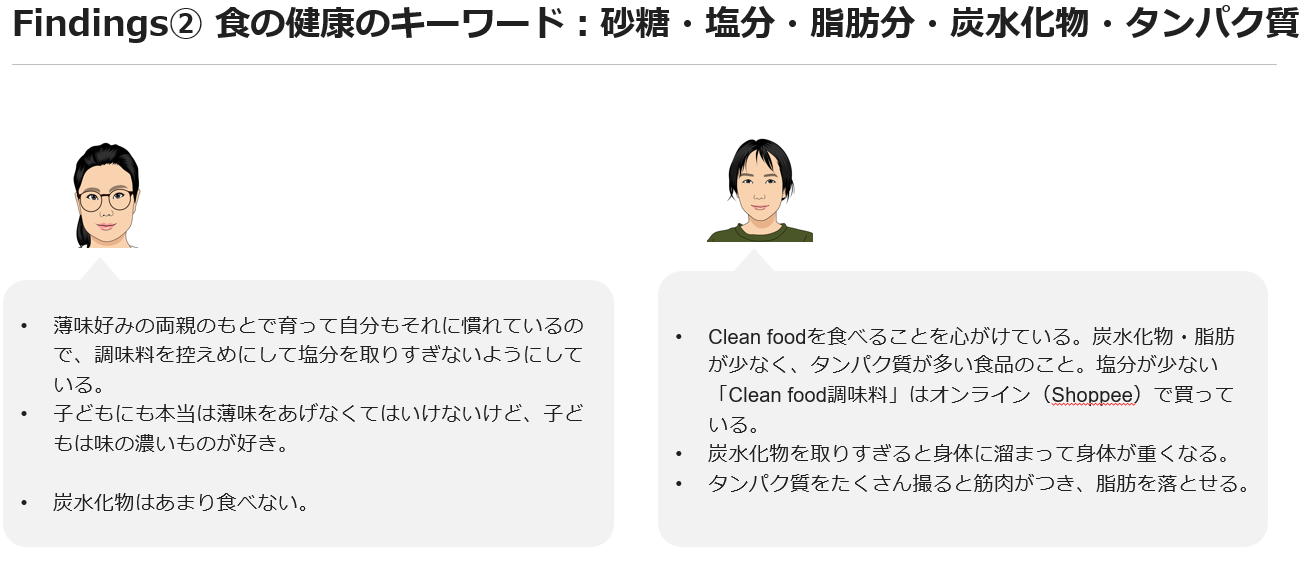
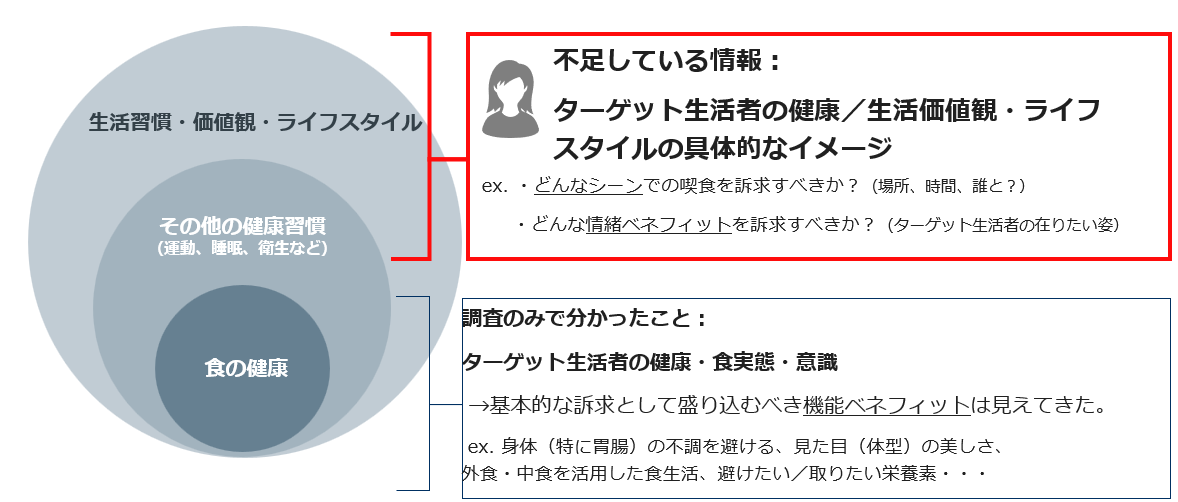
When it comes to health through diet, key points include “avoiding sugar, salt, and fat,” “not consuming too many carbohydrates,” and “actively incorporating protein.” These points highlight fundamental functional benefits such as “preventing physical discomfort, particularly gastrointestinal issues,” “maintaining a healthy appearance and body shape,” and “nutrients to avoid or prioritize.”
(3) However, it’s still not quite enough to turn this into a product concept.
However, this information alone is not sufficient to develop a product concept. Even if the functional benefits are clear, we need a concrete picture of the target consumers’ health, values, and lifestyles in order to determine the appropriate consumption scenarios and emotional benefits to highlight. In other words, we need to understand not only their health in terms of diet but also their overall lifestyle.
6. “Lifestyles” and “Values” Revealed Through Visual Data
This is where visual data comes in handy. Having visual data on hand allows you to understand the kind of space a participant lives in and the objects that surround them even before you hear their words. Furthermore, you can use that information to form hypotheses and delve deeper into the topic during the interview.
Next, let’s see how incorporating visual data into the same case study changes the outcome.
(1) Participant Recruitment and Selection: Significantly Reducing the Probability of “Deviations from the Target Profile”
■ Viewing Health Awareness Through “Lifestyle” Rather Than “Answers”
First, before the interview even begins, the accuracy of the criteria used to decide who to invite for the interview increases significantly.
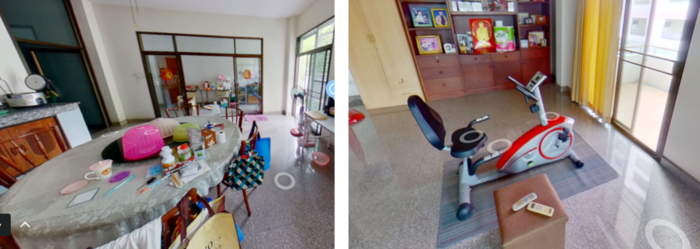
For example, visual data revealed that the first participant, a 31-year-old woman, had supplements on her dining table at home, and a stationary bike was visible on the second floor. Based on this living environment and her belongings, it likely became easier to imagine that she practices health-related behaviors on a daily basis than it was before viewing the visual data.
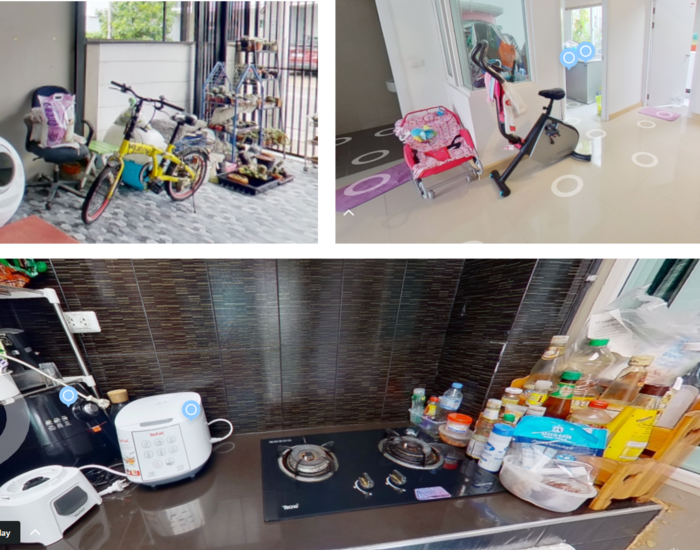
The second participant, a 38-year-old woman, had a bicycle, a badminton set, and an exercise bike at home, and her kitchen was well-stocked with cooking utensils and seasonings. Visual data allows us to see in advance that she is a candidate with whom we can delve deeper into topics such as exercise and dietary habits.
In this way, by looking at actual aspects of daily life rather than just the responses on the screening form, it becomes easier to select candidates who closely match the target profile. A major advantage of using visual data is that it allows us to assess health awareness based on “lifestyle” rather than just “answers.”
(2) Preliminary Hypotheses: Maximizing Findings Within a Limited Research Timeframe
■The depth of insights gained from interviews depends on the thoroughness of preliminary hypotheses
Visual data is useful not only for recruiting and selecting participants but also for formulating hypotheses prior to interviews. To obtain deeper findings within a limited interview timeframe, it is crucial to clearly define what needs to be confirmed in advance.
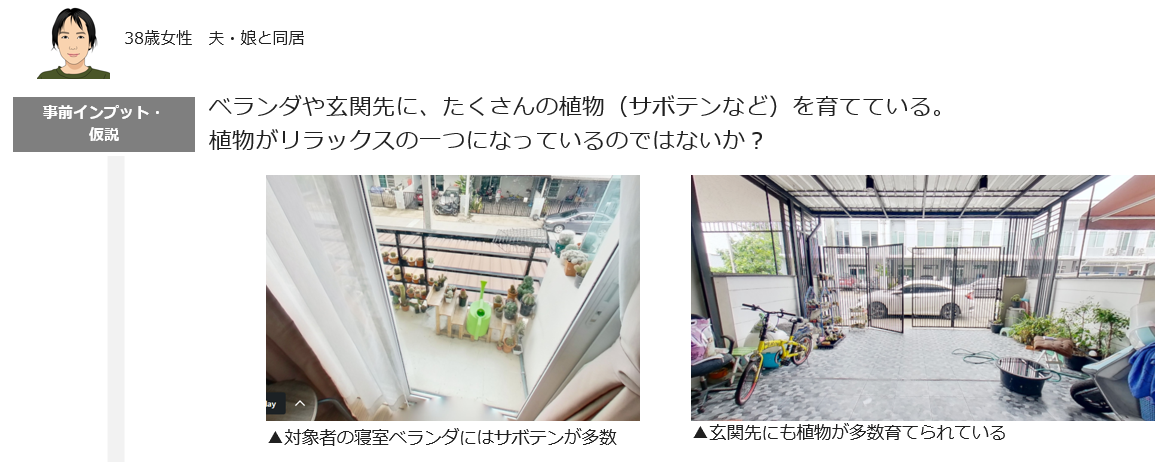
For example, at the home of a 38-year-old woman, we observed many plants on the balcony and near the entrance, leading us to hypothesize that plants might serve as a source of relaxation for her. During the interview, we learned that she had continued a hobby she started during the COVID-19 pandemic and that she felt a small sense of joy and accomplishment when her cactus bloomed.
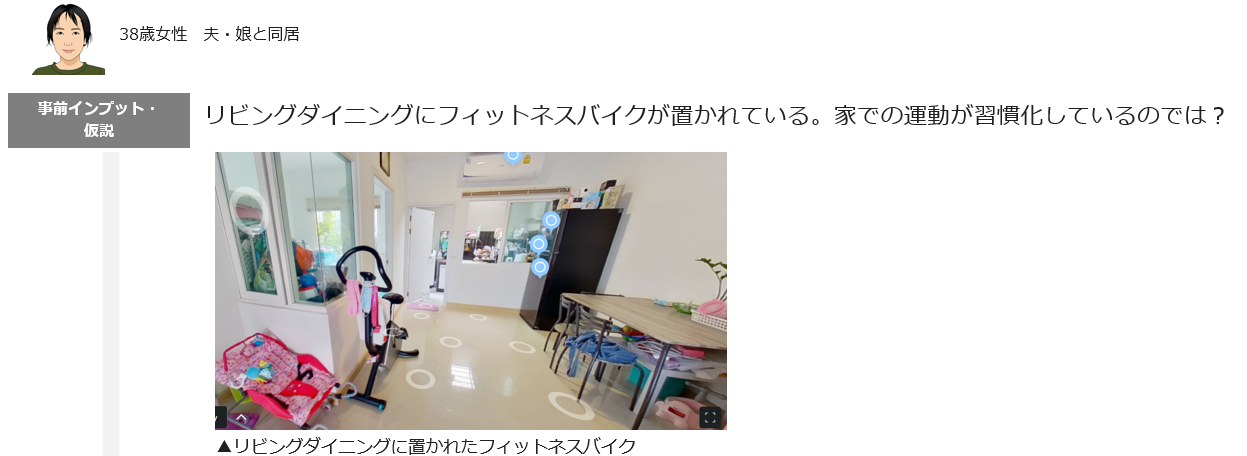
Furthermore, since there was an exercise bike in the living-dining area, I hypothesized that exercising at home had become a regular habit for them. When I spoke with them, I learned that they don’t just use the exercise bike—they also use a hula hoop and a Nintendo Switch—and that they choose their workout based on how they feel that day, sometimes even exercising together with their children.
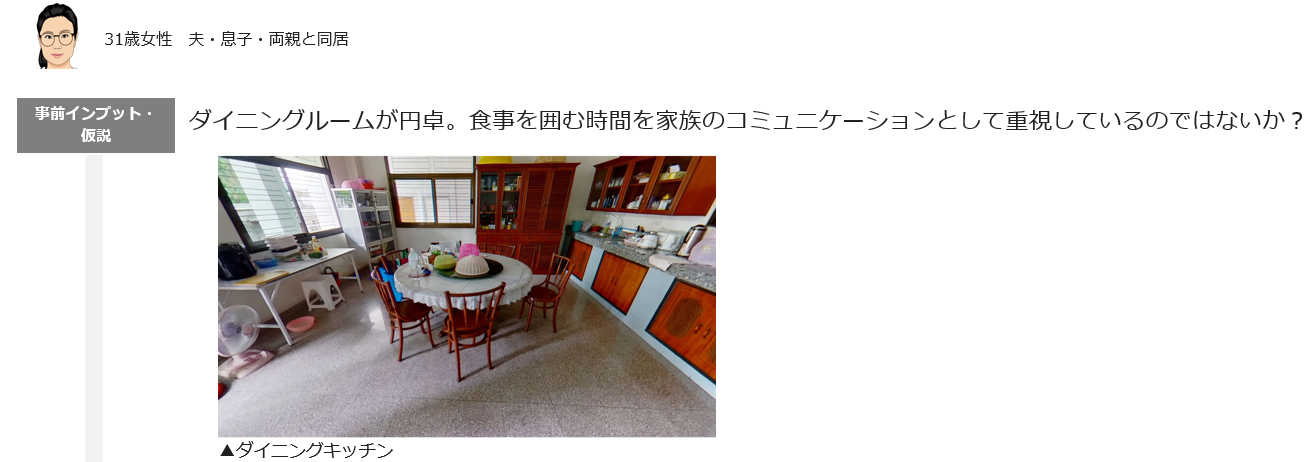
Meanwhile, the 31-year-old woman’s home featured a dining room with a round table. This led to the hypothesis that she might place a high value on family mealtimes. However, upon further inquiry during the interview, it became clear that the entire family did not gather around the round table every day, and that their mealtimes and diets varied from person to person. There is a gap between the traditional layout of the house—in which her family has lived since her parents’ generation—and their actual lifestyle, revealing a modern way of life that prioritizes individuality.
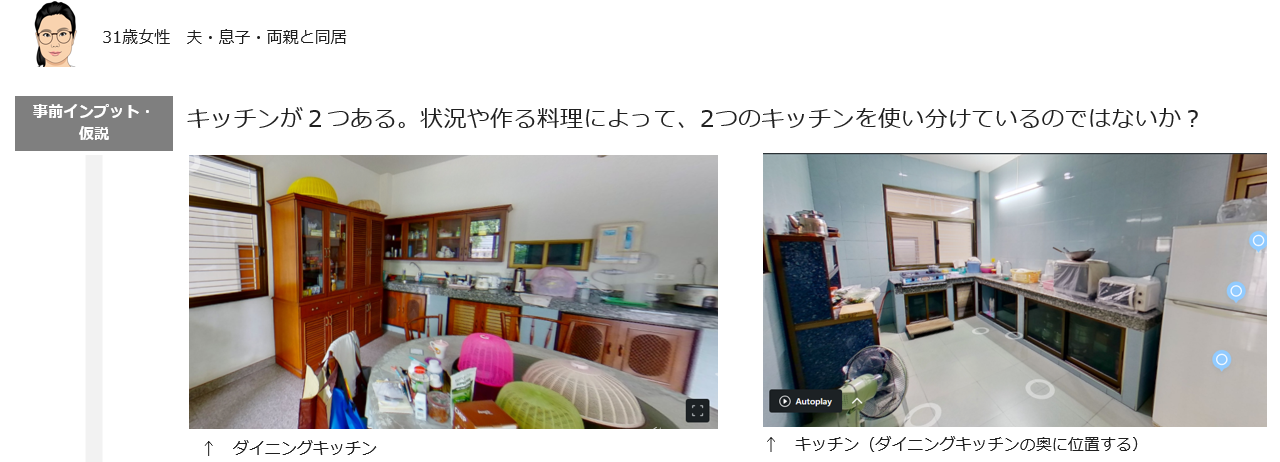
In addition, this participant’s home had two kitchens. Since we knew this in advance, we asked during the interview how they used the two kitchens differently. We learned that they usually relied on food delivery, handling simple food prep and cleanup in the dining kitchen, and only used the kitchen in the back when they bought ingredients and took the time to cook. By asking about their kitchen usage, we gained a more realistic understanding of how they balance cooking at home with eating out.
■During Interviews: Understanding the Context of Remarks Along with the “Setting”
Visual data is also helpful for understanding what is said during interviews. By listening to the participant’s remarks while linking them to actual locations and objects, it becomes easier to visualize specific scenes from their daily life.
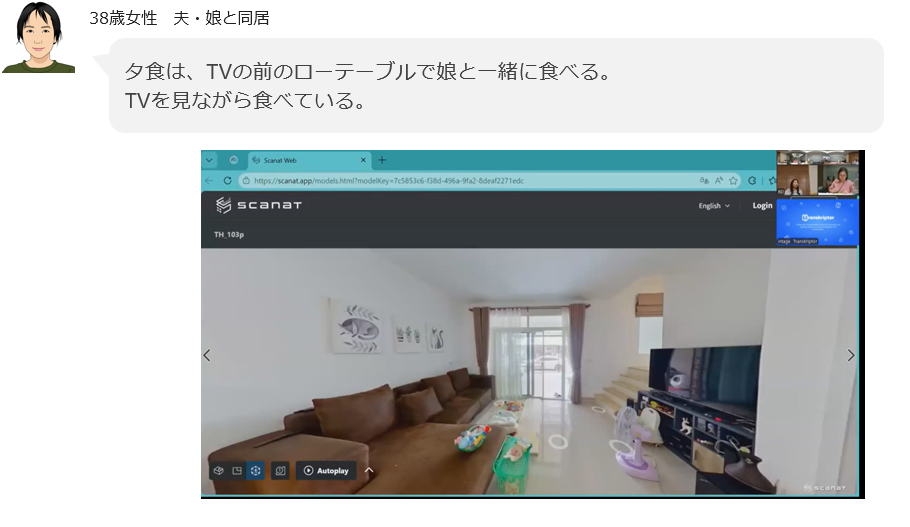
For example, when listening to a 38-year-old woman while observing where she eats, I learned that she has dinner with her daughter at a low table in front of the TV. Although there is a dining table in the background, she uses the low table in the living room so she can eat while watching TV. Seeing this scene makes it easier to imagine that this is a time for her to relax and eat while watching TV, rather than a meal time driven by the obligation to “feed her child.”
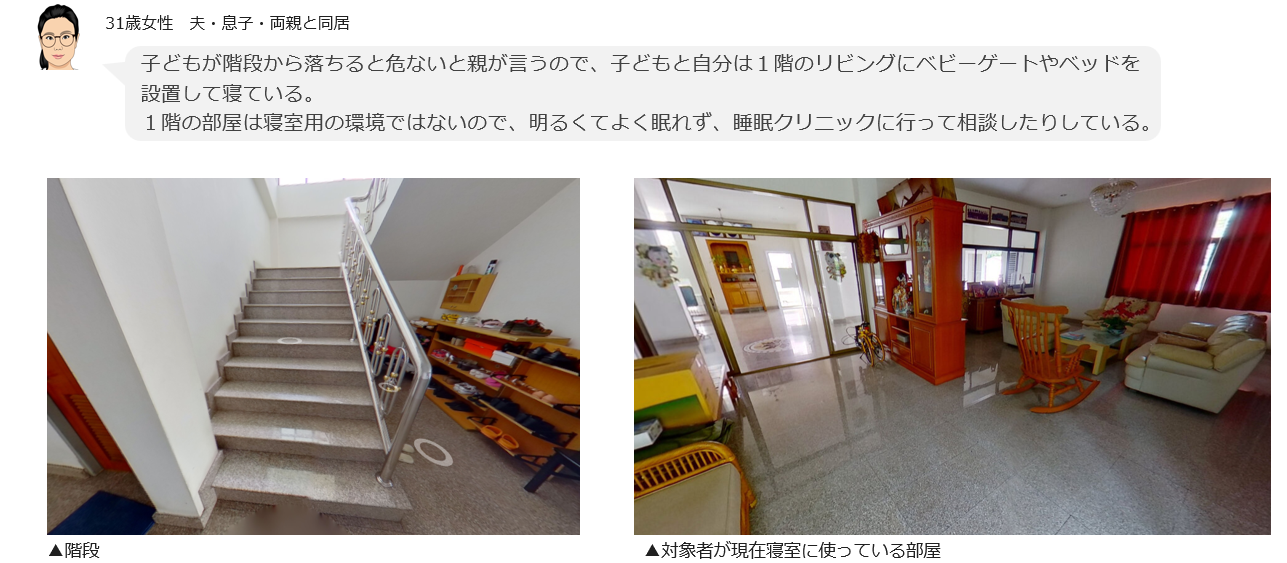
In addition, a 31-year-old woman shared that because her parents were concerned about her child falling down the stairs, she and her child sleep in the living room on the first floor, where they have set up a baby gate and a bed. While it’s difficult to visualize this situation based on words alone, seeing photos of the stairs and the first-floor room allows us to clearly understand that the open-concept layout poses a safety risk for a small child climbing up and down, that installing a baby gate is challenging, and that the bright lighting in the first-floor room makes it an environment unsuitable for sleep.
In this way, understanding a person’s words in the context of the place where they were spoken provides a more three-dimensional view of their daily life and feelings.
7. However, sometimes visual data alone isn't enough to get the full picture.
As we have seen so far, using visual data allows us to gain a very concrete understanding of the daily lives of individual respondents. On the other hand, it can be difficult to determine from visual data alone whether a particular lifestyle or set of values is common across the local market as a whole or limited to specific respondents.
This is where combining it with quantitative stock data proves effective.
In this case, we also utilized Intage’s “Global Viewer,” a quantitative survey database, as preliminary input. By quantitatively assessing the actual conditions and attitudes of Thai consumers regarding food and health, and understanding the differences from Japan, we identified the key points to explore in depth during the interviews.
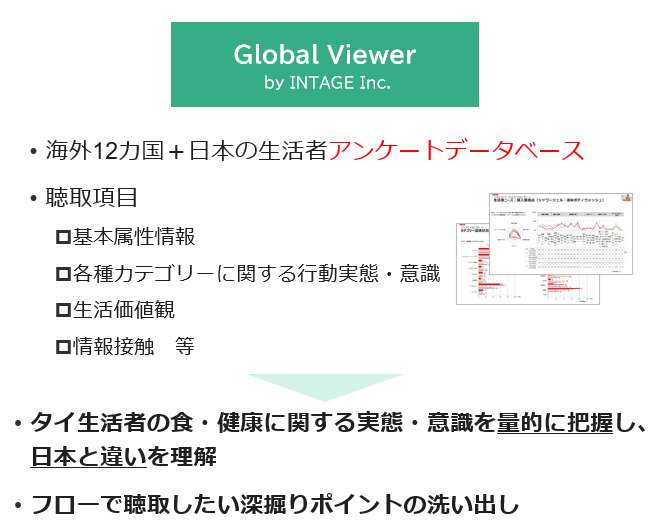
Global Viewer: Click here for more details
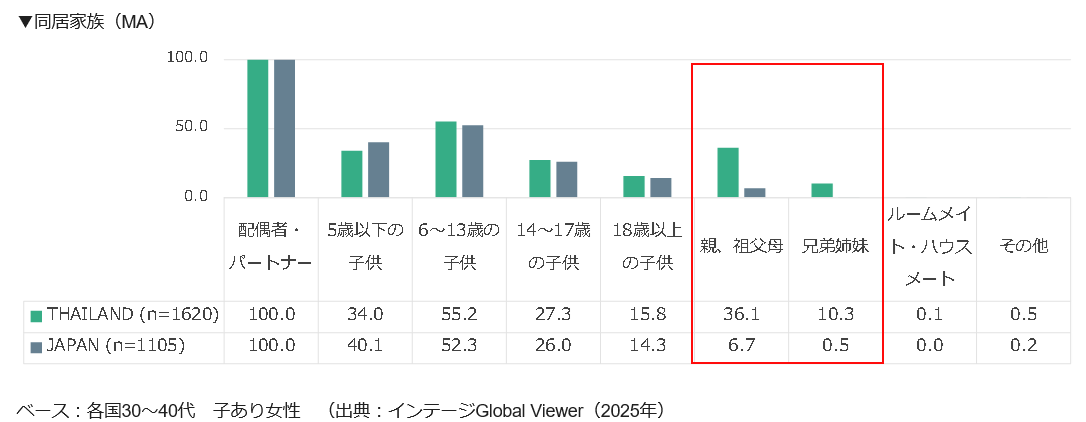
For example, quantitative stock data shows that in Thailand, it is more common than in Japan for people to live with their parents, grandparents, or siblings, and multigenerational households are also common. This makes it easier to justify including respondents who live with their parents in the sample.
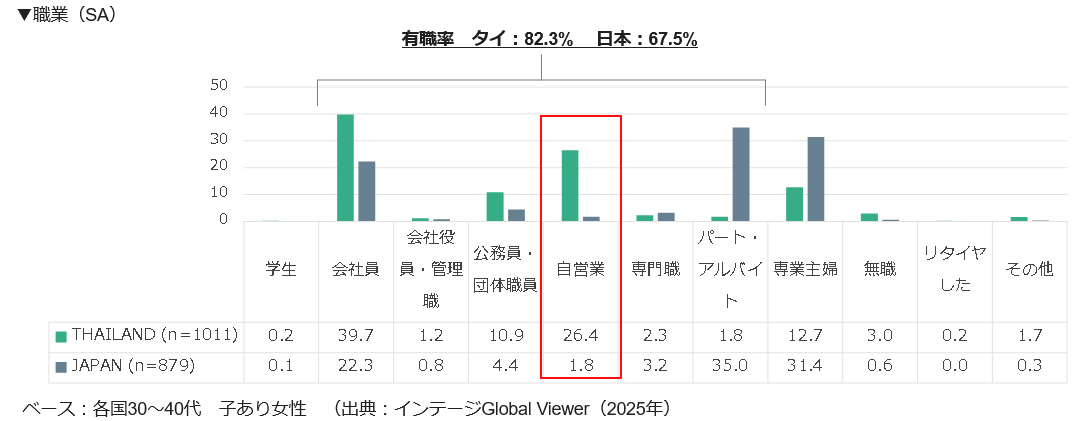
Furthermore, data from Global Viewer indicates that working mothers in Thailand have a higher employment rate than those in Japan, and many are self-employed. Based on this, we formulated the hypothesis that “they may have greater flexibility than Japanese women in balancing work, child-rearing, and household chores,” and added questions to assess their level of commitment to their children’s meals.
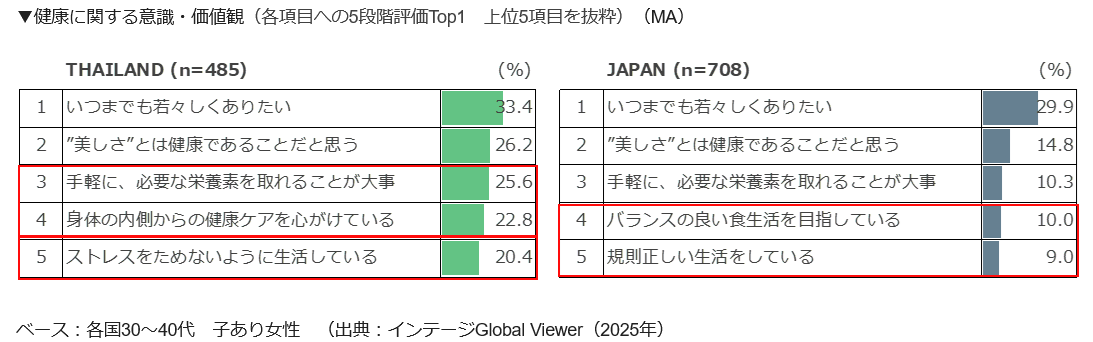
When it comes to health awareness, research shows that people in Thailand are highly motivated to incorporate additional health-promoting foods into their diets—such as those that “provide essential nutrients in a convenient way” or support “health care from the inside out”—and are also very conscious of the importance of “not letting stress build up.” Based on this, we have designed our approach to delve deeper into strategies for relaxation and stress management.
Quantitative stock data serves as a foundation for situating individual lifestyles within the broader market context. By using quantitative stock data to corroborate the lifestyle scenes revealed by visual data, it becomes possible to develop more convincing hypotheses and draw meaningful insights.
8. Insights Revealed by Combining Qualitative, Visual, and Quantitative Data
So, what insights did we gain by combining these qualitative interviews, visual data, and quantitative stock data? In this case study, we identified two main findings regarding Thai women with children.
Finding 1: Thai women with children do not feel burdened by managing the health of their entire family
The first finding is that Thai women with children do not feel burdened by managing the health of their entire family.
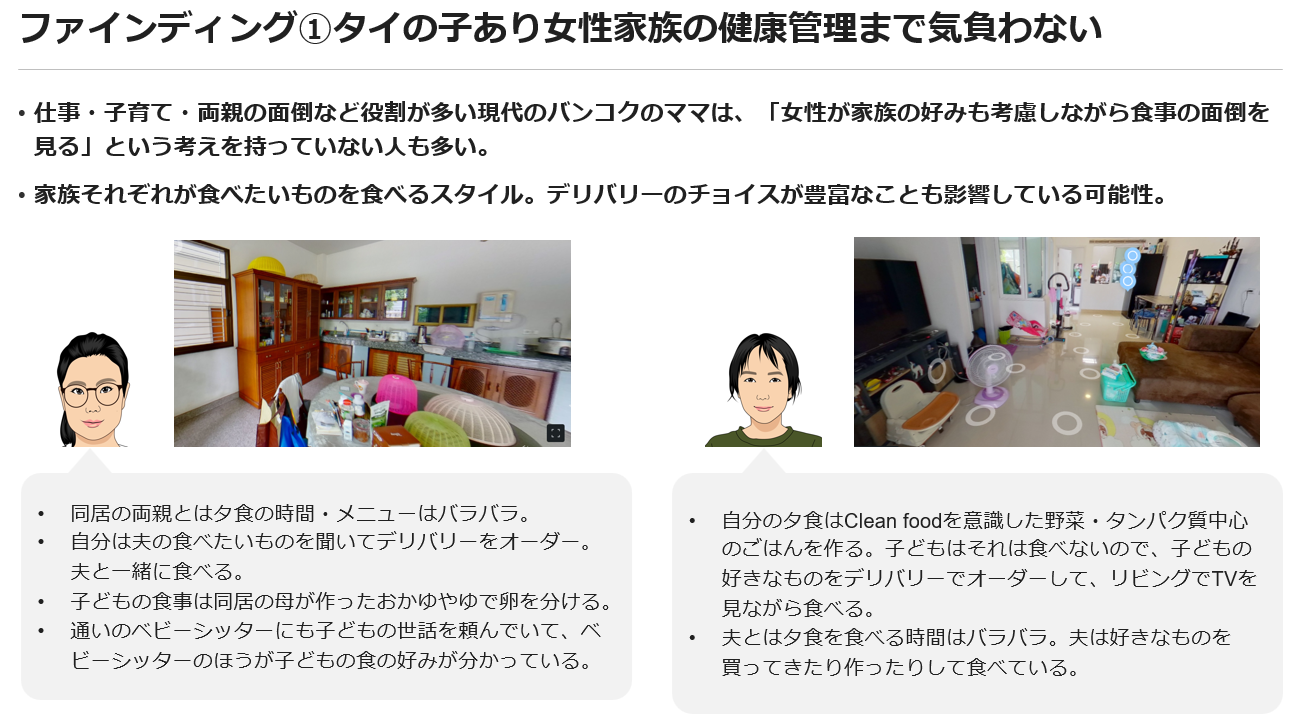
Many women with children in modern-day Bangkok—who juggle multiple roles such as work, childcare, and caring for their parents—do not feel the need to take charge of meal preparation while catering to their family’s preferences. Instead, each family member tends to eat what they want, a trend that may be influenced by the wide variety of delivery options available.
For example, a 31-year-old woman said that her mealtimes and menus differed from her parents’, so she and her husband would order delivery based on what they wanted to eat. When it comes to her children’s meals, her mother, who lives with them, and a babysitter are involved, so she does not handle everything herself.
A 38-year-old woman also prepares a vegetable- and protein-centered meal for her own dinner with a focus on “clean eating,” but since her children do not eat that, she orders their favorite foods via delivery. Her husband also buys or cooks whatever he likes, so the family follows a style where each member eats what they want.
This can be understood not only through the visual data showing dining locations and kitchen usage but also in connection with quantitative stock data indicating that in Thailand, the frequency of dining out, ordering delivery, and getting takeout is high, while the frequency of cooking dinner at home on weekdays is lower than in Japan.
Finding 2: For Thai women with children, time and space for themselves are important
The second finding is that for Thai women with children, time and space for themselves are important.
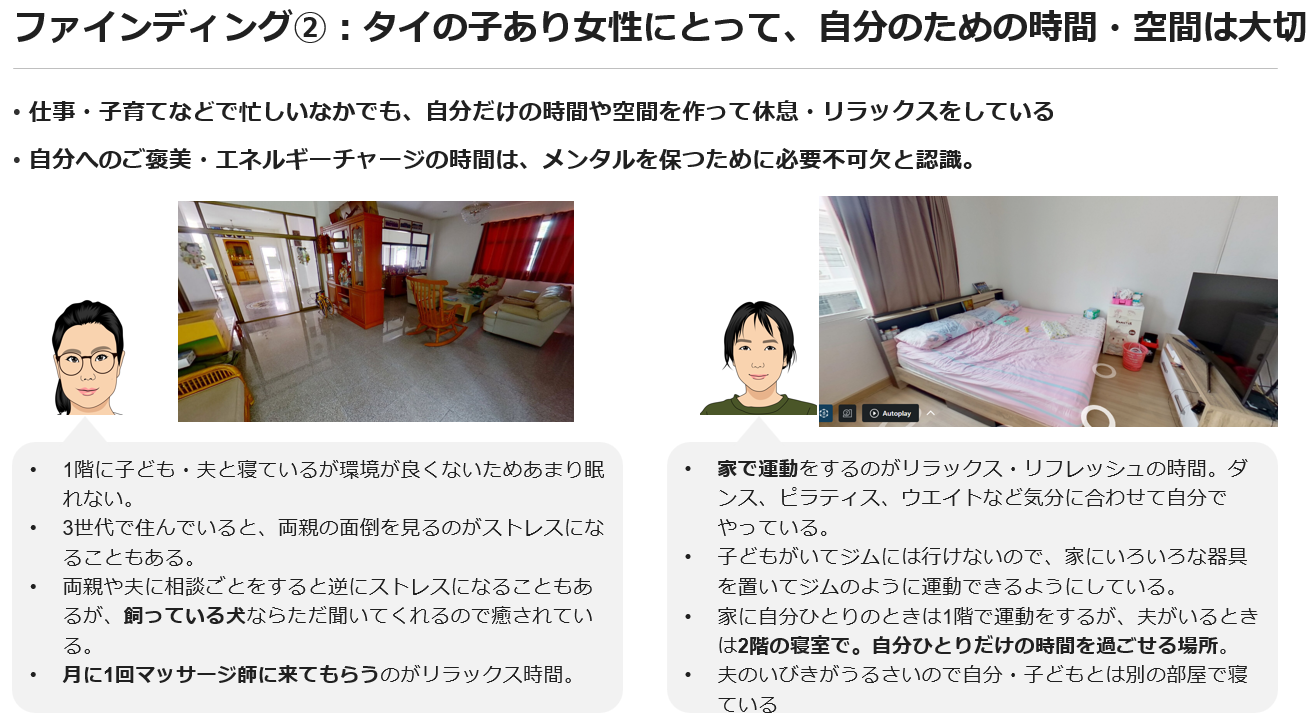
Even amidst the busyness of work and raising children, it became clear that they were creating their own personal time and space to rest and relax. Their dog, monthly massages, exercising at home, and having a separate bedroom from her husband served as ways to relax and recharge.
A 31-year-old woman, despite facing challenges such as the stress of living with her parents and sleeping in an environment that made it difficult to fall asleep, made sure to set aside time to relax with her dog and through monthly massages.
For a 38-year-old woman, exercising at home served as a time to relax and refresh. Since it was difficult to exercise in the living room when her husband was home, she sometimes worked out in the second-floor bedroom, using it as her own private space.
When viewed in light of quantitative data indicating that Thai women with children are highly conscious of “not letting stress build up,” these insights go beyond individual case studies and can be more easily positioned as a broader market understanding.
9. To make the most of an overseas research budget in the range of several million yen
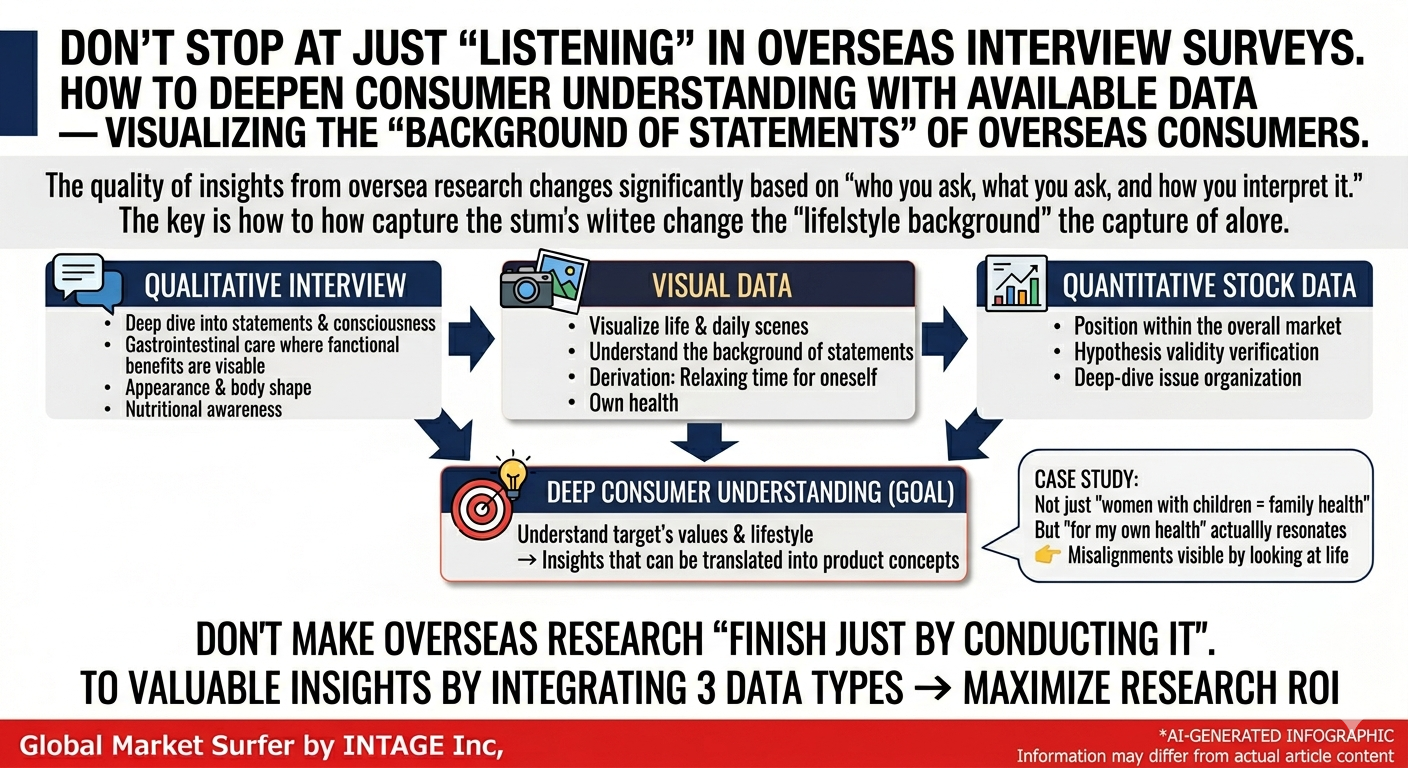
When conducting interviews overseas, simply listening to respondents is not enough. The quality of insights gained from the research varies significantly depending on who is interviewed, what questions are asked, and how their responses are interpreted.
In this case as well, based solely on verbal information, we were able to identify basic functional benefits such as “avoiding physical discomfort, particularly gastrointestinal issues,” “physical appearance and body shape,” and “nutrients to avoid or consume.” However, this alone does not provide sufficient insight into what kind of consumption scenarios or emotional benefits should be emphasized in the product concept.
By combining this with visual data, it becomes easier to understand the respondents’ values and lifestyles. In this case, we identified “a relaxing moment just for myself” as the consumption scenario and “for my own health” as the emotional benefit. While targeting mothers might naturally lead to appeals like “for the health of the whole family,” a closer look at their actual lives suggests that the message “for my own health” is more likely to resonate with them.
Furthermore, by combining quantitative stock data, we can contextualize individual cases within the broader market landscape, thereby assessing the validity of hypotheses and identifying key points that require further exploration.
Qualitative interview research is effective for delving into consumers’ words and attitudes.
Visual data brings to life the lifestyles and daily scenes underlying those words.
Quantitative stock data helps us consider how individual findings should be interpreted within the context of the entire market.
By combining these three elements, we can ensure that overseas research does not end with mere execution, but rather leads to actionable insights that can be easily utilized in the development of product concepts and value propositions. When investing a research budget in the range of several million yen, it is crucial to design the study not just to conduct interviews, but to observe the lives of the participants, formulate hypotheses in advance, and interpret the context behind their statements.
“Delve into consumers’ words through qualitative interviews, capture the specific context of their lives through visual data, and supplement the overall market context with quantitative stock data.”
This combination makes it easier to understand the values and lifestyles of target consumers, making it easier to derive insights that can be translated into product concepts and value propositions. As a result, it leads to maximizing the effectiveness of your overseas research budget.