In overseas markets, even the same products and services are evaluated very differently depending on the country.
In South Korea, “speed” is prioritized, while in China, the “shortest path to results” is sought. Meanwhile, in Indonesia, a “culture of sharing” and, in Australia, “coexistence with nature” influence consumer behavior.
In this article, we’ll compare the national characteristics of the 12 countries featured in “Global Market Surfer” and summarize their key features and marketing insights.
We’ll provide explanations while focusing on the values of consumers—which only researchers living locally can truly grasp—as well as the underlying factors behind consumer behavior that would otherwise remain invisible to those not actually living in those regions.
目次
- 1. Compare at a Glance! A Map of National Characteristics in 12 Countries Around the World
- 2. Four Types Revealed by National Characteristics
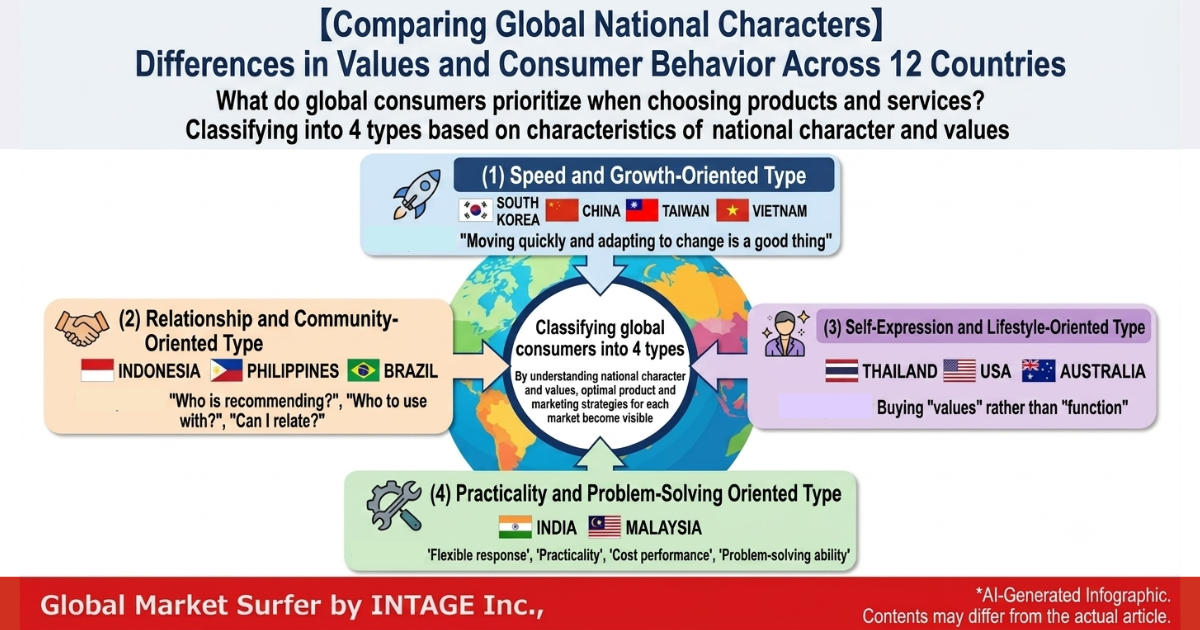
- (1) Speed- and Growth-Oriented: South Korea, China, Taiwan, Vietnam
- (2) Relationship- and Community-Oriented: Indonesia, the Philippines, and Brazil
- (3) Self-expression and lifestyle-oriented: Thailand, the United States, Australia
- (4) Practical/Problem-Solving Approach: India and Malaysia
- 3. Summary: Analysis of the Four Types
1. Compare at a Glance! A Map of National Characteristics in 12 Countries Around the World
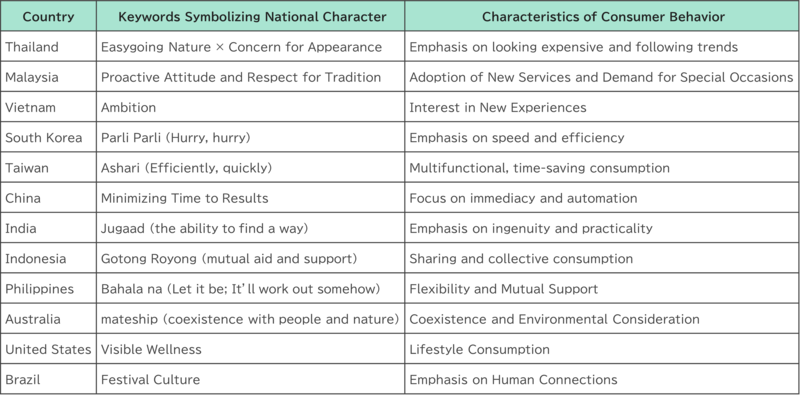
First, the national character of each country is reflected not only in statistical data but also in the values and daily behaviors of consumers, which cannot be fully captured by statistics alone. The table below summarizes the characteristics of consumers as observed by local researchers in their daily lives.
To Understand Markets That Can’t Be Seen Through Publicly Available Information Alone
Intage’s Overseas Research
“No matter how much more I research, I can’t find the information I need.”
In such cases, we recommend Intage’s overseas research services.
Leveraging our in-house offices in 9 countries, a network spanning over 60 countries, and a track record of more than 500 completed studies,
we can help you understand the true sentiments of local consumers and the realities of the market.
In addition, we support a wide range of methods—from quantitative and qualitative research to social media analysis—to assist you in gathering the information necessary for your global strategy.

2. Four Types Revealed by National Characteristics
In this section, we’ll take a closer look at the national characteristics of 12 countries. Even amid a diversity of values, these characteristics can be broadly categorized into the following four types.
For each of these four types, we’ll present details on the national characteristics of the 12 countries along with marketing insights.
● Speed- and Growth-Oriented
● Relationship- and Community-Oriented
● Self-Expression- and Lifestyle-Oriented
● Practical- and Problem-Solving-Oriented
(1) Speed- and Growth-Oriented: South Korea, China, Taiwan, Vietnam
[South Korea: The “Parri Parri” Culture and Its Speed-Driven Society]
<Key Points>
- A Value System That Prioritizes Speed
- A Cashless Society
- Ultra-Fast Delivery
- Services That Pursue Efficiency
- A Strong Sense of Competition
<Explanation>
In South Korea, the phrase “Parri Parri” (fast, fast) is used in everyday conversation. It is not merely a term describing an impatient personality, but rather a phrase that symbolizes the values of society as a whole, which places a high value on “achieving results quickly.” This culture, which took shape during the rapid economic growth following the Korean War, has had a significant impact on current lifestyles and consumer behavior.
A symbol of this is the widespread adoption of cashless payments and kiosks. In South Korea, paying with cash is often considered inefficient, and systems designed to minimize the time from ordering to payment to pickup have become firmly established. Furthermore, next-morning delivery—as exemplified by Coupang’s “Rocket Delivery”—has become an integral part of daily life. Additionally, driven by a strong competitive spirit, there is a psychological desire to “be above average,” leading to a tendency for trends to concentrate heavily on fashion and personal possessions.
<Marketing Tip>
In South Korea, “ready to use immediately,” “delivered immediately,” and “easy to understand immediately” are highly valued. It is crucial to design for speed not only in the product itself but also in the entire purchasing experience.
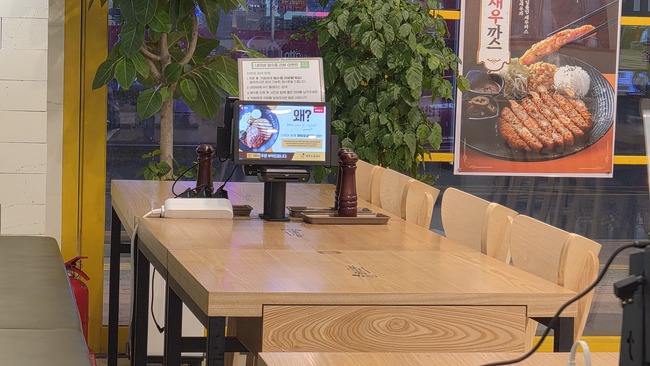
The following article provides a detailed look at the impact of the “kiosk society,” the rise of rocket delivery, and the South Korean sense of competition on fashion and consumer behavior.
Related Article /National Character of Countries Around the World South Korea: The “Hurry-Hurry Culture” Born from an Impatient National Character, Prioritizing Speed
[China: A Society That Shorts the Path to Results]
<Key Points>
- Focus on Minimizing Time to Results
- A Lifestyle That Prioritizes Speed
- A Culture of Instant Delivery
- A Society of Electric Motorcycles
- Demand for Automation and Labor-Saving Solutions
<Explanation>
In urban areas of China, a value system known as “minimizing time to results”—which goes a step beyond mere “efficiency”—is gaining traction. What matters is not the process, but how quickly one can achieve their goal. This trend stems from a fiercely competitive environment, where time itself is treated as a critical resource.
For example, in the delivery service sector, compensation for delays and priority delivery have become commonplace. Additionally, electric scooters have become a staple mode of daily transportation in urban areas, helping to reduce travel time. Furthermore, in the home appliance market, products that reduce the time people spend thinking or waiting—such as automatic cooking appliances and AI-equipped appliances—are gaining popularity. In China, there is a tendency to value “how quickly results can be achieved” over mere “convenience.”
<Marketing Tip>
In the Chinese market, it tends to resonate better to specifically communicate “how much time can be saved” rather than simply explaining product features.
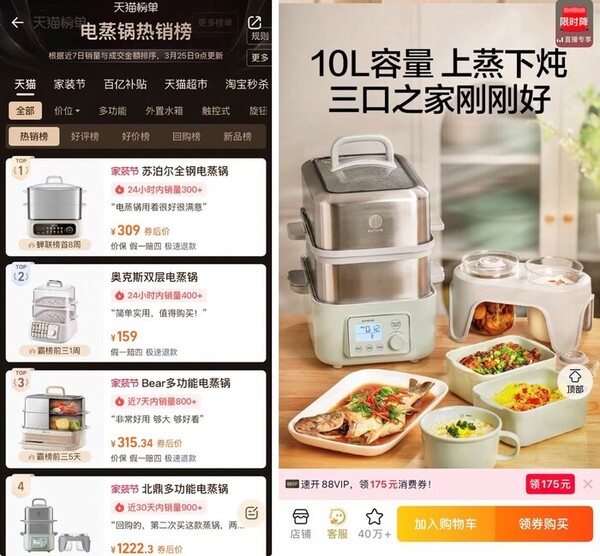
The following article provides a detailed look at the background behind electric motorcycles becoming part of social infrastructure, as well as the reasons why ultra-fast delivery and automated home appliances are gaining popularity.
Related Articles/[National Characteristics Around the World] China: A Society and Consumer Behavior Shaped by the Pursuit of the “Quickest Results”
[Taiwan: People Who Balance Calmness and Efficiency]
<Key Points>
- A kind and calm disposition
- Quick decision-making based on “Asali”
- Support for multifunctional products
- High demand for time-saving solutions
- Balancing efficiency and satisfaction
<Explanation>
Taiwan is a laid-back society where phrases like “Manmanlai (Take your time)” and “Meiguanxi (It’s okay)” are deeply rooted in daily life. However, as symbolized by the term “Asali (meaning to proceed efficiently and quickly),” Taiwanese people also have a side that favors efficient and swift decision-making.
This value is reflected in household appliances as well. The Datong Electric Rice Cooker, long beloved by Taiwanese households, is an appliance that can handle multiple cooking tasks—such as steaming, simmering, and reheating—all in one unit, not just cooking rice. Additionally, at Taiwan’s famous “shouyao yin” (hand-shaken drink stands), “chewable drinks” featuring ingredients like tapioca and mochi are gaining popularity. These drinks are appreciated for satisfying both the desire to drink and the desire to eat at the same time, providing a sense of satisfaction in a short amount of time.
<Marketing Tip>
In Taiwan, it’s not just about saving time—it’s about “saving time while also gaining a sense of satisfaction.” This is a market where products that serve multiple purposes or offer multiple benefits tend to be well-received.
*Since this is a video, please be mindful of the volume when playing it.
The following article provides a detailed look at why the Daido Electric Rice Cooker remains a long-standing bestseller and the evolution of “chewable drinks,” which underpin the bubble tea culture.
Related Articles/National Character of Countries Around the World Taiwan: The “Speed” Behind the Calm—“Assari” as the Foundation of Efficient Consumption
[Vietnam: An Aspiration for Growth Born from an Indomitable “Victorious Nation” Mindset]
<Key Points>
• An indomitable “victorious nation” mindset
• High self-esteem
• Ability to adapt to new things
• Emphasis on experiential value
• Fusion of foreign and traditional cultures
<Explanation>
The “victor’s mindset” is essential to understanding Vietnam. This goes beyond mere patriotism; it is linked to a strong sense of self-worth and optimism—the belief that they can achieve development on their own. This value is reflected in daily life and consumer behavior, characterized by an extremely rapid ability to adapt to new things. The opening of the Ho Chi Minh City Metro and the shift toward electric vehicles (EVs) for cars and motorcycles were quickly accepted once their convenience became apparent.
Furthermore, in Vietnam, it is becoming increasingly difficult to differentiate oneself based on high quality alone. Particularly among high-income earners and young people, there is a growing emphasis on “what kind of experience can be had,” and both restaurants and fashion are expected to offer a sense of story and exclusivity. Furthermore, while incorporating influences from Korean culture—such as the modern evolution of the traditional ao dai—there is also a flexibility in reinterpreting their own culture.
<Marketing Tip>
In Vietnam, it is not the product itself that matters most, but rather a value proposition that includes “what new experiences can be had” and “what kind of person you can become.”
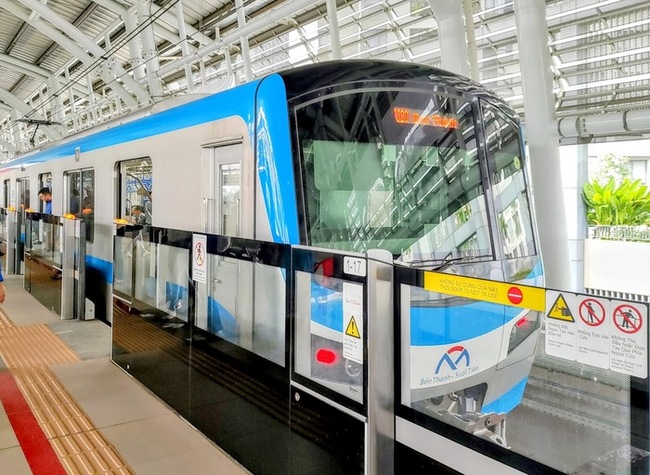
The following article provides a detailed look at the indomitable pride of the Vietnamese people, youth culture that continues to evolve by incorporating Korean trends, and the evolution of the ao dai.
Related Articles/National Character of Countries Around the World Vietnam: A Positive Drive for Advancement Fueled by a Victorious Nation Mindset
(2) Relationship- and Community-Oriented: Indonesia, the Philippines, and Brazil
[Indonesia: A Way of Life Supported by a Culture of Sharing]
<Key Points>
- Values that Emphasize Harmony
- Gotong Royong (Mutual Aid and Support)
- Emphasis on Family and Community
- Consumption Based on Sharing
- Decision-Making Centered on Relationships
<Explanation>
Indonesia has a philosophy known as “Gotong Royong” (mutual aid and support). As a multi-ethnic and multi-religious nation, Indonesia has a history of living while prioritizing harmony with others. Consequently, consumption patterns are characterized by a focus on families and communities rather than on the individual.
Even in everyday meals, it is common to share food from large platters. At Padang restaurants, it is customary to have a variety of dishes laid out on the table, and diners share their favorites from among them. Furthermore, the habit of sharing food is deeply rooted in workplaces and schools, and the value of “sharing good things with everyone” is woven into daily life.
<Marketing Tip>
In Indonesia, marketing messages centered on “family use” or “enjoying together” tend to resonate more strongly than those focused on individual products.
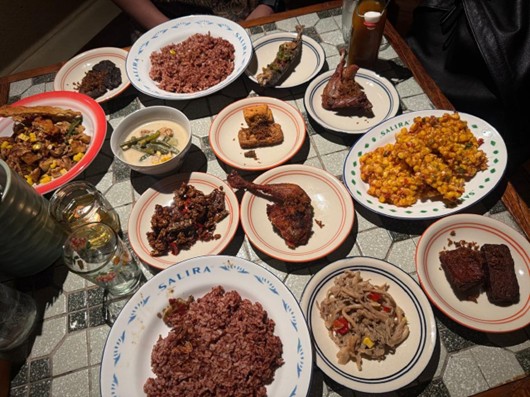
Source: Photo taken by the author of this article
The culture of sharing, symbolized by Padang cuisine, and the values of Gotong Royong—which extend from the dining table to the home—are discussed in detail in the following article.
[The Philippines: Flexibility Supports Daily Life]
<Key Points>
- The “Bahala na” (Whatever Will Be, Will Be) Spirit
- Flexible Adaptation to Change
- A Culture of Mutual Support
- Trust Built on “SUKI”
- Lifestyle Prioritizing Convenience
<Explanation>
The phrase “Bahala na” (Whatever Will Be, Will Be) symbolizes the flexibility of Filipinos. This is not merely optimism; it is also a pragmatic attitude that allows people to make a life work even in uncertain circumstances. It is a value cultivated throughout a history marked by various changes, including political and economic upheavals and natural disasters.
Additionally, relationships based on trust—known as “SUKI”—are important in the Philippines. People cherish their relationships with familiar shops and drivers, and they navigate daily life by being flexible with one another. While ride-hailing apps and delivery services have become widespread in recent years, the underlying motivation is the traditional value of “wanting to secure someone they can trust.” Furthermore, a culture of home services—such as having massage and beauty services come to one’s home—is also expanding.
<Marketing Tip>
In the Philippines, consumer decision-making is significantly influenced not only by convenience but also by a sense of security—specifically, whether a provider “seems trustworthy.”
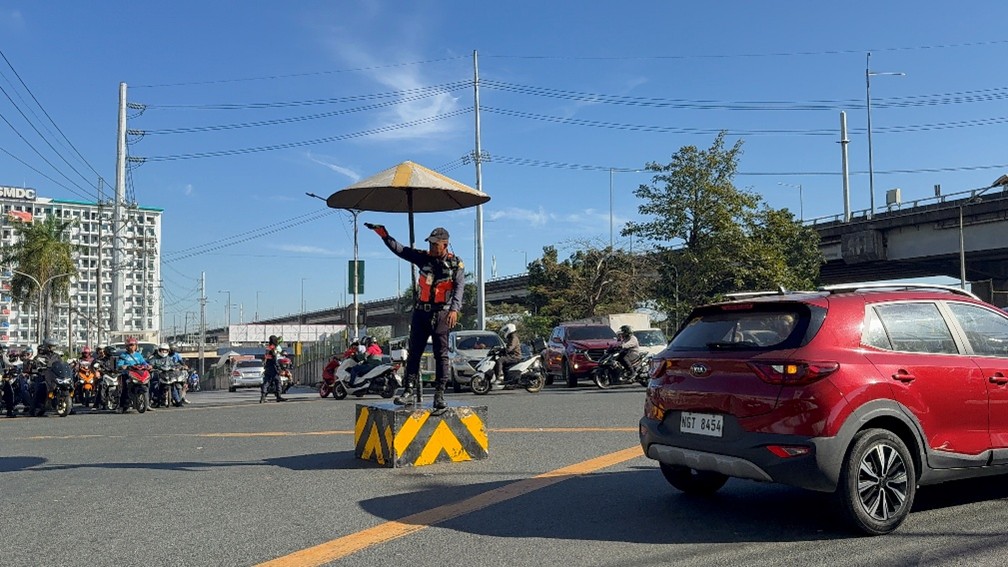
Photo : A major arterial road with no traffic lights.
A traffic enforcement officer stands on a platform, directing traffic from
the highway and local roads using hand signals.Sometimes they entertain us with a lively dance.
The background behind the development of “SUKI” culture and home services, as well as the flexible consumption styles of Filipinos, are covered in detail in the following article.
Related Article /National Character of Countries Around the World Philippines: A Society That Runs on “It’ll Work Out,” Where Flexibility Supports Daily Life and Consumption
[Brazil: A “Festa” Culture That Celebrates Human Connections]
<Key Points>
- Strong Family Bonds
- Friendly Disposition
- Emphasis on Conversation
- “Festa” Culture
- Diversity and Resilience
<Explanation>
In Brazil, human connections are at the center of daily life. Conversations, gatherings, and parties with family and friends are not merely forms of entertainment, but important opportunities to deepen relationships. There is a widely held belief that not only blood relatives but also trusted friends are considered “family.”
These values manifest as “festas culture,” and a wide variety of gatherings—from birthday parties to corporate events and even Carnival—are an integral part of daily life. Corporate marketing activities are also strongly tied to this sense of excitement and togetherness. In recent years, events incorporating immersive experiences and sustainable elements have been gaining attention.
<Marketing Tip>
In Brazil, simply highlighting product features is not enough. It is crucial to convey emotional values such as “fun,” “a sense of unity,” and “joy.”
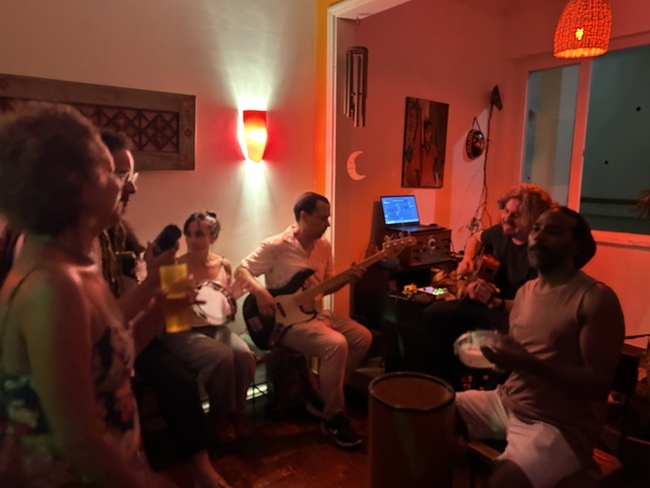
Small birthday party at home
The following article provides a detailed look at marketing case studies that leverage Carnival, as well as Brazilians’ views on family and the background of their festival culture.
Related Article / National Character of Countries Around the World Brazil: A cheerful and friendly national character born from diversity and resilience
(3) Self-expression and lifestyle-oriented: Thailand, the United States, Australia
[Thailand: Awareness of “How One Is Perceived” Behind the Facade of Easygoingness]
<Key Points>
- A tolerance symbolized by “Mai pen rai” (It’s okay, don’t worry about it)
- Emphasis on appearance and possessions
- Popularity of products that look expensive
- High acceptance of the LGBTQ+ community
<Explanation>
Thais are known for their easygoing and tolerant national character, symbolized by the phrase “Mai pen rai” (It’s okay, don’t worry about it). At the same time, however, living there reveals a side of Thai culture where people are conscious of how they are perceived by those around them. In Thailand, possessions and clothing are sometimes perceived as indicators of social status, and many people take an interest in luxury cars and designer bags. Particularly among younger generations and the middle class, products that “look expensive”—even if they aren’t genuine luxury brands—as well as hard-to-find, buzzworthy items are gaining popularity.
Thailand is also known for its high level of acceptance toward the LGBTQ+ community. Actors and influencers from BL and GL dramas wield significant influence over young people and are featured in a wide range of advertisements for products such as cosmetics, beverages, and telecommunications services. Understanding the strength of these trends and visual appeal is essential for grasping the Thai market.
<Marketing Tip>
In Thailand, purchasing behavior is greatly influenced not only by function and quality but also by the value of self-expression—specifically, “how one presents oneself” and “how it will be shared on social media.”
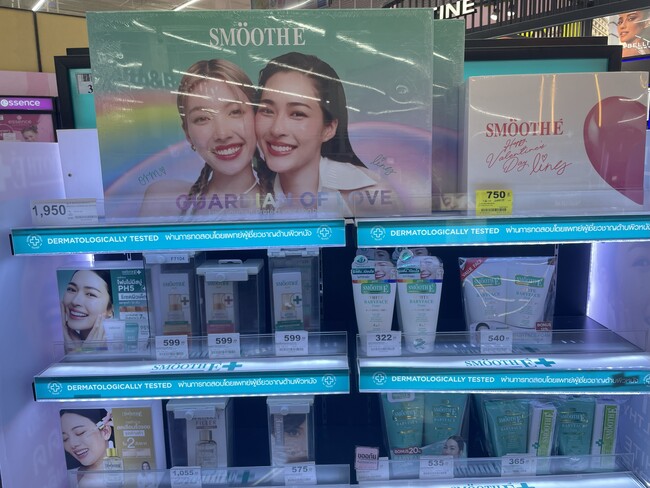
The following article provides a detailed look at why Thais are interested in designer bags and fashion items, as well as the impact that LGBTQ+ influencers have on the spending habits of young people.
Related Article /【National Character of Asian Countries】The Surprising Side of the Generous and Tolerant Thai People
[United States: The Consumer Culture Shaped by “Visible Wellness”]
<Key Points>
• Visualization of Health
• Respect for Personal Choice
• Wellness-Oriented Mindset
• Lifestyle-Driven Consumption
• Expression of Individuality
<Explanation>
In Los Angeles, the United States, the value of “Visible Wellness” is becoming widespread. This concept places value not on health itself, but on “a state where one’s commitment to a healthy lifestyle is visibly evident.”
The popularity of high-end organic supermarkets like Erewhon, cold-pressed juices, and athleisure fashion symbolizes this trend. What matters is not the product itself, but the lifestyle one can express by choosing it. Furthermore, because it is a society where diverse values coexist, a culture that respects individual choices has taken root.
<Marketing Tips>
In Los Angeles, it is important not only to explain a product’s features but also to highlight “what kind of person you can become by choosing that product.”
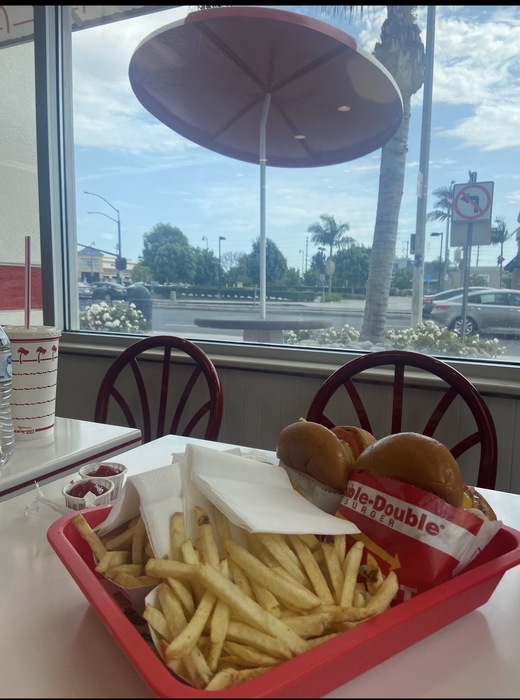
In-N-Out
Source: IN-N-OUT Official Website
The following article provides a detailed look at the reasons behind Erewhon’s popularity, as well as athleisure culture and why “clean eating” has become such a common part of daily life.
Related Article /National Character of Countries Around the World United States: The Reality of LA-Style Lifestyle Consumption Reflected in “Visible Health”
[Australia: A Society of Coexistence Rooted in a Sense of Camaraderie]
<Key Points>
- Camaraderie (Mateship)
- Coexistence between People and Nature
- Environmental Awareness
- Community-Oriented Mindset
- Sustainable Consumption
<Explanation>
“Mateship” is an essential concept when discussing the Australian national character. While the term refers to a sense of camaraderie, it goes beyond mere friendship; it has become deeply ingrained as a set of values based on the premise of coexistence between people and nature.
This mindset is also reflected in environmental awareness. People who enjoy surfing and diving also place great importance on protecting the ocean. As a result, reef-friendly sunscreen and eco-friendly detergents have become commonplace in daily life. Consumers are interested not only in the products themselves but also in “how those products impact nature and the local community.”
<Marketing Tip>
In Australia, perspectives centered on “helping others” or “protecting nature” tend to resonate well, and a company’s stance itself is a key factor in how it is evaluated.

Image: Photo taken by an acquaintance of the author
The following article provides a detailed look at the values behind “Leaf-Friendly” products and the reasons why environmentally conscious consumption is taking root.
Related Article/National Character of Asian Countries: Australia Edition: A National Character Rooted in Mateship and a Coexistence Lifestyle
(4) Practical/Problem-Solving Approach: India and Malaysia
[India: The Problem-Solving Power of “Jugaad”]
<Key Points>
- The “Make Do” Mindset
- Adapting to Limited Resources
- Leveraging Personal Networks
- Emphasis on Practicality
- Consumption Focused on Realistic Solutions
<Explanation>
“Jugaad” is an essential keyword for understanding India. This term means “to find a way by being resourceful” and refers to a way of thinking that allows people to move forward even in imperfect circumstances. It is not merely a money-saving technique, but a value deeply rooted in Indian society as a whole.
This mindset can be seen across a wide range of areas, from product development to everyday life. For example, the Tata Nano—which gained attention as the world’s cheapest car—and refrigerators that operate without electricity are examples that prioritize “practical problem-solving” over “ideal” solutions. Furthermore, there are many instances where personal networks are leveraged to solve problems; the connections between people themselves function as a means of problem-solving.
<Marketing Tip>
In India, the key evaluation criteria are not high functionality or a sense of luxury, but rather “Is it actually useful?” and “Can it solve real-world problems?”
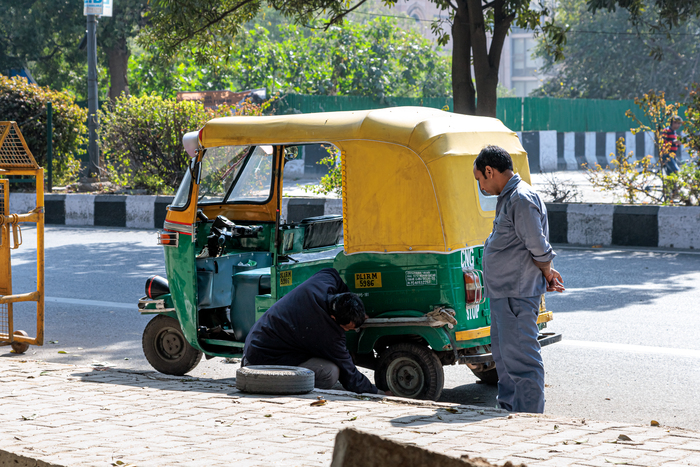
The following article provides a detailed look at how the spirit of Juggad is reflected in product development and digital services.
Related Article /National Character of Countries Around the World India:An Adaptive Society Born of the “Jugaad” Spirit—The Ability to Make Things Work
[Malaysia: Embracing the New While Cherishing Tradition]
<Key Points>
- Entrepreneurial Spirit
- Multiethnic Society
- “New Year” Celebrated Four Times a Year
- A Culture of Enjoying Festivals
<Explanation>
Malaysia is a multi-ethnic and multi-religious nation, and the diversity of values is a major characteristic of its society. At the same time, it possesses the flexibility to embrace new services and businesses. This enterprising spirit can be seen in the environment that gave rise to the founders of AirAsia and Grab. Consumers also show a high level of interest in new services and tend to actively embrace those they deem worthwhile.
However, it is not merely novelty that is valued. A wide range of cultural and religious events—such as the Chinese New Year, Hindu holidays (Diwali), Hari Raya (Eid al-Fitr), and Christmas—are held throughout the year, and people enjoy and pass down these traditions. Decorations and events at shopping malls change significantly with each season, attracting large numbers of visitors. These events are not merely celebrations; they are also important opportunities for people to reaffirm their sense of belonging and strengthen their relationships.
<Marketing Tip>
In Malaysia, it is important to balance the anticipation of new experiences with respect for traditional culture. Seasonal and religious events present significant opportunities to generate demand.
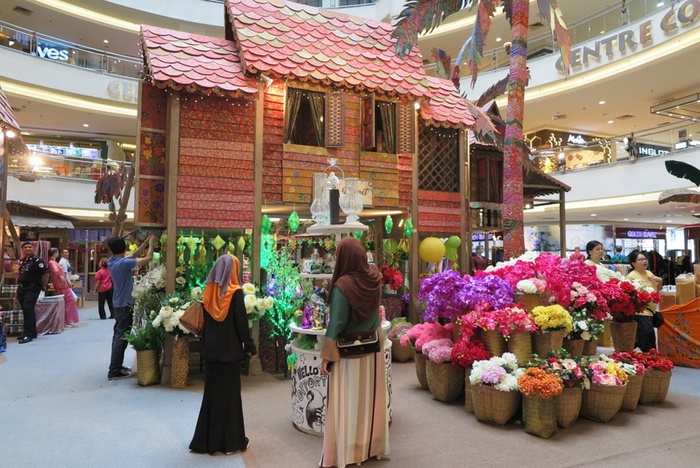
Photo : Hari Raya decorations during the major homecoming season evoke the image of “hometown.”
The following article provides a detailed look at the impact of Chinese New Year, Hari Raya, and other seasonal events on consumer behavior, as well as the unique seasonal event culture found in a multi-ethnic nation.
Related Article /National Character of Countries Around the World Malaysia: A pioneering spirit balanced with the ability to enjoy life while preserving traditions
3. Summary: Analysis of the Four Types
As we’ve seen so far, each of the 12 countries has its own national character. Given that this is influenced by each country’s history and environment, it is difficult to describe national character in a single phrase, and even within the same country, diverse values exist.
However, by organizing the commonalities observed from the perspective of researchers living in those countries, we’ve found that consumers in each country can be broadly classified into four types.
Finally, we will delve deeper into the commonalities of each of these four types. We hope that the shared characteristics and purchasing behaviors revealed through this analysis will be of assistance in product development and marketing.
(1) Speed- and Growth-Oriented: South Korea, China, Taiwan, Vietnam
When comparing these four countries, a common thread emerges: the desire to “save time” and “achieve results quickly.” South Korea has its “Palri Palri” culture; China emphasizes achieving results in the shortest possible time; Taiwan is known for its “Ashari” spirit; and Vietnam exhibits an upward-oriented mindset that embraces change positively.
What is interesting is that all of these countries and regions have experienced rapid economic growth and social change until recently.
South Korea experienced rapid economic growth known as the “Miracle on the Han River,” and China also grew rapidly following its reform and opening-up policies. Taiwan grew through the development of its export and IT industries, and Vietnam is currently in the midst of economic development. The experience of society as a whole undergoing significant change in a short period of time may have led to the value that “moving quickly and adapting to change is a good thing.”
On the other hand, although Japan is also located in East Asia, it has not been included in this classification.
Japan is a mature society that has already experienced a period of rapid economic growth, and its strengths lie in “quality,” “accuracy,” and “avoiding failure” rather than “speed.” If South Korea, China, Taiwan, and Vietnam tend to “act first and then improve,” Japan can be said to have a relatively strong tendency to “prepare thoroughly before acting.”
(2) Relationship- and Community-Oriented Type: Indonesia, the Philippines, and Brazil
In these three countries, human connections are at the heart of consumer behavior.
Indonesia has “Gotong Royong” (mutual aid), the Philippines has the “SUKI culture,” and Brazil has the “festa culture.” Although the names differ, all are societies that value “relationships with people they can trust.”
What these three countries have in common is “strong family ties,” “an emphasis on direct communication with others,” and “a culture of sharing meals and events.”
Furthermore, due to their climates, these countries see active outdoor activities and social interactions, and multigenerational households are relatively common. Compared to Western and East Asian societies, it could be said that “community” exerts a greater influence than the “individual.”
Consequently, purchasing behavior is significantly influenced not only by product specifications but also by “who is recommending it,” “who you’ll use it with,” and “whether you can relate to it.”
(3) Self-Expression and Lifestyle-Oriented Type: Thailand, the United States, and Australia
At first glance, these three countries may seem to have few things in common, but they are very similar in their emphasis on “expressing one’s individuality through products.” In Thailand, fashion and personal belongings serve as means of self-expression, while in Los Angeles, the concept of “Visible Wellness” is prevalent. In Australia, environmental consciousness and coexistence with nature are valued as integral parts of the lifestyle.
What these three countries have in common is a tendency to buy “values” rather than “functionality.”
For example, even when considering the same bag, in Thailand, “how others perceive you” is important, whereas in Los Angeles, emphasis is placed on “what lifestyle it represents.” In Australia, the evaluation criteria focus on “how the product contributes to society and nature.”
In societies with a certain degree of economic choice, consumer behavior tends to shift from “what to buy” to “why to choose it.” This group appears to exhibit this characteristic particularly clearly.
(4) Practical/Problem-Solving Type: India, Malaysia
At first glance, these two countries may seem to have little in common, but they are similar in their ability to “respond flexibly to real-world challenges.” In India, the concept of “juggad” is deeply ingrained in society, and finding the optimal solution within limited constraints is highly valued. Malaysia, on the other hand, has long coexisted by reconciling differing values within its multi-ethnic and multi-religious society.
In environments where diverse cultures and customs coexist, “practical solutions” tend to be prioritized over “idealistic theories.”
What is interesting is that in both countries, “diversity” is a fundamental premise of society.
In societies where there is no single set of values or lifestyle, there is no single “correct” answer. Consequently, “flexibility,” “practicality,” “cost-effectiveness,” and “problem-solving ability” tend to be highly valued.
It can be said that these are markets where consumers tend to prioritize “whether a product solves their problem” over “whether it is ideal.”