目次
1. Introduction
“We’re no longer in an era where products sell simply because they’re Japanese.”
As we handle products for overseas markets, we’ve been hearing this statement more and more often. Many companies already recognize the importance of tailoring products to local needs.
Meanwhile, in Thailand—where many Japanese companies have established a presence and the market for Japanese products is of considerable size—Intage’s “Global Viewer” survey (conducted in 2025) of overseas consumers shows that “very likely to buy” or “likely to buy.” When compared across 11 Asian countries and regions, Thailand ranks third, following the Philippines and Hong Kong. It can be said that the intention to purchase Japanese processed foods is at a high level even within Asia.
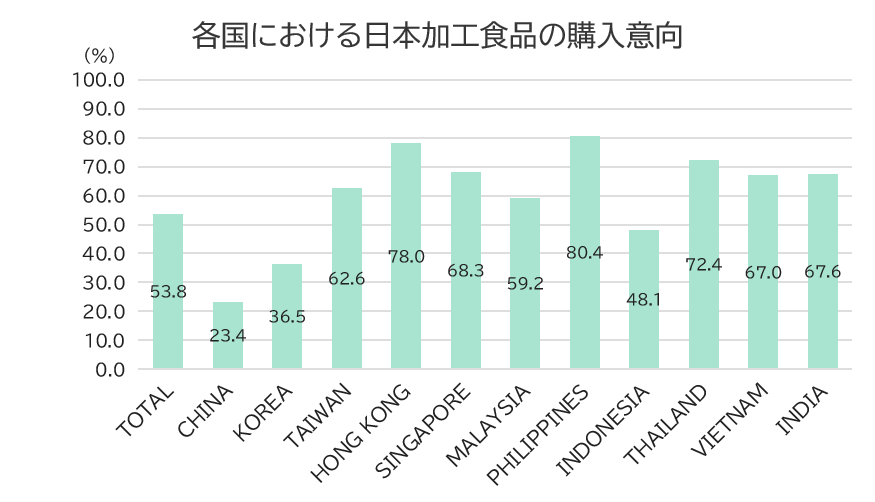
Figure 1: Intention to Purchase Japanese Processed Foods by Country
(Base: Men and women aged 18–64)
Source: Intage Global Viewer (2025)
Accelerate decision-making with smart overseas resident data
Global Viewer
This service provides reports tailored to your issues using questionnaire data on various actual conditions and attitudes of sei-katsu-sha in 11 countries (Asia and US) stocked by INTAGE.
The service covers 400 items, including actual behavioral conditions and awareness, values, and information contact related to various product and service categories.
So, if there is a strong willingness to purchase Japanese processed foods, can we assume that Japanese products on store shelves will be chosen? In this article, we’ll examine data on food selection and household dining habits in Thailand to identify the key factors to consider when determining which products are chosen.
2. Even if a customer has a strong intention to purchase, that alone does not guarantee that a particular product will be chosen.
What do Thai consumers prioritize when actually purchasing food?
According to Intage’s “Global Viewer” (2025 survey) data on international consumers, when looking at the factors Thai consumers prioritize when purchasing instant foods, “good taste and flavor” ranked highest at 32.9%. This was followed by “high quality” at 26.0%, “ease of preparation” at 24.5%, “availability at regular supermarkets” at 24.4%, and “low price” at 21.7%. On the other hand, only 2.8% of respondents cited “country of origin” as a key factor. This data shows that when selecting instant foods, many Thai consumers prioritize taste, quality, ease of preparation, and availability at local stores over the country of origin.
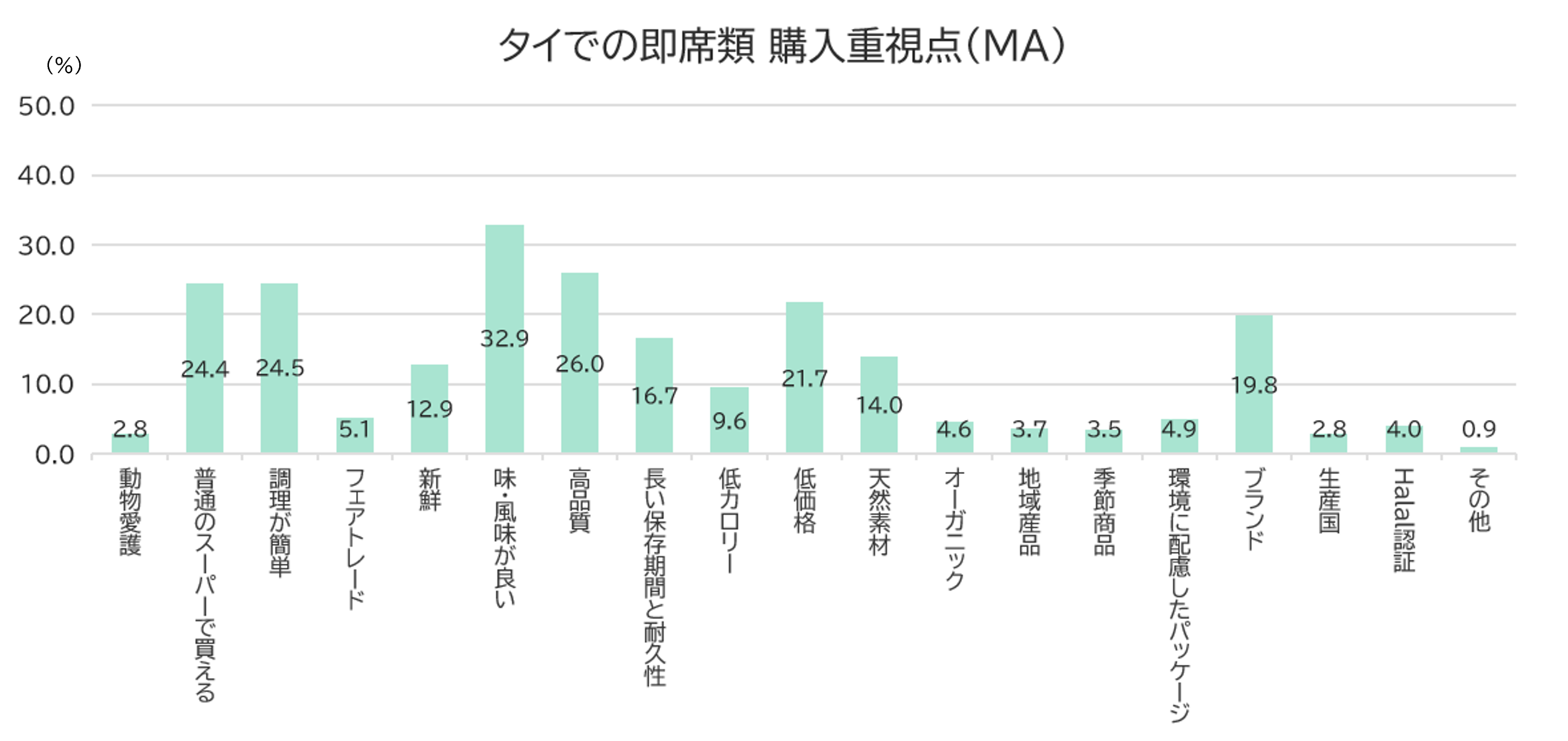
Figure 2: Key Considerations When Purchasing by Food Category: Instant Foods
(Multiple selections allowed)(Base: Men and women aged 18–64)
Source: Intage Global Viewer (2025)
As such, while many people are interested in buying Japanese processed foods, when it comes to actually selecting a product, they base their decision not only on the country of origin but also on the specific characteristics of the food itself. When asked, “Would you like to buy Japanese processed foods?” people can answer based on their general impression of Japanese products. However, when making an actual purchase, they compare specific factors related to the product in front of them, such as price, taste, preparation methods, and where it can be purchased. Even if there is a strong intention to buy Japanese processed foods, it is likely that additional factors will come into play when selecting a specific product.
Therefore, it is necessary not only to highlight that the product is from Japan but also to specifically communicate what makes it superior as a product.
For example, rather than relying solely on an abstract expression like “Japanese quality,” it is important to specify what kind of taste consumers can expect, in what ways the product is of high quality, and how easy it is to prepare. Additionally, making the product readily available at local supermarkets can also influence purchasing decisions.
3. How can we bring Japanese food to Thai dining tables?
Next, in addition to selecting products, another point to consider is “how people will eat them locally.”
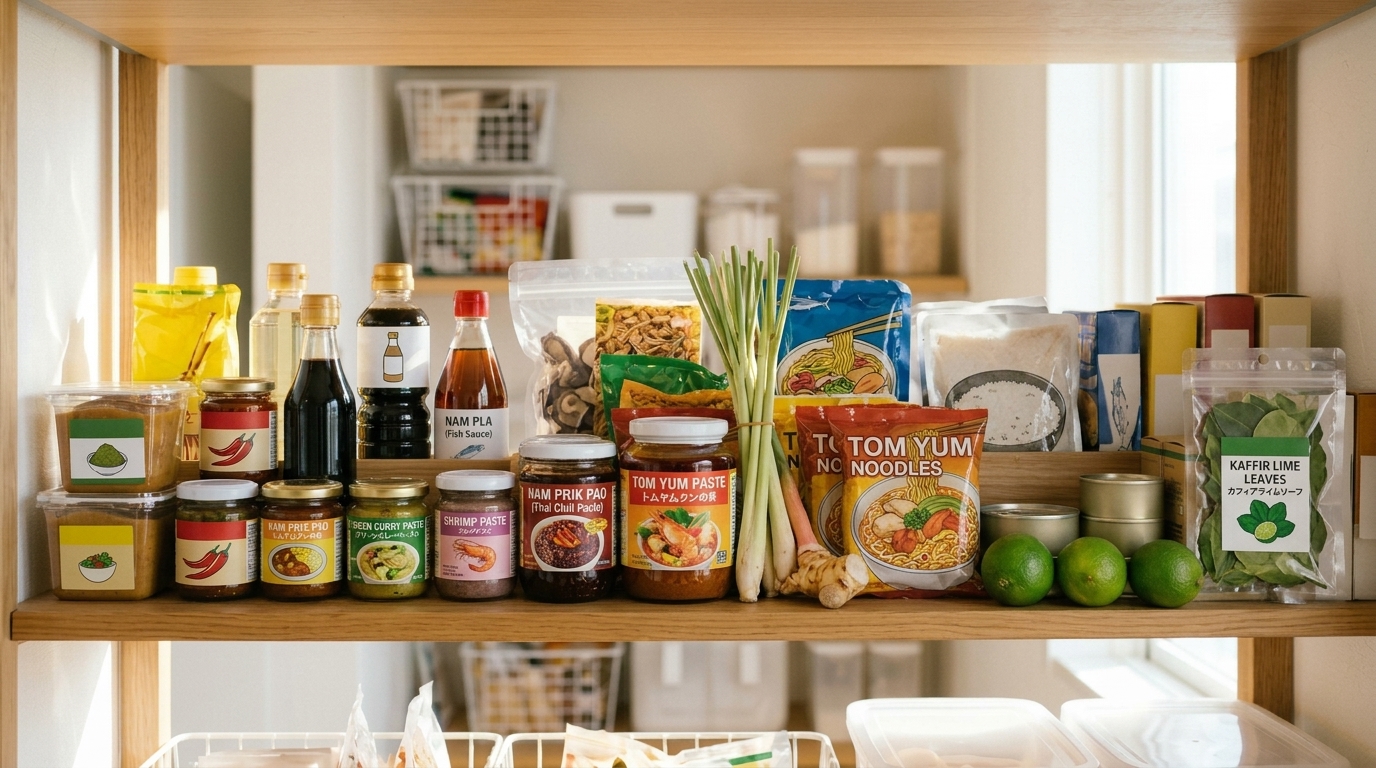
In Thailand, 88.6% of respondents cited Thai cuisine as a “dish they cook at home,” while 6.5% cited Japanese cuisine. As this data shows, Thai cuisine is widely cited as a dish prepared at home in Thailand. When considering everyday meals, Thai cuisine is a force to be reckoned with.
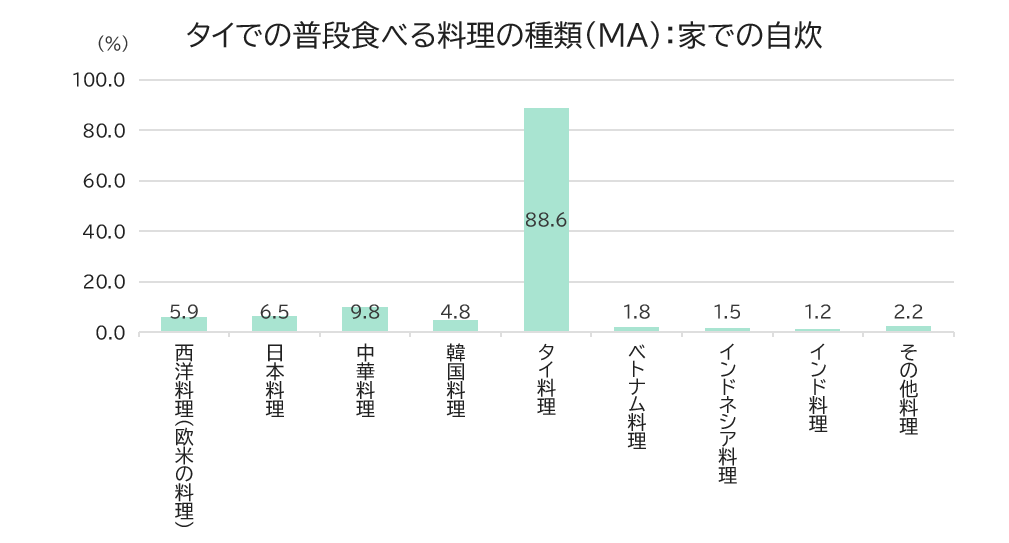
Figure 3: Types of Dishes Eaten Regularly: Home-Cooked Meals (Multiple selections allowed)
(Base: Men and women aged 18–64)
Source: Intage Global Viewer (2025)
So, will simply promoting Japanese food products as “ingredients for making Japanese cuisine” be enough to expand their use in households? Showing how to incorporate them into everyday meals—such as Thai cuisine—could also be one way to broaden their range of uses.
Furthermore, observing local lifestyles can sometimes reveal usage scenarios that were not fully anticipated in Japan. Looking at examples of Thai breakfasts in “Consumer Life Panorama (CLP),” Intage’s overseas consumer visual database that allows users to view photos of consumers’ dining tables, we found dishes combining noodles with meat and vegetables.
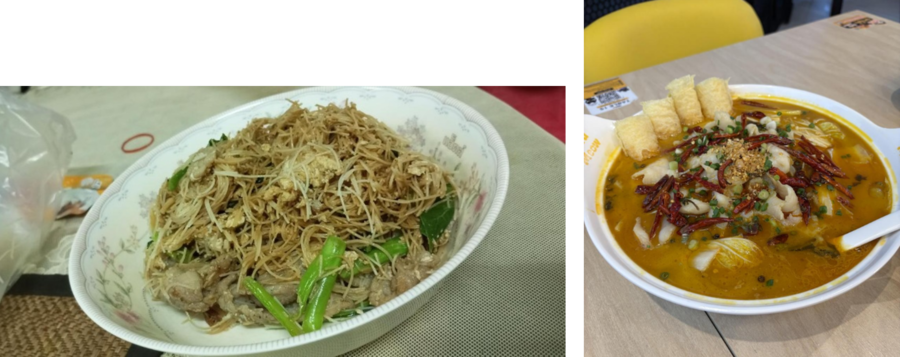
Source: Intage Consumer Life Panorama
What is Consumer Life Panorama?
This is a website-type database that has accumulated visual data on more than 1,000 sei-katsu-sha from 18 countries around the world. The database includes many 3D models of living environments and 2D data of items owned by each sei-katsu-sha, and is useful for understanding overseas sei-katsu-sha, which is difficult to grasp using only letters and numbers.
Using visual data such as those cited in this column,
Compare the differences in the attributes of overseas consumers
To get a realistic understanding of the actual usage of each category
To understand the overall lifestyle of target consumers
etc., can be utilized as a “no-go” home visit survey.

Based on this case study, a hypothesis emerges that “breakfast” could be a potential consumption scenario for instant foods in Thailand. Products that can be prepared quickly and easily paired with meat or vegetables could potentially be marketed as breakfast options.
Of course, to verify this hypothesis, we need to confirm whether instant foods are actually being eaten for breakfast and what kinds of flavors and portion sizes are desired for breakfast. However, by taking a concrete look at local eating habits in this way, we can discover usage scenarios not anticipated in Japan and explore ways to adapt the products to local cuisine, as well as suggest optimal times to eat them and suitable ingredient combinations.
4. Summary: Don’t judge a product’s potential based solely on the level of purchase intent
As discussed so far, the high purchase intent for Japanese processed foods is one factor to consider when evaluating the potential of the Thai market. However, purchase intent alone is not enough to determine whether Japanese products will be chosen and consumed on a daily basis.
In actual purchasing situations, factors such as taste, quality, ease of preparation, and availability are prioritized. Furthermore, when considering household use, it is necessary to assess not only how these products fit into Japanese cuisine but also how they can be incorporated into everyday Thai meals.
In short, even when expanding overseas without significantly altering products sold in Japan, it is crucial to understand local product selection criteria and dietary habits. “Being a Japanese product” can be a strength. However, to translate that strength into actual purchases, it is necessary to understand the criteria consumers use to select products, as well as when and how they consume them in their daily lives. Based on this understanding, it is essential to determine which elements—the product itself, its marketing message, or suggested ways to eat it—should be adapted to the local market.