目次
- 1. Introduction
- 2. Food: Korean brands lead the way in instant noodles; expanded opportunities to experience sake are providing a tailwind
- 3. Manufacturing: Smart TVs Compete on Viewing Experience; Stationery Competes on Writing Feel
- 4. Conclusion: The Evolving Position of “Japan Brand” Across Different Categories
1. Introduction
In Australia, Japanese products line the shelves of supermarkets and other retail stores, and Japanese restaurants and Japanese-style cafes have become a common sight in everyday life. The “Japan Brand” is no longer something special; it has become a natural part of local life.
As in East and Southeast Asia, the quality and reliability of Japanese products have long been their strengths in Australia as well. However, as competition intensifies with overseas brands—particularly those from South Korea and China—“being a Japanese brand” alone is no longer a decisive factor in purchasing decisions. Brands must now demonstrate why consumers should choose them based on the intrinsic value of the product itself—such as functionality, design, and price.
According to the Australian https://www.dfat.gov.au/geo/japan/japan-country-brief, by 2025, Japan will become Australia’s third-largest trading partner after China and the United States, with two-way trade reaching 97.5 billion Australian dollars (approximately 10.6 trillion yen).
However, in the instant noodle market, brands from South Korea and Southeast Asia are gaining a stronger foothold, and competition with South Korean and Chinese manufacturers continues on television. In contrast, imports of Japanese sake are growing, and Japanese stationery is gaining support from consumers who value usability, design, and the joy of selecting products.
Thus, while economic ties between Japan and Australia are strong, the competitive landscape and the reasons consumers choose products vary by category in the consumer market.
In addition to the “Japan Brand” image—which has long been built on trust in safety, quality, and technological prowess—it is crucial to convey the unique appeal of each product to local consumers and translate that into a reason to purchase.
2. Food: Korean brands lead the way in instant noodles; expanded opportunities to experience sake are providing a tailwind
(1) Instant Noodles: Japanese Brands Are Being Overshadowed by Asia’s Diverse Flavors and Buzz
Although ramen shops can be found all over urban areas in Australia, Japanese brands have a limited presence in the instant noodle aisles of supermarkets. While Japanese ramen is popular in restaurants, it faces a different kind of competition in the instant noodle market.
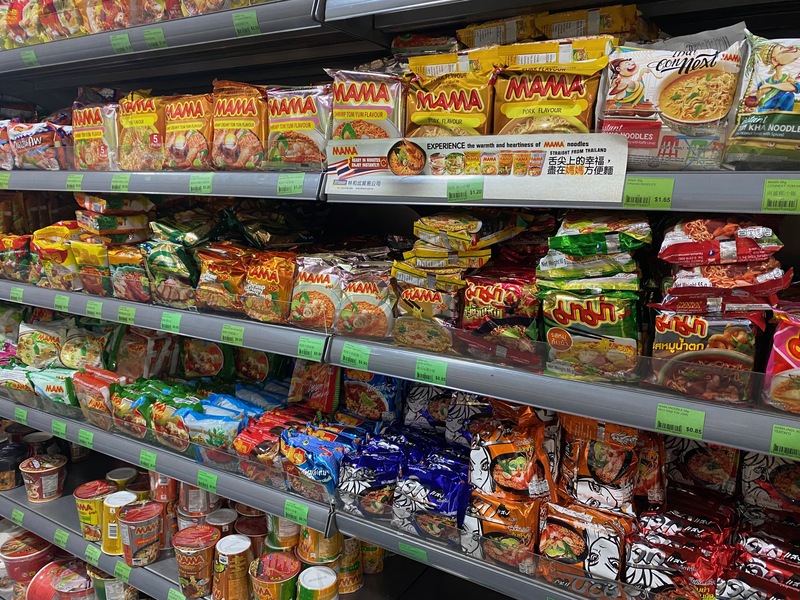
The KOTRA Melbourne Trade Center has compiled 2024 import statistics based on data from the Global Trade Atlas, the import value of “Other Pasta” (HS Code 190230), which includes instant noodles, was approximately $235.01 million (about 37 billion yen). Of this total, South Korea accounted for approximately 47.58 million U.S. dollars (about 7.5 billion yen), ranking first with a 20.25% share. In contrast, Japan’s share was limited to approximately 3.8 million U.S. dollars (about 600 million yen), representing just 1.62%.
It should be noted that these statistics do not cover instant noodles exclusively but also include other pasta products. Even so, the gap between South Korea and Japan is significant, making it difficult to say that Japanese companies are leading this category.
First, South Korean instant noodles have garnered attention on social media through videos of people challenging themselves with their intense spiciness and posts sharing tasting impressions. “Buldak Stir-Fried Noodles,” which are particularly popular among young people, are characterized by an intense spiciness and unique flavor that leave a lasting impression with just one bite, and they are gaining a stronger presence in retail stores.
Instant noodles from Southeast Asia are also a key pillar of the market. Indonesia’s “Indomie” is well-loved for products like “Mie Goreng,” which features a sweet and spicy sauce, and brands from South Korea and Southeast Asia are expanding consumer choices with their distinct flavor profiles.
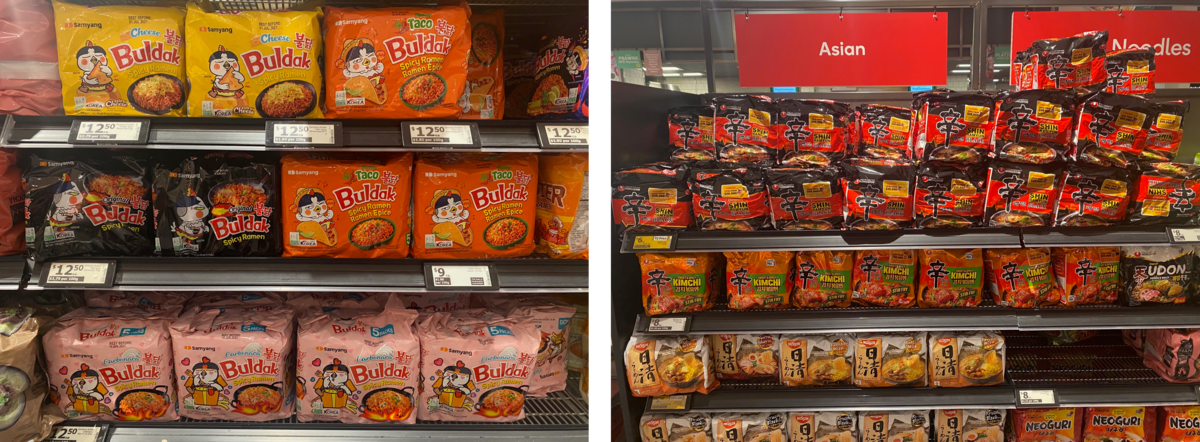
According to 2024 import statistics, supermarkets account for 61.0% of sales channels and grocery stores for 19.1%; therefore, it is essential to showcase products in the places where consumers shop on a daily basis and to ensure that their distinctive flavors are immediately apparent.
Japanese instant noodles boast a long history of delicious noodles and product development. However, if these qualities aren’t effectively communicated to consumers through packaging or on the store shelves—and thus fail to provide a compelling reason to try the product—consumers are unlikely to choose them. Rather than Japanese brands being weak, it seems that as the range of values consumers seek continues to expand, it has become increasingly difficult to differentiate products based on traditional strengths alone.
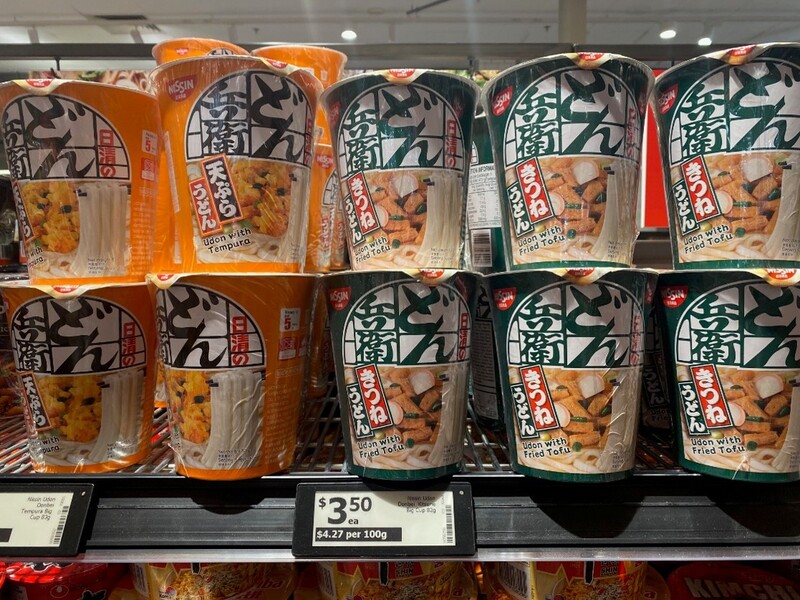
Here is one example of a Japanese product. Nissin Foods’ “Donbei” began being sold in 2026 at “Woolworths,” Australia’s largest supermarket chain. Judging by social media, it was a hot topic among Japanese residents in Australia, but I didn’t see much reaction from local consumers. While social media reactions alone cannot gauge local interest, to attract new customers, it’s not enough to simply stock the product on store shelves; efforts are also needed to convey the appeal—such as the taste, texture, and differences from other products—that will make local consumers want to give it a try.
(2) Sake: Increasing Opportunities for Experience and Expanding the Market
Even within the food sector, there are bright signs for sake. According to the industry publication “Drinks Trade” (https://www.drinkstrade.com.au/news/asian-beverage-guide-behind-the-data-of-sakes-sales-rise-down-under/), over the 10-year period from 2015 to 2025, Australia’s sake imports increased by 182.8% in volume and 272.3% in value. Although import volume declined slightly in 2025, the value rose 7.9% year-over-year to approximately 844 million yen.
The “Australian Sake Festival,” an event where attendees can experience the appeal of sake firsthand, was held in a record five cities in 2025: Sydney, Melbourne, Brisbane, Canberra, and the Gold Coast. The Sydney venue attracted approximately 8,000 visitors over two days, who enjoyed sake tastings, Japanese cuisine, and interactions with sake breweries.
This event, which draws large crowds every year, offers an opportunity to taste sake and experience the Japanese food culture behind it.
While sake has traditionally been enjoyed at Japanese restaurants, in recent years it has become available not only at wine bars and specialty shops but also at general liquor stores. Furthermore, the media has cited the increase in travelers from Australia visiting Japan as a tailwind for the sake market. The view is that when people are exposed to Japanese food and sake during their travels, their continued interest after returning home contributes to the market’s expansion.
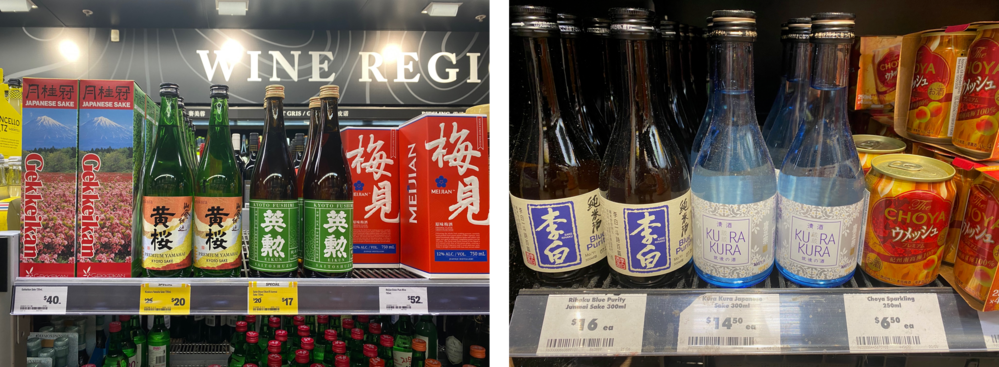
Compared to instant noodles, sake offers a more direct way to convey its flavor and how to enjoy it through tasting events and food pairings at restaurants. Even consumers unfamiliar with sake can discover their favorite brands and food pairings by actually trying it. These opportunities—which go beyond simply raising awareness of the product to conveying its appeal through the experience of tasting—play a key role in expanding the base of sake enthusiasts.
3. Manufacturing: Smart TVs Compete on Viewing Experience; Stationery Competes on Writing Feel
(1) Smart TVs: In addition to picture quality, ease of use in everyday life is also a key factor when making a purchase decision.
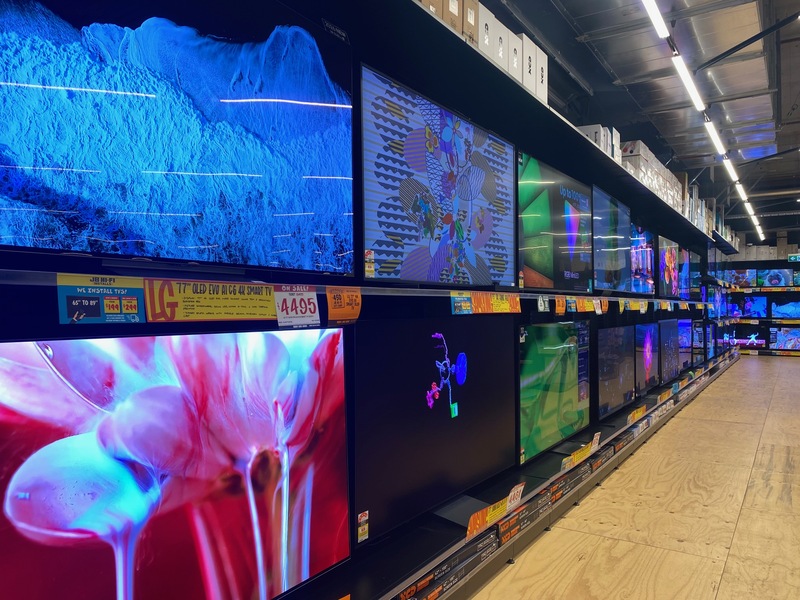
First, smart TVs are a category that clearly reflects the former strength of Japanese manufacturers and the current changes in the competitive landscape. In a survey published in December 2025 by the Australian consumer research firm Canstar Blue (“https://www.canstarblue.com.au/technology/tvs/”), 1,163 people who had purchased a TV in the past three years rated various brands, and South Korea’s Samsung ranked first in overall satisfaction.
The presence of South Korean manufacturers is also evident in the brand composition of smart TVs used in households. According to a study published in 2023 by researchers at RMIT University (https://www.infrastructure.gov.au/sites/default/files/documents/), a survey of 1,069 Australian smart TV users estimated that Samsung accounted for 35% of the market and LG for 17%. Combined, the two companies reached 52%, significantly outpacing Japan’s Sony (15%) and China’s Hisense (14%).
These differences in brand presence are also evident on the actual sales floor. At JB Hi-Fi, an electronics retailer in Sydney, products from South Korean manufacturers such as Samsung and LG were prominently displayed, while Sony’s displays were confined to a corner of the store. Televisions from Toshiba and Panasonic were nowhere to be found in the stores visited for this report. Although Japanese brands once led the global television market, the scene on the sales floor reflects the current shift in the competitive landscape.
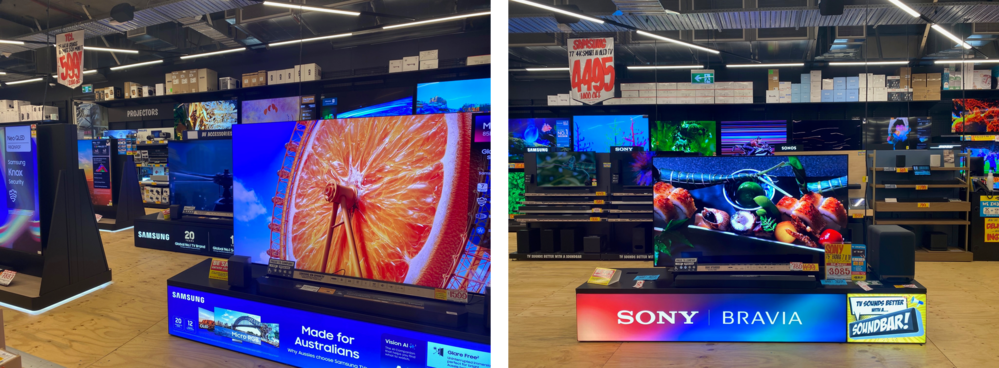
In addition, according to staff at an electronics retailer, when choosing a TV, factors such as whether it supports streaming services like Netflix and YouTube and whether it has the necessary apps are just as important as price and screen size. They also noted that ease of connection with smartphones and game consoles affects the user experience after purchase.
Furthermore, on the sales floor, Samsung televisions featured the tagline “Made for Australians.” The company highlights how its products’ features and designs align with local lifestyles—such as anti-glare measures tailored for environments with strong sunlight, large-screen viewing for sports, and “The Frame,” which blends seamlessly into home interiors. This approach goes beyond simply promoting technology and performance; it demonstrates a commitment to communicating the value these products bring to local consumers.

As such, South Korean manufacturers are increasing their market presence not only by offering a wide range of products across various price points but also by tailoring their marketing messages to local living environments and viewing habits. Against this backdrop, for Japanese manufacturers to be chosen by consumers, the key challenge moving forward will be not only to highlight superior picture quality and performance but also to clearly communicate how the strengths of their products deliver tangible value to local consumers.
(2) Stationery: The Difference in Writing Experience Is the Reason for Their Popularity
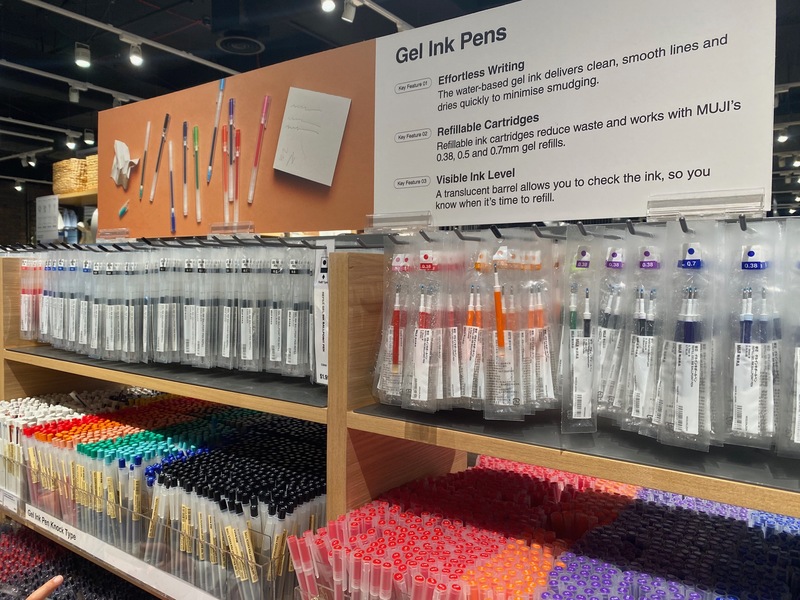
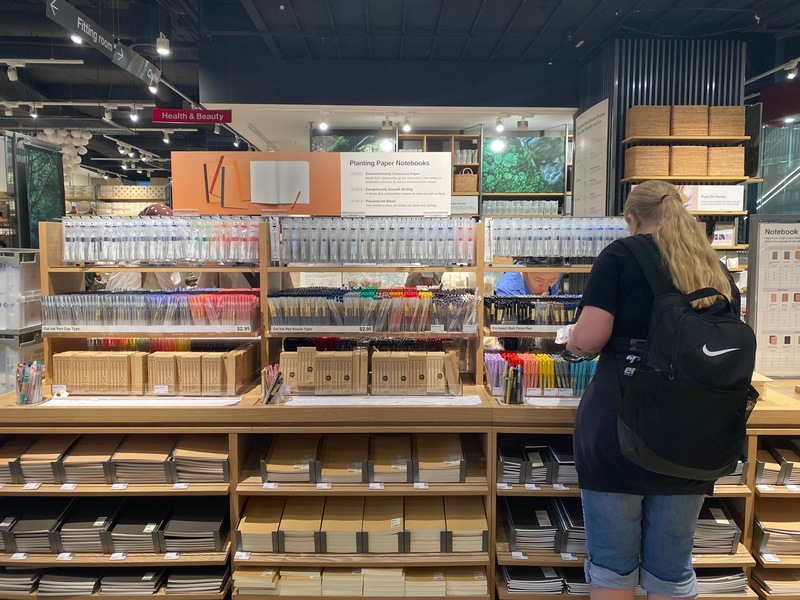
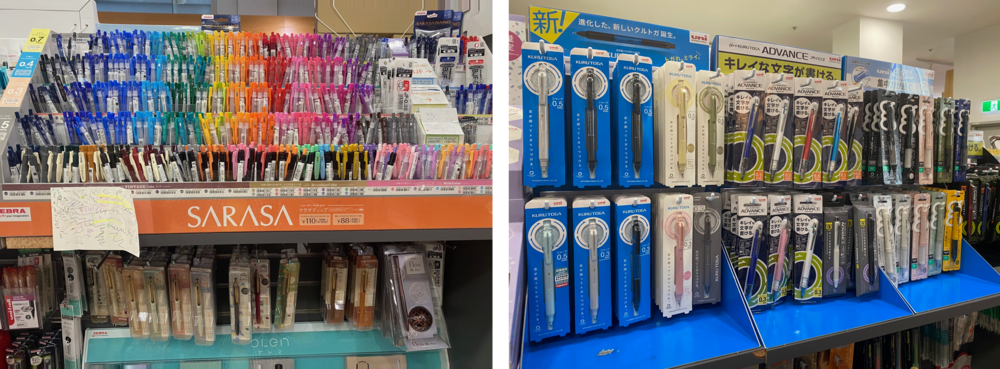
In Australia, Japanese stationery is available not only at specialty stores but also at bookstores and general merchandise stores, with products from several Japanese manufacturers—such as Mitsubishi Pencil’s “JETSTREAM” and “uni-ball,” Zebra’s “SARASA,” and Pilot products—lined up on the shelves.
Every time I visit the Kinokuniya Bookstore or MUJI stores in Sydney, I see people of all ages—from high school students to adults—picking up pens and testing them to see how they feel to write with.
There are also online sales channels. Melbourne-based “Bunbougu” carries stationery from Japan and Europe and has become a go-to destination for those looking for products that are hard to find locally.
While the presence of retail stores alone is not enough to determine the market share of Japanese brands in the Australian market as a whole, the existence of multiple sales channels (both in-store and online) and the positive reception of these products suggest that Japanese stationery is one of the categories that stands out and is actively chosen by local consumers.
As one example, there are reviews online praising MUJI pens for their fine tips, wide range of colors, and ease of refilling. On the other hand, opinions seem to be divided regarding ink flow and writing comfort. These reviews suggest that consumers base their decisions not only on the brand name but also on the actual user experience. (https://www.reddit.com/r/pens/comments/1w1sgwa/what_are_your_thoughts_on_muji_pens/)
Furthermore, the appeal of stationery lies in the subtle differences you notice through daily use—such as the fineness of the pen tip, the smoothness of the ink, how well it works with the paper, and its colors and designs. In particular, because you can test the writing feel and ease of use by trying out stationery before purchasing it, it’s easy to appreciate the quality of the product. The popularity of Japanese stationery stems not only from the “Japanese brand” image but also from a commitment to creating products that resolve small daily frustrations and cater to the user’s preferences.
4. Conclusion: The Evolving Position of “Japan Brand” Across Different Categories
In the instant noodle category, brands from South Korea and Southeast Asia are capturing consumer interest with their distinctive flavors and buzz-worthy appeal, while on television, South Korean manufacturers are making their presence felt with a wide range of price points and smart features. Meanwhile, imports of Japanese sake have been growing steadily over the long term in both volume and value, and in the stationery sector, specific product features—such as writing comfort and design—are driving consumer choices.
What becomes clear from these examples across the four categories is the importance of understanding what consumers seek in products and the specific touchpoints that lead them to make a purchase. Even the quality and technology that have long been valued in Japan will only serve as a motivation to buy if they are communicated as concrete value to local consumers. To achieve this, it is essential to create touchpoints tailored to each product—such as generating buzz through social media and other media, as well as offering tastings and in-store experiences. Furthermore, it is not enough to simply highlight a product’s features and quality; companies must also find ways to clearly communicate its appeal in a manner tailored to local lifestyles and needs.
The shift is from “It’s good because it’s made in Japan” to “I choose this because I want it.” Reevaluating a company’s strengths in light of local needs and creating reasons for consumers to want to choose its products will be the key to supporting the growth of Japanese brands.