Global Market Surfer
 CLP
CLP Column
How Do Countries Differ in How They Choose Sweets? - Understanding Consumers in Japan, South Korea, and the United States -
- Release date: Mar 13, 2026
- Update date: Mar 13, 2026
- 64 Views
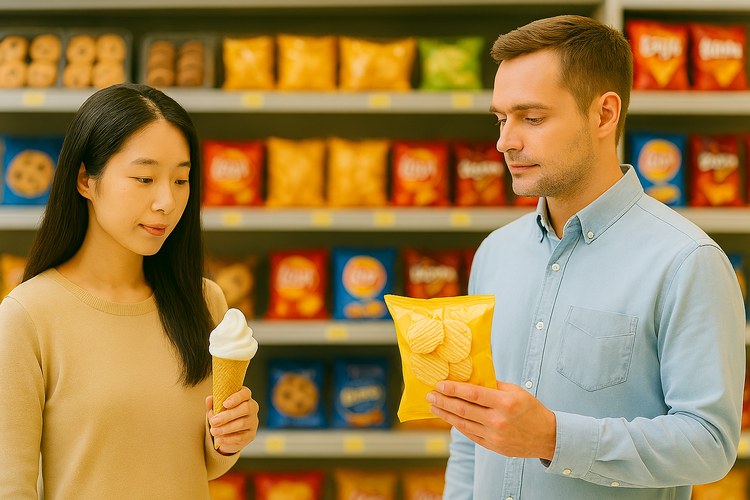
The role sweets play in our lives varies depending on culture and eating habits. They can be a snack to satisfy hunger, a way to lift one's spirits, a symbol of family time, or a small treat for oneself—their significance is diverse based on consumers' values and cultural backgrounds.
This article analyzes how consumers in the United States, Japan, and South Korea perceive “snacks,” based on Intage's Global Viewer overseas consumer data (conducted in 2025). We examine their perspectives in the following order: ① Key considerations when purchasing → ② Actual purchases → ③ Health consciousness.
目次
1. What people prioritize when buying sweets in different countries
First, let's look at the “purchase priorities” of people who bought confectionery in the past month.
In Japan, “Good taste/flavor” was highest at 47%, followed by “Available at regular supermarkets” at 43% and “Low price” at 41%.
Priorities also include ease of everyday purchase and affordability, suggesting confectionery is readily bought as part of daily life.
In South Korea, “Good taste/flavor” was high at 52%, “Low price” was 34%, while “Available at regular supermarkets” was 23%, lower than in Japan.
On the other hand, “Low calorie” was 18% and “Organic” was 10%, indicating a certain level of interest in health-conscious factors alongside price and taste.
It can be considered that health considerations, in addition to taste and price, are also one of the criteria for product selection.
In the United States, while no single factor stands out, items related to product characteristics are relatively high: “high quality” at 28%, “freshness” at 21%, ‘brand’ at 19%, and “natural ingredients” at 17%.
This suggests that the characteristics of the product itself—such as quality, ingredients, and brand—are key factors in choosing confectionery, rather than just price or where it's purchased.
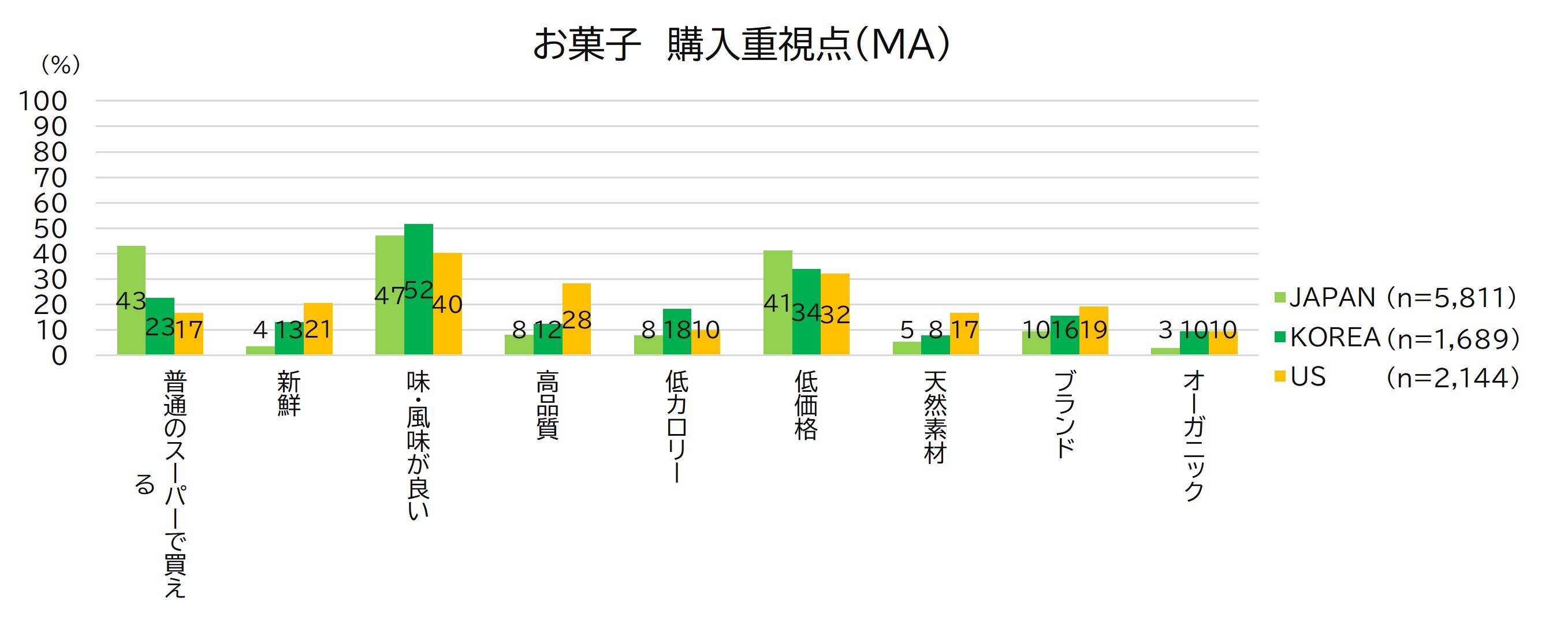
Figure 1: Japan, South Korea, and the United States: Purchase Priorities for Confectionery and Jam Categories Among Buyers in the Past Month (Multiple Choices)
Base: Men and women aged 18–64 in each country who purchased either confectionery category
Source: INTAGE Global Viewer (2025)
Accelerate decision-making with smart overseas resident data
Global Viewer
This service provides reports tailored to your issues using questionnaire data on various actual conditions and attitudes of sei-katsu-sha in 11 countries (Asia and US) stocked by INTAGE.
The service covers 400 items, including actual behavioral conditions and awareness, values, and information contact related to various product and service categories.
2. What types of confectionery are typically purchased?
Next, we examine the confectionery categories purchased over the past month.
In Japan, “ice cream” purchases reached 73%, the highest among the three countries, while “rice crackers and rice-based sweets” also significantly outpaced the US and South Korea at 52%.
“Potato chips” and “chocolate” also showed high levels, indicating broad purchases across multiple staple categories. A defining feature of Japan is that both Western-style and traditional Japanese sweets are firmly established as everyday snacks.
In South Korea, “cookies,” “potato chips,” “chocolate,” and “ice cream” all cluster around 50%. No single category stands out prominently; multiple categories are purchased relatively evenly. This relatively dispersed choice of confectionery categories is a defining feature.
In the United States, “cookies,” “potato chips,” and “ice cream” each exceed 60%, while ‘chocolate’ also reaches a high level at 58%. Furthermore, “candy/gummies,” “jelly,” and “chewing gum” are also higher than in other countries.
This suggests confectionery is used not only as an after-dinner dessert but also in multiple scenarios, such as daytime snacks.

Figure 2: Japan, South Korea, and the United States: Confectionery Categories Purchased
in the Past Month (Multiple Choices)
Base: Individuals aged 18–64 in each country who purchased any confectionery category
Source: INTAGE Global Viewer (2025)
3. Sweets Seen Through Dietary Habits
Finally, we confirm what people pay attention to in their daily diets.
In Japan, “choosing foods lower in calories whenever possible” is relatively high at 24%, while “avoiding foods with added sugar whenever possible” is only 12%, and “avoiding foods containing artificial additives whenever possible” is only 18%.
Regarding sweets, rather than strictly managing ingredients, people seem to approach them with the stance of “enjoying them deliciously and in moderation.”
In South Korea, “reducing carbohydrate intake,” “avoiding foods with added sugar,” and “avoiding foods with artificial additives” all hover around 30%.
“Avoiding foods with preservatives” also stands at 18%, showing a broad range of high percentages for items related to ingredient management.
This suggests a relatively strong tendency to consciously manage food choices based on ingredients.
In the United States, “avoiding foods with added sugar” is practiced by 23%, “avoiding foods with artificial additives” by 21%, and “avoiding foods with preservatives” by 16%. This indicates a noticeable level of health consciousness focused on avoiding sugar, additives, and preservatives. Considering this alongside the observed interest in quality and ingredients during purchase, it appears that such health-consciousness is one of the criteria guiding food selection.
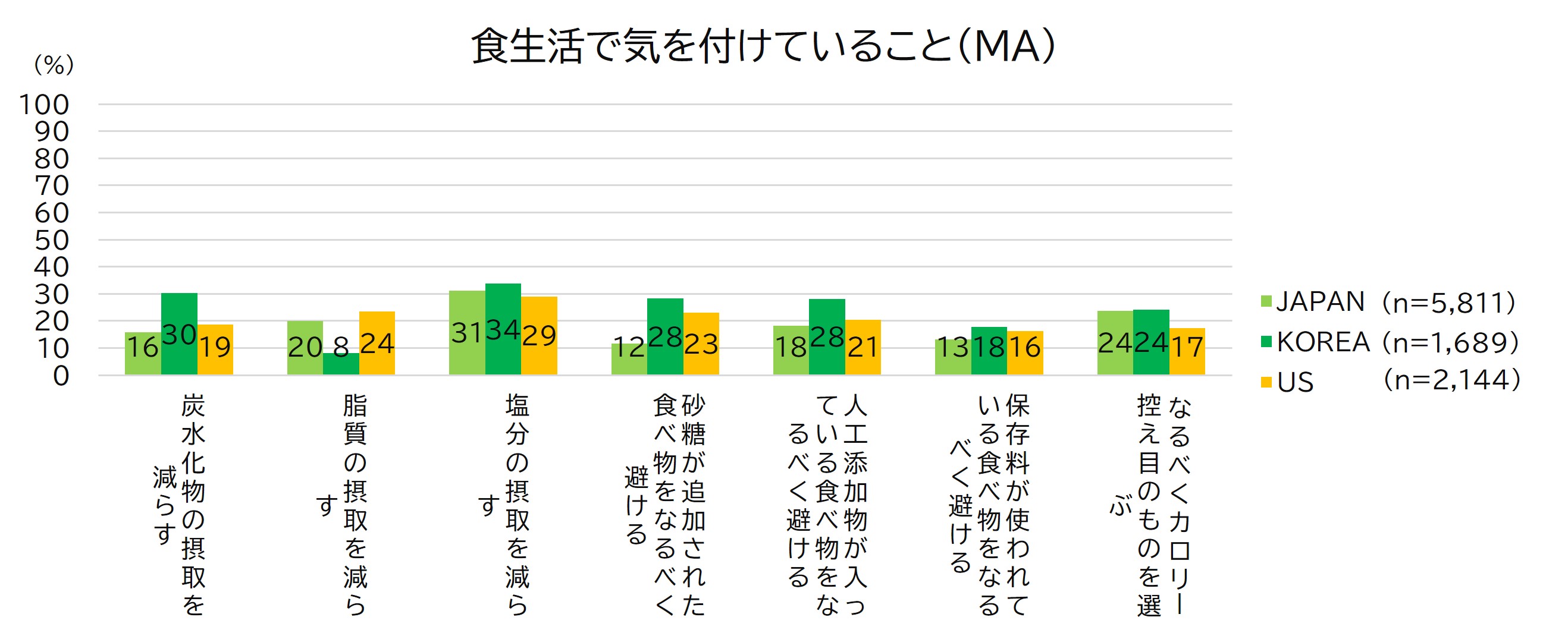
Figure 3: Japan, South Korea, and the United States: Dietary Concerns Among Snack Purchasers
in the Past Month (Multiple Choices)
Base: Men and women aged 18–64 in each country who purchased any snack category
Source: INTAGE Global Viewer (2025)
4. Conclusion
Analysis in this article reveals differences in how countries approach snacks: Japan enjoys them casually as everyday treats, Korea prioritizes the balance between taste and health, and the US emphasizes product characteristics like ingredients and quality.
Even within the same snack category,
・Why is that particular snack chosen in that country?
・What moods or situations are they associated with?
・What lifestyle culture lies behind them?
Viewing them from these perspectives reveals the values of consumers in each country in a more multidimensional way.
Snacks are not merely luxury items; they also reflect consumers' lifestyles and values.
We hope this article helps you understand how consumers in each country engage with snacks.
-

Author profile
Yuki Kagami
Currently in this position since 2017. Engaged in supporting and assisting marketing activities for manufacturers of daily food, beverages, and sundries. Originally from Tokyo. Hobbies include watching baseball and photography. My favorite snacks are chocolate and rice crackers. Lately, I've been a bit troubled by the rising prices of chocolate.
-
Editor profile
Risa Takahama
After working in marketing research support for Japanese FMCG manufacturers (cosmetics, baby products, food and beverages, etc.) in Asia, Europe, and the U.S., from 2019, in his current position, he develops solutions for overseas marketing research for Japanese companies and conducts seminars and other outward communications.