目次
1. Introduction
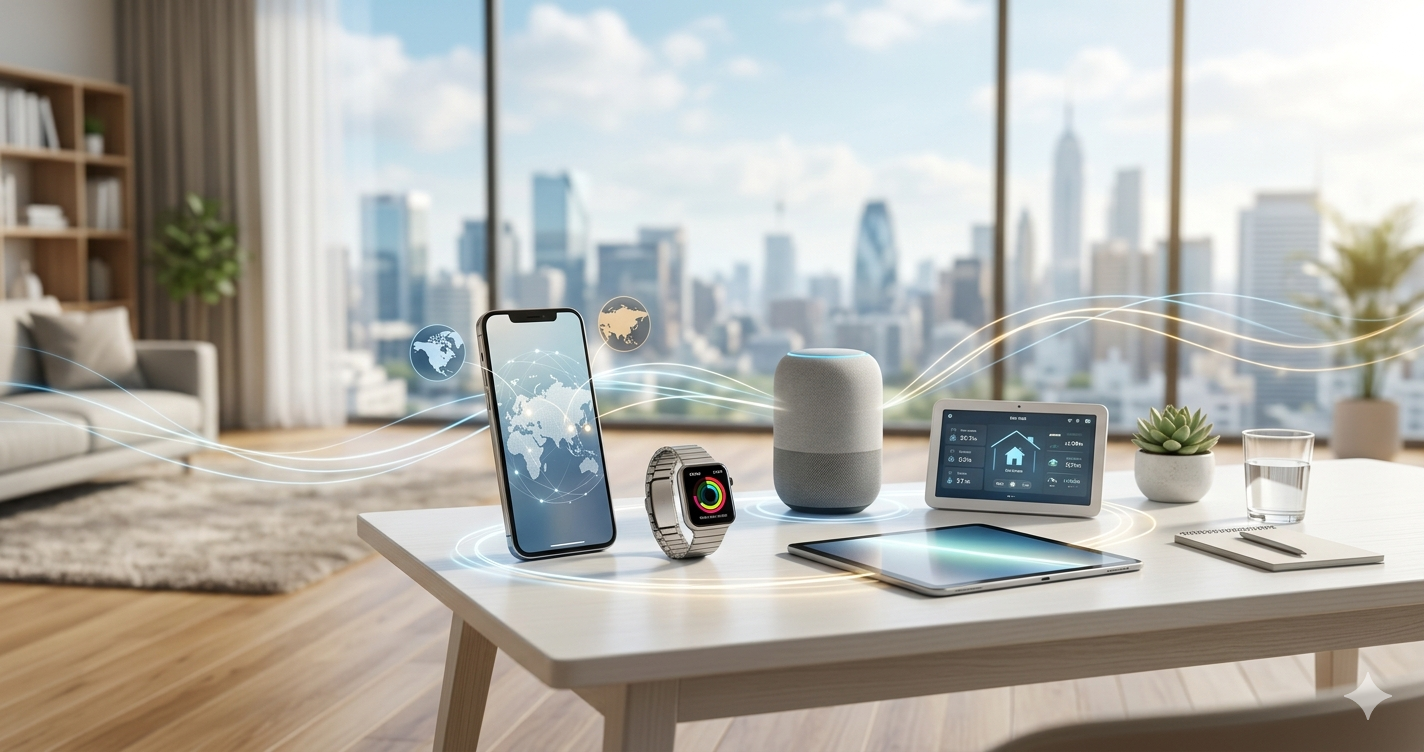
The diversification of work styles, the rise in single-person households, and soaring energy prices. The environment surrounding our daily lives has become more complex and uncertain than ever before. How can we create an environment where we can reduce the burden of household chores, use energy efficiently, and live with peace of mind and enjoyment? In response to this question, “smart home devices” are beginning to take on the role of essential infrastructure, rather than merely being convenient gadgets. In this article, we will examine the current adoption rates of smart devices across various countries and explore their future growth potential.
2. Smart Home Device Penetration Rate
What are the smart device penetration rates in various countries? Let’s examine the penetration rates in the following countries using Intage’s “Global Viewer”* overseas consumer data (collected in 2025).
According to the data, penetration rates are highest in Vietnam, followed by China and India, with rates of around 90%. Japan has the lowest rate among the countries surveyed at 27.5%. Excluding Japan, Hong Kong, Singapore, Malaysia, and the United States have the next lowest rates. Therefore, this article will examine the opportunities for penetration in the five countries (South Korea, Hong Kong, Singapore, Malaysia, and the United States) that have purchasing power but low penetration rates.
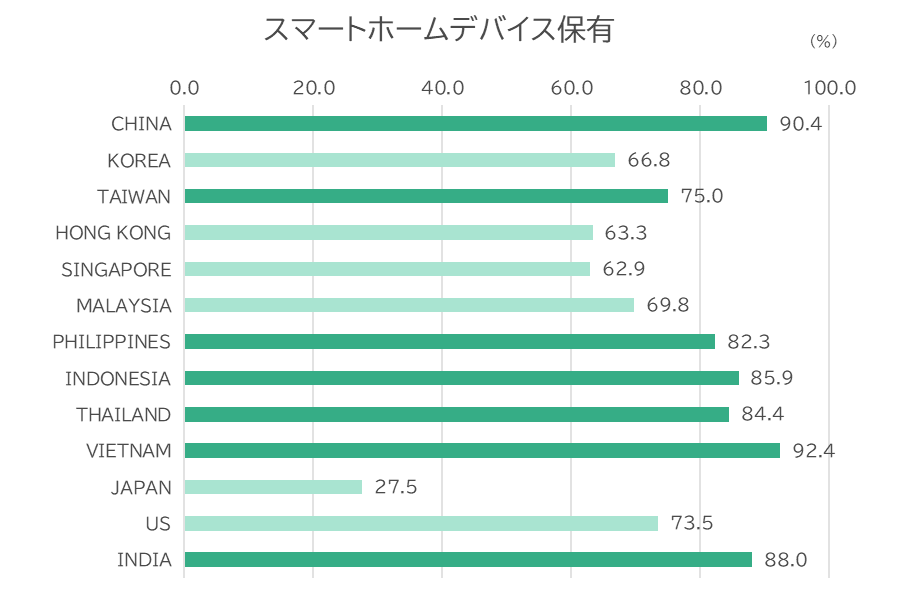
Figure 1: Smart Home Devices Owned by Households (MA)
Source: Intage Global Viewer (2025)
Accelerate decision-making with smart overseas resident data
Global Viewer
This service provides reports tailored to your issues using questionnaire data on various actual conditions and attitudes of sei-katsu-sha in 11 countries (Asia and US) stocked by INTAGE.
The service covers 400 items, including actual behavioral conditions and awareness, values, and information contact related to various product and service categories.
3. Types of Smart Devices Owned
While the previous section examined overall adoption rates, this section will examine adoption rates by device type in greater detail. Among the five countries surveyed, entertainment-related smart devices have relatively high adoption rates. In terms of lighting and security-related devices, Malaysia and the United States have higher adoption rates than the other three countries. Therefore, it is possible that the priority placed on which aspects of daily life people seek to make more convenient through smart devices varies by country.
Furthermore, smart speakers are highly prevalent in the United States, while smart home appliances are prevalent in South Korea. Since Amazon produces smart speakers and Samsung and LG manufacture smart home appliances, it can be inferred that adoption rates are more advanced in these countries precisely because these manufacturers are based there.
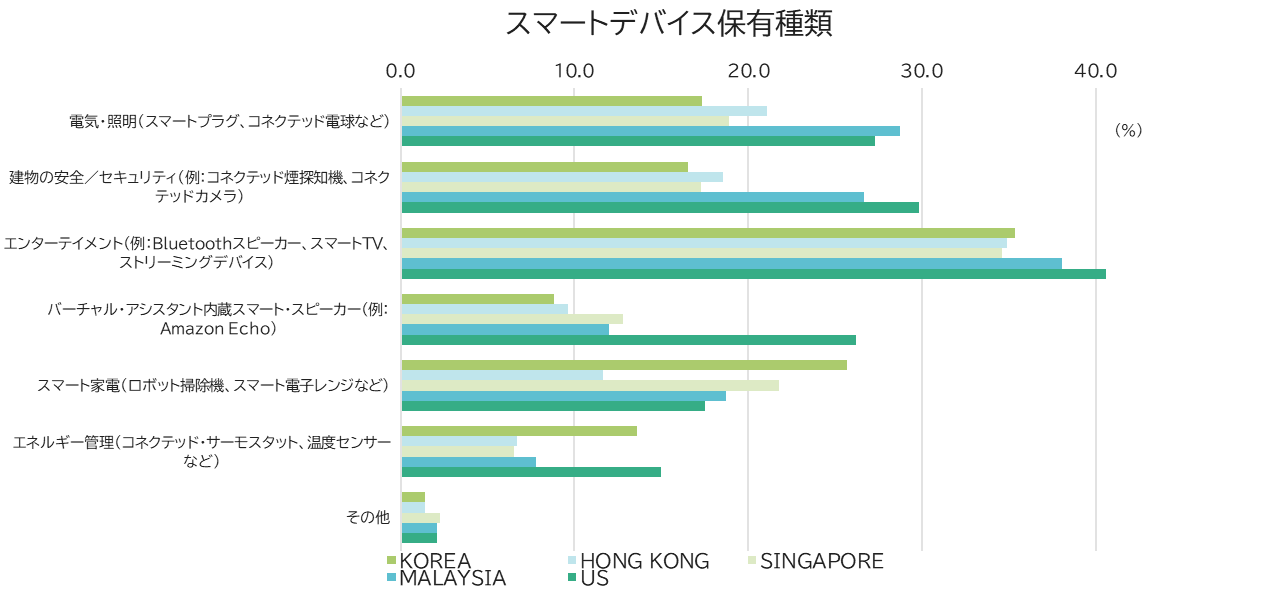
Figure 2: Smart Home Devices Owned by Households (MA)
Source: Intage Global Viewer (2025)
4. Interest in Adopting Smart Home Technology
In the previous section, we examined the current penetration rates; what about future adoption intentions? Among the five target countries, Malaysia and the United States show relatively higher adoption intentions compared to the other three countries. Although not shown in the data, it has been found that adoption intentions in the five target countries tend to be lower than in countries where the smart device penetration rate (Figure 1) is higher than that of the five target countries. Naturally, the degree of penetration varies depending on the level of adoption intention.
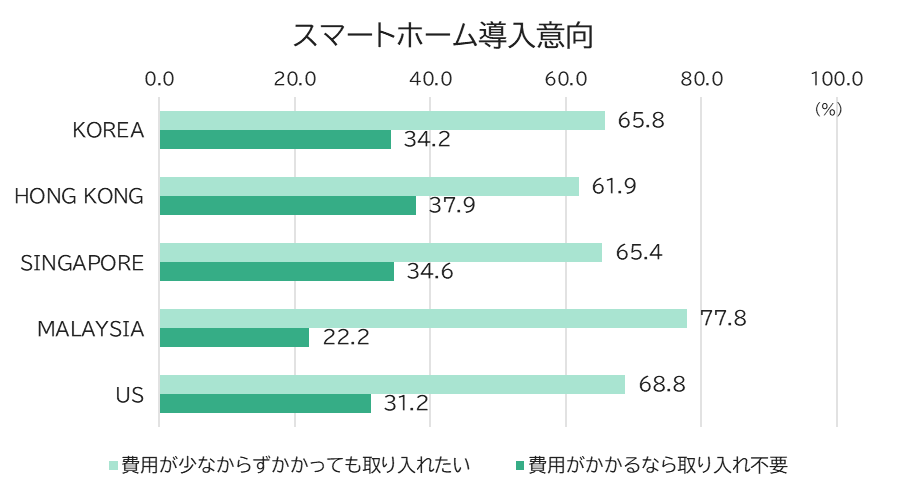
Figure 3: Intent to Adopt Smart Homes (SA)
Source: Intage Global Viewer (2025)
5. Consumer Sentiment in Target Countries
Here, we will examine consumer attitudes to assess the potential for future adoption in the target countries.
<Attitudes Toward Technology and Innovation (Figure 4)>
The data in Figure 4 reveals varying levels of receptiveness to technology and IT across countries. These countries can be grouped as follows:
A) South Korea, Hong Kong, Singapore:
Scores for responses such as “I am familiar with the latest technology trends” and “I believe the evolution of IT has a significant impact on daily life” are lower than the average (including countries outside the five target nations).
B) Malaysia, United States:
Scores for responses such as “I am familiar with the latest technology trends” and “I believe the evolution of IT has a significant impact on daily life” are at or above the average (including countries outside the five target nations).
<Attitudes Toward Smart Homes (Figure 5)>
In Malaysia and the U.S., where sensitivity to technology was at or above the average in Figure 4, scores for “helps save money” and “importance of making homes environmentally friendly” were higher compared to the other three countries. It appears that people in Malaysia and the U.S. perceive these benefits from smart homes.
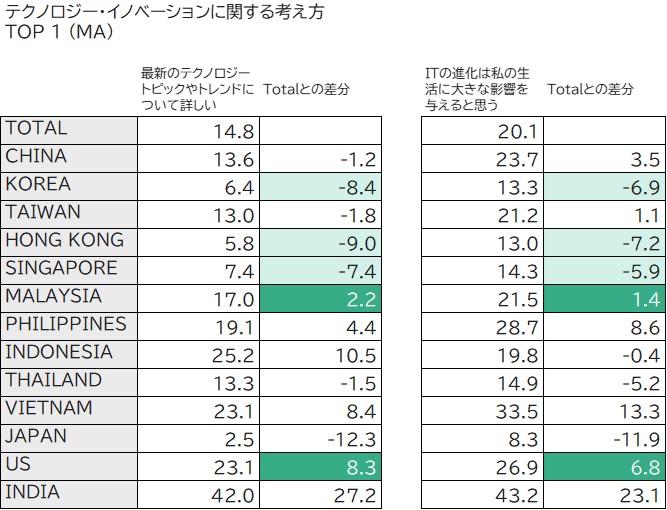
Figure 4: Perspectives on Technology and Innovation - TOP 1 (MA)
Source: Intage Global Viewer (2025)
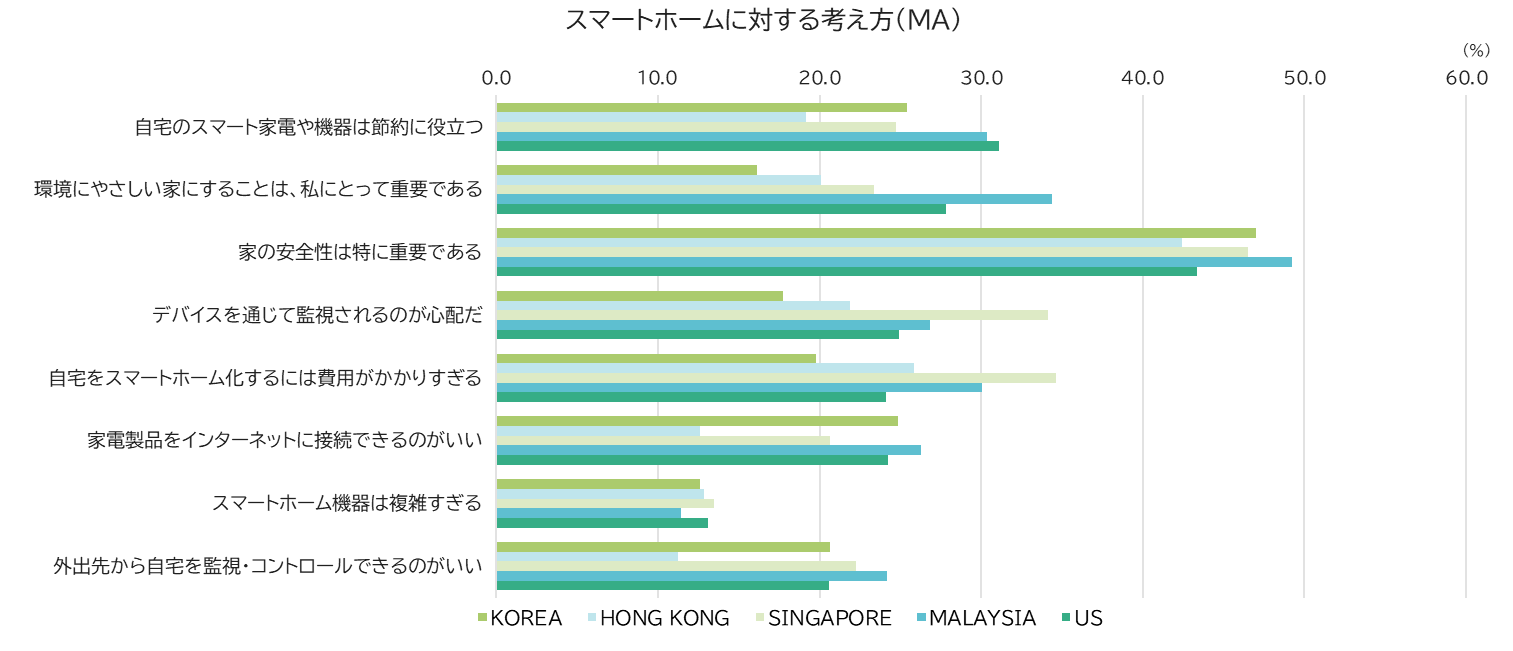
Figure 5: Attitudes Toward Smart Homes (MA)
Source: Intage Global Viewer (2025)
On the other hand, in South Korea, Hong Kong, and Singapore, where sensitivity to technology and innovation is relatively low, there appears to be a need to educate consumers about smart device technology trends and their benefits. In these markets, communicating benefits such as “helping to save money” and “creating an eco-friendly home”—which were highlighted in Malaysia and the U.S.—could serve as a useful approach.