Click here for the original English text
目次
1. Introduction

Here, we’ll take a look at the growing light-based beauty market (mild cosmetic procedures) in China, which is gaining popularity among young people and men.
2. What Is Light-Based Aesthetic Medicine?
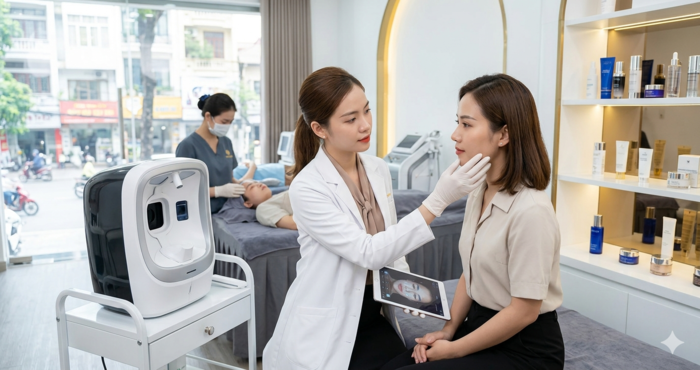
First, let’s discuss light-based aesthetic medicine (minimally invasive aesthetic treatments). Light-based aesthetic medicine refers to a program of aesthetic treatments primarily involving non-surgical procedures, characterized by minimal physical strain and short recovery times. It primarily uses injections and light-based technologies to improve skin condition and prevent aging. These treatments are low-risk, provide immediate results, and are easily repeatable.
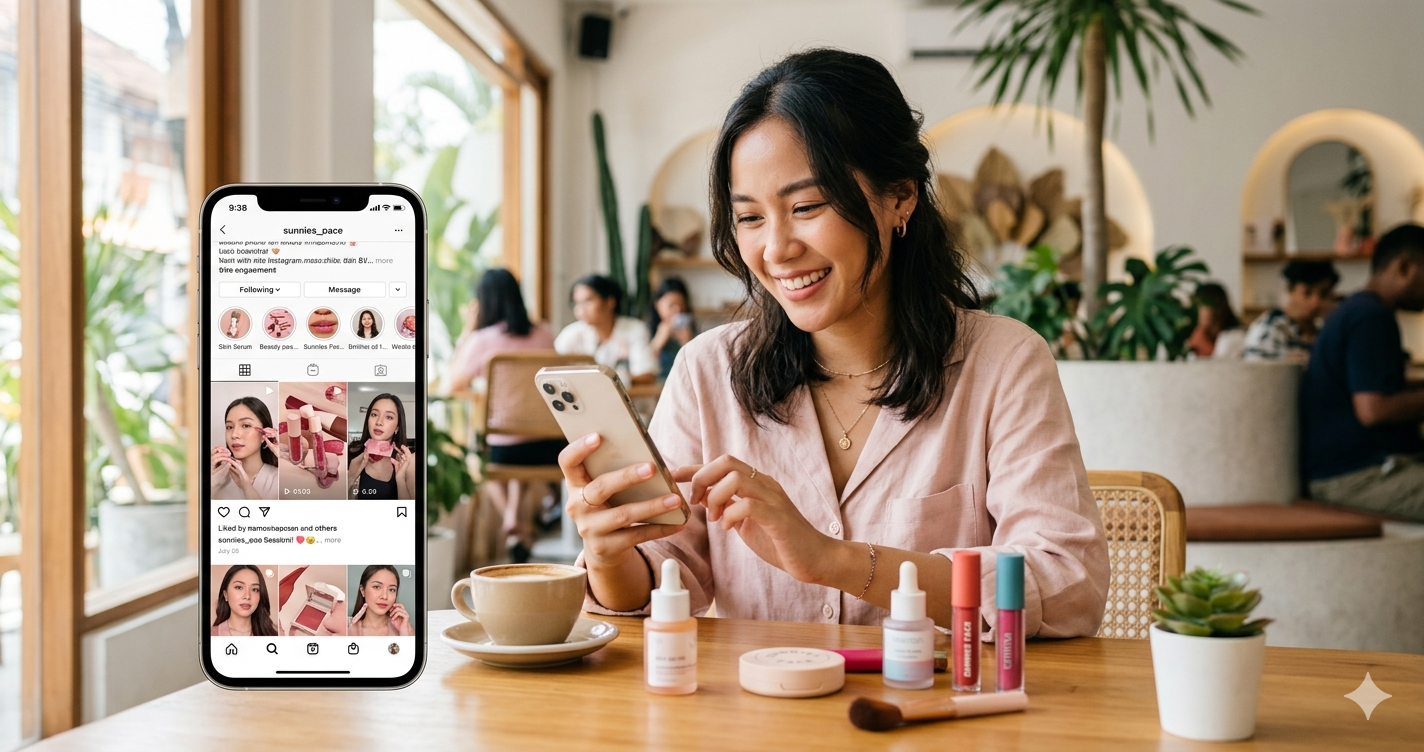
Driven by the recent “appearance economy” and the influence of social media, consumer demand for “natural beauty” and “immediate results” has been growing, rapidly fueling the spread of light-based aesthetic medicine.
3.Popular Light Aesthetic Medicine Program
We analyze trends in popular light-based aesthetic treatments in China based on data.
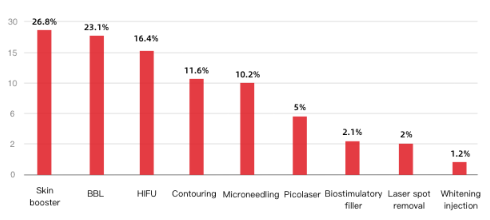
According to the data, there is a clear trend toward “entry-level, minimally invasive treatments” in aesthetic medicine, and programs such as “skin boosters” and BBL/IPL treatments—which have a low barrier to entry and short recovery periods—are the most popular. These treatments serve as the primary gateway for many first-time consumers.
*Data source: Endata, 2025
4.Consumer Profile: Females remain as the absolute majority, while youth and males emerge as core incremental
Next, we will conduct a demographic analysis based on factors such as gender and age.
As shown in the figure below, demographic analysis reveals a clear trend in aesthetic medical treatments, with a noticeable shift toward younger demographics. In particular, men’s willingness to invest in aesthetic treatments is growing rapidly, with a focus on procedures such as wrinkle reduction, anti-aging, fine-tuning, and fillers; the growth potential in this segment is considered higher than that for women. On the other hand, women continue to focus on basic skincare, including skin boosters and light therapy.
Meanwhile, aesthetic light therapy is rapidly gaining traction among younger demographics. During busy periods, such as the season following university entrance exams, the number of student visits increases, helping to solidify the concept of “early anti-aging.”
2025 Aesthetic medicine consumer age 2025
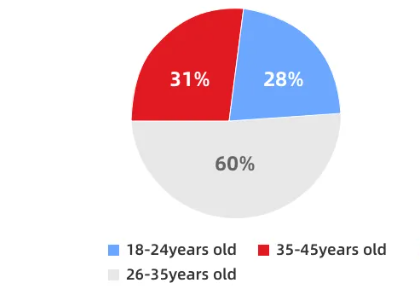
*Data source: China Report Hall, 2025
Percentage of males planning to spend more on aesthetic medicine in 2024
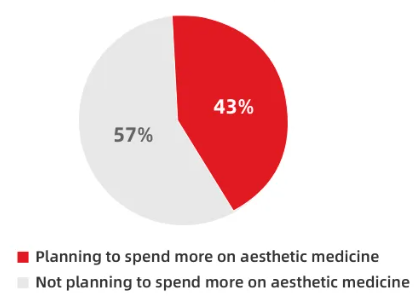
*Data source: Deloitte China, 2025
Popular aesthetic medicine programs for male
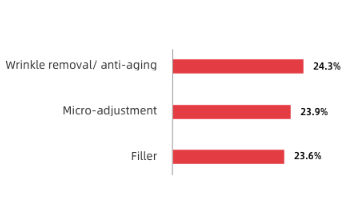
*Data source: Deloitte China, 2025
5.Outbound aesthetic medicine trend: Coexistence of globalization and rationalization
Finally, I would like to discuss the trend of traveling abroad for cosmetic medical treatments.
Generally speaking, outbound medical tourism for aesthetic medicine programs is mainly driven by technology perception, service experience, and price disparities, showing attraction to some high-end and reconstructive needs. However, its growth potential is constrained by high cost, inconvenience in time & schedule, and limited after-sales warrant.
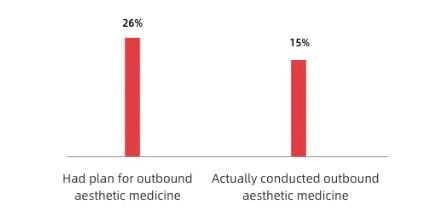
With the improvement in domestic light aesthetic medicine capability, demand for overseas treatment is gradually becoming more rational, and showing trend of returning to domestic.
Popular destinations for outbound aesthetic medicine
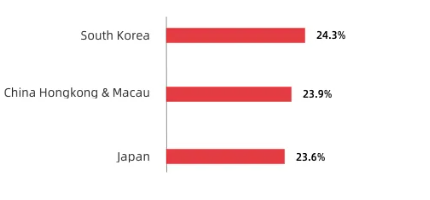
Percentage of outbound aesthetic medicine
Major reasons for seeking aesthetic medicines abroad
〇 High recognition of aesthetic medicine technology expertise and refined operations in South Korea and Japan
〇 More standardized process, privacy protection, and better communication experience
〇 Lower price for certain programs compared to domestic, offering cost-performance advantages
Barriers to outbound aesthetic medicine
High overall expenditure including medical fees + airfare/ accommodation
Needs for dedicate travel abroad, long cycle
High communication cost, not easy for follow-up treatments
Improved compliance in domestic market diverting demands
*Data source: Endata, 2025