目次
- 1. Introduction: Why Is It Important for Marketing to Understand the “Average” Korean?
- 2. Basic Profile of South Korea: A Snapshot of the Average Population Based on Population, Households, and Life Stages
- 3. Work Styles and Living Infrastructure: High Proportion of Professionals, Long Working Hours, and High Level of Digital Penetration
- 4. South Koreans’ Values in Daily Life: A Society That Values Speed, Efficiency, and Exceeding Average Standards
- 5. South Koreans’ Consumption Values: A Combination of Health, Beauty, Value for Money, and Trends
- 6. The Reality of South Korea’s Gen Z: 4 Reasons Behind Common Trends
- 7. Characteristics of Purchasing Behavior: Social media is a channel for “purchase engagement” rather than “information gathering”
- 8. Summary: Understanding Korean Consumers from the Perspectives of Both the Average Profile and Trends
1. Introduction: Why Is It Important for Marketing to Understand the “Average” Korean?
South Korea is one of the most accessible overseas markets for Japan. Through K-pop, Korean dramas, K-beauty, and Korean food, opportunities to experience Korean trends are increasing even in Japan. On the other hand, to conduct marketing that resonates with local consumers, it is essential not only to follow trends but also to understand the “average lifestyle” and “foundational values” of Koreans.
As Japan’s neighbor, South Korea is a market with deep ties in terms of cultural, economic, and people-to-people exchanges. However, when examining actual consumers, we find a consumption landscape that differs from Japan’s, shaped by factors such as a declining birthrate, later marriage, smaller household sizes, urban concentration, digitalization, and the “Paruri Paruri culture” that prioritizes speed.
In this article, based on Intage’s overseas consumer data sets—“Global Viewer” and “Consumer Life Panorama”—as well as research reports, we will outline the basic profiles of South Koreans, their work styles, lifestyle values, consumption values, Generation Z trends, and social media purchasing behavior. As a first step toward understanding the South Korean market, we will begin by examining the profile of the “average South Korean.”
2. Basic Profile of South Korea: A Snapshot of the Average Population Based on Population, Households, and Life Stages
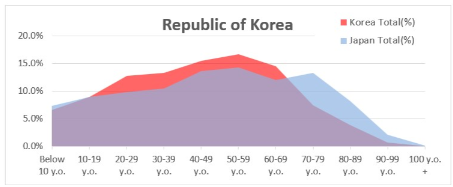
(1) The Largest Demographic Group Is People in Their 40s and 50s, While the Younger Population Is Shrinking
Looking at South Korea’s population structure, people in their 40s and 50s make up the largest demographic group. While Japan’s population is broadly distributed across those in their 40s through 70s, South Korea’s population is notably concentrated among middle-aged adults in their 40s and 50s. On the other hand, the proportion of people in their 20s and 30s is larger than in Japan, indicating that markets targeting younger and middle-aged demographics also have significant potential.
However, from those under 10 years old through those in their 40s, the population decreases as the age group gets younger. This suggests that the size of the younger demographic in the South Korean market is likely to gradually shrink in the future.
In marketing, it will be important not only to capture current trends among Gen Z and Millennials but also to design strategies that increase average customer spend and brand loyalty, based on the assumption of future population decline.
For more details, please refer to the data here.
(2) South Korea: The Lowest Birth Rate Among OECD Member Countries, with High Ages for First Marriage and Childbirth
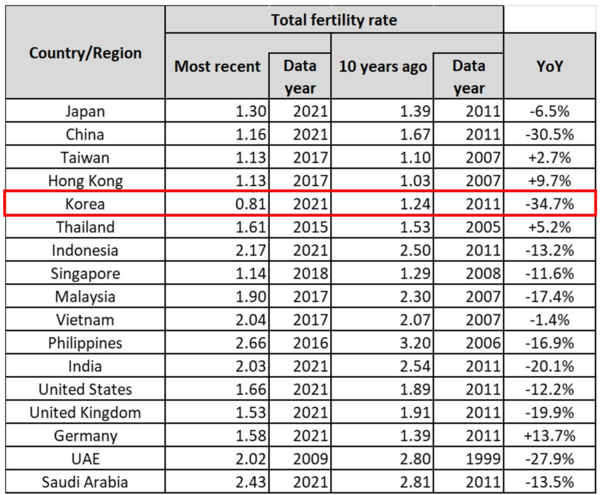
When seeking to understand the South Korean market, it is essential to consider the declining birth rate and the trend toward later marriage. South Korea’s total fertility rate stands at 0.81, which is lower than Japan’s 1.3—a country often cited for its low birth rate. This is the lowest figure among the 38 member countries of the OECD (Organization for Economic Cooperation and Development), and South Korea is the only country with a rate below 1. Furthermore, the rate has declined significantly compared to 10 years ago, making South Korea one of the countries in East Asia experiencing the most rapid decline in birth rates.
In addition, the timing of marriage and childbirth is also shifting later. The average age at first marriage in South Korea is 33.2 years for men and 30.8 years for women, which is higher than the Japanese averages of 31.0 years for men and 29.4 years for women. Furthermore, the average age at first childbirth for women is 33.4 years, exceeding Japan’s average of 31.9 years.
These changes in life stages also influence consumer behavior. While spending related to marriage and childbirth is occurring later in life, the periods spent as singles or in two-person households are lengthening. Consequently, opportunities for spending on beauty, hobbies, dining out, cafes, travel, and self-investment are likely to increase.
For more details, please refer to the data here.
▶Related Data:Total fertility rate_17 countries
▶Related Data:Married rate by age and sex_Republic of Korea
▶Related Data:Mean age of first marriage by sex
▶Related Data:Mean age at childbearing_17 countries
(3) Small households are the norm, with households of 1 to 3 people accounting for about 80 percent
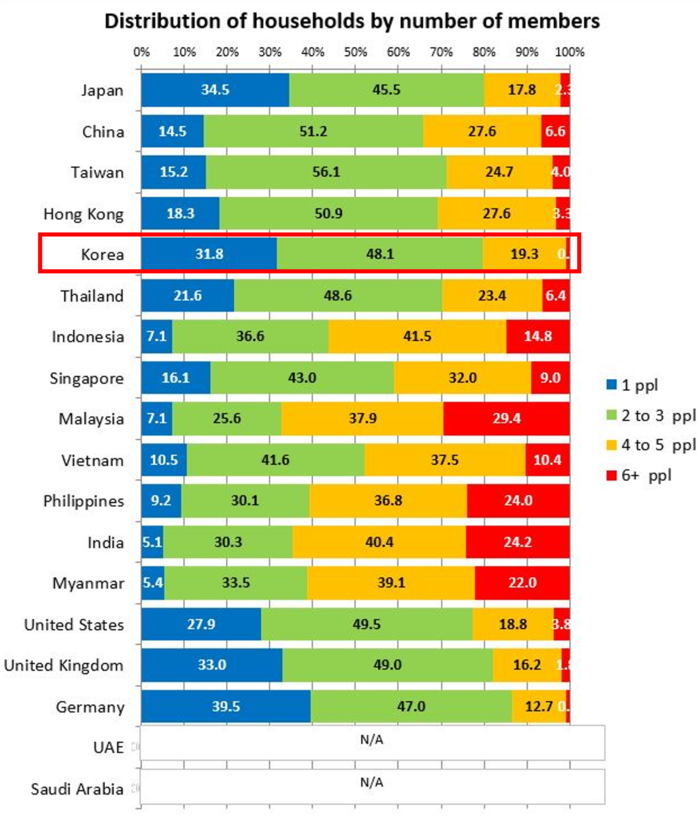
The trend toward smaller households is also gaining momentum in South Korea. According to Global Market Surfer’s data on average household size, South Korea is listed as a country where the average household size has decreased by more than 10% compared to past data. The average household size is 2.53 people, with 48.1% consisting of 2–3 people and 31.8% consisting of a single person; households with 1–3 people alone account for about 80%.
This demographic structure has a direct impact on consumer demand for daily necessities and food. There is a strong market for products and services tailored to small households, such as single-use portions rather than large quantities, individual-serving meals, time-saving cooking methods, compact storage solutions, and appliances and services designed for small households. Furthermore, the rise in single-person households is expected to drive growth in dining out, ready-to-eat meals, food delivery, convenience store sweets, and café visits.
For more details, please refer to the data here.
▶Related Data:Average household size_14 countries
▶Related Data:Distribution of households by size (number of members)_16 countries
(4) High-Density Urban Life, with Half the Population Concentrated in the Seoul Metropolitan Area
When considering the profile of consumers in South Korea, the density of urban life is also an important perspective. According to basic data from the Ministry of Foreign Affairs, South Korea’s population is approximately 51.77 million*1, of which about 26 million*2 live in the Seoul Metropolitan Area—that is, Seoul, Gyeonggi, and Incheon—meaning nearly half the population is concentrated in the metropolitan area.
In this high-density urban environment, residents are surrounded by numerous options. Cafes, convenience stores, drugstores, delivery services, public transportation, and cashless payment methods are all readily available, creating an environment where people can immediately obtain what they need.
*1 Ministry of Foreign Affairs, Basic Data on the Republic of Korea https://www.mofa.go.jp/mofaj/area/korea/data.html
*2 Asia Daily
https://japan.ajunews.com/view/20240214110201781
For more details, please refer to the data here.
▶Related Data:Population density by cities_17 countries
3. Work Styles and Living Infrastructure: High Proportion of Professionals, Long Working Hours, and High Level of Digital Penetration
(1) A high proportion of professionals, and working hours are slightly longer than in Japan
Looking at the occupational composition, South Korea is characterized by a high proportion of professionals at 21.7%. This is higher than Japan’s proportion of 15.0%, indicating a labor market with many people engaged in knowledge-intensive and highly specialized occupations such as IT, semiconductors, engineering, automotive manufacturing, and fintech.
Furthermore, the average weekly working hours in South Korea are 37.9 hours, which is slightly longer than Japan’s 36.6 hours.
For more details, please refer to this data.
▶Related Data:Employment distribution by occupation
(2) Women’s Labor Force Participation Rate and Changes Across Life Stages
South Korea’s female labor force participation rate stands at 53.7%, which is roughly on par with Japan’s rate of 53.5%. Furthermore, similar to Japan, it follows an “M-shaped curve,” peaking in the late 20s, then declining before rising again. This indicates that life events such as marriage, childbirth, and child-rearing influence work patterns and consumer behavior.
In marketing, it is important to identify the distinct needs associated with each life stage—such as working women, women raising children, and women returning to the workforce. Time-saving appliances, convenient foods, beauty and health care, and children’s education-related services are areas that can be easily categorized within this context.
For more details, please refer to this data and article.
(3) Internet Penetration Rate of 94%: Digitalization of Daily Life Is the Norm
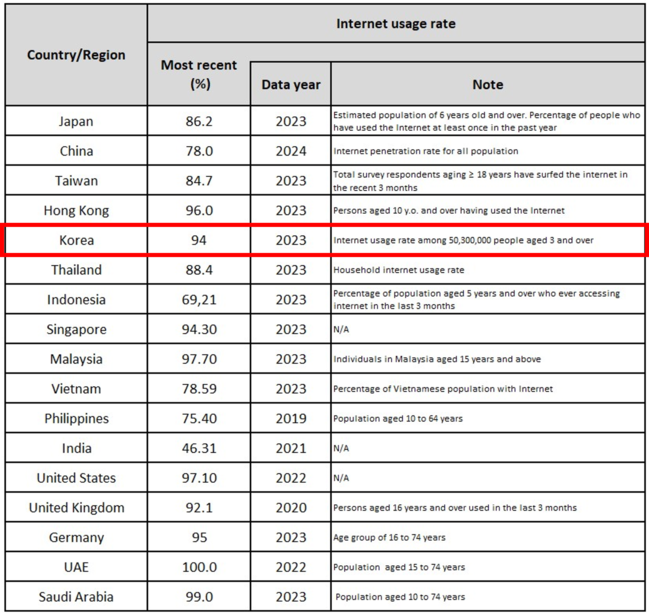
In South Korea, the internet penetration rate stands at 94%, surpassing Japan’s 86.2%, and the digitalization of daily life is well underway.
This high level of digital penetration is reflected in everyday consumer behavior. Touchpoints where consumers interact with products and services—such as cashless payments, kiosk ordering, e-commerce, same-day and next-day delivery, and purchases via social media—are becoming increasingly digital. In the South Korean market, finding information online, paying via mobile, and receiving products quickly have already become commonplace daily activities.
Therefore, in marketing, it is crucial to design the customer journey—from awareness to purchase—to be as short and intuitive as possible. Whether product descriptions, reviews, promotions, the “Buy” button, and shipping information are seamlessly connected will be a key factor in determining the purchase rate.
For more details, please refer to the data and articles here.
▶Related Data:Internet usage rate_17 countries
▶Related Articles:What does the future hold for the growing adoption of smart devices?
4. South Koreans’ Values in Daily Life: A Society That Values Speed, Efficiency, and Exceeding Average Standards
(1) The “Palri Palri Culture” Is Accelerating Daily Life and Services
One of the key concepts for understanding Korean consumers is the “Palri Palri Culture.” “Palri Palri” means “quickly, quickly” in Korean, and in Korean society, swift decision-making and efficiency tend to be highly valued.
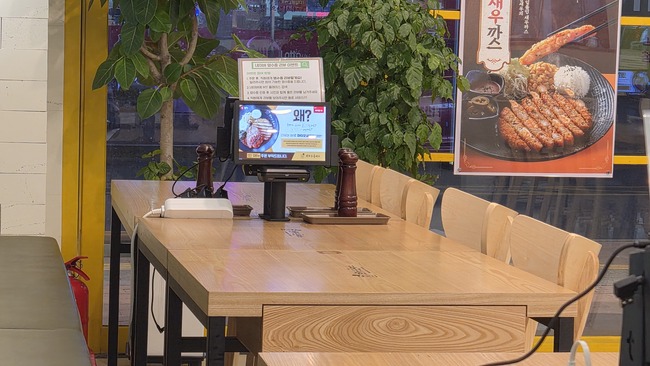
This value is reflected in various aspects of daily life. Systems designed to reduce waiting times and effort—such as cashless payments, kiosk ordering, same-day and next-day delivery, early-morning delivery, and public transportation arrival prediction systems—have become deeply ingrained in daily life.
In marketing as well, benefits such as “fast,” “easy,” “easy to understand,” and “delivered immediately” hold strong value in the Korean market. Conversely, experiences involving complicated procedures, lengthy explanations, unclear benefits, or slow responses are likely to lead to consumer churn.
For more details, please see this article.
(2) Competitive Spirit and the Desire to Be “Above Average”
In South Korea, a strong competitive spirit is also a key factor in understanding consumers. Koreans are said to have a “highly competitive spirit” and a “reluctance to lose,” which leads to a desire to be seen as “above average” in terms of education, appearance, and possessions.
This value system is also linked to their interest in beauty, fashion, and self-care. In South Korea, adopting trendy items and brands can serve not only to present oneself in a favorable light but also as a way to keep up with those around them. In the beauty sector in particular, there is a strong demand for improving skin condition, enhancing a sense of cleanliness, and naturally enhancing one’s appearance.
In marketing, appeals focused on “looking naturally sophisticated,” “appearing put-together,” or “becoming a version of yourself that’s above average” may resonate more effectively than those centered on “standing out from the crowd.”
For more details, please see this article.
(3) Emphasis on Education and Efficient Child-Rearing
In South Korea, there is a strong emphasis on education. There is a tendency to prioritize high educational attainment, skill acquisition, and mental and economic independence for children, and it has been noted that children’s rooms are sometimes set up as study spaces.
At the same time, external services such as daycare centers are utilized in actual child-rearing practices. In other words, South Korea is a country that, while holding values that prioritize education, does not rely solely on the family but incorporates institutional systems and services to raise children efficiently.
This perspective can be applied not only to education-related services but also to children’s food, school supplies, living environments, home appliances, housekeeping services, and childcare support services. Products and services that alleviate parental anxiety, support children’s growth, and are efficient to use are likely to be well-received.
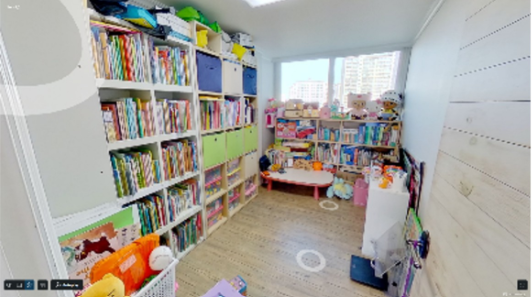
Photo: Children's Room in South Korea
Source: Intage Consumer Life Panorama
What is Consumer Life Panorama?
This is a website-type database that has accumulated visual data on more than 1,000 sei-katsu-sha from 18 countries around the world. The database includes many 3D models of living environments and 2D data of items owned by each sei-katsu-sha, and is useful for understanding overseas sei-katsu-sha, which is difficult to grasp using only letters and numbers.
Using visual data such as those cited in this column,
Compare the differences in the attributes of overseas consumers
To get a realistic understanding of the actual usage of each category
To understand the overall lifestyle of target consumers
etc., can be utilized as a “no-go” home visit survey.
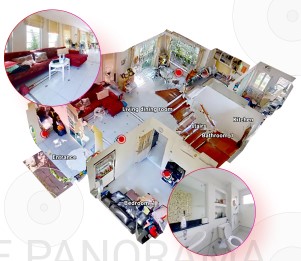
For more details, please see this article.
5. South Koreans’ Consumption Values: A Combination of Health, Beauty, Value for Money, and Trends
(1) Health Is Linked to “Beauty”
Health consciousness in South Korea is strongly linked to beauty consciousness. In South Korea, there is a strong desire to “stay young forever” and a belief that “beauty equals health.” As interest in health and wellness grows, health needs related to beauty—such as skin and body health and weight management—are becoming increasingly prominent.
Therefore, when promoting health-related products and services, it is not enough to simply convey that they are “good for the body.” For South Korean consumers, health is linked to maintaining youthfulness, good skin condition, body shape, a sense of cleanliness, and a look that reflects their true selves.
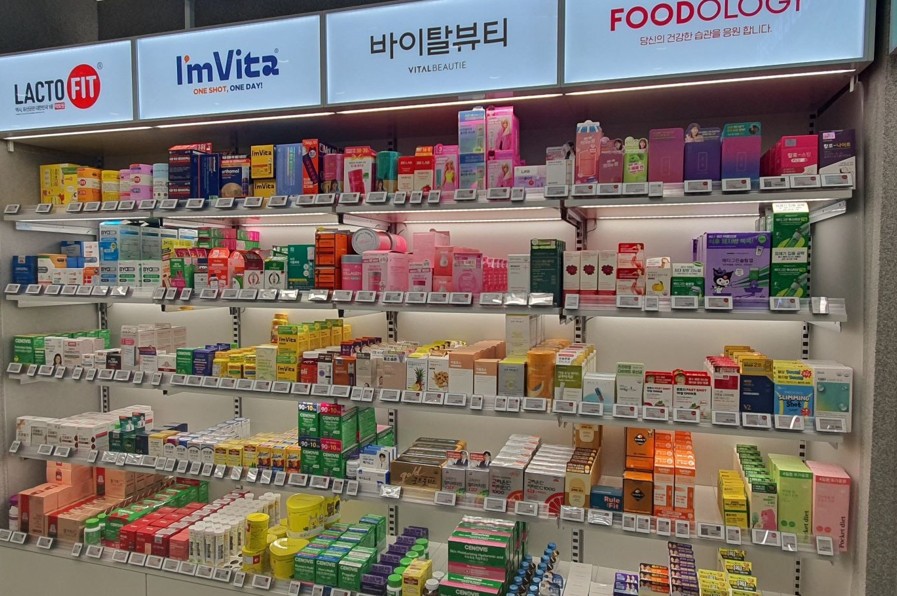
For more details, please see this article.
(2) Interest in Low-Calorie, Sugar-Free, and Ingredient-Managed Products
In South Korea’s food consumption, striking a balance between “taste” and “health” is crucial. While “good taste and flavor” are the top priorities when choosing snacks, there is also a growing trend toward prioritizing health considerations. In particular, interest in health-related factors such as “low-calorie” and “organic” appears to be higher than in Japan.
Furthermore, approximately 30% of people are conscious of limiting their intake of carbohydrates, salt, sugar, and artificial additives in their diets, indicating a relatively high level of interest in ingredient management.
Therefore, when launching food and beverage products in the South Korean market, it is important to combine elements such as “delicious,” “enjoyable,” “easy to stick with,” and “visually appealing,” rather than simply focusing on “being good for your health.” It is also key to position zero-sugar and low-calorie products not as “health products that require self-denial,” but as “trendy products that consumers can enjoy choosing.”
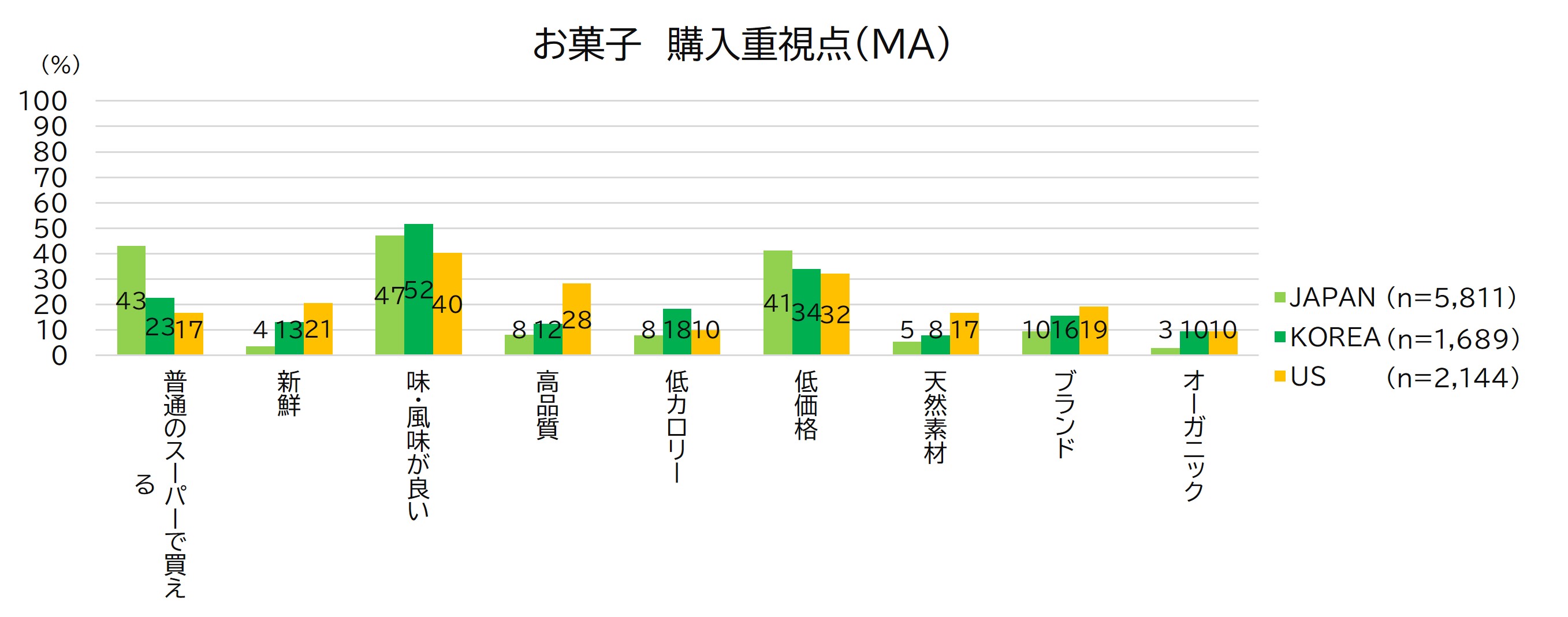
Figure 1: Japan, South Korea, and the United States: Purchase Priorities for Confectionery and
Jam Categories Among Buyers in the Past Month (Multiple Choices)
Base: Men and women aged 18–64 in each country who purchased either confectionery category
Source: INTAGE Global Viewer (2025)
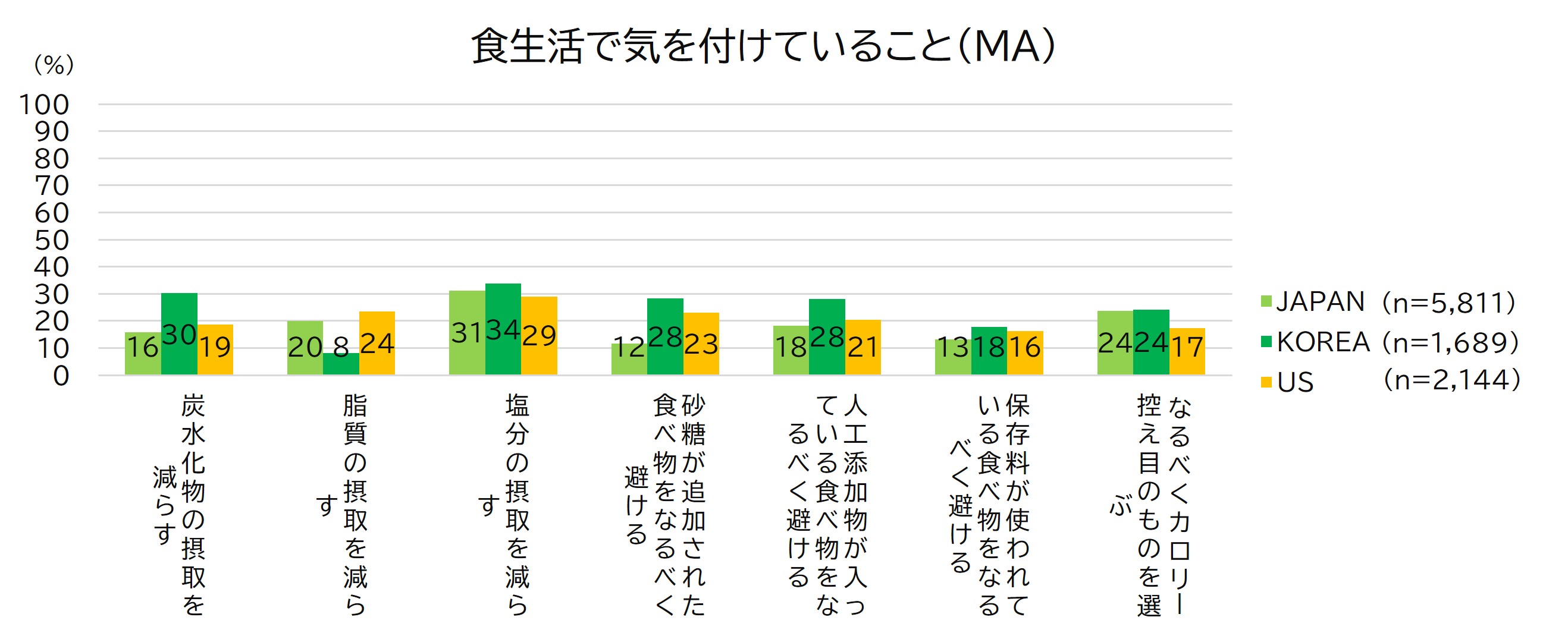
Figure 2: Japan, South Korea, and the United States: Dietary Concerns Among Snack Purchasers
in the Past Month (Multiple Choices)
Base: Men and women aged 18–64 in each country who purchased any snack category
Source: INTAGE Global Viewer (2025)
Accelerate decision-making with smart overseas resident data
Global Viewer
This service provides reports tailored to your issues using questionnaire data on various actual conditions and attitudes of sei-katsu-sha in 11 countries (Asia and US) stocked by INTAGE.
The service covers 400 items, including actual behavioral conditions and awareness, values, and information contact related to various product and service categories.
For more details, please see this article.
(3) A Mature Market Where Men’s Beauty Is Becoming Part of Daily Life
When discussing the South Korean beauty market, men’s beauty is an essential topic. Compared to men in China and Taiwan, South Korean men have a higher rate of using skincare and makeup products; in addition to toners, lotions, serums, and sunscreen, they also use makeup items such as BB cream and lip gloss.
However, rather than applying heavy makeup, men’s beauty in South Korea focuses on “refining the skin and enhancing a clean, fresh appearance.” Natural makeup that creates this impression, as well as products that bridge the gap between skincare and makeup—such as toning lotions and tinted lip balms—are also gaining popularity. When promoting men’s beauty products, it is more effective to frame them in terms of “self-care,” “a clean, fresh appearance,” “business grooming,” and “naturally refining the skin” rather than simply “makeup.”
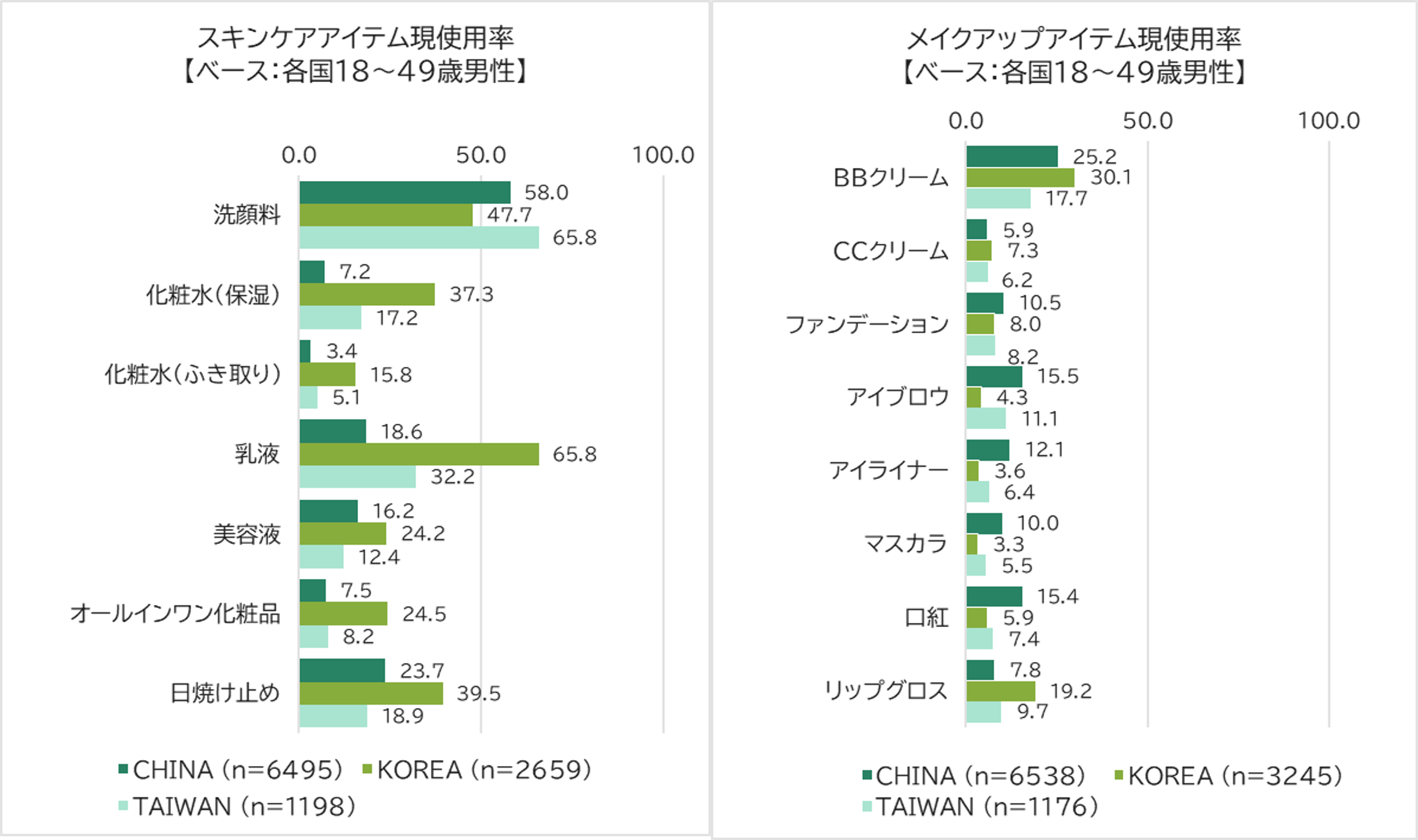
Figure 3: Skincare Product Usage Rates Among Men Aged 18-49
in China, South Korea, and Taiwan (Left)
Figure 4: Makeup Product Usage Rates Among Men Aged 18-49
in China, South Korea, and Taiwan (Right)
Source: INTAGE Global Viewer (2024)
For more details, please see this article.
(4) Value-for-Money Beauty and the Prominence of OLIVE YOUNG
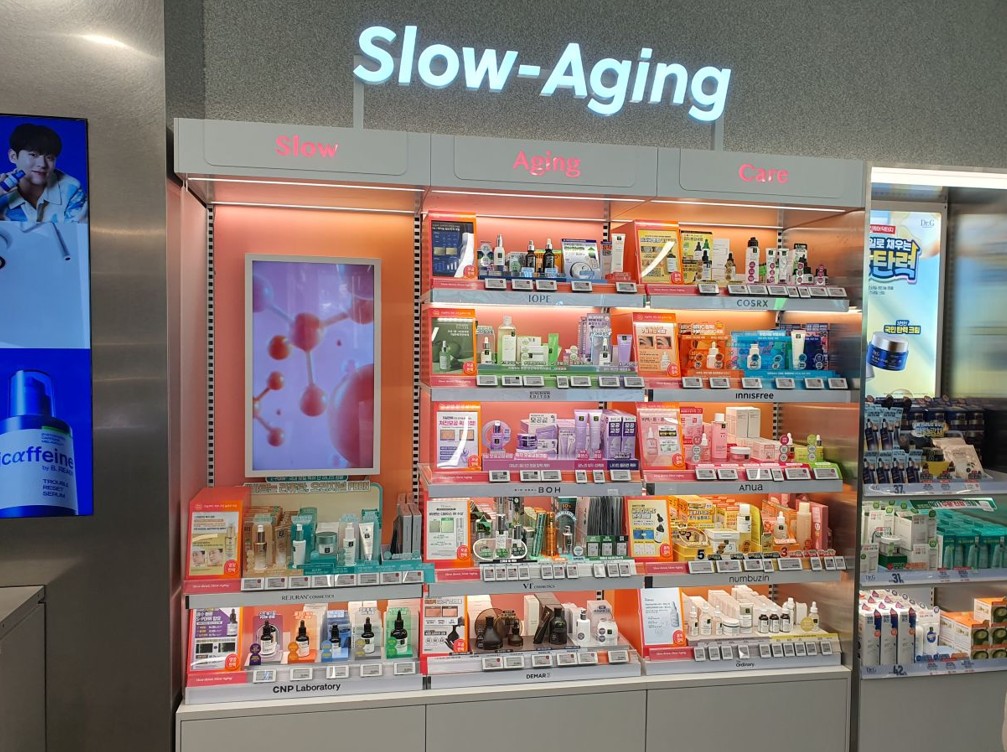
Specialty stores also play a major role in South Korea’s beauty and health market. OLIVE YOUNG (similar to “Ainz & Tulpe” in Japan, though the South Korean OLIVE YOUNG is larger in scale) is South Korea’s No. 1 health and beauty store, operating more than 1,300 locations nationwide. It has expanded its product lineup beyond cosmetics to include supplements, inner beauty products, and health foods, creating an environment where young people can easily choose health products.
On the other hand, “value-for-money beauty”—such as DAISO cosmetics, which combine high quality with low prices—has also garnered attention in recent years, and DAISO cosmetics are listed as a top trend in the 2025 South Korean trend rankings.
As such, in South Korea, there are significant opportunities not only for high-priced premium beauty products but also for functional products at accessible prices that are likely to become viral on social media.
For more details, please see this article.
6. The Reality of South Korea’s Gen Z: 4 Reasons Behind Common Trends
Looking at trends among South Korea’s Gen Z, a variety of items are gaining attention, including café drinks, mini bags, zero-sugar products, keychain-style cosmetics, and social media-inspired sweets.
At first glance, these may seem like trends in different categories, but upon closer inspection, four common values have emerged as their underlying foundation.
① They must be easy to incorporate into daily life.
② They must complement fashion and appearance, blending in seamlessly.
③ The ability to naturally and enjoyably incorporate values such as health and the environment.
④ The ability to express one’s individuality while staying on top of trends.
As such, for products and services targeting South Korea’s Gen Z, simply enhancing functionality is not enough. The spread of a trend is driven by consumers feeling that a product is “easy to use,” “something they want to carry with them,” and “a good fit for who they are right now.”
(1) A strong trend toward convenience and natural integration into daily routines
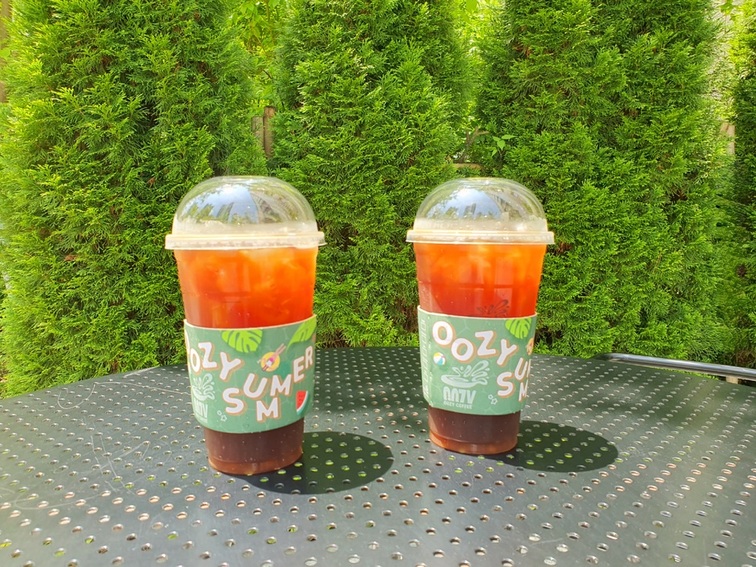
One common feature of trends popular among South Korea’s Gen Z is that they naturally fit into their daily routines. In South Korea, café culture is deeply ingrained in daily life, and for Gen Z, beverages are more commonly purchased at cafés than bought in plastic bottles.
Furthermore, the expansion of low-price coffee chains has led to a growing habit of drinking Americano on a daily basis. In South Korea, a Venti-sized (approx. 590 ml) Americano sells for 1,500 to 2,000 won (approx. 160–210 yen) per cup. The convenience of being able to easily enjoy freshly ground coffee has driven a rapidly spreading culture of drinking Americano “instead of tea.” The Korean-style Americano is made by diluting espresso with water, resulting in a crisp, refreshing flavor. Because it’s so easy to guzzle down, it’s not uncommon for people to drink several cups a day. Furthermore, cafes have evolved beyond mere places to buy drinks; they have become living spaces that serve multiple purposes, such as socializing with friends, studying, working, taking a break, and posting on social media.
Similarly, keychain-style cosmetics and portable supplements are popular precisely because they’re easy to use in daily life. Their convenience—being ready to use whenever needed, easy to carry attached to a bag or smartphone, and simple enough to maintain consistently—is driving the growth of these trends among South Korea’s Gen Z.
For more details, please see this article.
(2) Emphasis on Appearance and Fashion, Not Just Functionality
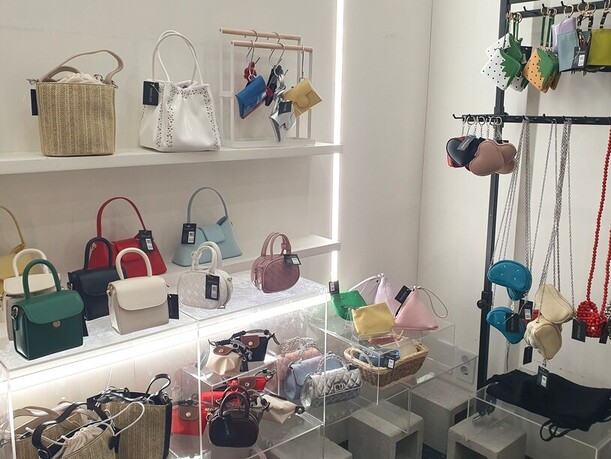
For South Korean Gen Z consumers, appearance and how well a product fits with their personal style are just as important as functionality. For example, while South Korean Gen Z is certainly not lacking in environmental awareness, the usage rate of reusable water bottles and tumblers tends to be low in the beverage sector. This trend is driven by the popularity of mini bags. With a preference for carrying only the bare essentials—such as card-sized wallets and lipstick—reusable bottles are perceived as bulky and something that disrupts a fashion-forward look.
On the other hand, keychain-style cosmetics and small portable items offer not only practicality but also the “joy of showing them off.” Since they can be attached to bags or smartphones and carried around, they function as part of an outfit even before they’re used. When designing products for South Korea’s Gen Z, it’s important to consider not only performance but also size, color, texture, packaging, and how the product looks when carried.
For more details, please see this article.
(3) Health and Environmental Awareness: “Enjoying” Rather Than “Sacrificing”
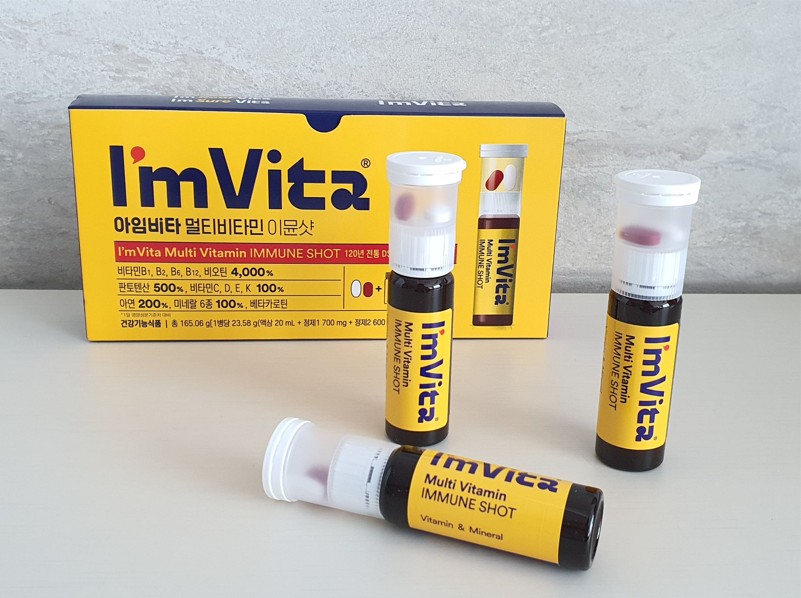
The concept of “healthy pleasure” is key to understanding the health consciousness of South Korea’s Gen Z. Since the pandemic, the number of health-conscious young people in South Korea has increased, and “healthy pleasure”—managing one’s health while having fun—has become a trend.
The reason zero-sugar beverages, low-calorie products, supplements, and inner beauty products are so popular in South Korea is that people aren’t sacrificing enjoyment for the sake of health—they’re finding ways to maintain their health while having fun. When it comes to beverages and snacks, there’s a strong emphasis on balancing “low calories” with “great taste”; in addition to being healthy, consumers seek a sense of satisfaction and a connection to current trends.
The same applies to environmental awareness: rather than simply promoting eco-friendliness, it’s important for products to be stylish, lightweight, portable, and a way to express one’s individuality.
For South Korea’s Gen Z, health and environmental issues must be designed not as “things to tackle through self-restraint,” but as “trends to embrace while having fun.”
For more details, please see this article.
▶Related Articles:[Generation Z in Asian countries] South Korea: Generation Z enjoys managing their health easily and happily
▶Related Articles:Data Reveals Generation Z Across 10 Countries: What Are the Values of the Youth Shaping the World? ~ Unraveling Generation Z Lifestyles Through Country Comparisons ~
(4) Balancing “Being True to Oneself” and “Keeping Up with the Times”
The consumption patterns of South Korea’s Gen Z reflect both a desire to express their individuality and a desire to stay on top of trends. Mini bags, keychain-style items, café drinks, and makeup in trendy colors are products that allow them to express their personal tastes while simultaneously embracing “what’s currently in style.”
For example, keychain-style items easily reflect personal preferences—such as supporting favorite idols, cosmetics, or retro aesthetics—while also serving as trendy items that provide common ground for conversation with peers. Similarly, café drinks represent a form of consumption where people can express their individuality through flavor and menu choices while participating in everyday trends.
As such, it is crucial for products targeting South Korea’s Gen Z to strike a balance between “the reassurance of what everyone else has” and “the joy of choosing what’s true to oneself.” Color variations, limited-edition designs, customization options, and compatibility with fandom activities are all elements that cater to these values.
For more details, please see this article.
7. Characteristics of Purchasing Behavior: Social media is a channel for “purchase engagement” rather than “information gathering”
(1) Influencer Posts Drive Purchases
In South Korea, social media is not merely a platform for gathering information; it is strongly linked to purchasing behavior. A comparison of the role of social media in cosmetics purchases across Japan, South Korea, and China revealed that in South Korea, approximately 45% of people have actually purchased products introduced by influencers.
This indicates that social media in South Korea serves not only as a “place to learn about products” but also as a “place to find a reason to buy.” Particularly in the beauty and cosmetics sector, influencer reviews of product performance, before-and-after photos, limited-time campaigns, and group buys all help drive purchases.
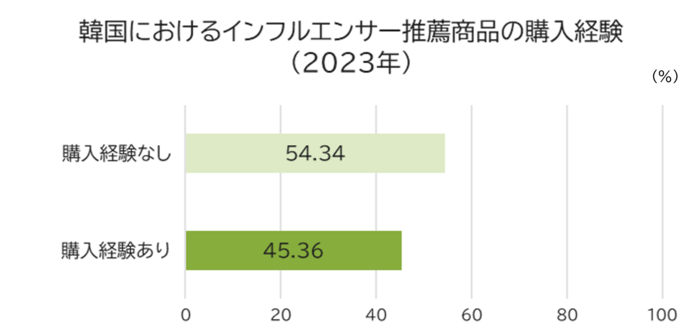
Figure 5: Experience of purchasing products recommended by influencers in South Korea (2023)
Source: <Share of people who have purchased a product endorsed by an influencer in South Korea
as of May 2023> (Source: Statista)
For more details, please see this article.
(2) Promotions that respond to rapid trend cycles are crucial
One characteristic of the South Korean market is that trends spread and change rapidly. As noted in an article on “Parli Parli” culture, while trends spread at an extremely rapid pace in South Korea, the cycle of transition to the next trend is also short, making early-stage buzz, reviews, and promotion crucial.
Therefore, generating buzz during the initial launch phase is particularly important for new and limited-edition products. A strategy that simultaneously implements multiple initiatives—such as featuring popular idols and influencers, creating visuals that are easily shared on social media, running short-term campaigns, and encouraging review submissions—is essential.
For more details, please see this article.
8. Summary: Understanding Korean Consumers from the Perspectives of Both the Average Profile and Trends
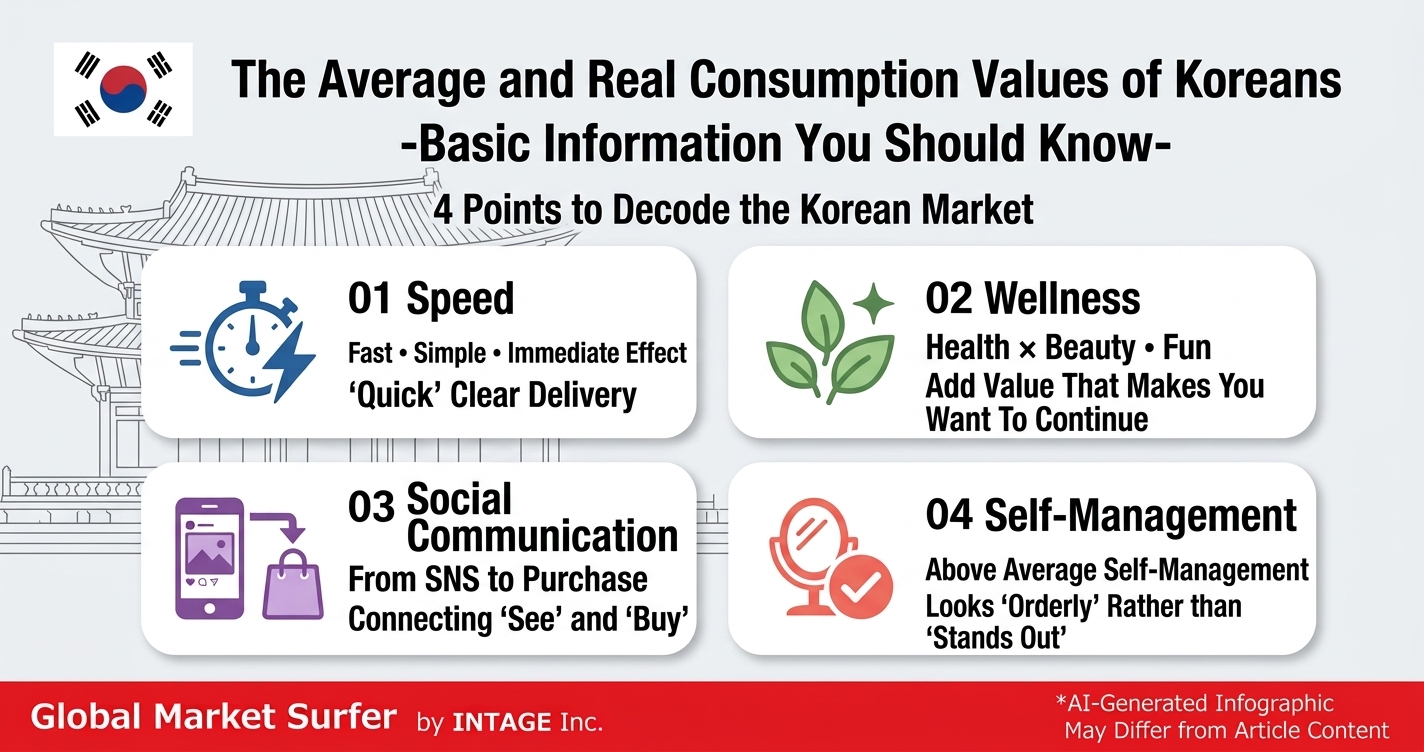
When examining the average profile of South Koreans through data, certain characteristics emerge, such as a declining birthrate, later marriage, smaller household sizes, high-density urban living, a high proportion of professionals, long working hours, and a high internet usage rate.
Furthermore, the values of South Korean consumers are reflected in the “parri-parri” culture—which prioritizes speed and efficiency—a competitive mindset that strives for above-average performance, an awareness that links health and beauty, and purchasing behavior driven by social media.
Therefore, simply following trendy products or social media trends is not enough to successfully penetrate the Korean market. It is crucial to first grasp the general profile—including demographics, household structures, and work styles—and then apply that understanding to specific lifestyle contexts such as Gen Z, beauty, health, café culture, and social media-driven purchasing.
Point 1: Clearly Communicate Speed, Simplicity, and Immediate Results
In the South Korean market, it is crucial to convey the benefits of products and services in a concise, easy-to-understand, and immediately graspable manner. It is necessary to clearly highlight the efficiency benefits consumers will gain, such as “ready to use right away,” “delivered immediately,” “easy to understand,” and “completed with a single tap.” In South Korea, where the “parri-parri” culture is deeply rooted, a sense of speed and convenience have become standard consumer expectations.
Point 2: Combine Health Claims with “Beauty” and “Fun”
When marketing health foods, beverages, or supplements, it’s important not only to convey that they’re “good for your health,” but also to combine them with values such as “becoming more beautiful,” “looking younger,” “tasting good so you can keep using it,” and “enjoying it without guilt.”
Point 3: Design Social Media Strategies to Drive Purchases, Not Just Awareness
In South Korea, social media serves as a gateway to purchases. It is essential to design a purchase path that allows viewers to buy immediately by combining influencer posts, group buying, reviews, limited-time sales, and coupons.
Point 4: Promote the Value of Self-Management That Delivers “Above-Average” Results
In South Korea, a competitive spirit and the desire to be above average are reflected in beauty, fashion, education, and consumer behavior. Rather than simply “standing out,” self-management values such as “looking put-together,” “projecting a sense of cleanliness,” “giving the impression of being well-managed,” and “keeping up with those around you” are likely to resonate more strongly.
The key to the Korean market lies in how to design “value that allows people to quickly, easily, and enjoyably elevate themselves above the average.” By understanding consumers from the dual perspectives of the “average” and current trends, you can enhance the precision of product development and communication strategies in the Korean market.