目次
1. Introduction
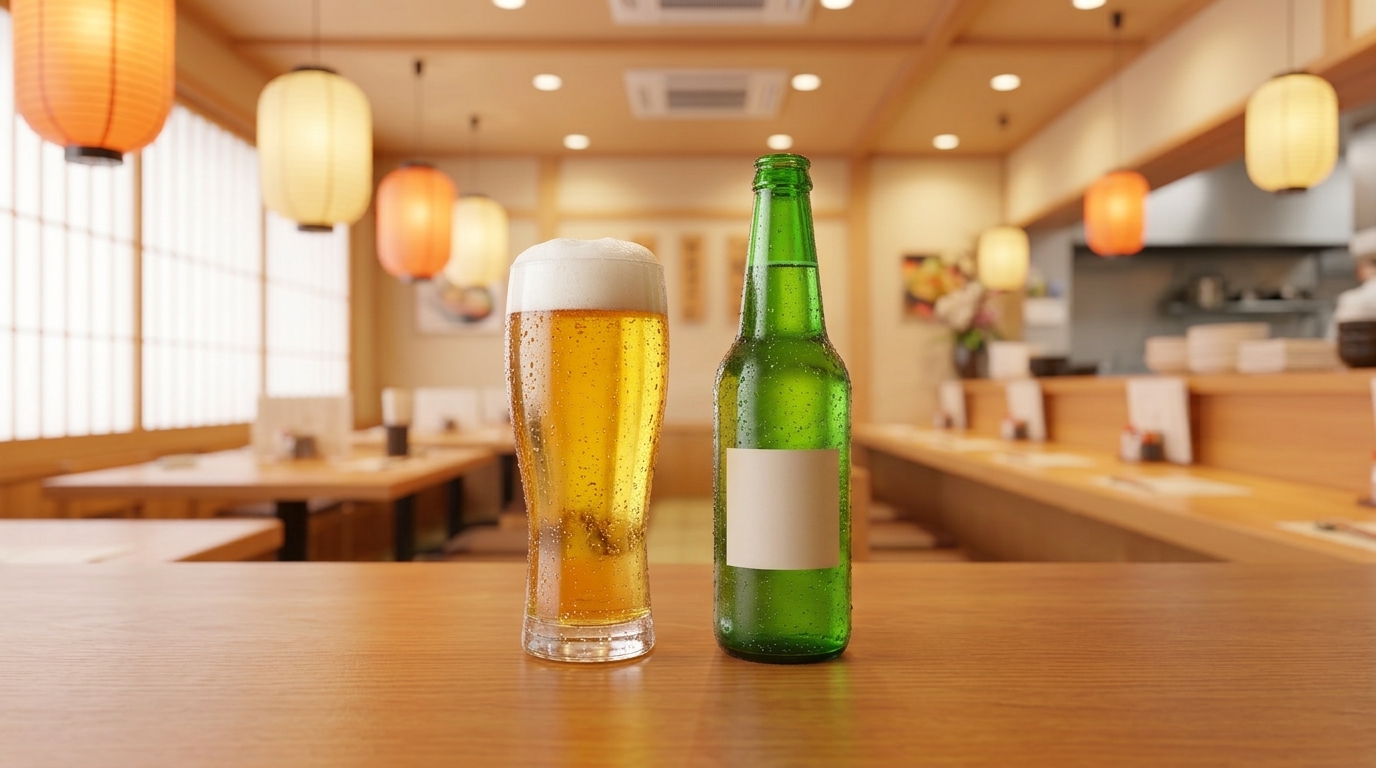
Whether it’s a drink after work, a night in on the weekend, or a toast with friends—when do you feel like having a beer? In Japan, as symbolized by the phrase “Toriage Nama (beer),” beer is a beloved staple for toasts. In addition to drinking with friends and coworkers at izakayas, many people also enjoy a beer at home at the end of the day.
So, what about overseas? Even when the country changes, is beer consumed in similar settings and at similar times as it is in Japan?
According to “Global Viewer (2025),” Intage’s database of overseas consumer data, China had the highest “beer purchase rate over the past month” among the 13 countries surveyed. At 48.3%, the purchase rate was nearly double that of Japan’s 25.9%.
In this article, we’ll focus on China and Japan—two countries located in the same region of East Asia but showing significant differences in beer purchase rates. A comparison of the two reveals differences not only in purchase rates but also in where, when, and why people drink beer. This article will explore the differences in how beer is consumed and the roles it plays in each country.
2. China and Japan: A Comparison of Attitudes Toward Alcohol
First, we will conduct a comparative analysis of attitudes toward alcohol in China and Japan.
In response to the question, “I think it’s better to be able to drink alcoholic beverages,” the combined response rate for “strongly agree” and “agree” was 32.3% in China and 36.2% in Japan, indicating that people in both countries feel similarly that it is better to be able to drink.
On the other hand, in response to the question, “Alcoholic beverages are necessary for social interaction,” 43.7% of respondents in China and 35.1% in Japan agreed, with the response rate in China being 8.6 percentage points higher.
This data suggests that more people in China than in Japan believe “alcohol is necessary for communication and social interaction.” In other words, it is possible that they place a higher value on “the necessity of alcoholic beverages in social drinking settings” than on an individual’s ability to drink alcohol.
Based on this, it can be said that in China, understanding how to enjoy beer involves not only its taste, quality, and brewing methods, but also “who you drink with” and “how you spend your time together.”

Figure 1: Question 1: I think it’s better to be able to drink alcoholic beverages /
Question 2: Alcoholic beverages are necessary for socializing (SA)
Source: Intage Global Viewer (2025)
Note: Total of “Strongly agree” and “Agree.” Respondents aged 18–64.
Accelerate decision-making with smart overseas resident data
Global Viewer
This service provides reports tailored to your issues using questionnaire data on various actual conditions and attitudes of sei-katsu-sha in 11 countries (Asia and US) stocked by INTAGE.
The service covers 400 items, including actual behavioral conditions and awareness, values, and information contact related to various product and service categories.
3. Insights Gained from Where, When, and Why People Drink Beer
In this section, we will compare “where people drink beer” and “when and why they drink beer” in China and Japan.
First, according to survey data on “where people drink beer,” Japan had the highest percentage of respondents (96.2%) who answered “at home” among the 13 countries surveyed. In contrast, in China, it is evident that people drink more often at establishments such as “restaurants (38.8%)” and “bars and pubs (23.9%)” rather than at home.
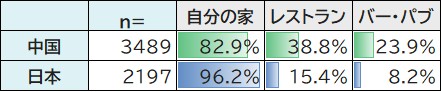
Figure 2: Places Where Beer Is Consumed [Base: Consumers in Each Category Over the Past Month]
Source: Intage Global Viewer (2025)
Next, we’ll compare “when and why people drink beer.” One particularly notable finding is that, compared to Japan, 48.9% of respondents in China drink “during meals (at restaurants),” nearly double the 29.4% in Japan, indicating that nearly twice as many people in China drink beer while dining out. Additionally, the percentage of respondents who said they drink “to strengthen friendships” was 16.9% in China—more than double the 6.7% in Japan.
On the other hand, for “after work,” the rate was 7.5% in China versus 12.5% in Japan, and for “before bedtime,” it was 5.2% in China versus 11.5% in Japan—in these cases, the response rate in Japan was nearly twice that of China.

Figure 3: Timing and Purpose of Beer Consumption (MA)
[Base: Consumers who drank beer in each category within the past month]
Source: Intage Global Viewer (2025)
Based on the figures above, it appears that in Japan, people tend to drink beer as a “reward” after a hard day’s work—such as after work or before bed—while in China, it is often consumed as a “means of socializing” when dining out or in similar settings.
4. Summary: The “Moments of Reward” and “Connections with Others” Created by Beer
So far, we have compared the differences in how beer is consumed in China and Japan. Data on drinking occasions and purposes shows that in Japan, beer tends to be enjoyed as a “reward” at the end of the day—such as after work or before bed. In China, on the other hand, a higher proportion of beer is consumed when dining out or seeking to strengthen social bonds compared to Japan, indicating that it plays a stronger role as a “communication tool” for deepening interpersonal relationships.
Of course, in Japan as well, beer is enjoyed in social settings such as toasts and dinners. However, a comparison of the data from this study suggests that in China, beer is accepted even more than in Japan as a “drink that connects people.”
By focusing on the different drinking occasions and purposes that vary from country to country, we can gain a deeper understanding of each country’s beer culture.