目次
- 1. Introduction
- 2. How Much Is India's Electric Motorcycle Market Growing?
- 3. Why Are Electric Motorcycles Booming in India? Four Reasons
- 4. Expanding Options for Electric Motorcycles as Established Manufacturers Enter the Market
- 5. Summary: India’s Electric Motorcycle Market Is Shifting from Competition Based on “Price” to Competition Based on “Overall Performance”
1. Introduction
In recent years, sales of electric two-wheelers have been growing rapidly in India. Registrations in the first half of 2026 (April–September) totaled approximately 1.122 million units, an 83% increase compared to the same period the previous year.
Why are electric two-wheelers growing so rapidly in India? In this article, we’ll examine sales trends for “e-2W” (Electric Two-Wheeler) while analyzing the four factors driving the Indian market.
2. How Much Is India's Electric Motorcycle Market Growing?
(1) Electric Two-Wheeler Registrations Up 83% Year-Over-Year
First, looking at electric two-wheeler (hereinafter “e-2W”) registrations for the first half of 2026, figures significantly exceeded those of the same months in the previous year in every month. In particular, July and September saw a 97% year-over-year increase, reaching approximately double the level of the previous year.
Furthermore, registrations in September reached approximately 207,000 units, marking a record high since April. As can be seen from these trends since 2020, India’s e-2W market has continued to expand year after year, and this momentum accelerated even further in the first half of 2026.
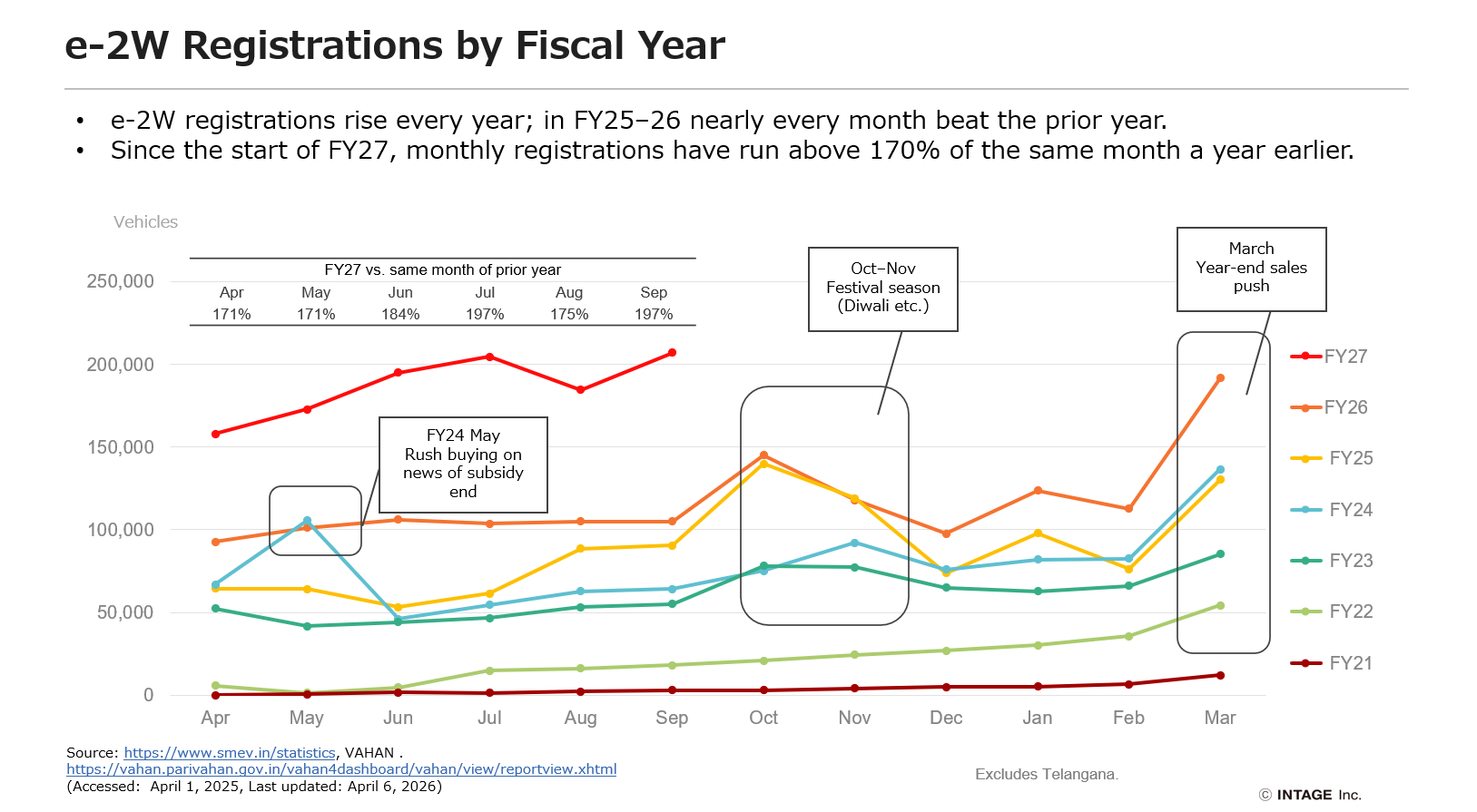
Figure 1: Annual and Monthly Trends in Registered Electric Motorcycles in India
*For detailed data and charts on India's electric motorcycle market, please see this report.
India H1 FY27Electric Two-Wheeler (e-2W) Market Review
(2) EVs Account for 10% of India’s Two-Wheeler Sales
The growth in e-2W sales cannot be explained solely by the expansion of India’s overall two-wheeler market. The share of EVs in total two-wheeler sales rose from 6.6% in 2025 to 10% in the first half of 2026. This means that approximately one in every 10 two-wheelers sold in India is now an electric model.
As this data shows, the share of the overall market—not just the number of registrations—is also increasing. This suggests that e-2Ws are no longer merely a choice for a select group of forward-thinking consumers but are gaining prominence as a common mode of daily transportation.
So, what changes were behind the significant sales growth in the first half of 2026?
3. Why Are Electric Motorcycles Booming in India? Four Reasons
The surge in e-2W sales in the first half of 2026 cannot be explained by a single reason.
In the following sections, we will examine the four factors that drove the Indian e-2W market.
(1) Reason 1: Concerns About Gasoline Supply, Price, and Quality
Starting in the spring of 2026, India began to experience instability in gasoline supply, price, and quality, leading to increased uncertainty. Below is a chronological overview of the major events.
First, in late March, lines formed at gas stations in several states. In April, gasoline was standardized to “E20,” a blend containing 20% ethanol, which sparked widespread concerns regarding fuel economy and compatibility with existing vehicles. These concerns regarding gasoline supply, price, and quality may have prompted consumers to consider alternatives to gasoline-powered vehicles.
Between May 15 and 25, gasoline prices were raised four times, with the total increase amounting to approximately 7.5 rupees (about 12.4 yen) per liter. In fact, comparing e-2W sales figures for the first half of May (66,487 units) with those for the second half (104,083 units) reveals a 57% increase. However, the increase in sales cannot be attributed entirely to the rise in gasoline prices. This is because the increase in the financial burden on households due to the price hikes was limited, and in terms of running costs, electric scooters were already cheaper than gasoline-powered models.
Thus, this series of events surrounding gasoline is thought to have not only increased short-term financial burdens but also prompted consumers to reevaluate future maintenance costs and the stability of fuel supply.
(2) Reason 2: Changes in Purchase Timing Due to the Expiration and Extension of EV Subsidies
First, under the Indian government’s EV purchase support program, “PM E-DRIVE,” subsidies for e-2Ws are set at 2,500 rupees (approximately 4,100 yen) per kWh, with a maximum of 5,000 rupees (approximately 8,200 yen) per vehicle. Initially, the subsidy for e-2Ws was scheduled to end on March 31, 2026, but it was extended until July 31. As a result, a rush of last-minute demand occurred in July just before the deadline, with over 18,000 e-2Ws registered in the final two days alone.
Subsequently, the subsidy program was suspended for about 10 days, and sales in August fell by 11% compared to the previous month. However, on August 10, it was decided to extend the program through the end of March 2028, which alleviated uncertainty about the future and led to a recovery in demand.
Furthermore, in September, the continuation of the subsidy coincided with sales promotions during the festival season, resulting in a record-high number of monthly registrations.
It should be noted that since the subsidy program itself had been in place for some time, it is not the sole factor explaining the market expansion in the first half of 2026. On the other hand, the monthly registration figures clearly indicate that the scheduled end of the program and the decision to extend it caused consumers to adjust their purchase timing.
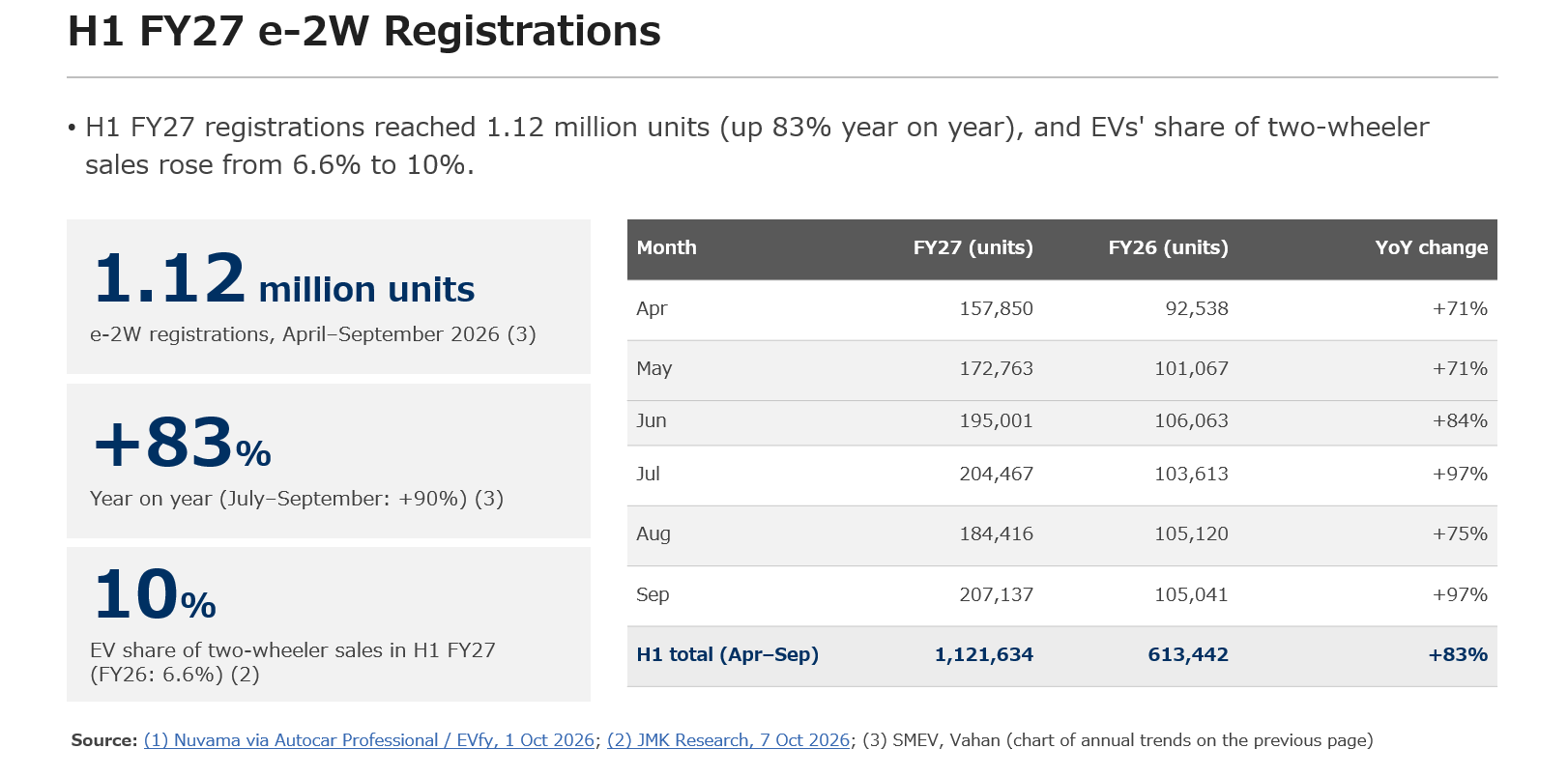
Figure 2: Trends in the Number of Registered Electric Motorcycles
(3) Reason 3: The Emergence of Low-Cost Electric Scooters and BaaS
Until now, one of the reasons people hesitated to purchase e-2W vehicles was their high price compared to gasoline-powered vehicles. However, in 2026, established motorcycle manufacturers introduced models equipped with small-capacity batteries and launched BaaS—a service where the battery is used separately from the vehicle—thereby reducing the upfront cost of purchase.
BaaS stands for “Battery as a Service,” a system where users do not purchase the expensive battery along with the vehicle but instead pay a monthly fee or a fee based on mileage to use it. In other words, by separating the cost of the battery from the vehicle price, this system significantly reduces the upfront cost required at the time of purchase.
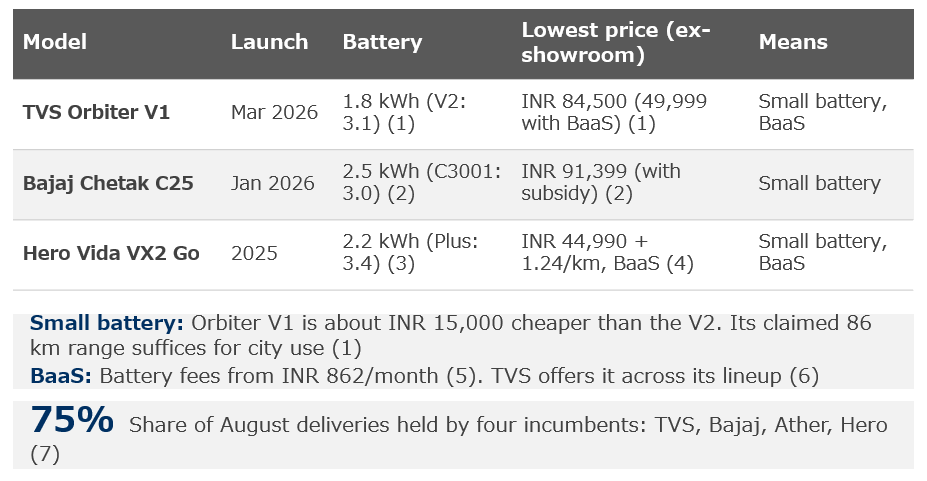
Figure 3: Comparison of Major Low-Cost Electric Motorcycles Sold in India
Furthermore, even models equipped with smaller-capacity batteries offer sufficient range for everyday urban use. This has made them more accessible to consumers who prioritize short-distance trips—such as commuting and shopping—over long-distance travel. In other words, the introduction of models that are more appealing to consumers who previously hesitated to purchase due to the initial cost is likely contributing to the market’s expansion.
(4) Reason 4: Growing Corporate Demand from Delivery and Rental Companies
Finally, the e-2W market is supported not only by individual purchases but also by corporate demand from delivery platforms and rental companies.
By 2025, the number of delivery partners using EVs at Zomato and Blinkit exceeded 100,000—double the previous year’s figure. In addition, rental operator Bijliride has announced plans to introduce 2,500 EVs over a 90-day period in response to rising fuel prices.
However, the proportion of fleet demand within total electric motorcycle sales remains unclear. Rather than concluding that corporate demand alone drove the market, it is necessary to view it as one of the factors supporting market growth, alongside consumer demand.
4. Expanding Options for Electric Motorcycles as Established Manufacturers Enter the Market
In India’s e-2W market, established motorcycle manufacturers such as TVS, Bajaj, and Hero are rolling out low-priced models. With these manufacturers entering the market, consumers now have a wider range of models to compare and evaluate, creating an environment that makes it easier to choose an electric motorcycle.
Furthermore, the ability to utilize the existing manufacturers’ dealerships and service centers will likely be another factor driving adoption. The fact that consumers can consider not only price and vehicle performance but also post-purchase support—such as repairs and maintenance—is expected to help alleviate their concerns.
Thus, in addition to the increase in low-priced models, the expanded range of vehicle options and the greater sense of security after purchase can be cited as one of the reasons why e-2Ws are beginning to be chosen by a broader demographic in India.
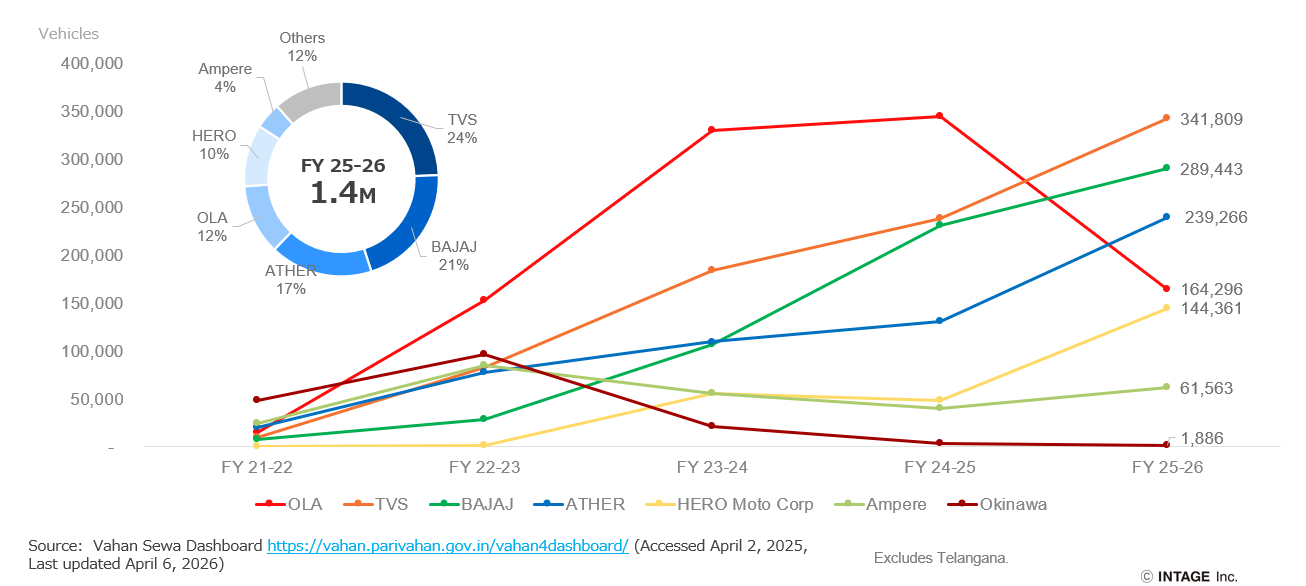
Figure 4: Trends in e-2W Registrations by Manufacturer in India
5. Summary: India’s Electric Motorcycle Market Is Shifting from Competition Based on “Price” to Competition Based on “Overall Performance”
As described above, in India, e-2W registrations in the first half of 2026 rose 83 percent year-over-year to approximately 1.122 million units, and the share of EVs in total motorcycle sales reached 10 percent.
Four factors contributed to this rapid growth:
① Uncertainty surrounding gasoline supply, prices, and quality
② Changes in purchasing timing due to the expiration and extension of EV subsidies
③ Reduced financial burden through low-priced models and BaaS
④ Expansion of corporate demand driven by delivery and rental companies
It is believed that the market’s rapid expansion was not driven by any single factor, but rather by a combination of multiple changes, which led to the widespread adoption of e-2Ws by both individuals and businesses.
In other words, India’s e-2W market is shifting from a stage where consumers choose EVs primarily based on subsidies and low prices to a stage where they compare options based on factors including vehicle usability and service infrastructure. Looking ahead, key areas to watch will include the widespread adoption of low-cost models and BaaS, the development of charging and after-sales service infrastructure, and the expansion of corporate demand.