目次
- 1. Introduction
- 2. Understanding India’s “Average” Based on Statistical Data: The Youth Population and Early Life Stages
- 3. Household Structure in India: Average Household Size and Large Families
- 4. Labor Force Participation Rates in India: High for Men, Low for Women
- 5. India’s Diversity: Viewing the Market with an Understanding of Religious, Linguistic, and Regional Differences
- 6. Indian Food: Home Cooking, Food Culture, Dining Out, and Delivery
- 7. Housing Conditions in India: Consumer Insights from Kitchens and Bathrooms
- 8. Healthcare and Internet Infrastructure
- 9. Generation Z: Values, Family Ties, and Digital Natives
- 10. India's Growing Market
- 11. India’s Mobility Market: Purchase Intentions for EVs, Motorcycles, and Cars
- 12. Japanese Brands and Inbound Tourism from an Indian Perspective
- 13. Summary
1. Introduction
With a population exceeding 1.4 billion and rapid economic growth, India continues to attract attention as a massive market. However, the lifestyles of its consumers differ significantly from those in Japan. Understanding the diversity and pace of change—from demographic composition and family values to food culture, work styles, digital usage, health awareness, and the values of Generation Z—is the first step toward successfully penetrating the Indian market. In this article, based on Intage’s overseas consumer data sets “Global Viewer” and “Consumer Life Panorama,” as well as research reports, we organize and explain the fundamental knowledge about Indian consumers that marketers need to understand.
2. Understanding India’s “Average” Based on Statistical Data: The Youth Population and Early Life Stages
Key factors in understanding the Indian market are its demographic structure, which features a large youth population, and the early onset of life stages such as marriage and childbearing. In India, teenagers and people in their 20s form the core of the population, with those aged 40 and under accounting for approximately 80% of the total population. A major characteristic of India is that it is a market dominated by young people, in contrast to Japan, where the population is centered on middle-aged and older adults.
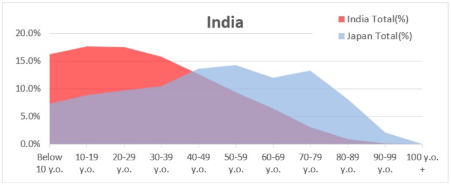
In addition, life events occur earlier in India; the total fertility rate stands at 2.03, exceeding that of Japan (1.3), and the average age at first marriage is relatively low, at 26.1 years for men and 21.3 years for women. Over 80% of women in their 20s are married, and more than 90% of both men and women in their 30s are married. The average age of childbirth for women is also low, at 27.5 years. Against this backdrop, markets for education, housing, home appliances, and childcare-related products tend to form early on, centered around the younger generation, making this an important premise when developing marketing strategies.
For more details, please click here.
▶Related data:Population/population ratio by age and sex (10 y.o. range) _India
▶Related data:Total fertility rate_17 countries
▶Related data:Married rate by age and sex_India
▶Related data:Mean age of first marriage by sex
▶Related data:Mean age at childbearing_17 countries
3. Household Structure in India: Average Household Size and Large Families
The average household size in India is 4.38 people, significantly higher than Japan’s 2.33, reflecting a culture where family-centered living remains deeply ingrained. In particular, more than half (51.3%) of households consist of two or more generations living together, and three-generation households are also common (30.2%), making a lifestyle based on the extended family the norm.
In India, it is not uncommon for grandparents, parents, and children to live together, and in some cases, even extended families including uncles and aunts. There is a tendency to share household chores, childcare, income management, and decision-making within the family, and a key characteristic is that the perspective of the “entire family” tends to be prioritized over that of the “individual” in consumer behavior.
On the other hand, against the backdrop of urbanization and changes in living environments, the shift toward nuclear families is also progressing in urban areas. In households centered on a married couple and their children, while there is greater freedom in consumption and lifestyle choices, there is also an increasing trend of relying on relatives or external services for childcare and household support.
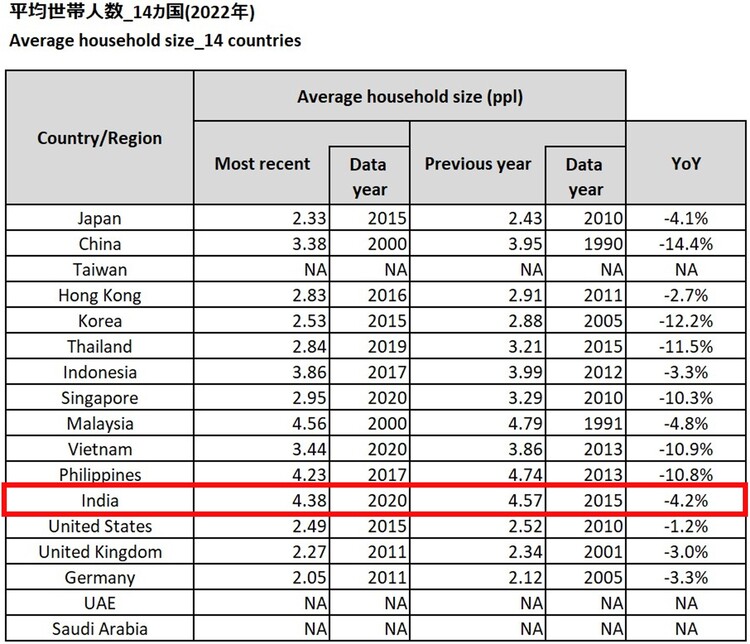
For more information, please click here.
▶Related data:Average household size_14 countries
▶Related data:Distribution of households by size (number of members)_16 countries
▶Related data:Intergenerational household types_14 countries
▶Related articles:The Family in India: The Extended Family vs. the Nuclear Family
4. Labor Force Participation Rates in India: High for Men, Low for Women
India’s male labor force participation rate stands at 77.5%, exceeding Japan’s rate of 71.5%, indicating that a large number of men are employed.
However, the female labor force participation rate stands at only 24.0%, significantly lower than Japan’s 53.5%. The proportion of women in management positions is low at 12.6%, the lowest level among the 17 countries surveyed. These gender disparities are believed to stem from differences in family values, the division of social roles, and disparities in educational and employment opportunities, and they also influence consumer behavior and decision-making.
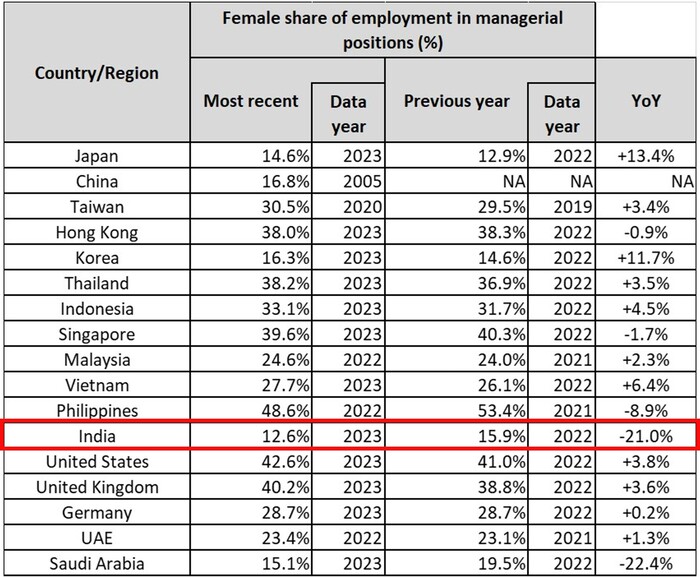
For more information, please click here.
▶Related data:Male labor force participation rate
▶Related data:Female labor force participation rate by age_18 countries
▶Related data:Female share of employment in managerial positions_17 countries
5. India’s Diversity: Viewing the Market with an Understanding of Religious, Linguistic, and Regional Differences
India is one of the world’s most diverse nations, characterized by a complex interweaving of ethnic groups, languages, and religions. While Indo-Aryan (72%) and Dravidian (25%) groups make up the majority of the population, there are over 2,000 ethnic and social groups within the country, some of which are officially recognized as “Scheduled Tribes.”
The country also boasts a high degree of linguistic diversity. Hindi is the most widely spoken language, with approximately 40% of the population speaking it, and there are 22 official languages, including Bengali and Telugu. More than 120 languages are used in daily life, and when dialects and regional languages are included, the total is estimated to exceed 1,300. A defining characteristic of India is that culture and communication environments vary significantly from region to region.
In terms of religion, Hindus account for 79.8% of the population, though Islam, Christianity, and Sikhism also coexist. Religion strongly influences lifestyle and values, particularly in terms of food culture. While there is a significant vegetarian population, meat-eating traditions are also deeply rooted in certain regions and religious communities (details are provided in the next section).
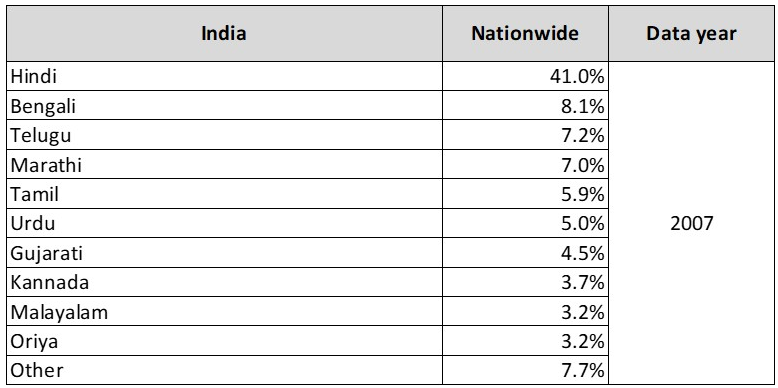
For more information, please click here.
▶Related data:Population ratio by ethnic groups_India
▶Related data:Population ratio by language _ India
▶Related data:Population ratio by religion_17 countries
▶Related articles:[Global series: Cuisine and Housework] India: What to do when cooking
6. Indian Food: Home Cooking, Food Culture, Dining Out, and Delivery
(1) Characteristics of Indian Diet and Cuisine: Emphasis on Freshness, Religious Beliefs, Home Cooking, and Spice Culture
The key concepts for understanding Indian dietary habits are “freshness,” “religion,” “home cooking,” and “spices.”
In India, there is a very strong emphasis on fresh ingredients, and it is common to purchase vegetables and fruits daily from night markets or street vendors. Since the culture of avoiding pre-cooked meals and eating freshly baked chapati—the staple food—is deeply ingrained, there is a tendency to place greater trust in home-cooked meals than in eating out.
Another characteristic of Indian cuisine is the significant variation based on religion and region. While there are many vegetarians due to the influence of Hinduism, chicken, goat meat, and fish are also consumed daily depending on the region and religion. The custom of avoiding beef and pork is also widespread, and food culture is deeply intertwined with religious beliefs.
In home cooking, dishes such as dal (lentil curry) and vegetable dishes are regularly served, with chapati or rice as the staple foods. In cooking, a “gravy” made by sautéing onions, tomatoes, and spices serves as the flavor base, and there is a culture of adjusting the use of spices according to one’s physical condition and the season. Many spices are always kept on hand in homes, making them a vital element supporting daily meals.
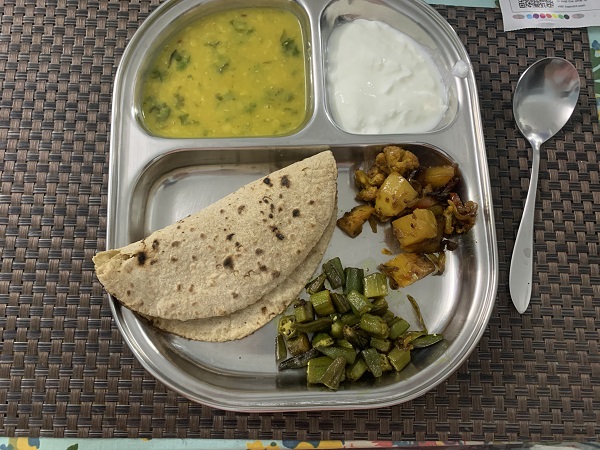
For more information, please click here.
▶Related articles: [Global series: Cuisine and Housework] India: What to do when cooking
(2) The food service market is growing through online delivery and in urban areas
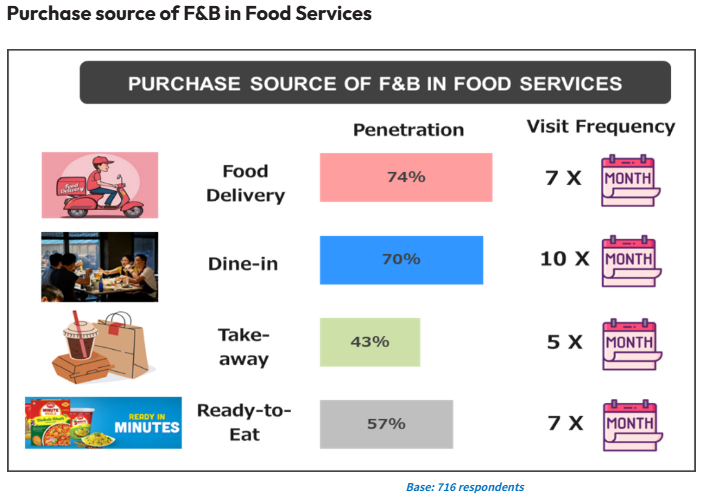
India’s food service market is experiencing rapid growth driven by urbanization, the shift toward nuclear families, and the rise in dual-income households. In particular, online delivery is becoming increasingly widespread, with Swiggy and Zomato establishing a strong market presence.
In addition, dining out is popular, particularly in urban areas, with many consumers dining out three to four times a week. As a result of these changes, consumer behavior in India is shifting toward a desire for convenience and diverse dining experiences, even as the country maintains its “home-cooked meal-centric” culture.
For more information, please click here.
▶Related articles: About the Food service market in India(Chart of the Month May 2025)
(3) RTE Foods, Dining Out, and Food Delivery: Differentiating by Dining Context
In India, dining out and food delivery are often viewed not merely as means of obtaining a meal, but as “experiential consumption” where people share time with family and friends. Meals play a significant role in communication and providing a change of pace, and are characterized by a strong emphasis on creating a “sense of occasion” and “shared experiences.”
Ready-to-Eat (RTE) foods play a different role than dining out or food delivery. The primary usage scenarios—such as “eating alone,” “when there’s no time to cook,” or “when you want a quick, convenient meal”—are driven by the need for efficiency and time-saving. Within a food culture centered on home-cooked meals, RTE foods are used not as substitutes for staple foods, but rather as a complement to busy daily lives.
Furthermore, because India has a deeply rooted culture that values freshness and dislikes pre-prepared foods, RTE products are expected to offer more than just convenience. Specifically, there is a strong emphasis on flavors that resemble home-cooked meals, a sense of assurance regarding quality, and the satisfaction of feeling that one is “eating a proper meal even when it’s convenient.”
For more information, please click here.
▶Related data: Survey on Indian Food Habits
7. Housing Conditions in India: Consumer Insights from Kitchens and Bathrooms
(1) Kitchen Spices, Water Filters, and Ventilation Systems Are Central to Daily Life
In India, the kitchen has evolved beyond a mere cooking space to become a “daily living infrastructure” for preparing home-cooked meals. Because the culture of home cooking runs deep, kitchen equipment and layouts are strongly characterized by a focus on practicality.
A defining feature is the spice-centric cooking style. Indian households typically keep dozens of different spices on hand, selecting them based on the dish, one’s physical condition, and the season. Frequently used spices are stored together in “masala boxes,” designed for easy access, which in turn influences storage design and workflow.
Another essential feature in Indian kitchens is water purification equipment. Since tap water is often undrinkable in many regions, it is common for households to install RO (reverse osmosis) water purifiers, and safety is required not only for drinking water but also for water used in cooking. The fact that water purifiers have become standard kitchen equipment is a major difference from Japan.
Furthermore, ventilation systems are highly important. To manage the smoke and odors generated by cooking with spices and oil, chimneys and range hoods are prioritized. Even if not installed during new construction, they are often retrofitted later, making them essential equipment for ensuring comfort and hygiene.
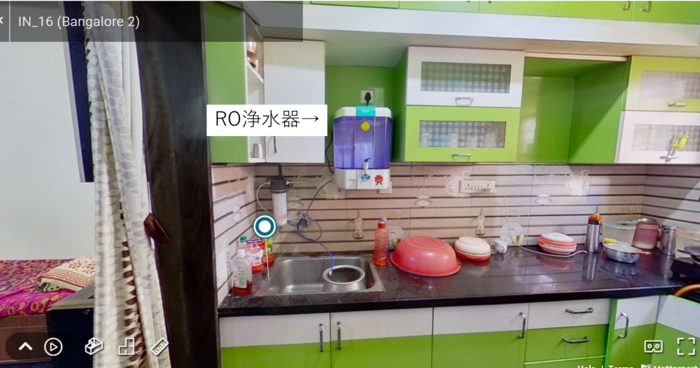
Photo: RO water purifier in the kitchen
Source: Intage Consumer Life Panorama
What is Consumer Life Panorama?
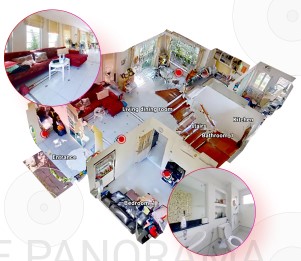
This is a website-type database that has accumulated visual data on more than 1,000 sei-katsu-sha from 18 countries around the world. The database includes many 3D models of living environments and 2D data of items owned by each sei-katsu-sha, and is useful for understanding overseas sei-katsu-sha, which is difficult to grasp using only letters and numbers.
Using visual data such as those cited in this column,
Compare the differences in the attributes of overseas consumers
To get a realistic understanding of the actual usage of each category
To understand the overall lifestyle of target consumers
etc., can be utilized as a “no-go” home visit survey.
For more information, please click here.
▶Related articles: <Report from overseas office> [India: World Residence Tour] Kitchen in India
(2) Bathroom Culture: A Major Difference Between Japan and India
A key characteristic of Indian bathrooms is that they are designed as practical wet areas prioritizing hygiene, efficiency, and ease of maintenance, rather than as “relaxation spaces” like those in Japan.
As for bathing habits, taking a shower in the morning is the norm. This is related not only to hygiene but also to the hot climate and daily rhythms, and carries a strong connotation of “cleansing the body at the start of the day.” Consequently, the culture of soaking in a bathtub at night to relax, as is common in Japan, is not widespread.
In terms of facilities, many households do not have bathtubs, and showers or “bucket baths” are the norm. This bathing method, which involves pouring water over the body using a bucket and a ladle, allows for easy adjustment of water usage and can be considered a practical style adapted to local water conditions and living environments.
Another major difference from Japan is the prevalence of the “wet room” layout, where the shower, toilet, and sink are integrated into a single space. Since the design assumes the entire floor will get wet, there are few partitions or steps in the shower area, and ease of cleaning and maintenance is prioritized.
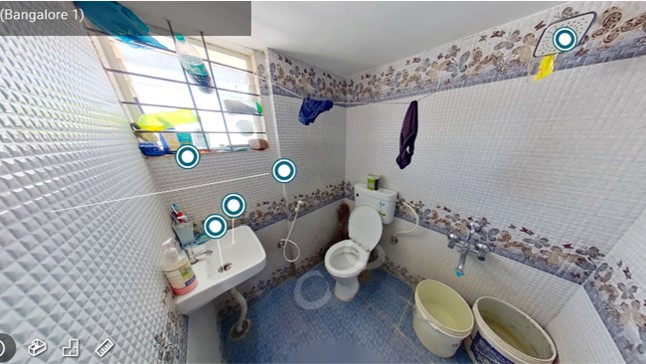
Photo: Apartment bathroom
Source: Intage Consumer Life Panorama
For more information, please click here.
▶Related articles: <From Overseas Office> [India] World Residence Tour, Bathrooms in India.
8. Healthcare and Internet Infrastructure
(1) Healthcare infrastructure is limited compared to Japan
In India, there are only 0.7 doctors and 1.6 hospital beds per 1,000 people, meaning that healthcare infrastructure is limited compared to Japan. There is also a significant disparity in access to healthcare between urban and rural areas, and a key characteristic of the system is the high degree of reliance not only on public healthcare but also on private healthcare and self-care.
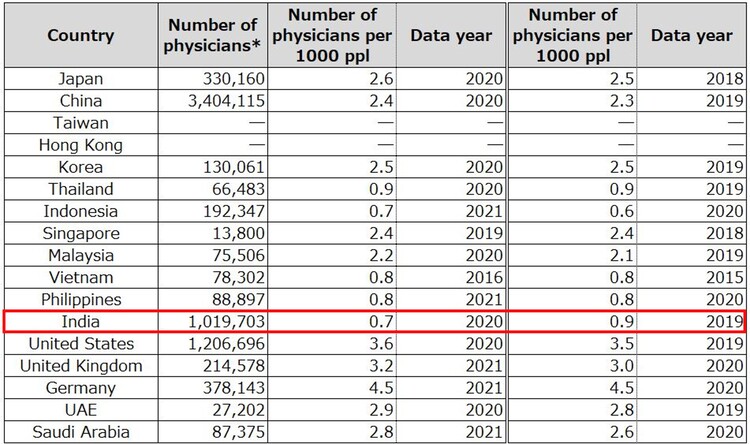
For more information, please click here.
▶Related data:Number of physicians per 1000 people_17 countries
▶Related data:Number of hospital beds per 1000 people
(2) There is room for growth in internet penetration
India’s internet penetration rate stands at 46.3%, which is still low compared to Japan’s 86.2%. However, given its large population and the expanding adoption of smartphones, it can be described as a growth market with significant potential for further user growth.
For more details, please click here.
▶Related data: Internet usage rate_17 countries
9. Generation Z: Values, Family Ties, and Digital Natives
(1) India’s Gen Z is a Huge Consumer Demographic
India’s Gen Z population stands at approximately 377 million, making it the country’s largest demographic group. It is garnering attention as a group responsible for about 43% of domestic consumption. As a generation of digital natives, they are strongly influenced by social media and online content and are highly attuned to trends.
In addition to traditional values that prioritize “family” and “stability,” there is a growing desire for freedom, self-actualization, and investing in “me time,” leading to increased interest in experiential and personalized consumption.
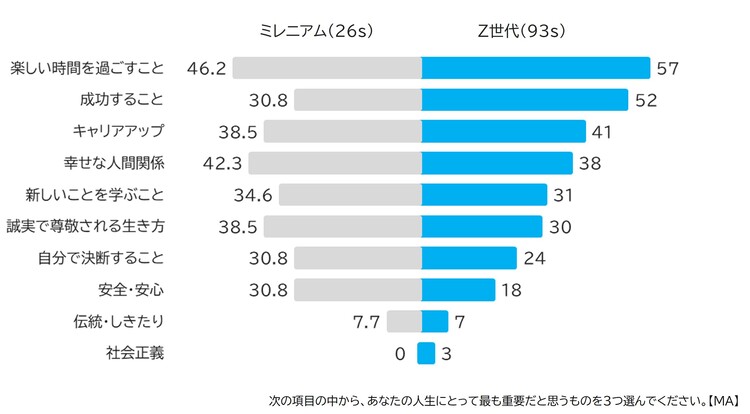
Figure: What you consider most important in your life
For more information, please click here.
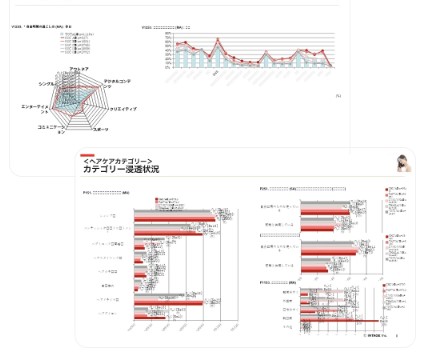
Accelerate decision-making with smart overseas resident data
Global Viewer
This service provides reports tailored to your issues using questionnaire data on various actual conditions and attitudes of sei-katsu-sha in 11 countries (Asia and US) stocked by INTAGE.
The service covers 400 items, including actual behavioral conditions and awareness, values, and information contact related to various product and service categories.
(2) Family Ties and Word-of-Mouth Influence Purchasing Behavior
Another characteristic of Indians is their extremely strong family ties. A high percentage of people cite “family” as a key factor in their lives, and family continues to exert a strong influence on decision-making and the formation of values.
This trend is also reflected in purchasing behavior, with word-of-mouth and recommendations from family and relatives having a significant impact on product selection.
For more details, please click here.
▶Related articles: What does Indian Generation Z value? (Chart of the Month April 2025)
10. India's Growing Market
(1) Health and Wellness
■Rising Awareness of Health and Wellness in Urban Areas
In India’s urban areas, interest in preventive medicine and holistic wellness is growing, driven by an increase in lifestyle-related diseases and improved access to health information. A key trend is the growing awareness of maintaining and improving physical and mental health through daily life, rather than simply treating illness.
Health-consciousness is also growing in dietary habits, with expanding interest in plant-based and organic foods. Additionally, more consumers are choosing products based on nutritional content and ingredients, and “health benefits”—not just “taste”—are becoming a key criterion in purchasing decisions.
For more details, please click here.
▶Related articles: [India] Embracing Health, Wellness, and Beauty: Trends Among Indian Consumer
■Health Consciousness Drives Choices in the Beverage Market
In India, as concern grows over lifestyle-related diseases such as obesity and diabetes, changes are evident in the criteria consumers use to select beverages. In addition to traditional factors like “taste” and “price,” an increasing number of consumers are prioritizing “nutrition,” “ingredients,” “health benefits,” and even environmental considerations.
Against this backdrop, consumption of sugary carbonated beverages is on the decline, while health-conscious products such as zero-sugar beverages, functional drinks, and coconut water are gaining popularity. Just as in the food sector, healthiness is becoming an established key value in the beverage market as well.
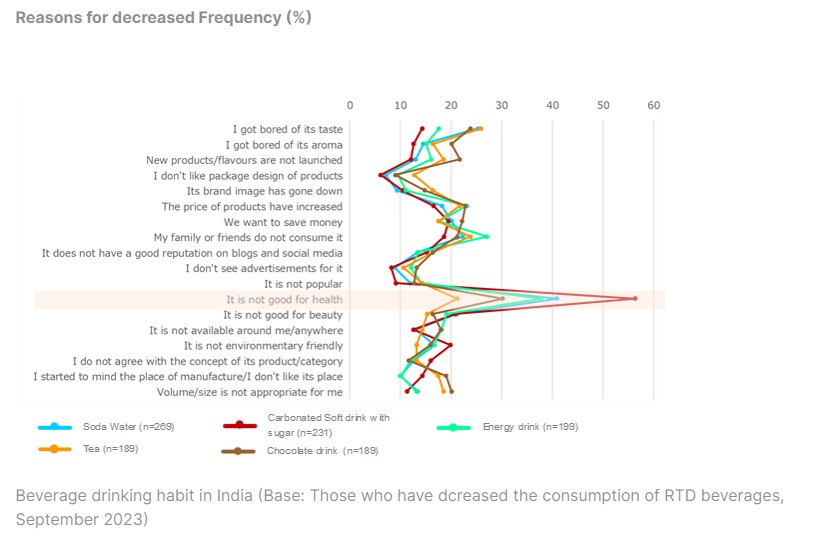
For more information, please click here.
▶Related articles: How has health awareness changed in India?(Chart of the Month July 2025)
(2) Games and Anime
■The gaming market is growing rapidly, led by mobile
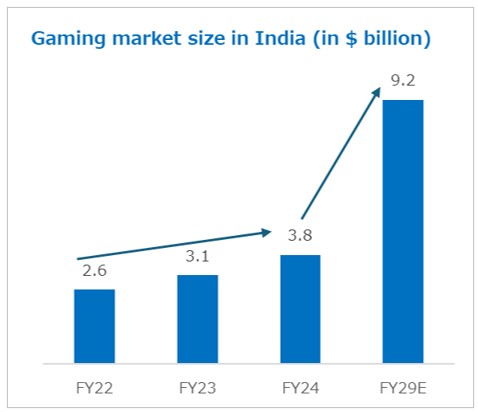
India’s gaming market continues to grow rapidly and is projected to reach approximately $3.8 billion (about 606 billion yen) by 2024 and $9.2 billion (about 1.4 trillion yen) by 2029. Mobile games are driving this growth; with the widespread adoption of affordable smartphones and low-cost data plans, many consumers are now enjoying games on a daily basis. Casual games, which can be played easily even for short periods of time, are particularly popular.
Compiled by the author of this column based on Lumikai’s
“State of India Interactive Media & Gaming Research FY’24”
For more information, please click here.
■Japanese Anime Gains Ground Among Young People in India
Since the onset of the COVID-19 pandemic, the popularity of Japanese anime has surged in India, and it is becoming established among young people as a “cool culture.” A survey of attendees at an anime event held in Bangalore in January 2026 also confirmed that Japanese anime is viewed very positively by India’s Generation Z.
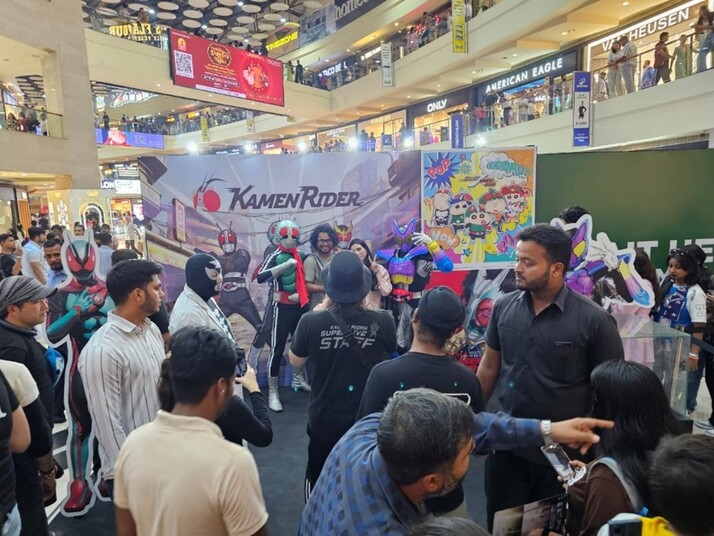
Photo: A view of the photo spot
The market is also expanding; India’s anime market is projected to reach approximately $1.8554 billion (about 295 billion yen) by 2024 and grow to $5.036 billion (about 800 billion yen) by 2032. Driven by the proliferation of streaming services and increased exposure to content via social media, Japanese anime is evolving from “content for a niche fanbase” into “fun and cool” mainstream culture.
Popular titles include battle-themed series such as *ONE PIECE* and *Attack on Titan*, with *Shonen Jump*-style works being particularly popular. On the other hand, works such as *Pokémon*, *Doraemon*, and *Crayon Shin-chan* have established themselves as family-oriented content that has been enjoyed since childhood. Among these, works like *ONE PIECE* have become a symbol of “cool” values and self-expression for young people in their late teens and older; many viewers identify with the characters and storylines, drawing courage and motivation from them.
However, the Indian market also faces challenges. As a multilingual nation, English subtitles and dubbing alone are insufficient, making support for regional languages increasingly important. Additionally, the circulation of unauthorized merchandise and illegal streaming are widespread, making the monetization of official content and the protection of intellectual property major issues for the future.
For more details, please click here.
(3) Pets & RTD
■First-time Owners and a Natural Lifestyle Trend Are Key to the Pet Market
The pet market in India is expanding. According to a survey by Intage (n=625), approximately 70% of all respondents own some kind of pet. In particular, there are many first-time owners among dog and cat owners, and interest in how to live with pets and how to care for them is growing.
Against this backdrop, the pet care market is also growing rapidly. In addition to veterinary clinics and pet shops, the use of various services is expanding, including natural-oriented pet food and care products, online veterinary consultations, dog walkers, and pet hotels.
For more details, please click here.
▶Related Articles:<From Overseas Office> [India] Pets in India
▶Related Articles:[SOUTHEAST ASIA] The Growing Pet Industry: Insights from India, Thailand, Indonesia, and China
■For RTD Sours, the Key to Acceptance Lies in the Balance Between Sweetness, Aroma, and Taste
During a tasting of Japanese RTD sours (Ready-to-Drink beverages) conducted by Indian staff, a preference for “sweetness” and “consistency between aroma and taste” was observed. On the other hand, “bitterness” was generally not well-received, revealing distinct characteristics in terms of taste preferences.
In the case of lemon sours in particular, products with a balance of subtle lemon flavor and sweetness were highly rated, while those with strong sourness or bitterness tended to be unpopular. This suggests that in the Indian market, “ease of drinking” and “approachable sweetness” are often prioritized over “refreshingness.”
For more details, please click here.
11. India’s Mobility Market: Purchase Intentions for EVs, Motorcycles, and Cars
(1) Interest in EVs is growing, particularly among younger consumers
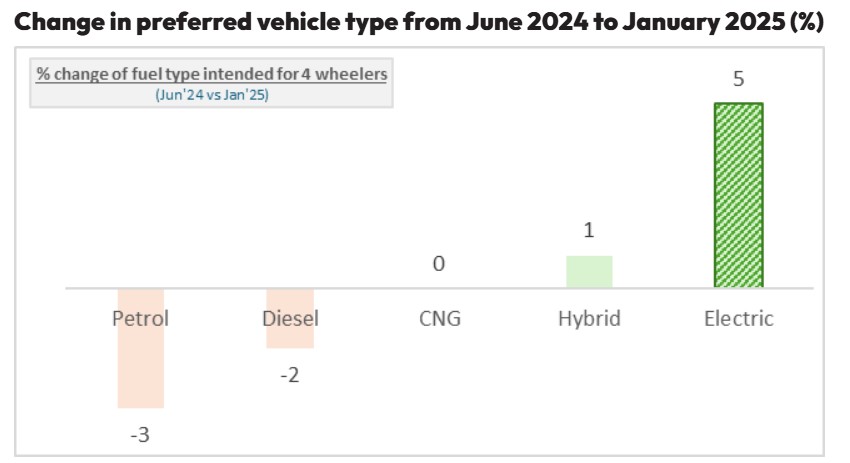
In India, 29% of consumers—the highest percentage—cited EVs (electric vehicles) as the type of car they would like to purchase next, slightly surpassing gasoline-powered vehicles (28%). A notable feature is that interest in EVs is particularly high among young people aged 18 to 24, who are driving the market’s expansion.
Going forward, the EV market in India is expected to grow further as infrastructure is developed and prices become more affordable.
For more information, please click here.
▶Related Articles:The next preferred car type by Indian Consumer (Chart of the Month Feb)
Click here to read an article detailing the process young people go through when considering and purchasing an electric vehicle.
(2) The EV Market Is Expanding from Two- and Three-Wheelers
India’s EV market is expanding against a backdrop of rising fuel costs and growing environmental awareness, and is particularly popular in the two- and three-wheeler segments. Because two- and three-wheelers are widely used as a means of daily transportation, the transition to EVs is relatively easy.
According to expert forecasts, by 2030, the market share of BEVs (battery electric vehicles) is expected to reach 50% for two-wheelers, 45% for three-wheelers, and 15% for four-wheelers. The projected trajectory in India is for EV adoption to first gain traction in the small mobility sector, followed by expansion into the four-wheeler market.
For more information, please click here.
▶Related data:Understanding the current EV scenario in India
▶Related data:India EV Market Research Report (April 2022)
12. Japanese Brands and Inbound Tourism from an Indian Perspective
(1) Japanese brands are highly regarded in the automotive and processed food sectors
In India, there is strong support for domestic brands across all categories, and a “local preference” is particularly pronounced in the processed food and content sectors. Because affinity with local culture, tastes, and language is highly valued, local brands have a strong presence.
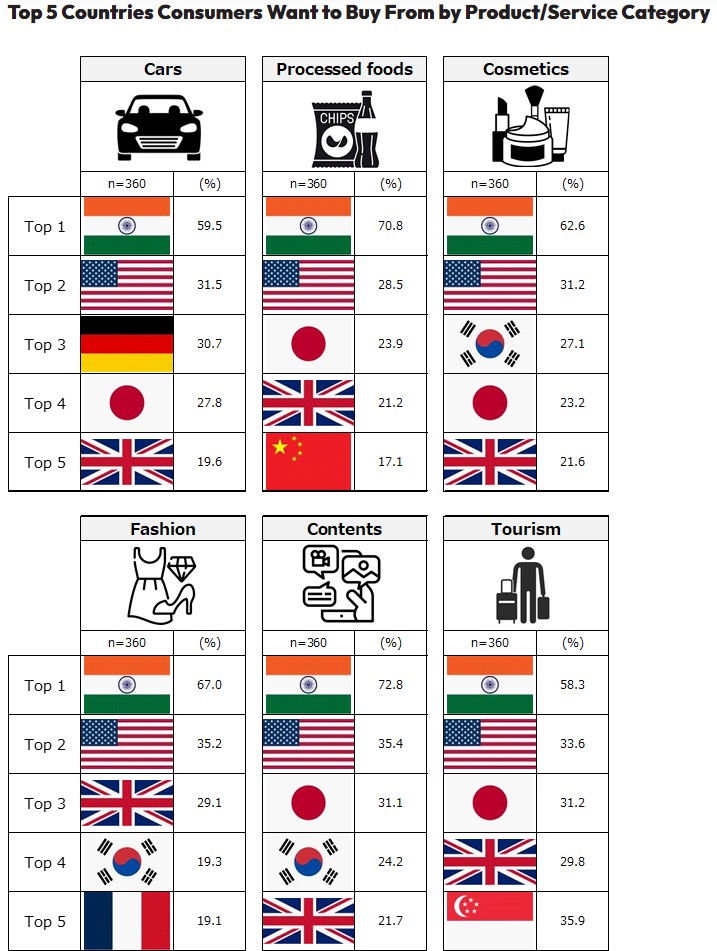
On the other hand, Japanese brands have earned a strong reputation in sectors where “quality” and “reliability” are prioritized, such as automobiles and processed foods. In contrast, Korean brands are gaining popularity in areas that demand trendiness and a keen sense of style, such as cosmetics, fashion, and entertainment. In the Indian market, the values sought vary by category, so the strengths of brands from different countries also differ.
For more details, please click here.
▶Related Articles:[India] Chart of the Month March 2025
(2) The appeal of travel to Japan lies in “experiences unique to Japan”
A survey of people aged 20–49 in eight major Indian cities found that while only 12% have visited Japan, 21% intend to visit within the next two to three years, indicating a strong desire to travel to Japan.
When asked about Japan’s appeal, respondents frequently cited “experiences unique to Japan,” such as nature, scenery, culture, entertainment, and cuisine. A defining characteristic of Indian consumers is their strong desire for “special experiences that can only be enjoyed in Japan,” rather than simply visiting tourist attractions.
For more details, please click here.
▶Related data: Japan tourism among Indian consumers in Metro cities
13. Summary
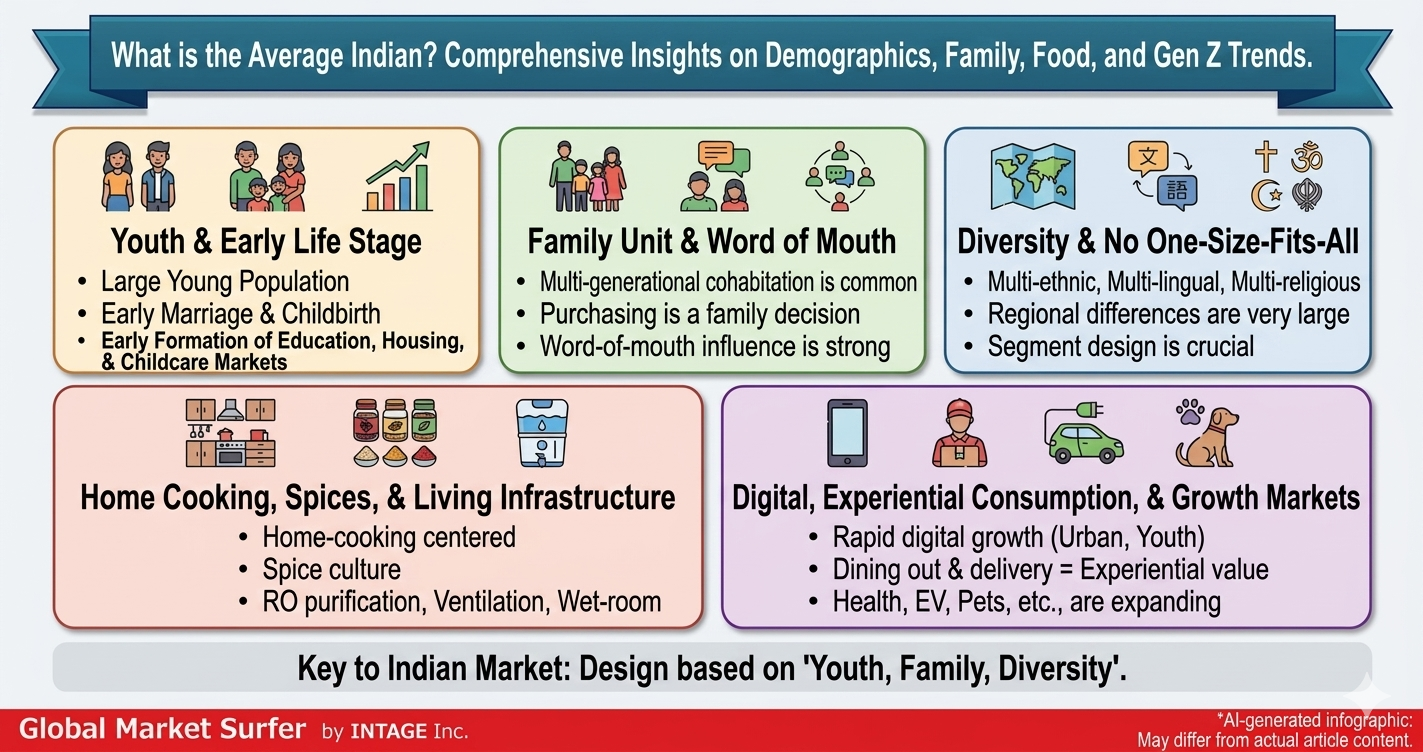
The Indian market is not merely a “huge market with a large population.” What matters is understanding the underlying assumptions of consumers—such as family values, religion, food culture, and housing conditions—and then analyzing the market by combining these with growth areas like digitalization, health consciousness, and Gen Z consumption. Finally, we will outline the “five key concepts” marketers need to grasp regarding the Indian market.
Keyword 1: Youth × Early Life Stages
India has a large young population, and life events such as marriage and childbirth tend to occur relatively early. Consequently, markets related to education, housing, home appliances, and childcare tend to form early on, centered around the younger generation.
Keyword 2: Family Units (Living Together) × Word of Mouth
In India, where the average household size is large and multigenerational living is common, consumption decisions tend to be made at the “family unit” level rather than by individuals. Even among Gen Z, family ties are strong, and purchasing behavior is significantly influenced by word of mouth from family and relatives.
Keyword 3: Diversity (Language, Religion, Regional Differences) = “Avoid Generalizations”
India is a multi-ethnic, multilingual, and multi-religious nation, and food culture, values, and languages vary significantly by region. Rather than lumping everything together as “for India,” it is crucial to design segments based on region, religion, and language.
Keyword 4: Home Cooking × Spices × Living Infrastructure (Water Filtration, Ventilation, Wet Rooms)
In India, a culture of home cooking is deeply rooted, and cooking habits that prioritize freshness and rely on spices are deeply ingrained in daily life. Additionally, there are housing infrastructure assumptions that differ from Japan’s, such as RO water purifiers, high-performance ventilation systems, and wet-room style bathrooms. This is a key point that directly impacts market understanding not only for food but also for home appliances, housing equipment, and daily necessities.
Keyword 5: Digital × Experiential Consumption × Growth Markets (Health, Dining Out/Delivery, Mobility, etc.)
While there is still room for growth in internet penetration in India, digital services and experiential consumption are expanding rapidly, particularly among urban residents and younger demographics. Dining out and food delivery hold value as “shared experiences,” and new growth areas—such as health-conscious lifestyles, EVs, gaming, anime, and the pet market—are emerging one after another. In marketing, a perspective that designs strategies by combining “which consumer insights with which growth markets” is essential.