目次
1. Introduction: The Culture of Domestic Workers Supporting Daily Life in Asian Countries
While it is not very common in Japan, the percentage of households overseas that hire maids (domestic workers who handle household chores) and outsource their housework tends to be higher than in Japan. Data from the International Labor Organization (ILO) shows that approximately 75.6 million people worldwide work as domestic workers, with those in the Asia-Pacific region accounting for about half of that total.
Given these figures, it’s likely that many marketers are mindful of “who is responsible for household chores” when considering the global expansion of home appliances and daily necessities.
Furthermore, in recent years, labor-saving appliances (time-saving appliances)—such as dishwashers and robot vacuums—have garnered attention as a way to lighten the burden of housework.
One might assume that, in households where maids handle the housework, the burden has already been reduced and demand for labor-saving appliances is low, but what are the actual trends?
In this article, based on Intage’s “Global Viewer” data on international consumers (collected in 2025) and official statistics, we examine the relationship between maids’ involvement in household chores and the ownership and purchase intentions of time-saving appliances across various Asian countries.
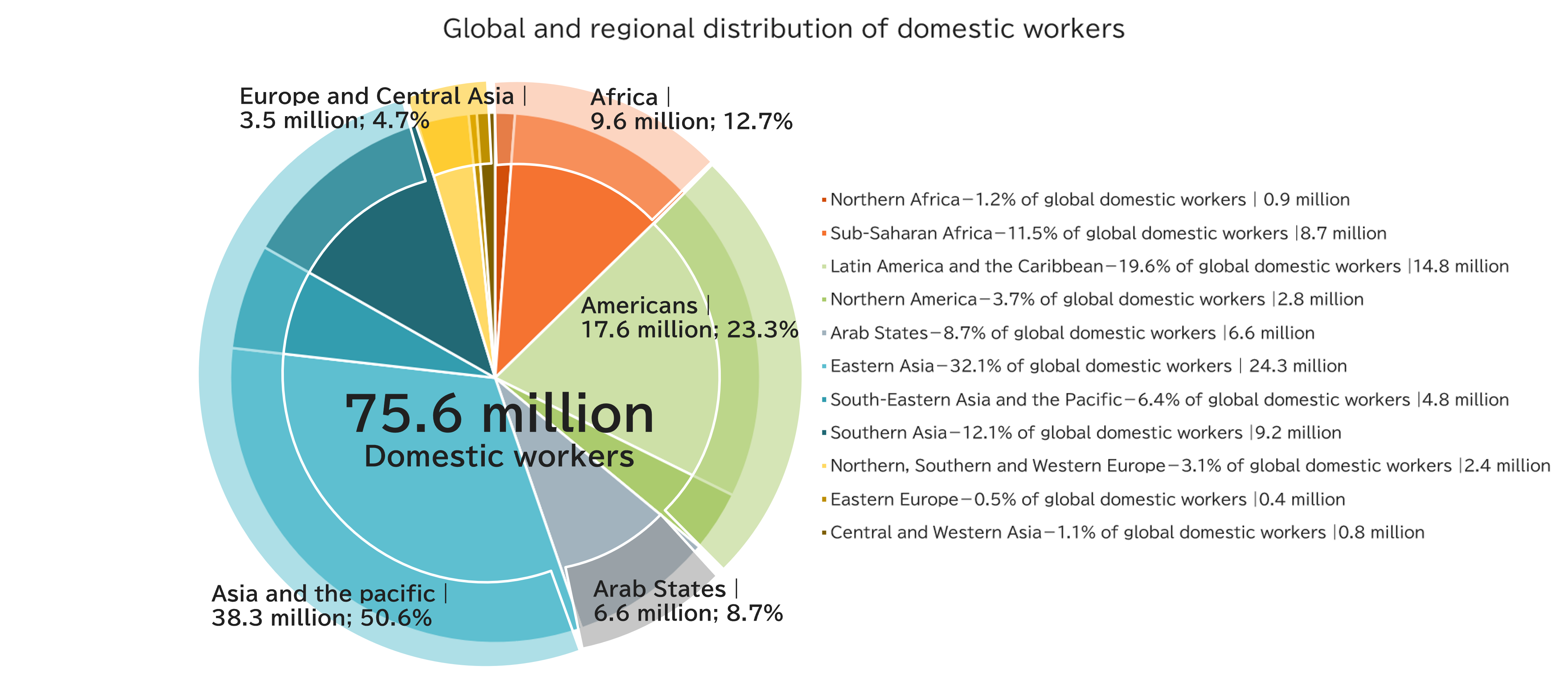
Figure 1: Global and Regional Distribution of Domestic Workers
Source: Prepared by Global Market Surface based on data
from the International Labor Organization (ILO)
2. Status of Hiring Maids for Household Chores in Various Countries
First, we’ll examine the rates of household chores outsourced in East and Southeast Asian countries using data from “Global Viewer.” For the purposes of this article, we’ll focus on the following representative household chores: “cooking,” “cleaning the living room,” “washing dishes,” and “doing laundry.”
Looking at the data by country, we see that in Hong Kong and Singapore, a high percentage of all household chores are handled by domestic workers. Next, the Philippines, Indonesia, and Vietnam also show a trend where domestic workers handle a significant portion of these tasks. In particular, Hong Kong stands out, with “cleaning the living room,” “washing dishes,” and “doing laundry” each accounting for nearly 10%—a higher proportion than in other countries. This data suggests that, given the long-standing national tradition of accepting foreign domestic workers in Hong Kong and Singapore, this culture has become deeply ingrained.
On the other hand, when broken down by specific household task, the percentage for “cooking” is lower than for other tasks in every country. This indicates that even in countries where the use of domestic workers is common, people tend to be reluctant to entrust cooking to them.
Furthermore, while people may be willing to actively delegate tasks such as “cleaning the living room”—which involve cleaning dirty environments or objects—they may still prefer to prepare the meals they eat themselves.
Such cross-national comparisons can help us understand each country’s attitudes toward housework, as well as what local residents find burdensome and what tasks they are willing to delegate.
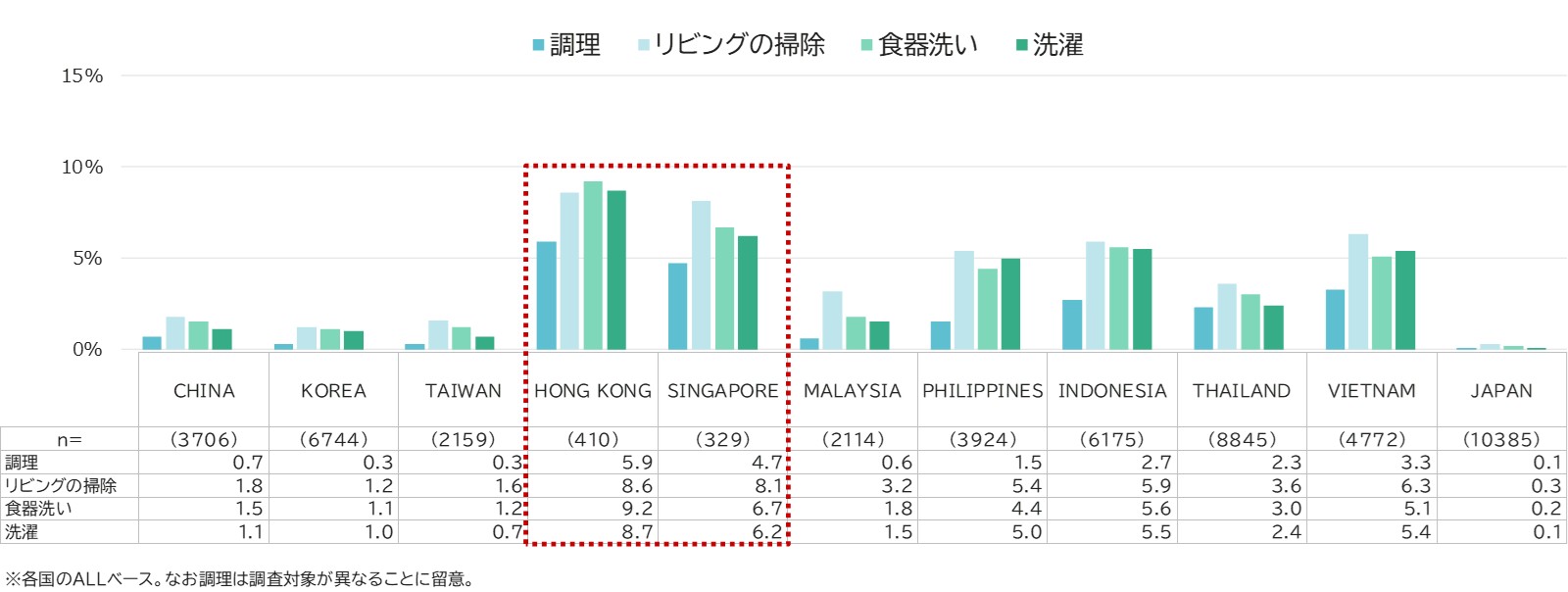
Figure 2: Percentage of Household Chores Performed by Maids and Helpers
in Asian Countries and Regions
Source: Intage Global Viewer (2025)
Accelerate decision-making with smart overseas resident data
Global Viewer
This service provides reports tailored to your issues using questionnaire data on various actual conditions and attitudes of sei-katsu-sha in 11 countries (Asia and US) stocked by INTAGE.
The service covers 400 items, including actual behavioral conditions and awareness, values, and information contact related to various product and service categories.
3. Ownership and Purchase Intent Rates for Labor-Saving Appliances by Household’s Employment Status of Maids
Next, we will compare the ownership rates and purchase intentions for the next year of labor-saving appliances between households that employ maids and those that do not, to see how their attitudes toward owning or purchasing such appliances differ. While a review of Global Viewer’s data might suggest that households that rely on maids for housework have little need for labor-saving appliances, the reality turned out to be different from what we expected.
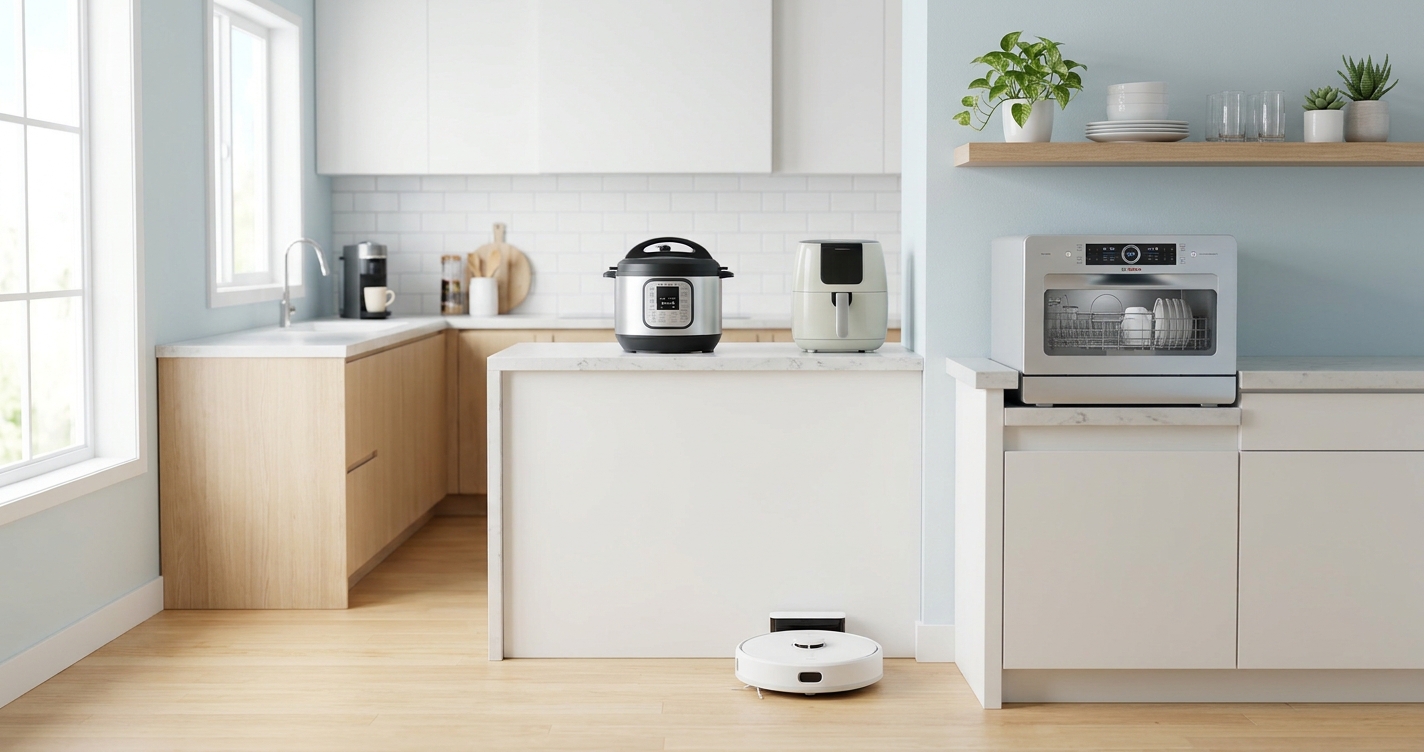
Here, we will divide households into those that employ maids and those that do not, and focus on “automatic cookers,” “robot vacuums,” and “dishwashers”—appliances that reduce the effort required for cooking, cleaning, and washing dishes—to examine these trends.
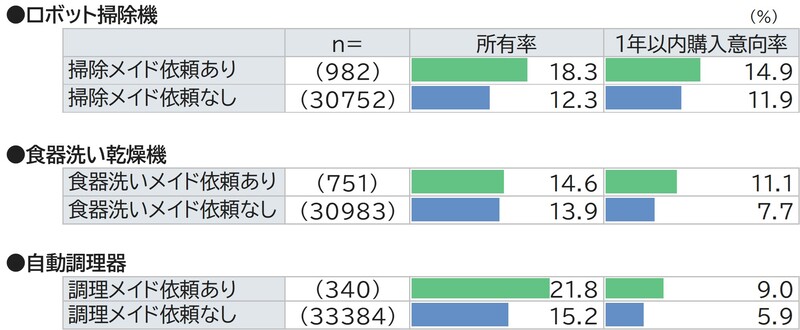
Figure 3: Home Appliance Ownership Rates and Purchase Intentions by Whether or Not a Maid Is Hired (Robot Vacuum Cleaners, Dishwashers, and Automatic Cookers)
Source: Intage Global Viewer (2025)
First, the ownership rate of “robot vacuums” among households that hire a housekeeper to clean the living room is 18.3%, which is 6.0 percentage points higher than the 12.3% rate among households that do not hire a housekeeper.
Next, the ownership rate of “dishwashers” among those who hire a housekeeper to wash dishes is 14.6%, compared to 13.9% among those who do not—slightly higher for those who do hire a housekeeper.
Furthermore, a similar trend is observed with automatic cookers: the ownership rate is 21.8% among those who hire a housekeeper to cook, compared to 15.2% among those who do not—a difference of 6.6 percentage points.
As this data shows, for all the home appliances covered in this study, the ownership rate was higher among those who delegate household chores to a maid than among those who do not. Similarly, the intention to purchase within the next year tended to be higher among those who delegate chores to a maid for all types of appliances.
These results suggest that maids and labor-saving appliances are not necessarily mutually exclusive. In other words, it appears that even when household chores are delegated to others, there is still a strong willingness to actively purchase appliances that automate those tasks.
However, since the groups that hire maids and those that do not may differ in terms of income, household composition, and living conditions, we cannot conclusively state based on this data alone that the use of maids increases the ownership or purchase intent of labor-saving appliances. Nevertheless, it is safe to say that the view that “households that hire maids have little interest in labor-saving appliances” does not hold true based on these results.
4. Summary
Based on these results, we found that even when people hire maids to do housework, they do not delegate all household chores to others; furthermore, there was a general trend showing that households that hire maids tend to have higher ownership rates of labor-saving appliances and stronger intentions to purchase them.
In other words, maids and labor-saving appliances are not necessarily mutually exclusive.
Rather than choosing between “delegating to a person or delegating to an appliance,” people may be using a combination of methods depending on the nature and context of the household task. Thus, maids and appliances are not competing alternatives but rather complementary options used together to lighten the burden of housework.
Therefore, even in markets where maid services are widely used, one should not assume that “demand for labor-saving appliances is low because household chores are already delegated to others.” Rather, it is necessary to reassess the demand for labor-saving appliances by viewing this demographic as a group that is proactive about offloading household chores.
In this way, the presence of maids influences not only the use of home appliances but also the way various other products and services are utilized. When considering expansion into overseas markets, it is important to understand not only the purchasers but also who within the household takes on which responsibilities, and what burdens and needs remain.In other words, taking into account not only the people who actually use the products but also those involved in their use will lead to product designs and value propositions that are well-suited to local lifestyles.