目次
- 1. A massive and growing consumer base that accounts for about one-fourth of the world's population
- 2. It’s Not Just About Halal: Five Common Themes Underlying Consumer Behavior
- (1) Faith: Faith serves as the foundation for daily life and consumer choices
- (2) Halal and Trust: Not just “Is it permissible?” but also “Can I choose it with confidence?”
- (3) Family and Community: Consumption that arises not from individuals, but from relationships
- (4) Ramadan and Celebrations: Religious events shape the annual consumer calendar
- (5) Modesty and Self-expression: Modesty and an interest in beauty and fashion can coexist
- 3. Shared Faith, Different Consumption Patterns: Differences in the Lives of Muslim Consumers Across Four Countries
- 4. Comparative Table of 4 Countries
- 5. Summary: Looking Not Only at “Religion,” but Also at “Relationships” and “Regional Differences”
1. A massive and growing consumer base that accounts for about one-fourth of the world's population
As of 2020, the global Muslim population—those who practice Islam—reached approximately 2 billion, accounting for 25.6% of the world’s population. It grew by approximately 347 million over the decade from 2010 to 2020, making it the fastest-growing major religion.
In terms of market size, Muslim consumption is a force to be reckoned with.
According to the *State of the Global Islamic Economy Report 2024/25* , Muslim consumer spending on halal food, pharmaceuticals, cosmetics, modest fashion, travel, media, and entertainment reached $2.43 trillion (approximately 384 trillion yen) in 2023. This figure is projected to grow to $3.36 trillion (approximately 530 trillion yen) by 2028.
However, it is insufficient to view the Muslim market solely as “a market for people who avoid pork and alcohol.” Islamic teachings extend beyond food to encompass a wide range of aspects of daily life, including cosmetics, fashion, travel, finance, housing, marriage, and family life.
At the same time, the approximately 2 billion Muslims cannot be viewed as a monolithic market. Even among Muslims, perceptions of religious norms and the degree to which they are practiced vary from person to person. Furthermore, lifestyles and consumption patterns vary significantly depending on a country’s political system, ethnic composition, income levels, urbanization, family values, and generational differences.
In other words, the Muslim market is not merely a “market worth paying attention to because of its sheer size,” but rather a “market where one must understand how religion and daily life translate into consumer behavior.”
In this article, we will examine the shared values and differences among four countries—Saudi Arabia, Indonesia, Malaysia, and the UAE (United Arab Emirates)—through a comparative analysis.
Even in Indonesia, which is often referred to as a Muslim country, there are people who practice other religions. Malaysia, too, is a multi-ethnic nation. The following data provides detailed information on the religious composition of the population.
Related Data:Population ratio by religion_17 countries
2. It’s Not Just About Halal: Five Common Themes Underlying Consumer Behavior
To understand Muslim consumer behavior, it is important to view religious precepts not merely as a list of rules, but as the values that shape consumers’ lives.
Rather than simply viewing “Muslims” as “consumers who require halal products,” this section examines how faith manifests in everyday values and behaviors, and how that translates into consumer behavior. We organize this analysis around five common axes relevant to marketing (“Islamic Faith and Norms” × “Values Manifested in Daily Life and Consumer Behavior”).
(1) Faith: Faith serves as the foundation for daily life and consumer choices
For Muslims, faith is not confined to mosques or religious ceremonies. It manifests as concrete actions in various aspects of daily life, such as prayer, ritual purification, dress, diet, and interactions with family and those around them.
For example, the five daily prayers shape the rhythm of the day. Before each prayer, Muslims perform “wudu,” which involves cleansing their hands, face, arms, and feet with water; therefore, the bathroom and other water areas in the home serve not only as places to wash but also as spaces to prepare for prayer. Additionally, a clean space within the home where a prayer mat can be laid out is essential.
Faith is also reflected in clothing. Many adult women wear the hijab (a cloth or veil worn to cover the hair, neck, and shoulders), which is an act that reflects the value of modesty in their daily attire. However, wearing the hijab does not negate an interest in beauty or fashion. While respecting religious considerations, women can express their individuality through color, fabric, design, and comfort.
When it comes to meals, they verify that food is halal (permitted by religious teachings) and select items in accordance with their faith. This involves not only avoiding pork and alcohol but also considering seasonings, additives, cooking utensils, and manufacturing and storage processes. However, since the level of strictness varies from person to person, companies are expected not only to provide certification but also to clearly explain ingredients and processes.
During Ramadan (the month of fasting), Muslims refrain from eating and drinking from dawn until sunset, and then break their fast with family and friends after sunset. The purpose is not merely to abstain from food and drink; it is also a period for practicing self-restraint, gratitude, and compassion for others. As a result, daily routines shift during Ramadan, and activities such as purchasing food, cooking, dining out, and shopping tend to be concentrated after sunset.
As such, the Islamic faith extends beyond the personal act of prayer to encompass time, cleanliness, attire, meals, housing, family, guests, and sharing. One key marketing insight is to look beyond the constraints imposed by religious observance and instead adopt a perspective that understands what daily behaviors arise from the faith and what kinds of products and services are needed as a result.
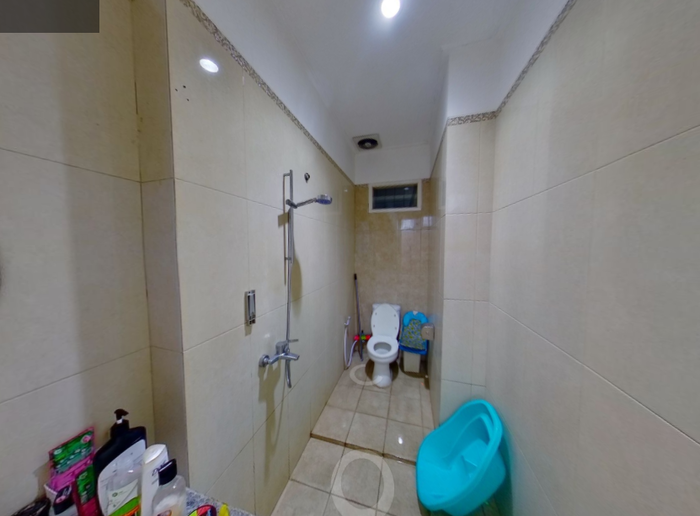
Photo 1: Indonesia SEC (Socioeconomic Class) A—
A baby bathtub for infants and toddlers is also on display.
Source: Intage Consumer Life Panorama
The following article provides detailed information on the basics of Islam and more.
Related Articles:[Indonesia] Virtual Home Tour Capturing the Insights of Muslim Women
Related Articles:[Global series: Cuisine and Housework]Saudi Arabia Edition: Cooking Behavior
Related Articles:<Report from overseas office> [Indonesia: World Residence Tour] Bathrooms in Indonesia.
(2) Halal and Trust: Not just “Is it permissible?” but also “Can I choose it with confidence?”
In Islamic teachings, “halal” means “permissible.” Conversely, prohibited items are called “haram.”
While it is well known that pork and alcohol are avoided in halal food, in actual consumption situations, these factors alone are often insufficient for making a determination.
Processed foods and cosmetics contain many ingredients. In some cases, it is necessary to verify not only the raw materials themselves but also the manufacturing, preparation, storage, and distribution processes. When deciding whether to “buy this product” or “eat this dish” in everyday retail settings or restaurants, consumers’ own interpretations and trust—in addition to certification by specialized organizations—play a crucial role.
Even when faced with the same product, some people rely on halal certification as a standard for peace of mind, while others verify the ingredients and manufacturing processes themselves; some base their decisions on trust in the brand or seller, and others balance price, quality, and availability. Consumers may apply strict standards to food but use different criteria for cosmetics and daily necessities.
Halal certification serves as an important guide to assist in these decisions. By having specialized organizations verify ingredients and processes, it reduces the burden on consumers of having to investigate everything themselves every time. However, certification alone does not determine every decision. Depending on the product category and the consumer’s values, factors such as ingredients, quality, price, brand, and the seller’s explanations also influence the choice.
That is precisely why it is important for companies not only to obtain certification but also to clearly disclose their ingredients and manufacturing processes, answer consumer questions, and continuously take Muslim values into consideration.
Halal is more than just a checkmark; it serves as a criterion for determining whether a product or company can be “trusted and relied upon with confidence.”
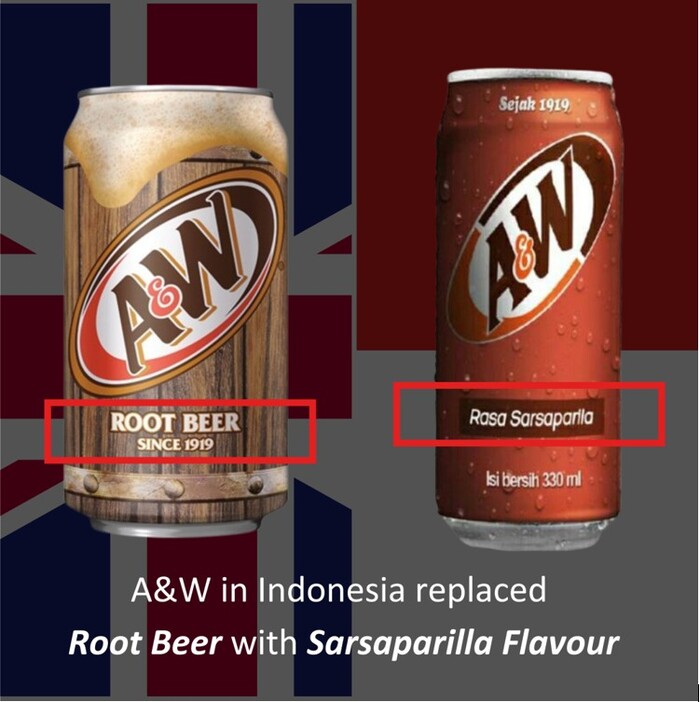
The following article provides detailed information on the four segments of halal consumers in Indonesia, as well as the average profile of Indonesians.
Related Articles:Halal Playbook: 4 Surprising Types of Indonesian Middle-class Muslim You Should Know
Related Articles:Let’s Get to Know the “Average” Indonesian! Understanding the Lifestyle Through Climate, Culture, Halal, and Gen Z
Related Articles:[Indonesia] The Halal Revolution: How Indonesia's Influence is Shaping Global Markets
(3) Family and Community: Consumption that arises not from individuals, but from relationships
When observing the daily lives of Muslims, one often sees families and relatives gathering for meals, inviting guests into their homes, and sharing food with those around them. At first glance, this might appear to be a local custom centered on extended families. However, underlying these practices are Islamic values that emphasize maintaining ties with relatives, cherishing neighbors, welcoming guests, and supporting those in need.
It is important to note that Islam does not uniformly require a specific living arrangement. What is emphasized is not so much that the entire family must live under the same roof, but rather that they maintain relationships even when living apart and support one another when needed. This is reflected in daily life in various ways, such as visiting relatives, sharing meals, returning to one’s hometown, exchanging gifts, raising children, providing care for the elderly, and offering financial support.
In Indonesia, the spirit of “Gotong Royong” (mutual aid) overlaps with religious values and local culture. At home, families gather around large platters of food, and there are also occasions at work or school where food is shared with those around them. When selecting products, it is important not only to consider whether one wants to eat them oneself, but also whether they are easy for many people to eat, easy to divide, and easy to distribute.
This sense of community is also reflected in housing. Spaces designed with gatherings in mind—such as guest rooms and living rooms for welcoming relatives and neighbors, communal areas near the entrance, and kitchens capable of handling large-scale cooking—are highly valued.
In Saudi Arabia, there is a custom of families and relatives gathering on Fridays to share large platters of food. Guests are provided with ample portions, and Saudi coffee or tea is served before and after the meal to encourage conversation. Hospitality is not merely a matter of serving guests; it is an act that demonstrates respect and generosity toward others and deepens relationships within the family and the community.
On the other hand, wasting food is frowned upon. If there are leftovers from a meal prepared in abundance, they may be shared with family members, neighbors, domestic workers, or animals. The need to adequately host guests and the need to avoid waste are reconciled by circulating the surplus to those around them.
When seeking to understand communal life among Muslims, it is not enough to look solely at household size or cohabitation rates. In addition to who lives in the same house, it is necessary to consider who visits frequently, with whom meals are shared, whom they support, and who gathers for religious observances.
In Islam, community is not merely about living in the same place, but about maintaining relationships with family, relatives, neighbors, and guests through meals, visits, support, and sharing.
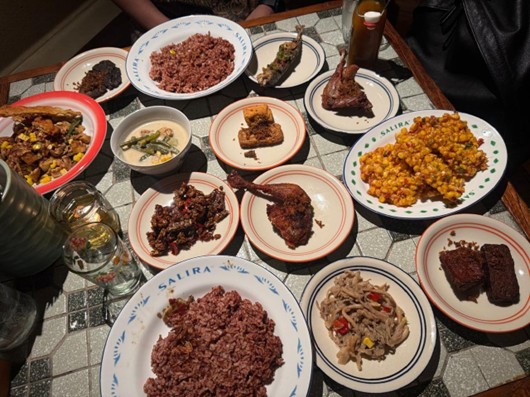
Source: Photo taken by the author of the article(Indonesia)
The following article provides a detailed look at sharing culture and dining.
Related Articles:National Character of Countries Around the World Indonesia: “Sharing with everyone” is the norm. How a “culture of sharing” shapes interpersonal relationships
Related Articles:[Global series: Cuisine and Housework]Saudi Arabia Edition: Cooking Behavior
Related Articles:National Character of Countries Around the World Malaysia: A pioneering spirit balanced with the ability to enjoy life while preserving traditions
(4) Ramadan and Celebrations: Religious events shape the annual consumer calendar
Ramadan is the month of fasting during which Muslims abstain from food and drink from dawn until sunset. However, viewing Ramadan simply as a “period of not eating during the day” does not provide a sufficient understanding of consumers’ behavior.
Ramadan is a time to curb one’s desires, deepen gratitude for the things we take for granted in daily life, and be mindful of those in need. At the same time, it is a period when the schedules for meals, prayer, work, sleep, and shopping are rearranged, and connections with family, friends, and the community are strongly emphasized.
People eat a meal before sunrise to prepare for fasting and refrain from eating and drinking during the day. After sunset, people share Iftar (the meal breaking the fast) with family and friends. In Indonesia, “BukBer”—a tradition of breaking the fast in groups—is widely practiced, and restaurants, hotels, and cafes offer special meal plans for the occasion.
Iftar is not merely a meal to satisfy hunger. It is a time to share gratitude for having made it through the day safely, to reaffirm relationships with family and friends, and to share food. For this reason, products are expected to offer not only great taste and reasonable prices, but also the ability to accommodate large groups, ease of portioning, ease of serving, and the ability to add a festive touch to the table.
Once Ramadan ends, the festival of Eid—celebrating the breaking of the fast—begins. Known as “Lebaran” in Indonesia and “Hari Raya” in Malaysia, families and relatives gather, dress in their finest, and share a meal together. In preparation for the festival, people buy clothes, shoes, gifts, and food; they may also clean their homes or replace furniture and appliances to welcome guests.
In Indonesia, the THR (Tunjangan Hari Raya: Religious Holiday Bonus), which is paid out before Lebaran, boosts consumption. The THR is used not only for clothing and food but also for furniture, home appliances, automobiles, travel expenses for returning home, and gifts for relatives. In particular, the large-scale homecoming known as “mudik” drives up demand for vehicles large enough to accommodate the entire family, transportation, lodging, and vehicle maintenance.
Therefore, consumption from Ramadan through Eid cannot be explained solely by the rebound from fasting or a temporary surge in purchasing desire. Consumption during this period is also an act of meeting family, sharing meals, welcoming guests, supporting those in need, and fulfilling one’s role within the community.
Thus, Ramadan and Eid are not merely periods when religious observances generate consumption; they are times when demand for food, clothing, housing, transportation, and gifts arises as people practice their faith within the context of family and community relationships.

*The image above is an AI-generated illustration of Buka Puasa (Iftar).
The following articles provide detailed information on topics such as “traditional outfits and clothing that families and groups wear as matching sets,” such as Salimbit, and the reasons why car sales increase during Ramadan.
Related Articles:How “THR Bonuses” Are Changing Purchasing Behavior: A Mechanism for Stimulating Consumption Unique to Indonesia
Related Articles:Why Ramadan Sparks Indonesia's Biggest Car-Buying Season
Related Articles:National Character of Countries Around the World Indonesia: “Sharing with everyone” is the norm. How a “culture of sharing” shapes interpersonal relationships
(5) Modesty and Self-expression: Modesty and an interest in beauty and fashion can coexist
The desire to “dress fashionably” and “express one’s true self” is shared by many people, regardless of religion or nationality. In Islam, modesty is emphasized in dress and behavior, and some Muslim women wear the hijab to cover their hair, neck, and shoulders.
However, there is no need to view modesty and fashion as mutually exclusive. While upholding Islamic values, it is possible to express your individuality by being creative with colors, patterns, fabrics, silhouettes, layering, and makeup.
There is a wide variety of hijab options, ranging from subdued solids to vibrant patterns, and from practical fabrics for everyday wear to elegant fabrics for festive occasions. People often adapt their style to the occasion—for example, choosing a look that conveys a sense of cleanliness and trustworthiness for work, and incorporating bright colors and patterns when going out with family and friends.
In Malaysia, the hijab—also known as a “tudung” in Malay—is worn in combination with Western-style clothing or the traditional “baju kurung.” Compared to the attire seen in the Middle East, colorful and fashion-forward styles are particularly prominent here. This demonstrates how religious modesty, Malaysian traditional culture, and modern fashion coexist within a single outfit.
Furthermore, wearing a hijab does not imply a lack of interest in beauty or appearance. In addition to facial and skin care, there are needs tailored to the local environment, such as scalp and hair care while wearing the hijab, and makeup that stays in place even in hot weather.
Self-expression is not determined solely by how much skin is revealed. The impression created by an outfit can change significantly depending on the color coordination between the hijab and clothing, the texture of the fabrics, the patterns, the way the hijab is wrapped, and how it is paired with bags and shoes. It is precisely because there is a certain framework in place that creativity flourishes in the finer details of coordination, and it is through these details that each individual’s “personality” is expressed.
Especially during festivals such as Eid, women choose more elaborate clothing and hijabs than usual, while still observing religious modesty. In Indonesia, there is also a culture of families wearing matching outfits (salimbit), so attire expresses not only personal preference but also a sense of family unity and the joy of celebrating special occasions.
As such, Muslim women’s attire is not merely about adhering to religious restrictions. While cherishing the value of modesty, it is a form of self-expression that balances individuality with harmony within the family and society through creative use of colors, patterns, fabrics, beauty, and coordination.
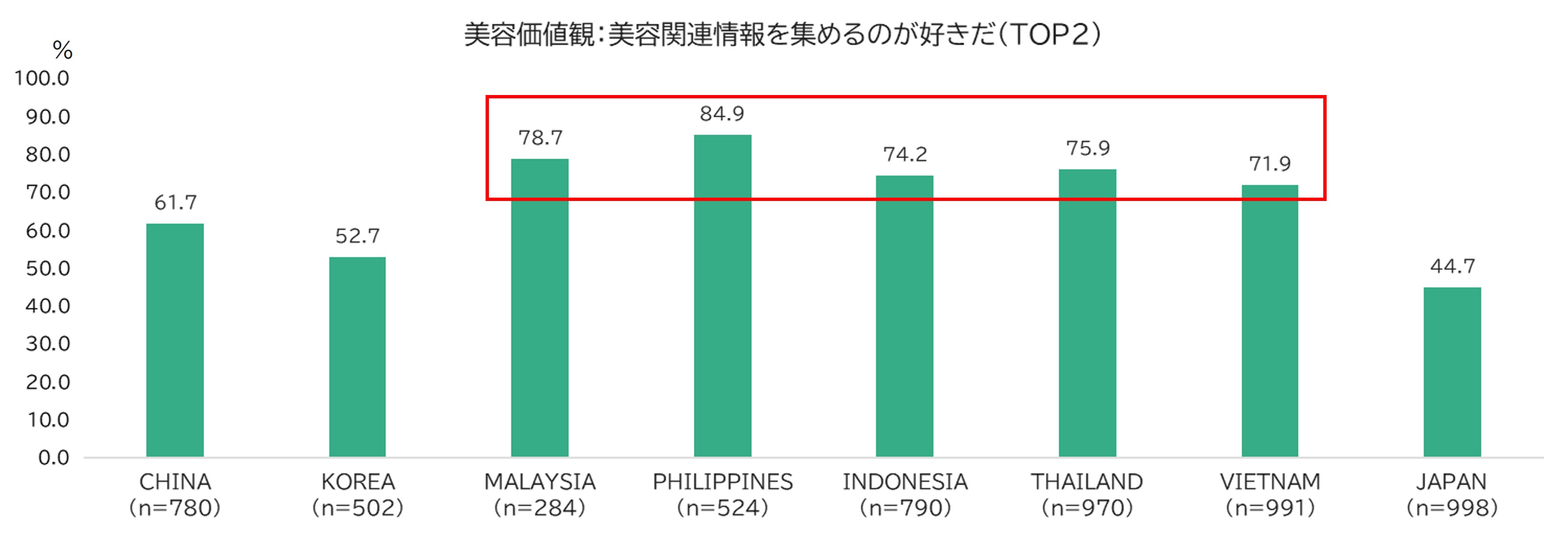
Figure 1: Beauty Values by Country (multiple responses allowed). Excerpt from the item
“I like gathering information about beauty” (Base: Women aged 18–29 in each country)
Source: Intage Global Viewer (2025)
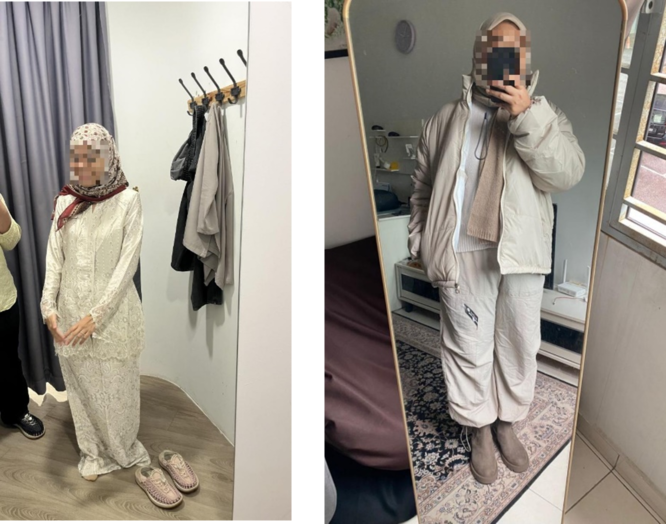
(Left) A full-length white baju kurung (traditional attire for Malay Muslim women)
with a red hijab as an accent color
(Right) An all-beige ensemble with brown shoes and hijab for accents
Source: INTAGE Consumer Life Panorama
For more information on how to gather beauty tips and on fashion for Muslim women, please see the articles below.
Related Articles:Beauty Information-Seeking Behavior in Five Southeast Asian Countries: A Comparison of the Influence of Social Media, Retail Stores, and Word of Mouth
Related Articles:Malaysian Women's Fashion: What Makes Muslim-Style Outfits Unique?
3. Shared Faith, Different Consumption Patterns: Differences in the Lives of Muslim Consumers Across Four Countries
As we have seen so far, Muslim life is centered around common themes such as faith, halal, family and community, Ramadan, and modesty. However, how these themes manifest in specific consumer behaviors varies from country to country.
Here, we will compare the characteristics of four countries: Saudi Arabia, Indonesia, Malaysia, and the UAE.
(1) Saudi Arabia
Keywords: “Family,” “Hospitality,” “Religious Norms and Social Change”
Saudi Arabia is home to Mecca, Islam’s holiest site, and Medina, where the Prophet’s Mosque is located. The Hajj, the pilgrimage to Mecca, is considered one of the Five Pillars of Islam, and Saudi Arabia serves as a religious center that welcomes Muslims from around the world as pilgrims.
Given this status, Islamic values in Saudi Arabia have been strongly reflected not only in individual faith but also in social institutions, marriage, family life, clothing, food, and housing.
In marriage, family and religious rituals are emphasized, and in the home, separate spaces for male and female guests may be provided. On Fridays, families and relatives gather to share meals from large platters, ensuring that guests are provided with ample food.
On the other hand, the traditional image of Saudi Arabia as a “country that strictly adheres to Islamic teachings” does not fully capture the reality of the country today. Under “Vision 2030,” launched in 2016, people’s options in areas such as women’s employment, mobility, culture, tourism, sports, and entertainment are expanding. In 2018, women were permitted to drive, broadening their options for transportation and employment.
It is important to note that these changes should not be viewed as a “move away from religion.” In Saudi Arabia, new markets—such as women’s social participation, digital services, tourism, and entertainment—are emerging while preserving values such as religious orthodoxy, family, modesty, and hospitality.
To understand the Saudi consumer market, one must look beyond the dichotomy of “a strict Islamic society” versus “an open, modern society” and instead examine where consumers’ scope of action and choices are expanding, all while grounded in religious traditions.
Characteristics
- Strong bonds with family and relatives
- Emphasis on communal dishes, bulk purchases for large families, and hospitality for guests
- Homes feature luxurious spaces for guests and separate pathways for men and women
- Marriage entails expenditures on gold, clothing, beauty treatments, furniture, and housing
- Lifestyles and roles are changing due to the lifting of the ban on women driving and the expansion of women’s employment
- While traditional norms persist, women’s increased participation in society and digitalization are transforming the market
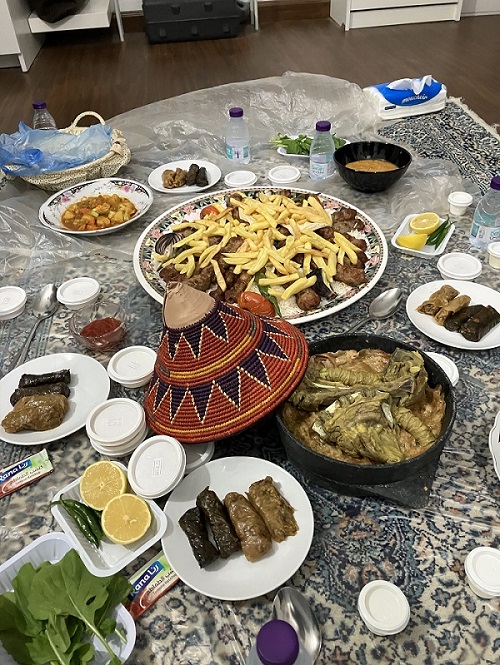
The dining table of a tribal family from Najran in the southern region, now living in the city.
Local cuisine (laksh) and barbecue dishes ordered for delivery
(examples of large platters other than kabsah).
(Many people from rural areas live in urban centers. Saudis place great importance on their origins.)
The following article provides detailed information on marriage customs in Saudi Arabia, the necessary preparations, and home-cooked meals.
Related Articles:[Global Series: Marriage and Assets] Saudi Arabia: Preparing for Marriage
Related Articles:[Global series: Cuisine and Housework]Saudi Arabia Edition: Cooking Behavior
Related Articles:[UAE, Saudi Arabia] Experience virtual tour! ~New Market Opportunities~
(2) Indonesia
Keywords: “Market Share,” “Diversity of Halal Products,” “Ramadan Shopping Season”
Indonesia is home to the world’s largest Muslim population (approximately 240 million people). At the same time, it is a diverse nation where numerous ethnic groups, languages, religions, and regional cultures coexist. Consequently, while Islam has a broad influence on areas such as diet, clothing, worship, marriage, and housing, the ways in which these practices are carried out and reflected in consumer behavior are not uniform.
For example, when determining what is halal, some people prioritize certification marks, while others check ingredients and manufacturing processes; some trust familiar brands or retailers, and still others balance price, quality, and convenience. Consequently, the Indonesian market cannot be viewed solely through the lens of “Muslim-oriented” or “halal-compliant.”
Furthermore, another factor shaping uniquely Indonesian consumer behavior is “Gotong Royong,” which means mutual aid and support. The Islamic values of family, charity, and sharing overlap with a culture of mutual aid within local communities, meaning that meals and shopping are not completed by individuals alone. Families gather around large platters of food, and there are also occasions to share food at work or school.
When selecting products, consumers consider not only whether they themselves would like to eat it, but also whether it is easy for those around them to eat, easy to share, and safe to pass on to others. Large-volume products, share sets, individually wrapped items, and portable foods align well with these values.
Consumption peaks during the period from Ramadan through Lebaran. After sunset, people break their fast with family and friends, and THR (religious holiday bonuses) are distributed before Lebaran. Demand surges across a wide range of categories, including clothing, food, furniture, home appliances, gifts, travel expenses for returning home, and automobiles.
On the other hand, differences based on income level are also significant. While high-income groups tend to spend on multiple cars, high-performance home appliances, and health-related products, middle- and low-income groups opt for motorcycles, small-volume products, and items that prioritize durability and affordability. Even though religious considerations are a common factor, price, volume, sales channels, and payment methods must be tailored to each income bracket.
Indonesia’s consumer market is not a unified market centered solely on Islam. It is a vast, multi-layered Muslim market where faith, regional culture, family and community, income, generation, and digitalization intersect.
Characteristics
- Emphasis on “sharing” with family, relatives, friends, and colleagues
- High affinity for large platters, large quantities, bulk purchases, and sharing sets
- Halal awareness varies by individual; considerations extend beyond certification to include price, quality, and brand trust
- Consumption picks up as THR bonuses are distributed from Ramadan through Lebaran
- The annual homecoming migration (“mudik”) drives demand for clothing, food, automobiles, and travel
- Younger generations utilize digital purchasing channels such as social media, e-commerce, and delivery services
- Significant differences exist across income brackets in terms of housing, home appliances, automobiles, and cooking environments
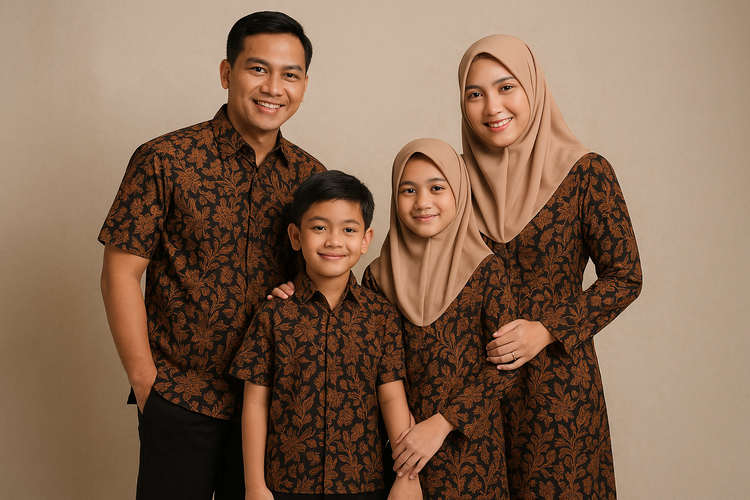
*The image above is an AI-generated illustration of Salimbit.
The following article provides a detailed look at the Indonesian national character and the shopping rush that occurs during Ramadan and Eid.
Related Articles:National Character of Countries Around the World Indonesia: “Sharing with everyone” is the norm. How a “culture of sharing” shapes interpersonal relationships
Related Articles:How “THR Bonuses” Are Changing Purchasing Behavior: A Mechanism for Stimulating Consumption Unique to Indonesia
Related Articles:Why Ramadan Sparks Indonesia's Biggest Car-Buying Season
Related Articles:[Global Series: Marriage and Assets] Indonesia: Preparing for Marriage
(3) Malaysia
Keywords: “Multiethnic,” “Harmony,” “Balancing Tradition and Modernity”
Although Islam is the state religion, Malaysia is a multi-ethnic and multi-religious nation where Buddhism, Christianity, Hinduism, and other faiths coexist. According to 2020 statistics, Islam accounts for 63.5%, Buddhism for 18.7%, Christianity for 9.1%, and Hinduism for 6.1%.
A defining characteristic of Malaysia is that people of different ethnicities and religions recognize each other’s festivals as events for the whole society. Not only Islamic festivals such as Eid al-Fitr and Eid al-Adha, but also the Lunar New Year, Vesak Day, Diwali, and Christmas serve as seasonal milestones for society, and the festive atmosphere is shared in commercial facilities, workplaces, schools, and communities.
For example, it is common to see Muslims taking photos in front of Christmas decorations or offering words of congratulations to friends and colleagues of different faiths. While not everyone participates in religious rituals, there is a culture of respecting others’ festivals and sharing in their social excitement.
As a result, Malaysia’s consumer calendar is not composed solely of Islamic holidays. As the festivals of multiple ethnic groups and religions overlap, they create consumption opportunities throughout the year—including clothing, food, gifts, dining out, travel, and events at commercial facilities.
Furthermore, the attire of Muslim women in Malaysia reflects a balance between tradition and modernity. The hijab, also known as “tudung” in Malay, is worn in combination with traditional attire such as the baju kurung or modern Western-style clothing. While valuing religious modesty, a style that allows women to express their individuality through colors, patterns, materials, and outfit coordination is becoming increasingly popular.
The Malaysian market is not driven solely by Islamic holidays. It is a “multi-festival market” where the festivals of multiple religions and ethnic groups serve as shared seasonal milestones for the entire nation, generating demand for clothing, food, gifts, dining out, travel, and events at commercial facilities throughout the year.
Characteristics
- Society as a whole respects religious and ethnic events
- A spirit of innovation that embraces new services coexists with respect for tradition
- Religious events present consumption opportunities for clothing, food, travel, and gift-giving
- The hijab is both religious attire and a fashion item
- It is necessary to distinguish between “Malaysians as a whole” and “Malay Muslims”
- While weddings involve rituals based on Islamic law and dowries, choices regarding housing and automobiles are also influenced by income levels
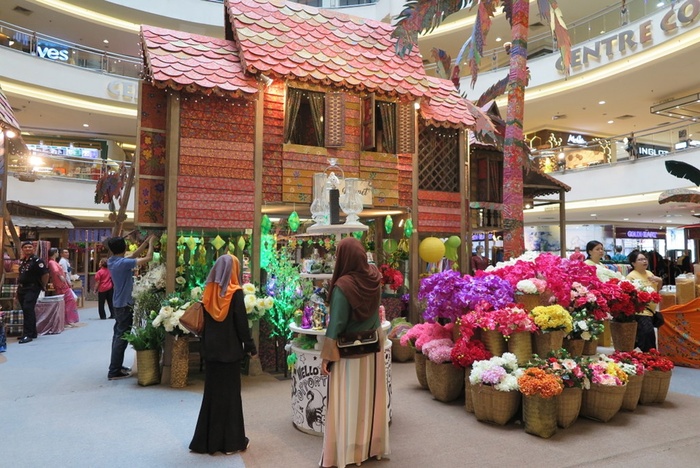
Hari Raya decorations during the major homecoming season evoke the image of “hometown.”
The following article provides a detailed look at the national character of Malaysia and its marriage customs.
Related Articles:National Character of Countries Around the World Malaysia: A pioneering spirit balanced with the ability to enjoy life while preserving traditions
Related Articles:Malaysian Women's Fashion: What Makes Muslim-Style Outfits Unique?
Related Articles:[Global Series: Marriage and Assets] Malaysia: Preparing for Marriage
(4) UAE (United Arab Emirates)
Keywords: “International character,” “High income,” “Modernity and cultural sensitivity”
The UAE is a federal state with Islam as its official religion, consisting of seven emirates, including Abu Dhabi and Dubai. Although it is one of the world’s leading oil-producing nations, its oil and gas resources are primarily concentrated in Abu Dhabi, and the economic structures of the individual emirates vary.
Dubai, in particular, has long fostered the development of trade, ports, aviation, logistics, finance, and tourism, attracting companies, talent, and travelers from around the world. The UAE as a whole is also pursuing economic diversification while relying on oil revenues.
Amid this economic development, the UAE has become home to a multinational population. While Islam is the state religion, English is widely used in business and daily life, and technologies, brands, business practices, and lifestyles from around the world are flowing into the country.
However, when analyzing the UAE market, it is essential to distinguish between Dubai’s cosmopolitan residents, local UAE households, and the diverse expatriate population. Among middle- to high-income local households, it is common to find spacious villas, extended families, domestic staff, multiple cars, air conditioning, and guest rooms for visitors. Cutting-edge technology and high-quality products are chosen not only for personal use but also to ensure family comfort and to provide amenities for entertaining relatives and friends.
While there is a high level of interest in the UAE market in smart homes, eco-friendly housing, high-quality home appliances, and advanced services, Islamic culture—including halal practices, Ramadan, prayer, family, and hospitality—remains the foundation of society.
The UAE market is not characterized by simple Westernization; rather, it is defined by the coexistence of Islamic values and international progressiveness.
Characteristics
- A coexistence of multinational and multicultural residents
- Local citizens receive support in areas such as housing, education, and healthcare
- Middle- to high-income households typically have spacious homes, multiple cars, and employ domestic help
- While housewives and women do not necessarily perform household chores directly, they are involved in decision-making regarding purchasing and household management
- Interest in new technologies, smart homes, and eco-friendly housing
- Even in a relatively liberalized environment, Islamic culture and consideration for guests remain important
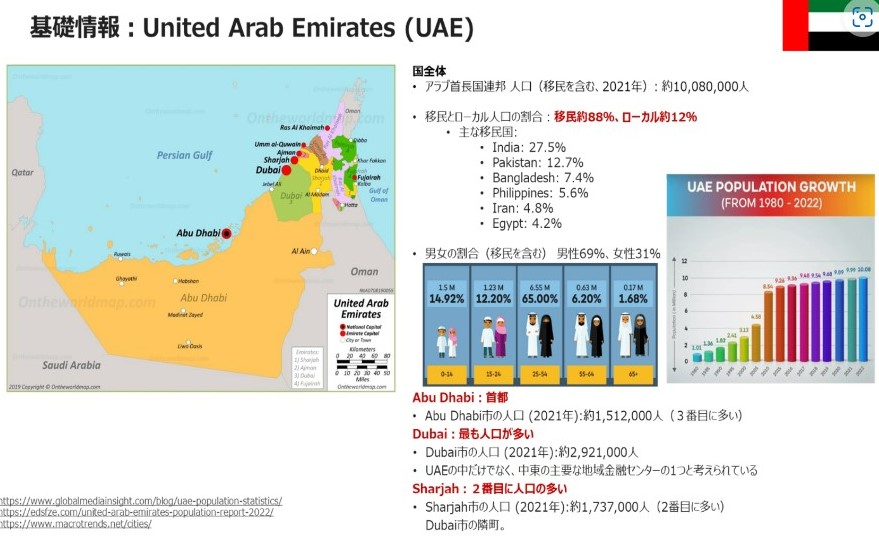
For detailed information on the UAE and living conditions there, please see the following article.
Related Articles:[UAE, Saudi Arabia] Experience virtual tour! ~New Market Opportunities~
Related Data:Population ratio by ethnic groups_UAE
4. Comparative Table of 4 Countries
I've compiled a comparison chart of the characteristics of the four countries introduced so far.
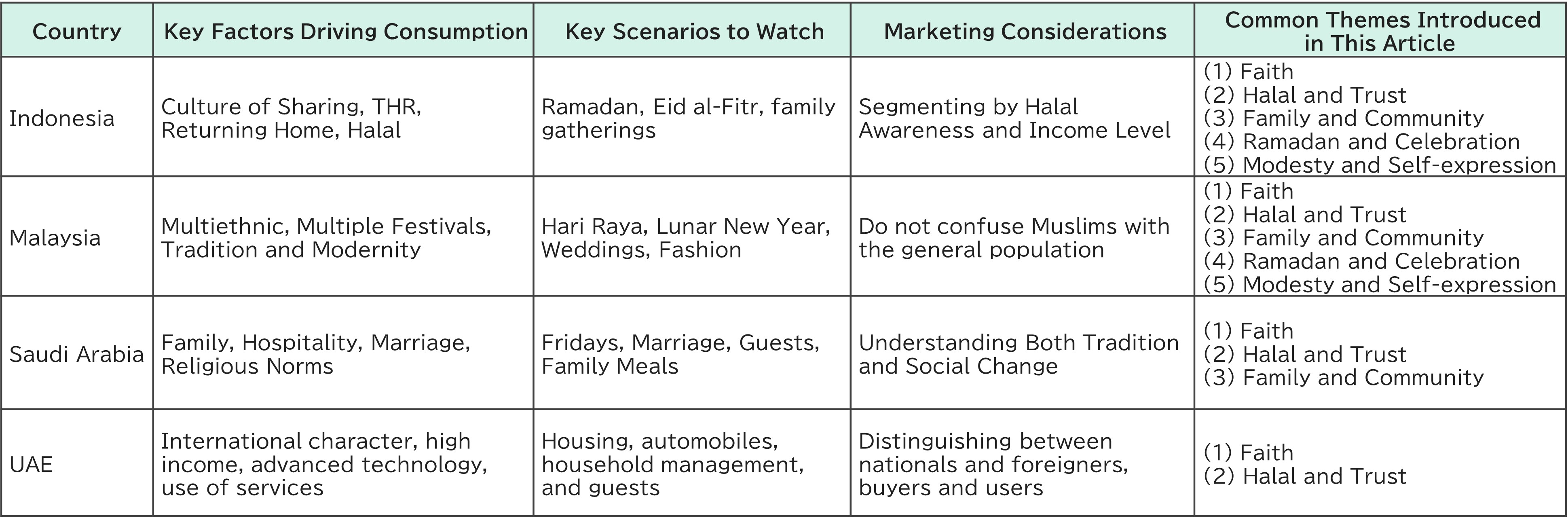
5. Summary: Looking Not Only at “Religion,” but Also at “Relationships” and “Regional Differences”
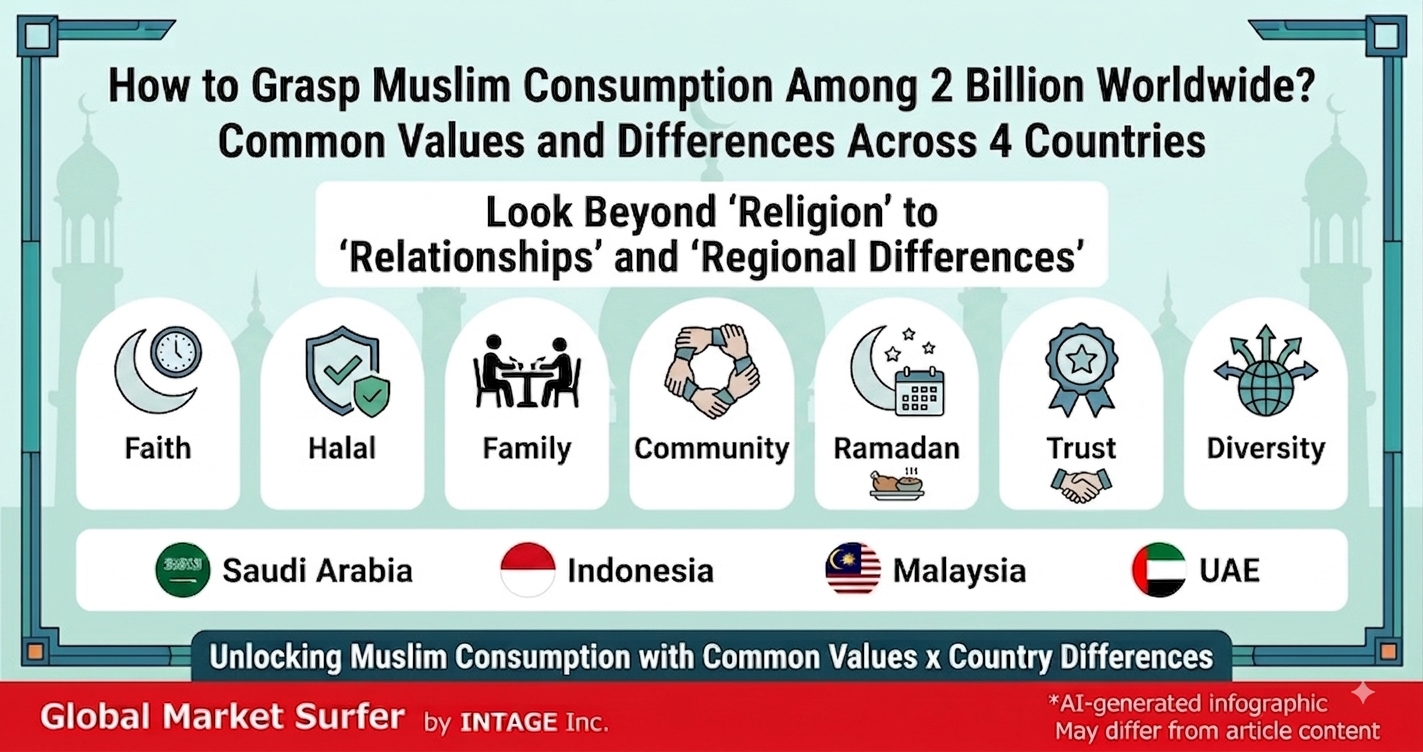
To understand the Muslim consumer behavior discussed so far, the following seven keywords are essential.
(1) Faith: Belief
This forms the basis for daily routines, diet, clothing, housing, and the use of services. However, the degree to which these principles are practiced varies from person to person.
(2) Halal: Halal
This is not merely a distinction between what is prohibited and permitted, but a criterion linked to peace of mind, safety, quality, and trust.
(3) Family: Family
This influences purchasing purposes, decision-making, the number of users, gift-giving, housing, and automobiles.
(4) Community: Community
Consumption arises not only “for the individual” but also for “sharing,” “entertaining,” and “maintaining relationships.”
(5) Ramadan and Celebrations: Religious Events and Festivals
These form a consumption calendar that drives annual demand, bonuses, business hours, mealtimes, homecomings, and travel.
(6) Trust: Trust
This is built through certifications, ingredient labeling, brands, retailers, word-of-mouth, and influencers.
(7) Diversity: Diversity
Even among Muslims, choices vary depending on country, ethnicity, denomination, generation, income, urban or rural location, and individual religiosity.
As mentioned at the beginning, the global Muslim population has reached approximately 2 billion, and their consumption drives a wide range of markets—not only food but also cosmetics, fashion, travel, mobility, finance, and housing.
However, marketing to Muslims cannot be designed based solely on the presence or absence of “halal certification.” Religious acceptance of a product is merely the starting point; beyond that lie the consumer’s personal judgments regarding whether the product is easy to share with family, whether it can enrich festive occasions, whether it can be chosen with confidence, and whether it allows them to express their individuality.
Furthermore, as demonstrated by Indonesia’s culture of sharing, Malaysia’s multi-ethnicity, Saudi Arabia’s family- and hospitality-oriented culture, and the UAE’s international character, consumption patterns vary even within the same Islamic world.
When analyzing the Muslim market, it is essential to simultaneously consider the “common ground” provided by Islamic teachings and the “differences” that exist among countries, regions, and individuals.
This is the first step toward understanding 2 billion consumers not as stereotypes, but as specific customers.
The “Next Step” in Data Collection
Intage's International Research
Have you ever searched through public information and market reports only to find that the information you're looking for isn't there?
Intage’s international research has a track record of over 500 projects across more than 60 countries.
Intage supports the global business operations of many companies through our research, helping them find the answers they need.
We can accommodate a variety of research methods, including quantitative and qualitative research, as well as online and offline surveys.
If you’re struggling with issues such as “I need more consumer data from this country” or “I can’t find the information I’m looking for,”
please contact Intage’s international research team.